


Concrete Polishing in Lauderhill, FL
Industrial Floors That Actually Last
Hear from Our Customers
Professional Concrete Polishing Services Lauderhill
Your floors take a beating every day. Forklifts, heavy machinery, constant foot traffic – regular concrete just can’t keep up. That’s where our polished concrete changes everything.
You’re looking at floors that resist abrasion 400% better than untreated concrete. No more chipping, cracking, or constant repairs. The polished surface actually repels dust and dirt, which means less cleaning and better air quality for your team.
The best part? These floors get more durable over time, not weaker. While other flooring options wear down and need replacement every few years, properly polished concrete keeps performing for decades.
Lauderhill Concrete Polishing Contractors
We’ve been serving Lauderhill’s manufacturing and warehouse facilities for years. We understand what businesses in this area face – from the heavy logistics operations near I-95 to the distribution centers serving South Florida’s growing economy.
Lauderhill’s strategic location makes it a hub for companies that need floors capable of handling serious industrial demands. That’s exactly what we deliver. Our team knows the specific challenges of Florida’s climate and industrial environment, from humidity effects on concrete to the unique wear patterns of heavy equipment operations.
We’ve worked with everything from small manufacturing shops in the Commerce Park area to major distribution facilities serving the Port Everglades corridor. Each project gets the same attention to detail and commitment to long-term performance.
Concrete Polishing Process Lauderhill FL
Our process starts with a thorough assessment of your existing concrete. We identify any cracks, uneven areas, or surface damage that needs attention before polishing begins.
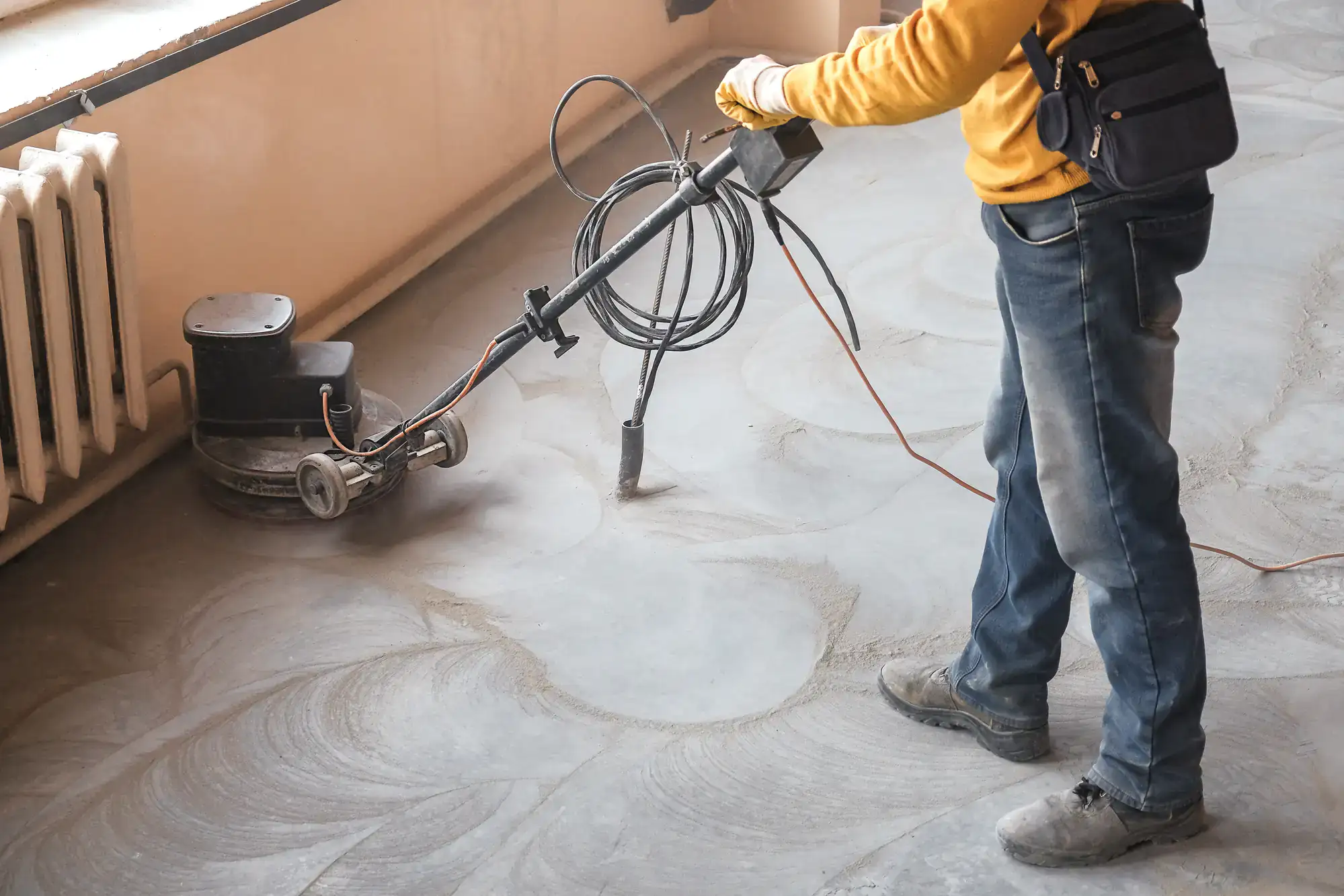
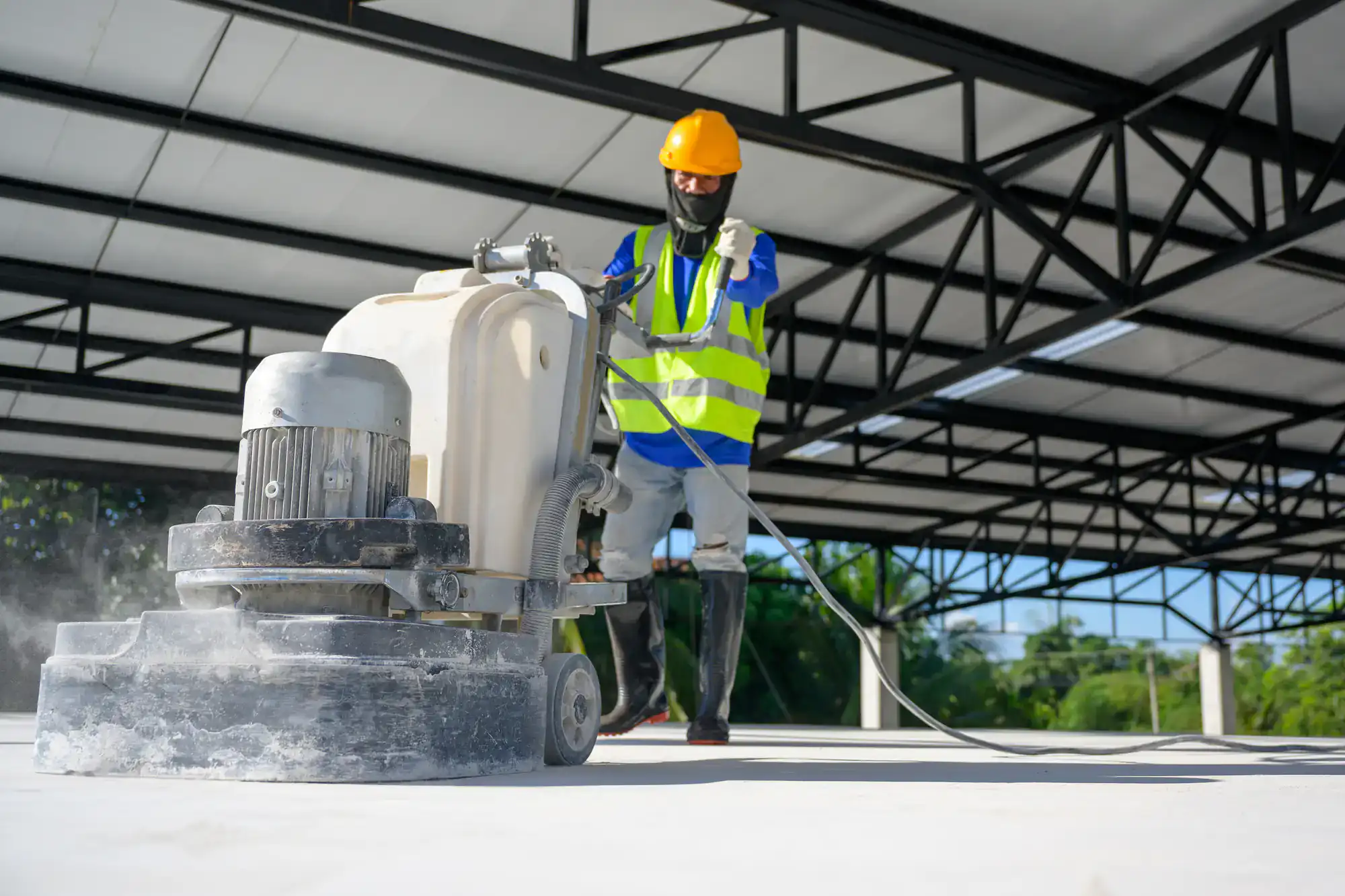
Next comes the grinding phase. Using industrial diamond tools, we systematically remove surface imperfections and any existing coatings. This creates a perfectly level foundation and exposes the concrete’s natural aggregate for visual interest.
The polishing happens in stages, progressing from coarse to fine diamond abrasives. Each pass creates a smoother, more reflective surface. We apply chemical densifiers that penetrate deep into the concrete, hardening it from within and creating that incredible durability increase.
The final steps involve achieving your desired level of shine – from a subtle satin finish to a high-gloss mirror-like surface that reflects light beautifully throughout your facility.
Ready to get started?
Industrial Polished Concrete Lauderhill
Lauderhill’s position as a logistics and manufacturing hub means your floors face unique challenges. Heavy truck traffic, constant loading and unloading, machinery that never stops moving – your flooring needs to handle it all without breaking down.
Our polished concrete systems are specifically designed for South Florida’s industrial demands. The process creates floors that handle the weight of loaded forklifts and the constant traffic of 24/7 operations. Unlike epoxy coatings that can chip or peel under heavy use, polished concrete actually gets stronger over time.
The reflective properties are particularly valuable in Lauderhill’s warehouse and manufacturing facilities. Better light reflection means lower energy costs and improved safety for your team. With Florida’s rising energy costs, that lighting efficiency adds up to real savings on your monthly bills.
For facilities serving the international trade corridor between Port Everglades and the airport, we understand the importance of floors that maintain their professional appearance even under the heaviest use.
How long does concrete polishing take for a typical Lauderhill warehouse?
Most warehouse projects in the 10,000 to 30,000 square foot range take 3-5 days to complete. The timeline depends on your existing concrete condition and desired finish level.
We work efficiently to minimize disruption to your operations. For facilities that can’t shut down completely, we can often work in sections, allowing parts of your operation to continue while we complete the polishing process. The key is proper planning and coordination with your team to ensure smooth project flow.
What’s the difference between polished concrete and epoxy coatings for industrial use?
Polished concrete is actually part of your concrete slab – it’s not a coating that can chip or peel off. Epoxy coatings sit on top of concrete and can fail under heavy industrial use, especially with hot tire pickup from forklifts and heavy machinery.
Polished concrete costs about half of what quality epoxy systems cost initially, and the maintenance costs are significantly lower over time. You won’t need to recoat every few years like you would with epoxy. The polished surface actually improves with age and use, while coatings deteriorate.
For Lauderhill’s industrial facilities, this means better long-term value and less operational disruption from floor maintenance projects.
Will polished concrete work with our existing concrete floors?
Almost any structurally sound concrete floor can be polished, whether it’s new or decades old. We start with a thorough assessment to identify any issues that need addressing before polishing begins.
Minor cracks, surface wear, and even some staining can usually be corrected during the polishing process. If there are significant structural issues or extensive patching, we’ll let you know upfront what needs to be addressed. The goal is to give you realistic expectations about what your finished floor will look like.
Most industrial floors in Lauderhill that we evaluate are good candidates for polishing, even if they’ve seen heavy use for years.
How do polished concrete floors handle Florida’s humidity and temperature changes?
Polished concrete actually performs better in Florida’s climate than many other flooring options. The densified surface resists moisture penetration while still allowing the concrete slab to breathe naturally.
Unlike some coatings that can have problems with moisture vapor transmission, polished concrete works with your building’s natural moisture management. This is particularly important in Lauderhill’s industrial facilities where temperature and humidity can fluctuate significantly.
The thermal mass of concrete also helps moderate temperature swings in your facility, potentially reducing HVAC costs. Many of our clients notice improved climate control after switching to polished concrete floors.
What kind of maintenance do polished concrete floors require?
Daily maintenance is simple – dust mopping or sweeping to remove debris. For deeper cleaning, a damp mop with neutral pH cleaner is all you need. No waxing, no special coatings, no complicated maintenance procedures.
The polished surface actually repels most spills and stains. Oil, hydraulic fluid, and other common industrial fluids can be cleaned up easily if addressed promptly. The key is having a simple daily cleaning routine and addressing spills quickly.
Most of our Lauderhill clients find their floor maintenance costs drop significantly after switching to polished concrete. The time and money saved on floor care can be substantial over the life of the floor.
How much does concrete polishing cost compared to other flooring options?
Polished concrete typically costs 30-50% less than quality epoxy systems initially, and the long-term savings are even greater. You’re looking at a one-time investment that lasts for decades rather than a coating that needs replacement every 5-7 years.
The exact cost depends on your existing floor condition, desired finish level, and total square footage. Larger projects generally have better per-square-foot pricing. We provide detailed estimates that include all aspects of the work so you can make an informed decision.
When you factor in the reduced maintenance costs, energy savings from better light reflection, and elimination of future recoating expenses, polished concrete often pays for itself within a few years compared to other industrial flooring options.
Other Services we provide in Lauderhill