


Epoxy Flooring in Sunny Isles Beach, FL
Floors That Actually Last in Florida
Hear from Our Customers
Professional Epoxy Coating Services
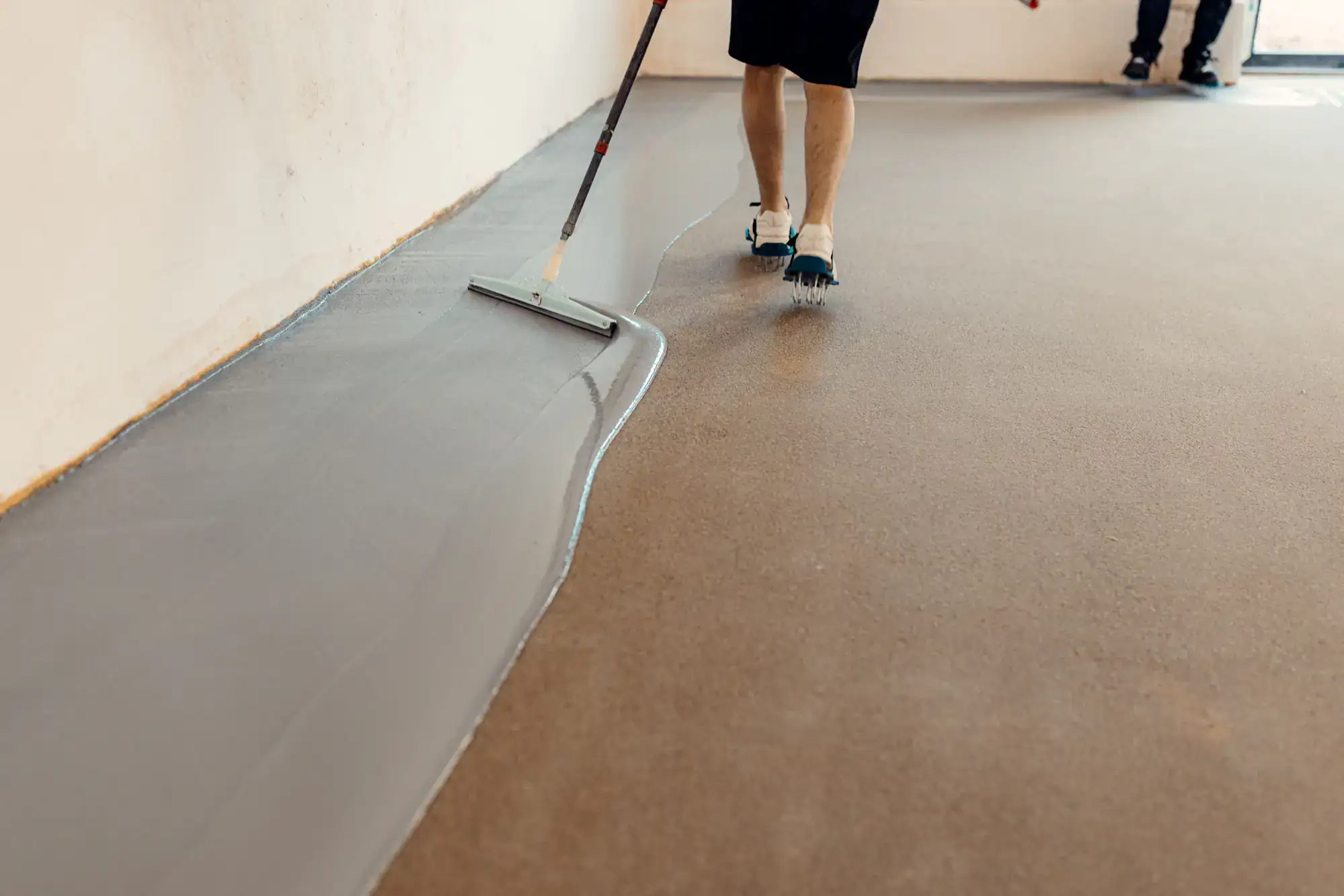
Your floors become virtually indestructible. No more worrying about oil stains in the garage, chemical spills in the workspace, or moisture damage from Florida’s humidity. The seamless surface resists everything from hot tire marks to daily wear and tear.
You get a floor that actually saves you money. Instead of replacing damaged concrete every few years, you’re looking at decades of performance. The non-porous surface means spills wipe away in seconds, and regular maintenance becomes as simple as sweeping and mopping.
Most importantly, you get peace of mind. These aren’t the epoxy floors that bubble and peel after the first rainy season. We formulate our coatings specifically for coastal Florida conditions, where salt air and constant humidity destroy inferior products.
Sunny Isles Beach Epoxy Specialists
We’ve been installing epoxy flooring systems across South Florida for years, and we understand something most contractors miss: Sunny Isles Beach isn’t just another job site. The location between the Atlantic Ocean and Intracoastal Waterway creates unique challenges that require specialized knowledge.
We’ve seen what happens when contractors from inland areas try to install standard epoxy systems here. The salt air accelerates coating failure. The humidity interferes with proper curing. The temperature swings cause premature cracking.
Our approach accounts for these local conditions from day one. We adjust our installation process based on real-time humidity readings, use coastal-grade materials that resist salt air corrosion, and time our work around weather patterns that affect curing. This isn’t just about following manufacturer instructions—it’s about understanding how materials perform in your specific environment.
Epoxy Installation Process
First, we evaluate your concrete’s condition and test for moisture issues that could compromise the installation. Many epoxy failures start here—with contractors who skip proper surface preparation or ignore humidity levels that prevent proper bonding.
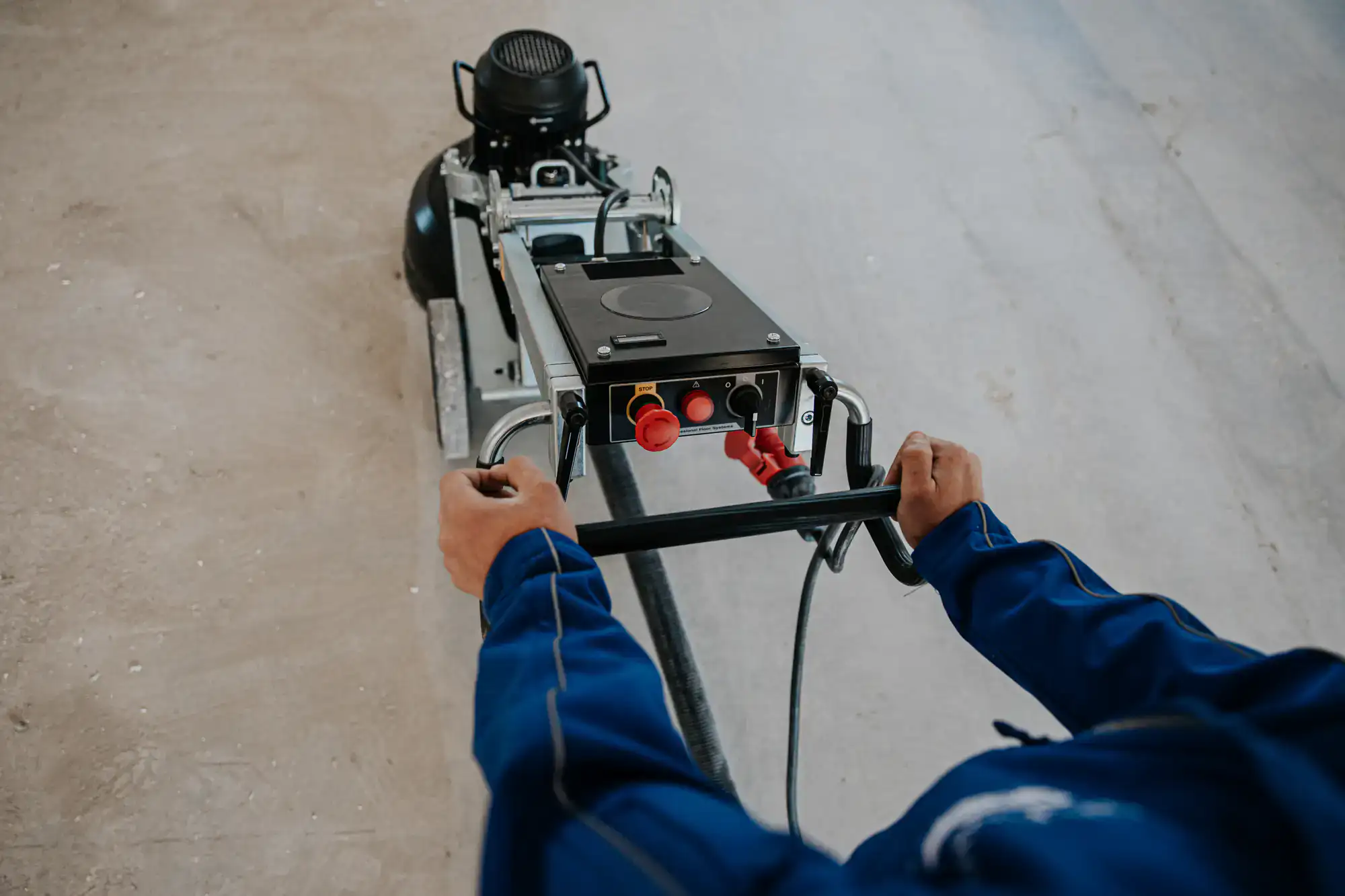
Next comes surface preparation. We grind away contaminants, repair cracks, and create the proper surface profile for maximum adhesion. This step determines whether your floor lasts two years or twenty years.
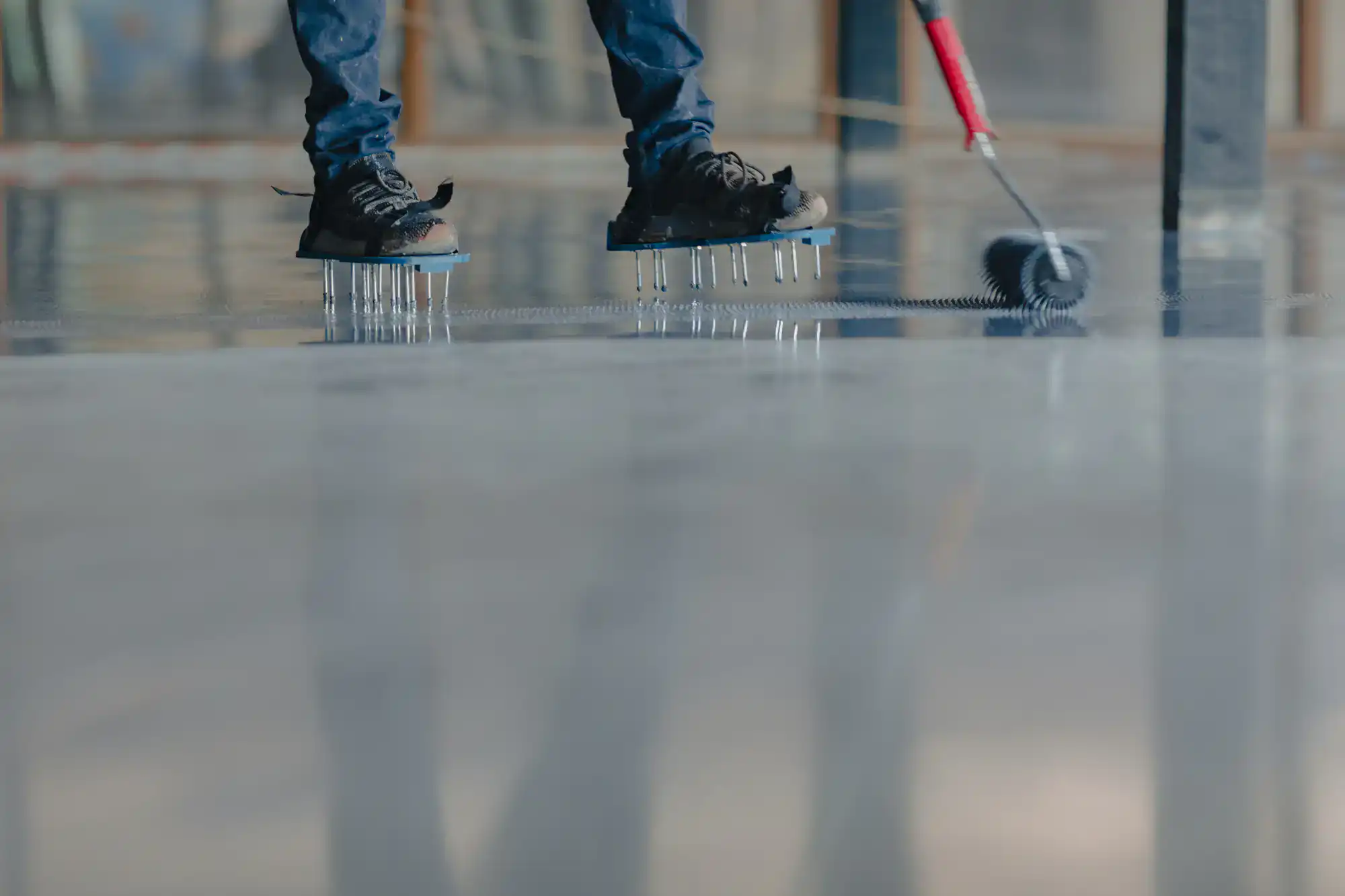
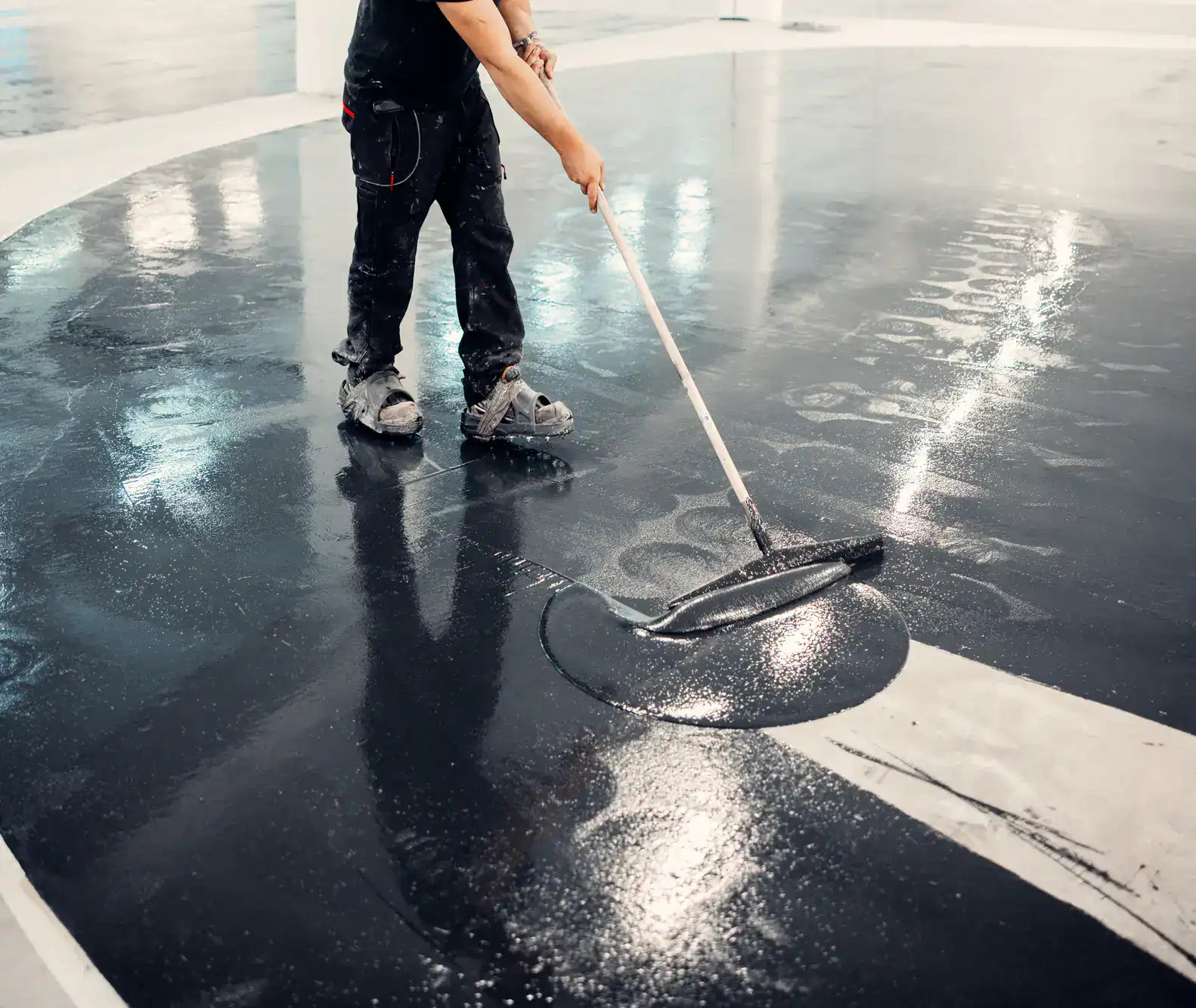
The coating application happens in controlled conditions. We monitor humidity levels throughout the process and adjust our materials accordingly. Each layer must cure completely before the next application, which means we don’t rush the timeline to meet arbitrary deadlines.
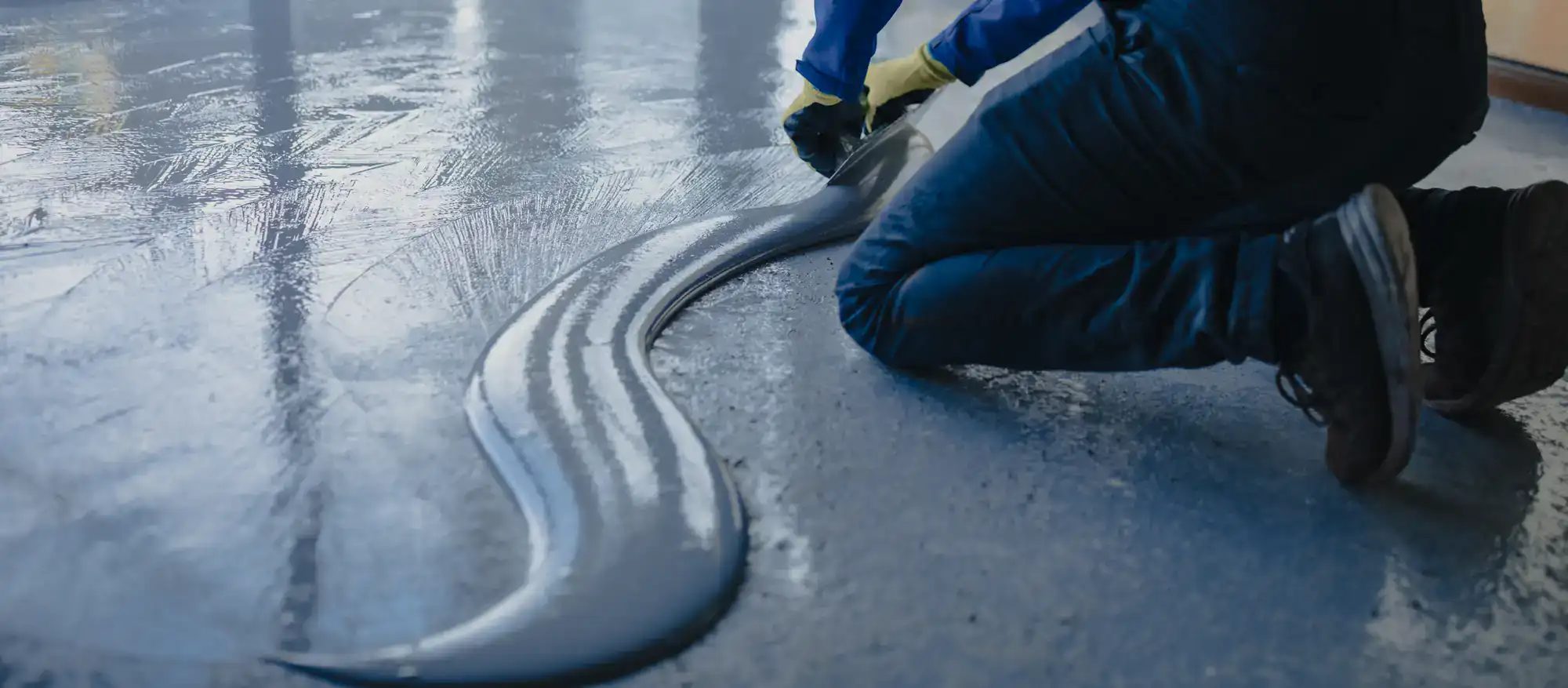
Finally, we apply protective topcoats designed specifically for Florida’s UV exposure and temperature extremes. These aren’t optional upgrades—they’re essential for long-term performance in coastal environments.
Ready to get started?
Durable Flooring Systems
Every SPF Industrial epoxy flooring system includes moisture-resistant primers that create proper adhesion even in humid conditions. We use epoxy formulations with enhanced UV stabilizers to prevent the yellowing and brittleness that plague standard coatings under Florida’s intense sunlight.
Your installation includes slip-resistant additives when appropriate, chemical-resistant topcoats for garage and workshop applications, and seamless transitions that eliminate the weak points where moisture typically penetrates. We also include detailed maintenance instructions specific to coastal Florida conditions.
For Sunny Isles Beach properties, we pay special attention to areas near pool decks and outdoor spaces where salt spray creates additional challenges. Our coating systems extend beyond the immediate work area to create proper moisture barriers and prevent edge failures that commonly occur when contractors cut corners on preparation.
How long does epoxy flooring last in Sunny Isles Beach’s coastal climate?
Properly installed epoxy flooring systems last 15-20 years in residential settings and 10-15 years in commercial applications, even with Sunny Isles Beach’s challenging coastal conditions. The key is using materials specifically formulated for salt air exposure and humidity.
Standard epoxy products often fail within 2-3 years here because they’re not designed for coastal environments. Our systems include UV stabilizers to prevent yellowing, moisture-resistant primers to ensure proper adhesion, and chemical-resistant topcoats that handle everything from pool chemicals to automotive fluids.
The longevity depends heavily on proper installation timing and surface preparation. We adjust our installation schedule based on humidity levels and use specialized primers that cure properly even in high-moisture conditions.
Can epoxy flooring handle Florida’s humidity and temperature changes?
Yes, when properly formulated and installed. Our epoxy systems are engineered to handle temperature ranges from below freezing to over 140°F, plus the humidity fluctuations common in South Florida.
The critical factor is using the right materials and installation process. Standard DIY epoxy kits often fail because they don’t account for humidity during curing, which creates weak spots that eventually bubble and peel. We monitor humidity levels throughout installation and use moisture-resistant formulations.
We also include flexible additives that allow the coating to expand and contract with temperature changes without cracking. This is especially important in garages and outdoor covered areas where temperature swings are most extreme.
What’s the difference between your epoxy and what I can buy at home stores?
Home store epoxy is typically single-component paint with limited durability, while our systems use multi-component industrial-grade resins that create a chemical bond with the concrete. The difference in longevity is dramatic—often 10-15 years versus 1-2 years.
Our materials include specialized additives for coastal conditions: UV stabilizers to prevent sun damage, moisture-resistant primers for proper adhesion, and chemical-resistant topcoats that handle automotive fluids, pool chemicals, and cleaning products without staining or etching.
The installation process is equally important. We prepare surfaces to specific standards, apply multiple coats in controlled conditions, and time each step based on environmental factors. DIY products assume perfect conditions that rarely exist in real-world applications.
How do you prevent the bubbling and peeling problems common with epoxy floors?
Bubbling and peeling typically result from moisture issues during installation or inadequate surface preparation. We prevent these problems by testing concrete moisture levels before starting, using moisture-resistant primers, and timing installation to avoid high-humidity periods.
Surface preparation is critical. We grind away all contaminants, repair cracks properly, and create the correct surface profile for maximum adhesion. Many failures occur because contractors rush this step or use inadequate equipment.
We also use specialized primers designed for Florida conditions that cure properly even in humid environments. Standard primers often fail to bond correctly when humidity is high, creating the weak spots that eventually cause bubbling and peeling.
Is epoxy flooring slippery when wet?
Not when properly designed. We include slip-resistant additives in areas where moisture is likely, such as pool decks, garages, and commercial kitchens. These additives create texture without compromising the coating’s chemical resistance or ease of cleaning.
The slip resistance can be customized based on your specific needs. Light texture works well for residential garages, while heavier texture is appropriate for commercial applications or areas with frequent water exposure.
Even without additives, cured epoxy typically provides better traction than polished concrete or ceramic tile when dry. The key is understanding where moisture issues are likely and designing the system accordingly.
What maintenance does epoxy flooring require in this climate?
Very little. Regular sweeping to remove sand and debris, plus occasional mopping with pH-neutral cleaners, keeps epoxy floors looking new for years. The seamless surface means no grout lines to clean or seal.
In coastal areas, we recommend rinsing outdoor applications occasionally to remove salt buildup, especially after storms. For garage applications, clean automotive fluid spills promptly—not because they’ll stain, but because they can become slippery.
Annual inspection helps identify any areas needing attention before small issues become major problems. We provide specific maintenance guidelines based on your application and local conditions, plus touch-up services when needed.
Other Services we provide in Sunny Isles Beach