


Concrete Sealing in Gulf Stream, FL
Stop Moisture Damage Before It Starts
Hear from Our Customers
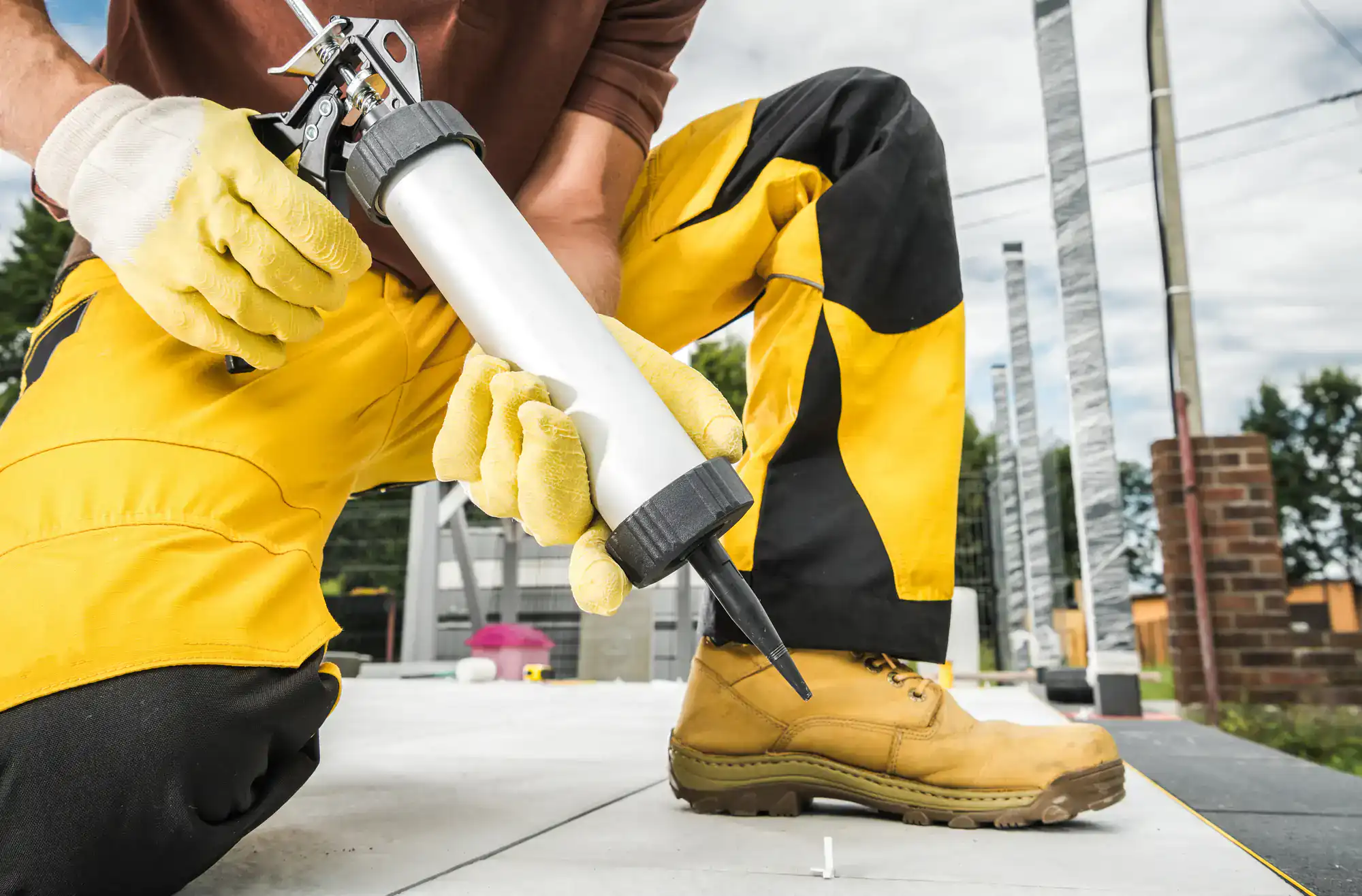
Commercial Concrete Sealing Gulf Stream
When your concrete is properly sealed, you’re not dealing with moisture problems, mold growth, or expensive repairs down the road. Your floors become easier to clean, safer to walk on, and they maintain their professional appearance even in Gulf Stream’s challenging climate.
Sealed concrete means no more worrying about spills soaking in or humidity causing surface damage. You get a durable, low-maintenance surface that handles daily operations without the headaches of constant upkeep or premature replacement.
The result is floors that work as hard as you do, protecting your investment while keeping your facility looking sharp and operating safely.
Gulf Stream Flooring Services Contractor
We understand what Gulf Stream’s coastal humidity does to concrete floors. We’ve seen the moisture damage, the premature coating failures, and the costly repairs that happen when floors aren’t properly protected from day one.
Our team specializes in concrete sealing solutions designed specifically for South Florida’s demanding climate. We use moisture-resistant systems that work with your concrete, not against it, ensuring long-term protection that actually lasts.
When you’re dealing with Gulf Stream’s year-round humidity levels of 70-75%, you need contractors who understand the science behind moisture control and have the experience to get it right the first time.

Concrete Sealing Process Gulf Stream
First, we assess your concrete’s current condition and test for moisture levels using professional-grade equipment. This tells us exactly what type of sealing system your floors need to handle Gulf Stream’s specific challenges.
Next, we prepare the surface through diamond grinding or shot-blasting, removing any contaminants and creating the proper texture for maximum sealer adhesion. This prep work is critical in humid climates where shortcuts lead to early failure.
Finally, we apply the appropriate sealing system—whether it’s a penetrating sealer that strengthens from within or a topical coating that creates a protective barrier. The sealer cures to form a durable surface that repels moisture, resists stains, and stands up to daily wear while maintaining easy cleanup.
Ready to get started?
Moisture Control Floors Gulf Stream FL
Your concrete sealing service includes complete moisture testing, proper surface preparation, and application of commercial-grade sealers designed for Gulf Stream’s coastal environment. We don’t use one-size-fits-all solutions because your floors face unique challenges.
In Gulf Stream, where humidity regularly hits 75% and salt air accelerates deterioration, standard sealers often fail within months. That’s why we use moisture-tolerant systems specifically engineered for Florida’s climate—sealers that bond even when some vapor is present and create long-lasting protection.
You also get floors that meet commercial safety standards, resist chemical damage, and provide the slip-resistance needed for safe operations. The sealed surface makes routine maintenance simple while protecting against the mold growth and structural damage that unsealed concrete inevitably develops in this climate.
How long does concrete sealing last in Gulf Stream’s humid climate?
In Gulf Stream’s challenging environment, properly applied commercial-grade sealers typically last 5-10 years, depending on traffic levels and the specific system used. Penetrating sealers often provide the longest protection, up to 10 years in low-abrasion environments, because they strengthen the concrete from within rather than just coating the surface.
The key is using moisture-tolerant systems designed for Florida’s climate. Standard sealers that work fine in dry climates often fail within 1-2 years here due to constant humidity and temperature fluctuations. We use specialized formulations that bond effectively even with some moisture present, ensuring your investment provides the long-term protection you’re paying for.
Regular maintenance like cleaning and occasional spot repairs will help maximize your sealer’s lifespan, but quality systems should handle Gulf Stream’s humidity without premature failure.
What happens if I don’t seal my concrete floors in this climate?
Unsealed concrete in Gulf Stream’s humid environment becomes a maintenance nightmare. The porous concrete absorbs moisture constantly, leading to mold growth, surface deterioration, and structural weakening over time. You’ll see efflorescence (white salt deposits), surface discoloration, and eventually cracking as moisture cycles through the concrete.
Beyond appearance issues, unsealed floors create safety hazards. They become slippery when wet, trap dirt and contaminants that are difficult to clean, and can harbor bacteria and pathogens in commercial settings. The concrete also becomes more susceptible to chemical damage from cleaning products and operational spills.
The financial impact adds up quickly. What starts as minor surface issues turns into expensive repairs, premature replacement, and ongoing maintenance costs that far exceed the initial investment in proper sealing. In Gulf Stream’s climate, sealing isn’t optional—it’s essential protection for your flooring investment.
Can you seal concrete that already shows moisture damage?
Yes, but the existing damage needs to be properly addressed first. We start with comprehensive moisture testing to determine the extent of the problem and identify the moisture source. Surface issues like minor discoloration or efflorescence can often be corrected through proper cleaning and preparation.
For concrete showing signs of mold, significant staining, or structural issues, we may need to perform restoration work before sealing. This might include grinding away damaged surface material, treating mold contamination, or addressing underlying moisture problems like failed vapor barriers.
The good news is that even previously damaged concrete can be restored and protected with the right approach. We use specialized preparation techniques and moisture-tolerant sealers that can bond effectively to concrete that’s been compromised by Gulf Stream’s humid conditions. The key is thorough preparation and using systems designed specifically for challenging environments like yours.
How do I know if my concrete floors need sealing?
Several signs indicate your Gulf Stream concrete needs sealing. Look for surface dusting where concrete powder comes off when you walk on it, water absorption when spills soak in rather than beading up, or visible staining from liquids that have penetrated the surface. Musty odors often indicate moisture infiltration and potential mold growth within the concrete.
In Gulf Stream’s climate, you might also notice “sweating slab syndrome” where moisture appears on the surface like condensation, especially during temperature changes. Efflorescence—those white, chalky deposits—is another clear sign that moisture is moving through your concrete and bringing salts to the surface.
Even without obvious damage, concrete in humid environments should be sealed proactively. If your floors are more than a year old and have never been sealed, or if existing sealers are showing wear, it’s time for professional evaluation. Waiting until damage is visible means you’re already dealing with more expensive repairs instead of preventive protection.
What’s the difference between topical and penetrating concrete sealers?
Penetrating sealers soak into the concrete and chemically react to strengthen and seal from within, while topical sealers form a protective film on the surface. For Gulf Stream’s humid climate, penetrating sealers often provide better long-term protection because they don’t rely on surface adhesion that can fail in moisture-rich environments.
Penetrating sealers maintain the concrete’s natural appearance and breathability while providing excellent protection against water and freeze-thaw damage. They won’t peel or flake like surface coatings can, making them ideal for areas where maintaining the natural concrete look is important and long-term durability is the priority.
Topical sealers offer more aesthetic options and can provide enhanced chemical resistance, but they require more maintenance in humid climates. The choice depends on your specific needs, traffic levels, and performance requirements. We evaluate your situation to recommend the system that provides the best long-term value for your Gulf Stream facility.
How soon after concrete is poured should it be sealed?
Freshly poured concrete needs 28 days to fully cure before most sealers can be applied. However, some specialized “cure and seal” products are designed for concrete that’s 2-28 days old. The timing is critical because sealing too early can trap moisture and prevent proper curing, while waiting too long allows contamination and moisture infiltration.
In Gulf Stream’s humid environment, timing becomes even more important. The constant moisture in the air means unsealed concrete starts absorbing humidity immediately, potentially leading to surface problems within weeks. We recommend sealing within the first year after installation for optimal protection.
For existing concrete that’s never been sealed, there’s no “too late” scenario—older concrete can still benefit significantly from sealing. We clean and prepare the surface thoroughly, ensure it’s completely dry, and apply appropriate sealers to provide the protection your floors should have had from the beginning. The key is proper preparation and using systems designed for your specific concrete condition and environment.
Other Services we provide in Gulf Stream