


Concrete Sealing in North Palm Beach, FL
Concrete That Actually Stays Protected
Hear from Our Customers
Professional Concrete Sealing North Palm Beach
You get concrete that doesn’t sweat, crack, or fail when the humidity hits. No more watching moisture creep through your floors during Florida’s wet season. No more worrying about mold growing under your flooring materials.
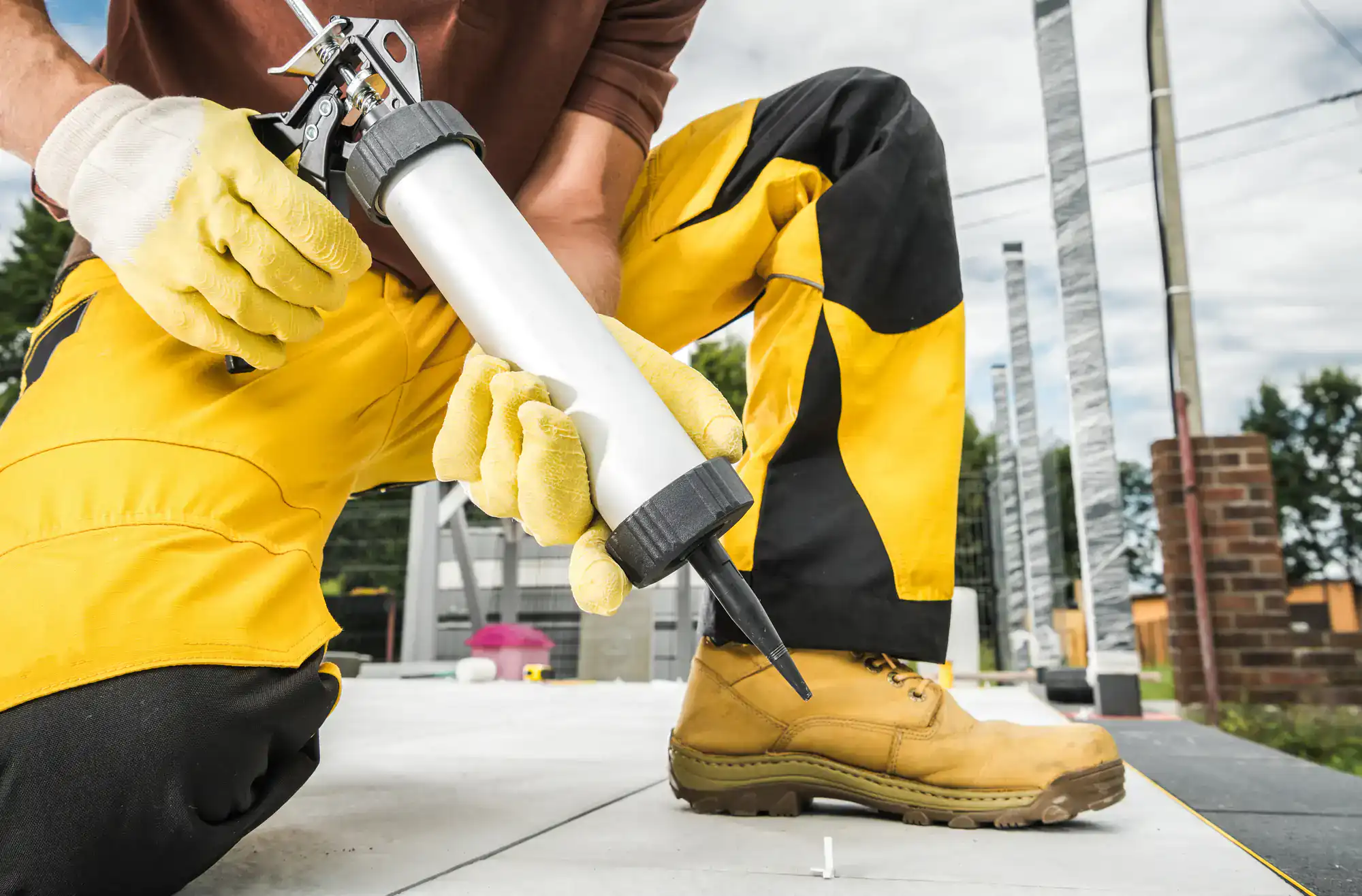
Our sealing process creates an impermeable barrier that stops water vapor from rising through your concrete. Your floors stay dry, your investments stay protected, and you avoid the headache of dealing with failed coatings that peel and bubble within months.
This isn’t about putting a Band-Aid on concrete problems. It’s about solving them permanently so you can focus on running your business instead of managing floor failures.
Concrete Contractors North Palm Beach FL
We’ve been handling concrete sealing in North Palm Beach and surrounding areas, specializing in flooring services that work in coastal environments. We understand what Florida’s climate does to concrete and how to stop it.
Most contractors treat concrete sealing like it’s the same everywhere. It’s not. North Palm Beach sits in a coastal environment where humidity levels hit 76%, salt air accelerates deterioration, and temperature swings stress materials beyond normal limits.
As a commercial flooring contractor, we use sealing systems specifically designed for coastal conditions. Our approach accounts for the unique challenges that make one-third of improperly sealed floors fail within 18 months in South Florida.

Concrete Sealing Process North Palm Beach
First, we test your concrete’s moisture levels using digital sensors and assess the surface condition. Florida concrete needs specific preparation because humidity affects how sealers bond and cure. We measure vapor emission rates and check for salt contamination common in North Palm Beach.
Next, we clean and prepare the surface properly. This means removing contaminants, addressing any existing moisture issues, and etching when necessary to ensure maximum sealer penetration. We don’t skip this step because proper prep is what separates long-lasting flooring solutions from quick failures.
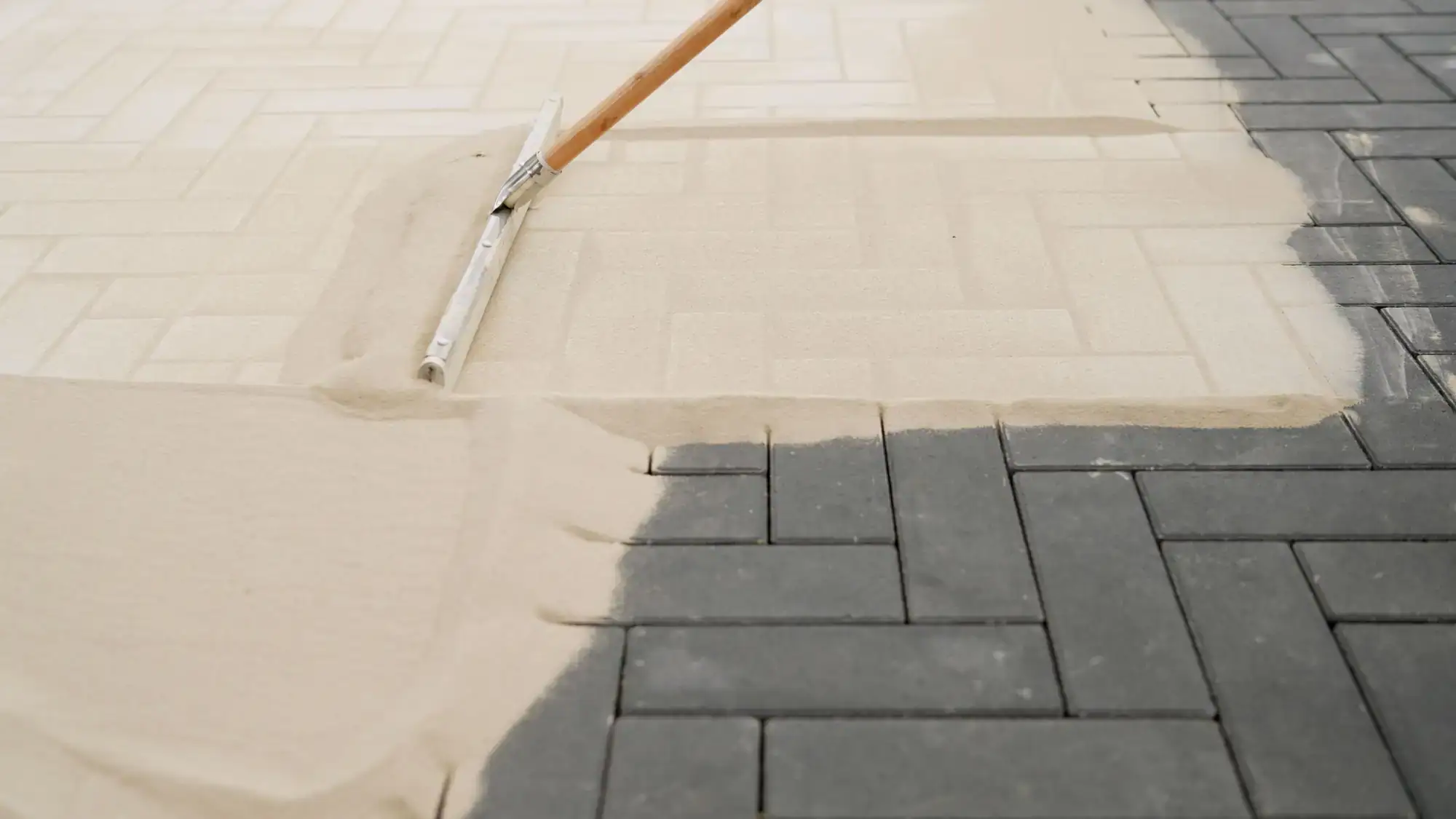
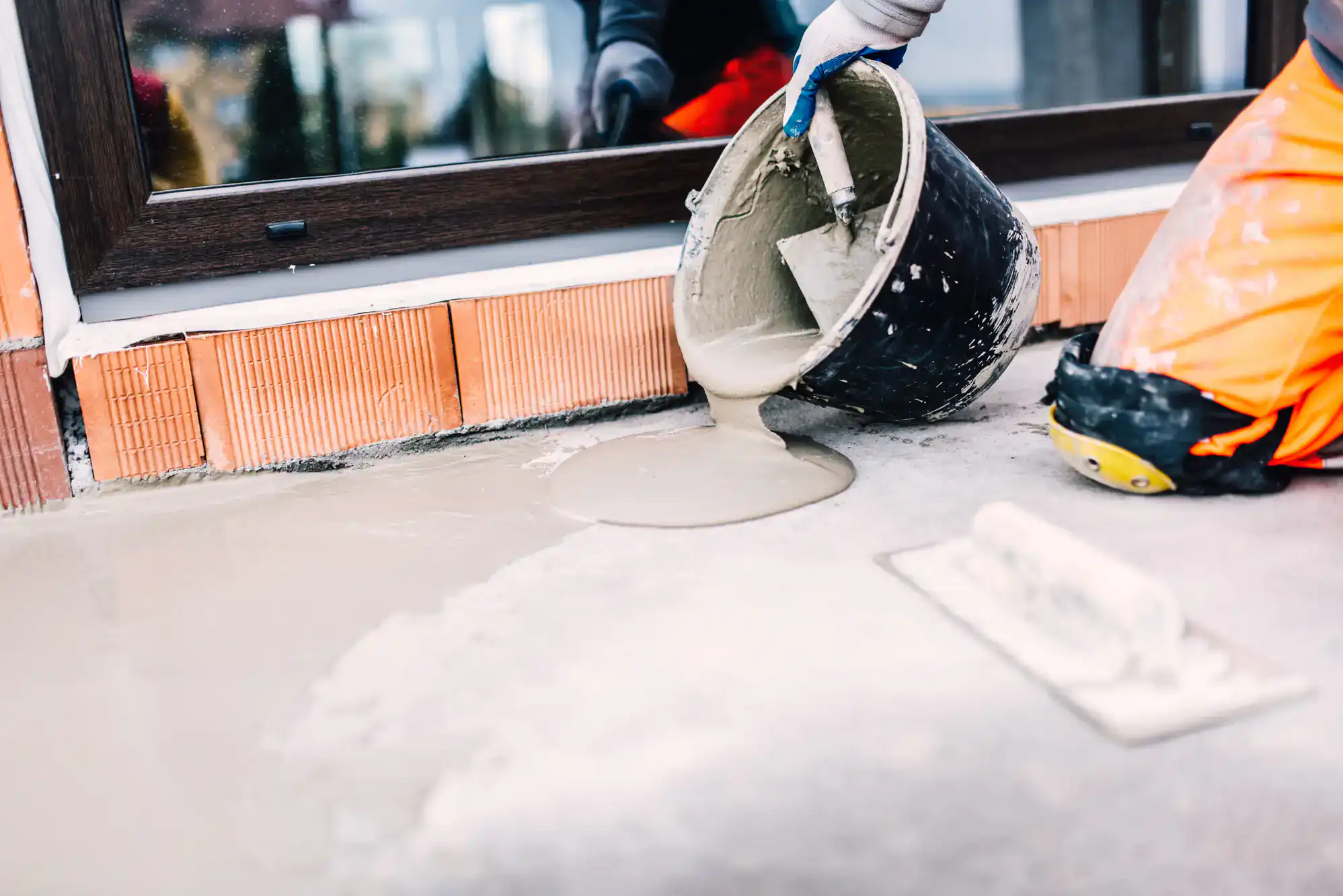
Then we apply the sealing system using materials designed for coastal environments. We monitor environmental conditions during application because timing matters when you’re dealing with Florida’s climate. The sealer penetrates deep into the concrete, creating a permanent moisture control barrier.
Finally, we verify the seal is complete and provide you with maintenance guidelines to keep your floors protected long-term.
Ready to get started?
Moisture Control Flooring North Palm Beach
You get concrete sealing that’s engineered for North Palm Beach’s specific climate challenges. We use penetrating sealers that bond chemically with your concrete and two-part polyurethane systems that reduce peeling risks by 70% compared to standard options.
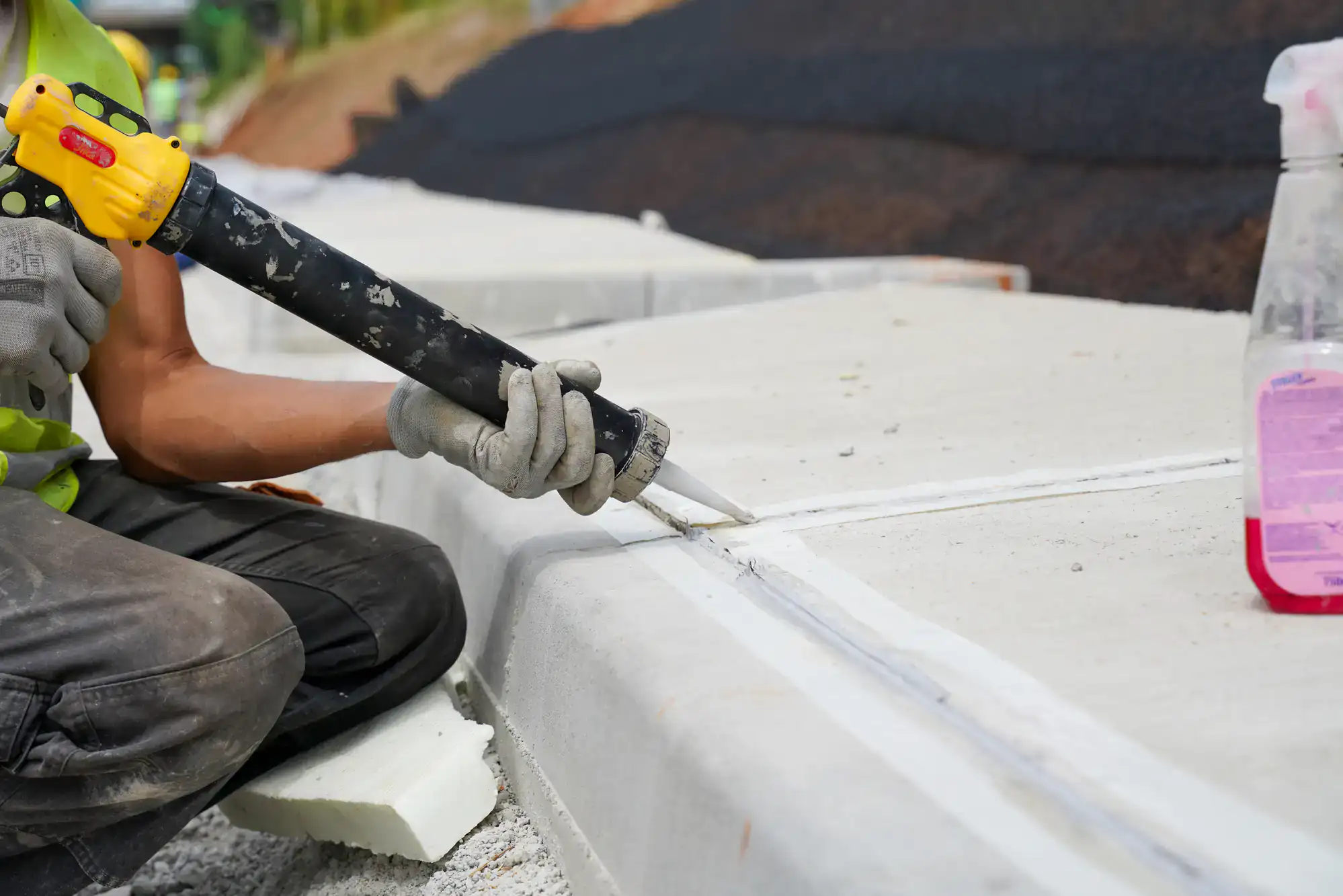
Our flooring services include comprehensive moisture testing, surface preparation, climate-controlled application when needed, and post-application verification. We don’t just spray and leave – we ensure the sealing system performs as intended in your specific environment.
North Palm Beach properties face unique challenges from salt air, high humidity averaging 76%, and temperature fluctuations. Our moisture control floors are designed specifically to handle these conditions, preventing the adhesion failures and coating problems that plague improperly sealed concrete in coastal areas.
You also get guidance on maintenance schedules and what warning signs to watch for so your long-lasting flooring solutions continue performing year after year without costly repairs.
How long does concrete sealing last in North Palm Beach’s climate?
Properly applied concrete sealing in North Palm Beach typically lasts 7+ years with minimal maintenance when using appropriate materials for coastal conditions. The key is using sealing systems designed specifically for high-humidity, salt-air environments rather than generic sealers.
Standard sealers often fail within 18 months in South Florida because they can’t handle moisture levels that are 20% higher than other U.S. regions. We use penetrating sealers that bond chemically with the concrete and advanced polymer systems that adapt to temperature changes without cracking.
The longevity depends heavily on proper surface preparation, environmental conditions during application, and using materials rated for coastal exposure. That’s why we test moisture levels first and monitor conditions during installation to ensure optimal curing.
Will sealing my concrete floor reduce humidity problems in my building?
Yes, sealing your concrete floor will significantly reduce humidity problems caused by moisture rising through the concrete. Concrete acts like a sponge, absorbing water from the ground and releasing it as vapor into your building – this process accelerates in Florida’s climate.
Unsealed concrete allows moisture to continuously migrate upward, contributing to indoor humidity levels and creating conditions for mold growth. Our sealing process creates an impermeable barrier that stops this moisture transmission, often reducing indoor humidity by measurable amounts.
However, sealing addresses moisture coming through the concrete itself. If you have other humidity sources like poor ventilation or leaks, those need separate attention. But eliminating moisture intrusion through your concrete floors makes a substantial difference in overall humidity control and prevents the musty odors common in Florida buildings.
What happens if concrete sealing fails in Florida’s humid climate?
When concrete sealing fails in Florida, you typically see bubbling, peeling, or cloudy discoloration within weeks to months. The trapped moisture underneath pushes coatings upward, and repair costs average $4.50 per square foot – often exceeding the original installation price.
Failed sealing also exposes your concrete to ongoing moisture damage, leading to cracks, structural issues, and mold growth under flooring materials. In commercial settings, this can mean costly business disruptions, complete floor replacements, and potential health code violations.
The main causes of sealing failure here are using inappropriate materials for the climate, improper surface preparation, or applying sealers during unsuitable weather conditions. That’s why we use climate-specific protocols, materials rated for 76% humidity levels, and environmental monitoring during application.
Can you seal concrete that already has moisture problems?
We can seal concrete with existing moisture issues, but we need to address the moisture source first. Simply sealing over moisture problems often makes things worse by trapping water and creating pressure that leads to more serious structural damage.
Our process starts with comprehensive moisture testing to determine vapor emission rates and identify where the moisture is coming from. If it’s groundwater infiltration or inadequate vapor barriers, we may need to implement drainage solutions or specialized moisture mitigation systems before sealing.
For concrete with minor moisture issues, we can use specialized primers and sealing systems designed to handle higher moisture levels. But we’re upfront about what sealing can and can’t fix – addressing underlying problems properly prevents costly failures down the road.
How do you prepare concrete for sealing in North Palm Beach?
Preparation for concrete sealing in North Palm Beach requires addressing the specific contaminants and conditions common in coastal environments. We start by cleaning the surface to remove salt residue, organic growth, and any existing coatings or sealers that could interfere with adhesion.
Next, we test for moisture content and pH levels because Florida’s climate affects both. High humidity can prevent proper sealer penetration, and salt exposure can alter concrete chemistry. We often need to etch the surface using muriatic acid to open the pores for maximum sealer absorption.
We also check for cracks, spalling, or other damage that needs repair before sealing. Any structural issues get addressed first because sealing won’t fix underlying concrete problems. The goal is creating a clean, stable surface that allows the sealer to penetrate properly and bond effectively despite North Palm Beach’s challenging environmental conditions.
What’s the difference between sealing concrete indoors versus outdoors in Florida?
Indoor concrete sealing in Florida focuses primarily on moisture vapor control and creating barriers against humidity infiltration from below. Outdoor concrete sealing must also protect against UV exposure, salt air, thermal cycling, and direct weather exposure that’s particularly intense in coastal areas.
Indoor applications typically use penetrating sealers that don’t alter appearance but provide excellent moisture protection. Outdoor applications require more robust systems that can handle thermal expansion from Florida’s temperature swings, UV degradation from intense sun, and surface wear from weather and traffic.
The application timing also differs significantly. Indoor sealing can be more controlled, while outdoor sealing requires careful attention to weather conditions, humidity levels, and temperature swings. We often use climate-controlled tents for outdoor applications to ensure proper curing in Florida’s unpredictable weather patterns.
Other Services we provide in North Palm Beach