


Concrete Sealing in Princeton, FL
Concrete That Actually Stays Protected
Hear from Our Customers
Princeton Commercial Flooring Solutions
You’re tired of concrete that absorbs everything – oil stains, water damage, mold growth. You’re tired of pressure washing that barely works and repairs that don’t last.
Here’s what changes when your concrete is properly sealed: Water beads up instead of soaking in. Oil spills wipe away instead of becoming permanent stains. Mold and mildew can’t take hold because there’s nowhere for moisture to hide.
Your maintenance schedule shrinks from monthly headaches to maybe once every few years. Your concrete actually looks professional instead of constantly weathered and stained.
Princeton Concrete Sealing Experts
We’ve been solving concrete problems in Princeton and throughout Florida for years. We understand what Florida’s intense UV exposure, humidity, and sudden storms do to unsealed concrete.
Most contractors use standard sealers that fail within two years under Florida conditions. We use UV-resistant, penetrating sealers specifically designed for our climate – the kind that actually last.
We’re not the cheapest option in Princeton, and that’s intentional. You’re investing in fewer repairs, less maintenance, and concrete that performs like it should.

Professional Concrete Sealing Process
First, we test your concrete’s moisture levels. This isn’t optional – sealing over trapped moisture creates expensive failures that require complete stripping and re-application.
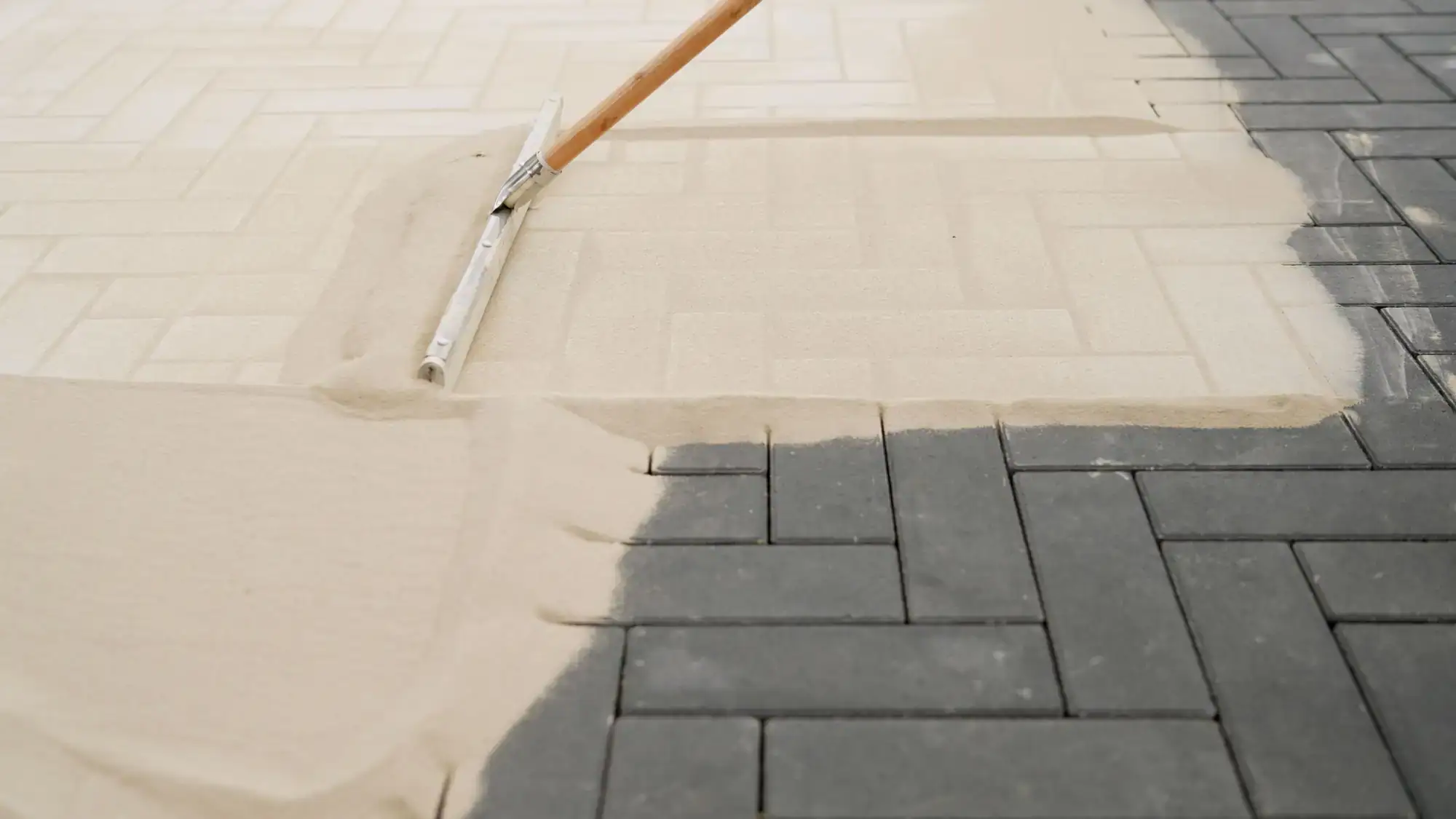
Next, we deep-clean your concrete using commercial-grade equipment and cleaners. Surface dirt and existing stains get lifted out, not sealed in. This preparation step determines how well your sealer bonds and how long it lasts.
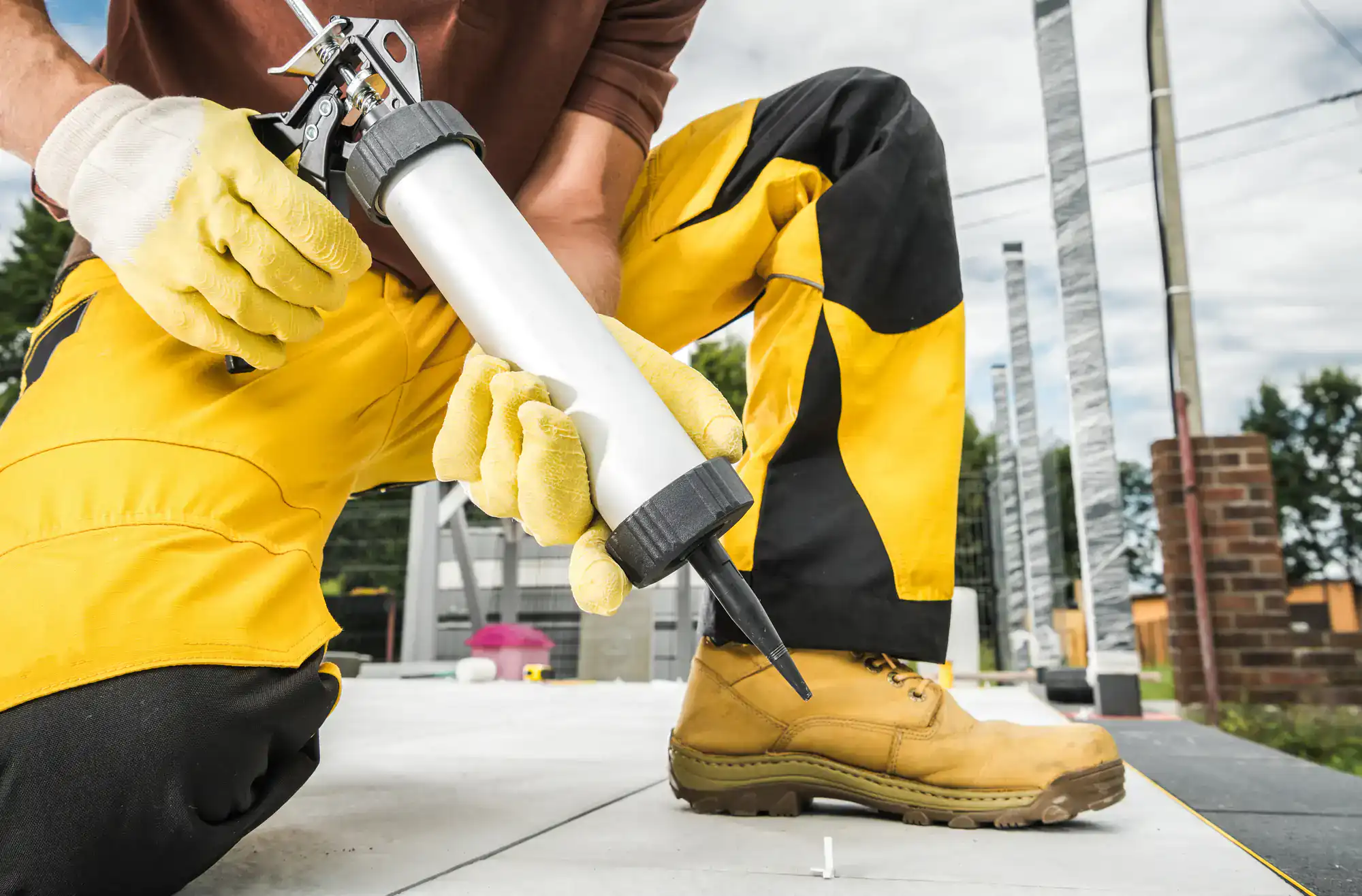
Finally, we apply our penetrating sealer system. It soaks up to 1/4 inch deep, creating permanent chemical bonds with your concrete. The result is a hydrophobic barrier that repels water while allowing vapor to escape – no trapped moisture, no peeling, no failures.
The entire process takes one day from start to finish. You can walk on it within hours, and it continues hardening for up to 48 hours.
Ready to get started?
Princeton Moisture Control Systems
Your sealed concrete becomes 30% stronger and significantly more resistant to cracking and chipping. Liquids that used to soak in and stain – oils, chemicals, battery acid, fertilizer runoff – now bead up for easy cleanup.
In Princeton’s humid climate, this matters more than most places. Unsealed concrete becomes a breeding ground for mold and mildew, especially in shaded areas or where water tends to collect. Our sealing system stops this cycle completely.
You also get slip-resistant protection. Many sealers make concrete dangerously slippery when wet – ours maintains traction while providing full moisture protection.
The UV resistance is crucial here in Florida. While standard sealers break down under our intense sun within 1-2 years, our system maintains its protective properties for years longer, saving you money and hassle.
How long does concrete sealing last in Princeton’s climate?
With our UV-resistant sealing system, you can expect 2-4 years of solid protection before needing maintenance. This is significantly longer than standard sealers that typically fail within 1-2 years under Florida’s harsh conditions.
The lifespan depends on traffic levels, exposure to chemicals, and how well the concrete was prepared before sealing. We factor in all these variables during our assessment to give you realistic expectations.
Most importantly, our sealer is renewable. When it’s time for maintenance, we don’t need to strip everything down to bare concrete – we can refresh the existing system at a fraction of the original cost.
What happens if moisture gets trapped under the sealer?
Trapped moisture is one of the most expensive concrete sealing failures. It causes the sealer to turn white or yellow and eventually peel off, requiring costly stripping at around $4 per square foot before re-application.
That’s why we moisture-test every job before sealing. Our testing equipment tells us exactly when your concrete is ready for sealing and when it’s not. We won’t seal concrete that isn’t properly prepared – it’s not worth the risk to either of us.
Our penetrating sealer system also allows vapor transmission, so any minor moisture that does get in can escape naturally instead of getting trapped and causing problems.
Can you seal concrete that’s already stained or damaged?
Yes, but the preparation process is crucial. We use commercial-grade pressure washing equipment combined with specialized cleaners to lift existing stains before sealing.
Oil stains, rust marks, and organic growth can often be significantly reduced or eliminated during our cleaning process. However, we’ll be honest about what’s realistic – some deep stains may lighten but not disappear completely.
Minor surface damage like small cracks or chips can actually be improved by our sealing process, as the sealer increases concrete strength by up to 30%. For major damage, we’ll recommend repairs before sealing to ensure the best long-term results.
Is sealed concrete slippery when wet?
Not with our system. We specifically use slip-resistant sealers when there’s any concern about wet-weather traction. This is especially important for areas like walkways, pool decks, and commercial entrances.
Many cheaper sealers do create slippery surfaces when wet, which creates liability issues for businesses and safety concerns for homeowners. Our products maintain traction while providing complete moisture protection.
We evaluate each project individually and recommend the appropriate sealer type based on the location, expected traffic, and safety requirements. Your safety is never compromised for the sake of protection.
How much does professional concrete sealing cost in Princeton?
Costs vary based on concrete condition, square footage, and the specific sealing system needed. Generally, professional sealing is a fraction of what you’d spend on concrete replacement or ongoing maintenance over time.
Consider that pressure washing and stain removal can cost $200-500 annually for a typical driveway, while our sealing system eliminates most of that maintenance for years. The math works in your favor pretty quickly.
We provide detailed estimates that break down preparation work, materials, and labor so you understand exactly what you’re getting. No surprises, no hidden costs – just straightforward pricing for professional work.
Why not just use a DIY concrete sealer from the hardware store?
DIY sealers aren’t designed for Florida’s extreme conditions. Most fail within a year under our UV exposure and humidity levels, leaving you with peeling, discolored concrete that looks worse than when you started.
Professional-grade sealers require specific application techniques, proper surface preparation, and moisture testing that most homeowners don’t have access to. Mistakes in any of these areas lead to expensive failures.
The bigger issue is that removing a failed DIY sealer often costs more than professional sealing would have cost originally. We see this regularly – homeowners trying to save money upfront, then spending significantly more to fix the problems later.
Other Services we provide in Princeton