


Concrete Sealing in Fountainebleau, FL
Stop Moisture Before It Stops You
Hear from Our Customers
Professional Concrete Protection Fountainebleau
You know what happens to unsealed concrete in Florida. The humidity creeps in, the moisture builds up, and suddenly you’re dealing with cracks, mold, and flooring that’s falling apart faster than you can fix it.
Our concrete sealing creates an impermeable barrier that blocks moisture, chemicals, and the kind of wear that turns maintenance into a never-ending expense. Your floors stay intact, your operations stay running, and you stop throwing money at problems that shouldn’t exist in the first place.
This isn’t about making concrete look pretty—it’s about making it last. When you seal with the right materials and the right process, you’re looking at protection that can extend your concrete’s life by years, not months.
Concrete Sealing Contractors Fountainebleau
We’ve been handling concrete sealing and epoxy flooring across South Florida for years, and we’ve seen what works and what doesn’t in this climate. Fountainebleau’s humidity and temperature swings demand more than basic sealing—they require systems that can handle the real conditions your floors face every day.
We’ve sealed everything from small residential garages to massive industrial facilities, and the approach is always the same: understand what you’re dealing with, use the right materials, and do the work correctly the first time. No shortcuts, no guesswork.
When you work with contractors who actually know Florida’s climate challenges, you get results that last. That’s what we deliver in Fountainebleau and throughout the region.

Concrete Sealing Process Fountainebleau
The process starts with understanding what we’re working with. We test moisture levels, assess the concrete condition, and identify any existing damage that needs attention before sealing begins.
Surface preparation is where most companies cut corners, and it’s where jobs fail. We clean thoroughly, repair cracks and surface damage, and ensure the concrete is ready to accept the sealer. This isn’t optional—it’s the foundation of everything that comes after.
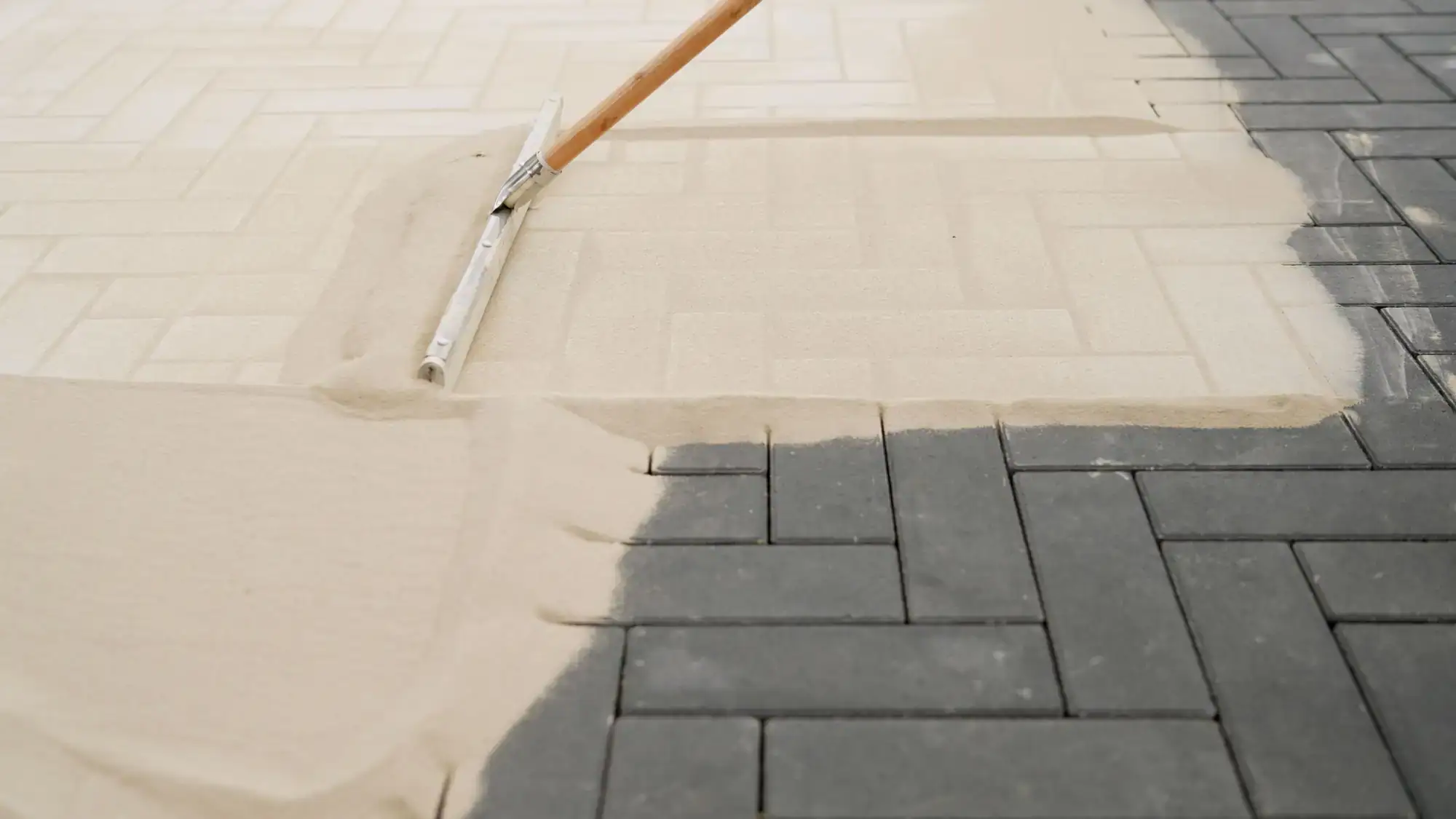
We apply the sealer using methods that ensure proper penetration and coverage. Different areas of your property might need different approaches, and we adjust accordingly. The goal is complete protection, not just coverage.
After application, we verify the seal is working correctly and provide you with maintenance guidelines that actually make sense for Florida conditions. You’ll know what to expect and how to keep your investment protected.
Ready to get started?
Moisture Control Flooring Fountainebleau
Our concrete sealing service includes complete moisture testing, surface preparation, crack repair, and application of industrial-grade sealers designed for Florida’s climate. You’re not getting a basic coating—you’re getting a system that addresses the specific challenges concrete faces in Fountainebleau.
The sealers we use create barriers that resist moisture, chemicals, and UV damage while allowing the concrete to breathe properly. This prevents the trapped moisture issues that cause so many sealing jobs to fail within a year or two.
For Fountainebleau properties, this means protection against the high humidity that drives mold growth, the temperature swings that cause cracking, and the occasional freeze events that can damage unsealed concrete overnight. Your floors get comprehensive protection that actually works in real-world conditions.
We also provide clear timelines, cleanup, and follow-up support so you know exactly what you’re getting and when.
How long does concrete sealing last in Fountainebleau’s climate?
With proper application and quality materials, concrete sealing should last 3-5 years in Fountainebleau, though high-traffic areas might need attention sooner. The key is using sealers that can handle Florida’s humidity and UV exposure rather than generic products that break down quickly.
Many sealers fail within 1-2 years because they’re not designed for Florida conditions. We use systems that resist moisture penetration, UV degradation, and the thermal cycling that comes with our climate.
The lifespan also depends on traffic, maintenance, and the condition of the concrete when sealed. Starting with proper surface preparation and using the right sealer for your specific application gives you the longest protection possible.
Can you seal concrete that already has moisture problems?
We can address moisture issues, but the approach depends on what’s causing the problem. Surface moisture from humidity can be managed with proper sealing, but groundwater or vapor pressure issues require different solutions.
Before any sealing work, we test moisture levels and identify the source. If it’s coming from below the slab, we might need to address vapor barriers or drainage before sealing can be effective.
Trying to seal over existing moisture problems usually makes things worse by trapping water inside the concrete. We’ll tell you honestly what can be fixed with sealing and what needs other solutions first.
What’s the difference between penetrating and surface sealers?
Penetrating sealers soak into the concrete and create protection from within, while surface sealers form a coating on top. For Florida conditions, penetrating sealers often perform better because they don’t create a film that can peel or wear off.
Surface sealers can provide excellent protection for indoor applications or decorative concrete, but they require more maintenance in outdoor environments. They’re also more susceptible to UV damage and moisture issues.
The choice depends on your specific application, traffic levels, and maintenance preferences. We’ll recommend the approach that makes the most sense for your situation and explain why.
How do you prepare concrete for sealing?
Preparation starts with thorough cleaning to remove dirt, oil, existing coatings, and any contaminants that would prevent proper adhesion. We use mechanical cleaning methods when necessary to get down to sound concrete.
Any cracks, spalling, or surface damage gets repaired before sealing. This isn’t just cosmetic—damaged areas won’t seal properly and can become failure points later.
We also test for moisture and pH levels to ensure the concrete is ready for sealing. If conditions aren’t right, we wait or address the issues first. Rushing this step is how sealing jobs fail early.
What maintenance does sealed concrete need?
Sealed concrete is much easier to maintain than unsealed surfaces. Regular cleaning with mild detergents and water is usually sufficient, and the sealer prevents most stains from penetrating.
Avoid harsh chemicals or abrasive cleaning methods that can damage the sealer. For most applications, simple mopping or pressure washing handles routine maintenance.
You should inspect the sealer periodically for signs of wear or damage, especially in high-traffic areas. Addressing small issues early prevents larger problems and extends the sealer’s life.
Can concrete sealing prevent mold and mildew growth?
Yes, proper sealing significantly reduces mold and mildew growth by preventing the moisture absorption that these organisms need to thrive. This is especially important in Florida’s humid climate.
Sealed concrete doesn’t provide the damp conditions that support mold growth, and the smooth surface is easier to clean when organic matter does accumulate.
However, sealing works best as prevention rather than treatment. If you already have significant mold issues, those should be addressed before sealing to ensure the best long-term results.
Other Services we provide in Fountainebleau