


Self-Leveling Concrete in Eden, FL
Perfect Floors in 48 Hours
Hear from Our Customers
Professional Concrete Floor Contractor Eden
You’re dealing with floors that won’t accept tile properly. Or vinyl that bubbles because the surface isn’t flat. Maybe equipment that rocks because your concrete has settled unevenly.
Self-leveling concrete fixes all of this. Your floors become perfectly flat and smooth, ready for any finish material you choose. No more failed installations because the subfloor wasn’t right.
The best part? You can walk on it in hours, not days. Most finish materials can go down in 48 hours, which means your project stays on schedule instead of waiting weeks for traditional concrete to cure.
Eden Industrial Flooring Solutions
We’ve been serving Eden and South Florida since 2020, but our team brings decades of experience to every project. We’ve worked with everyone from the US Coast Guard to local high schools, handling projects that demand precision.
Florida’s soil conditions create unique challenges. Concrete settles, shifts, and develops problems that generic solutions can’t handle. We understand these local conditions because we work with them every day.
When you need floors that perform in Florida’s climate and soil conditions, you need contractors who understand what works here and what doesn’t.
Self-Leveling Concrete Installation Process
First, we evaluate your existing concrete. We check for structural issues, measure the unevenness, and determine the best approach for your specific situation.
Next comes surface preparation. We grind, shot-blast, or scarify as needed to create the right profile. Any cracks or major imperfections get repaired before we proceed.
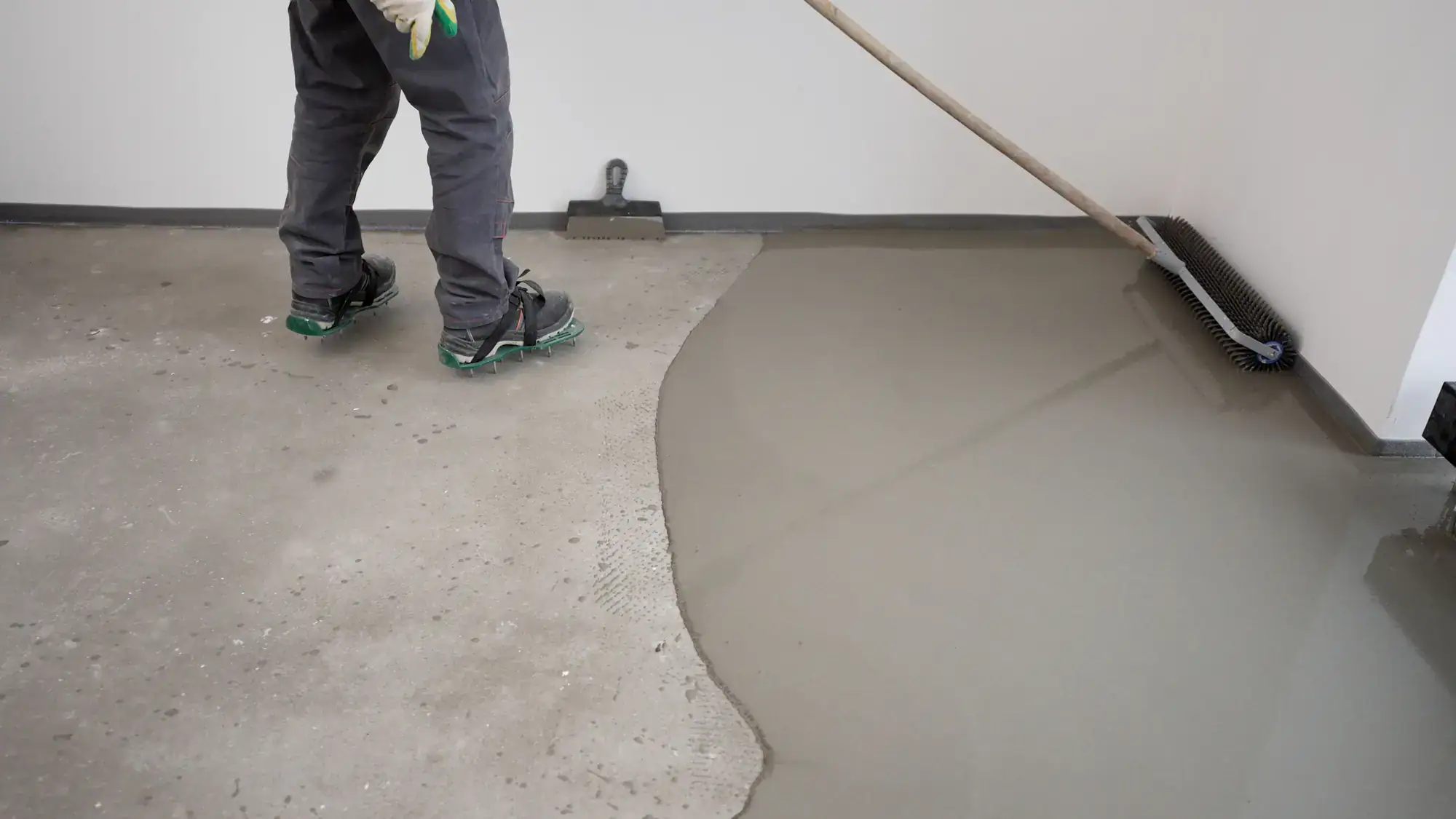
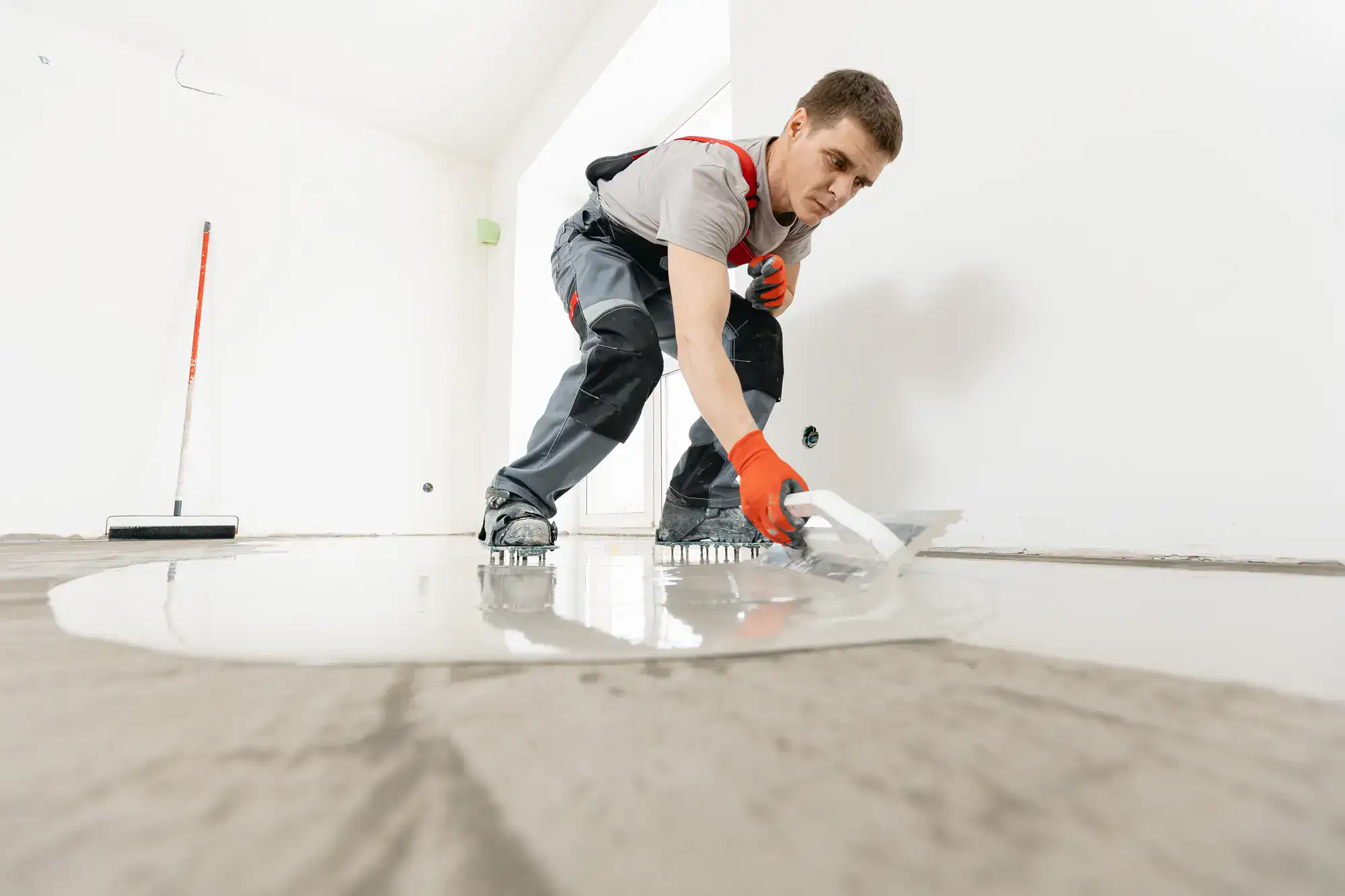
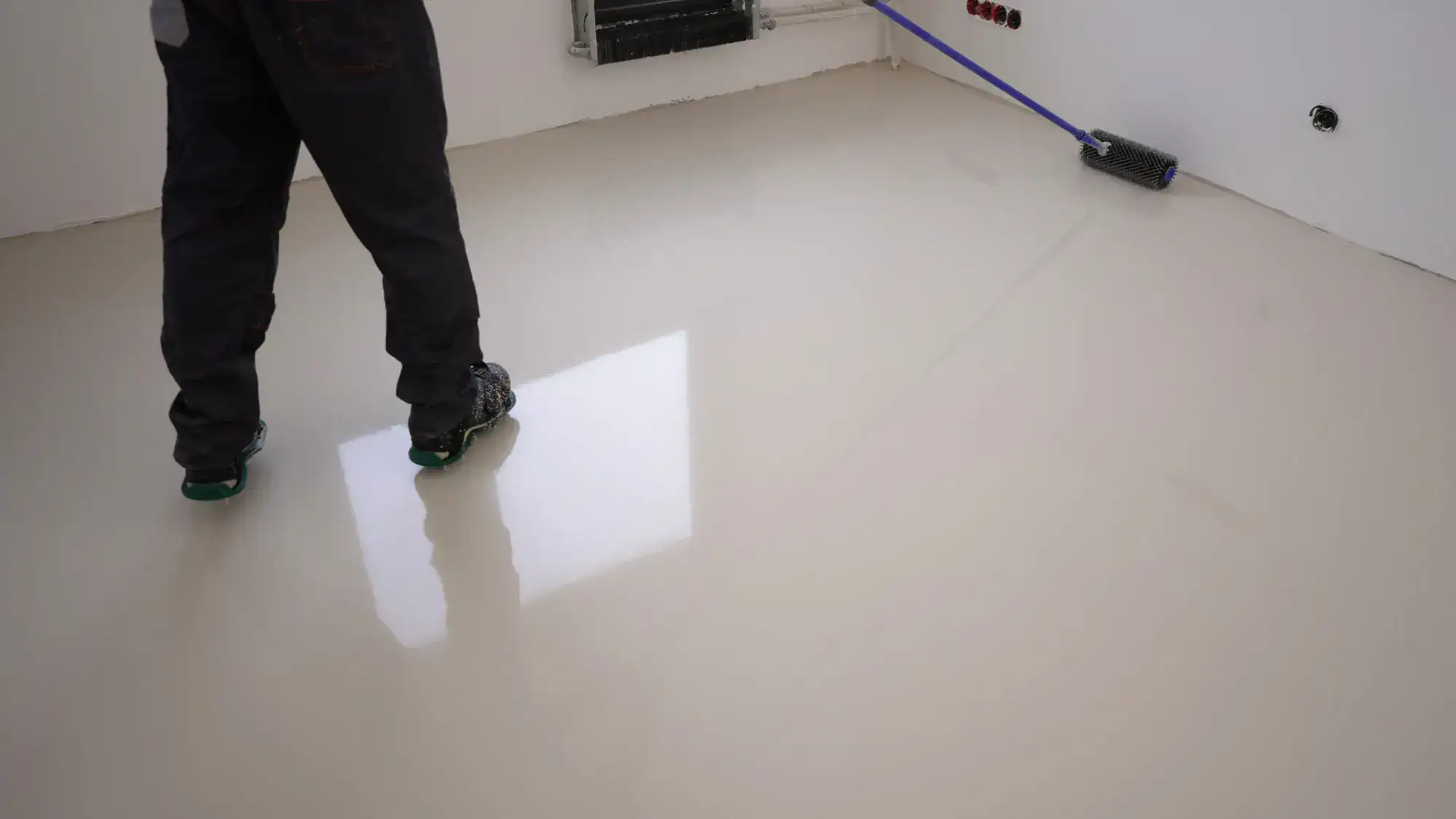
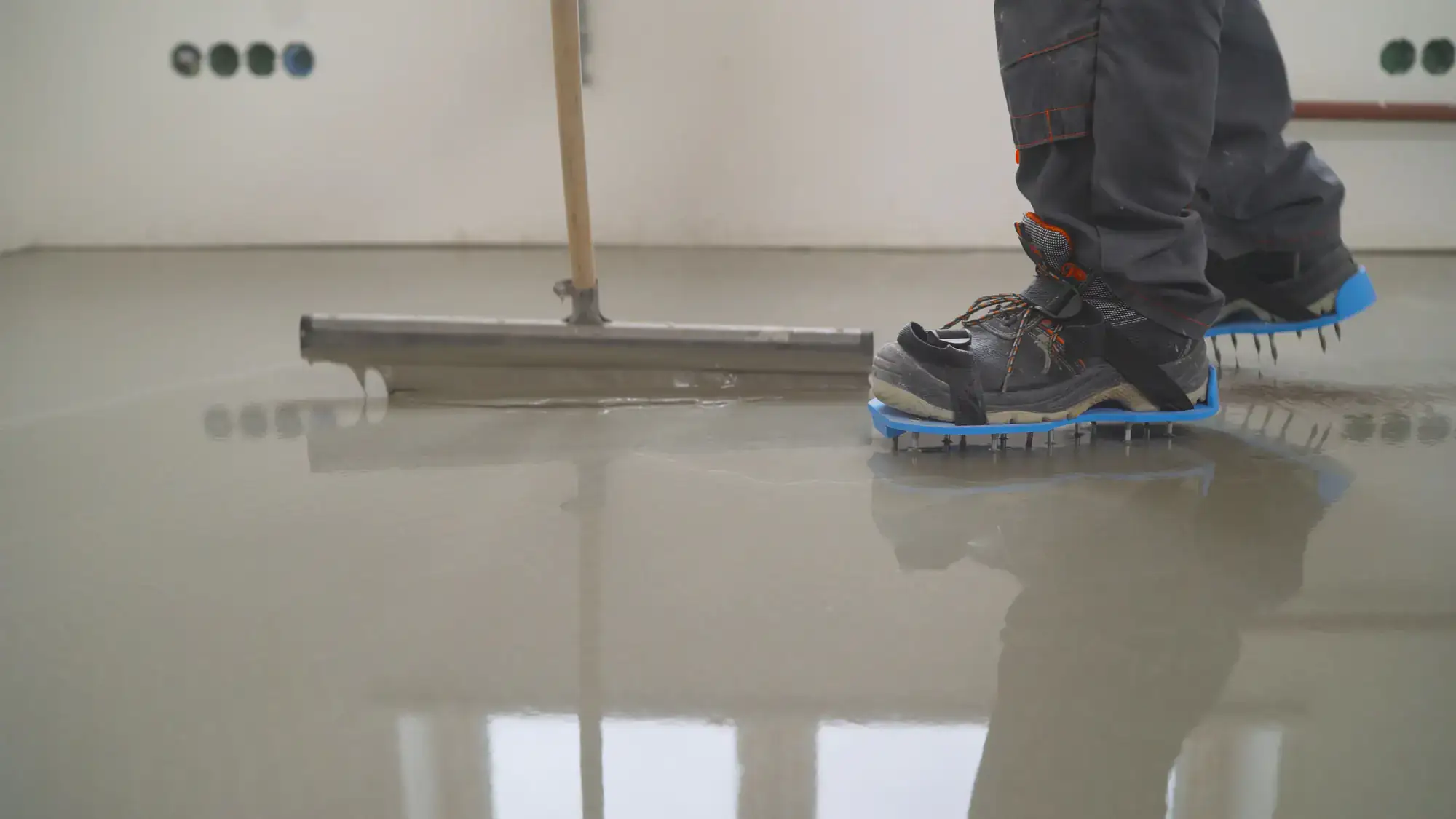
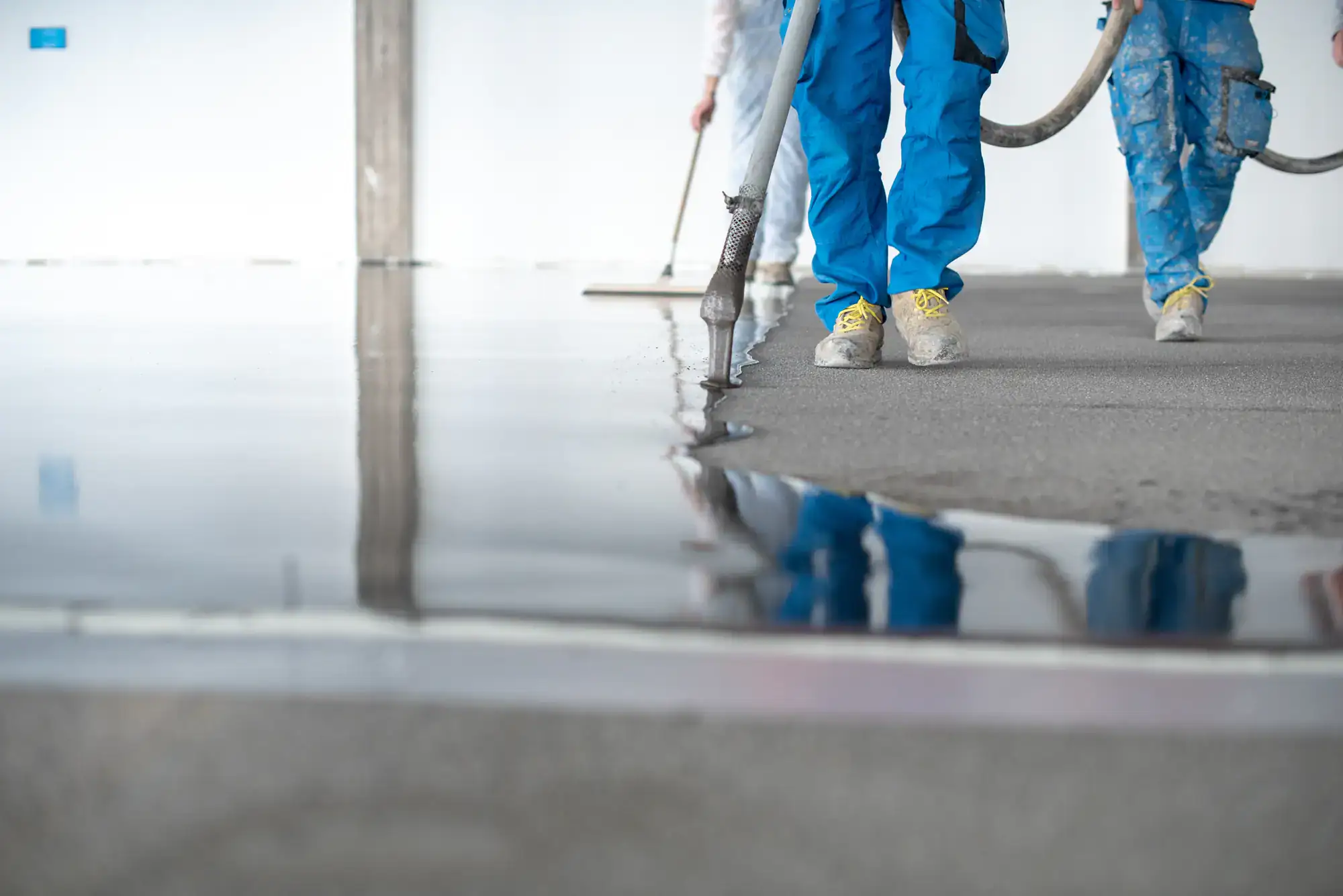
Then we mix and pour the self-leveling compound. This isn’t regular concrete – it’s a polymer-modified material that flows like liquid but cures to incredible strength. It finds its own level, filling low spots and creating a perfectly flat surface.
Within hours, you can walk on it. Within 48 hours in most cases, you can install your finish flooring. No waiting weeks for traditional concrete to cure.
Ready to get started?
Eden Commercial Floor Leveling
Our self-leveling systems handle Eden’s unique challenges. High humidity, temperature swings, and soil movement that would damage other solutions.
We use industrial-grade materials from manufacturers like Laticrete, Carboline, and Flowcrete. These aren’t consumer products – they’re engineered for commercial and industrial applications where failure isn’t an option.
The finished surface resists moisture, chemicals, and thermal shock. It won’t crack when temperatures change or degrade when exposed to cleaning chemicals. This matters in Eden’s climate where temperature and humidity variations stress inferior materials.
Whether you’re preparing for tile in a restaurant kitchen or need smooth floors for warehouse operations, the system adapts to your specific requirements.
How long before I can install flooring over self-leveling concrete?
Most finish materials can be installed within 48 hours, though this depends on thickness and environmental conditions. The surface is walkable in 3-4 hours for light foot traffic.
Thicker applications or high humidity can extend drying time, but even then, you’re looking at days, not weeks. Traditional concrete requires 28 days to reach full strength, while our self-leveling systems are ready for most applications in 1-2 days.
We’ll give you specific timing based on your project conditions and the type of finish flooring you’re installing.
Can self-leveling concrete go over my existing floor?
Yes, in most cases. Self-leveling concrete can be applied directly over concrete, wood subfloors, VCT, ceramic tile, and plywood without removing the existing surface.
The key is proper surface preparation. We evaluate the existing floor’s condition, check for loose areas or structural issues, and prepare the surface to ensure proper bonding. Some surfaces may need primer or specific preparation steps.
This saves significant time and cost compared to tearing out existing floors. You get a perfectly level surface without the demolition and disposal costs.
What thickness of self-leveling concrete do I need?
Applications typically range from 1/4 inch to 4 inches in a single pour, depending on how much leveling is required. Minor imperfections might only need 1/4 inch, while severely uneven floors could require several inches.
We measure the existing floor conditions to determine the minimum thickness needed. Thicker applications provide more leveling capability but take longer to cure and cost more material.
The goal is to use the minimum thickness that achieves the flatness requirements for your specific finish flooring. Large format tiles need flatter surfaces than carpet, for example.
Will self-leveling concrete work in high-traffic commercial areas?
Absolutely. Self-leveling concrete is actually stronger than many traditional concrete mixes because of the polymer modifications. It’s designed specifically for commercial and industrial applications.
The polymer additives increase tensile strength, chemical resistance, and durability. This makes it ideal for warehouses, retail spaces, restaurants, and other high-traffic environments where floors take constant abuse.
We’ve installed these systems in facilities that see forklift traffic, heavy foot traffic, and frequent cleaning with industrial chemicals. The floors hold up better than traditional concrete in these demanding applications.
How do you handle Florida’s humidity and temperature changes?
Florida’s climate requires specific material selection and installation techniques. We adjust our mix designs and application methods based on current temperature and humidity conditions.
High humidity can slow curing, so we account for this in project scheduling. We also use materials specifically formulated to handle thermal expansion and contraction that comes with Florida’s temperature swings.
The finished surface is designed to move slightly with temperature changes without cracking. This is critical in Eden where indoor temperatures can vary significantly, especially in warehouses or facilities without climate control.
What’s the cost difference between self-leveling concrete and floor replacement?
Self-leveling concrete typically costs 60-80% less than complete floor replacement. You’re not paying for demolition, disposal, or the extended downtime that comes with full replacement.
The exact cost depends on the area size, thickness needed, and surface preparation required. Minor leveling over good existing concrete costs less than major corrections over damaged floors.
More importantly, you avoid the business disruption of major construction. Instead of weeks of downtime, you’re back to normal operations in days. For most businesses, this time savings is worth more than the material cost difference.
Other Services we provide in Eden