


Epoxy Flooring in Indian River Estates
Florida-Tough Floors That Actually Last
Hear from Our Customers
Professional Epoxy Flooring Solutions
You’re dealing with concrete that cracks, stains that won’t come out, and floors that look worse every month. Florida’s humidity and temperature swings make it even harder.
Here’s what changes when you get it done right. Your floor becomes the easy part of your day. Spills wipe up in seconds. No more scrubbing oil stains or worrying about hot tires damaging the surface. The floor actually protects your concrete instead of letting moisture seep through and cause expensive damage later.
You get a surface that handles Florida’s climate without bubbling, peeling, or yellowing. Most importantly, you get your time back instead of constantly maintaining a floor that should be taking care of itself.
Indian River Estates Flooring Specialists
We’ve been handling South Florida’s flooring challenges since 2020. We’re veteran-owned and we’ve seen what happens when epoxy isn’t installed for Florida’s specific conditions.
We’ve worked on everything from Coast Guard facilities to Miami International Airport. That experience taught us exactly how to prep surfaces, control moisture, and time installations so your floor bonds properly despite the humidity. We use Sherwin Williams and Fosroc products because they’re formulated to handle coastal conditions.
Indian River Estates presents the same moisture and temperature challenges we deal with throughout South Florida. The difference is we adjust our process for your local conditions instead of hoping generic methods work.
Epoxy Installation Process
First, we test your concrete for moisture content. This isn’t optional in Florida. We use calcium chloride tests and humidity probes to map exactly what’s happening below the surface. If moisture levels are too high, we address that before any coating goes down.
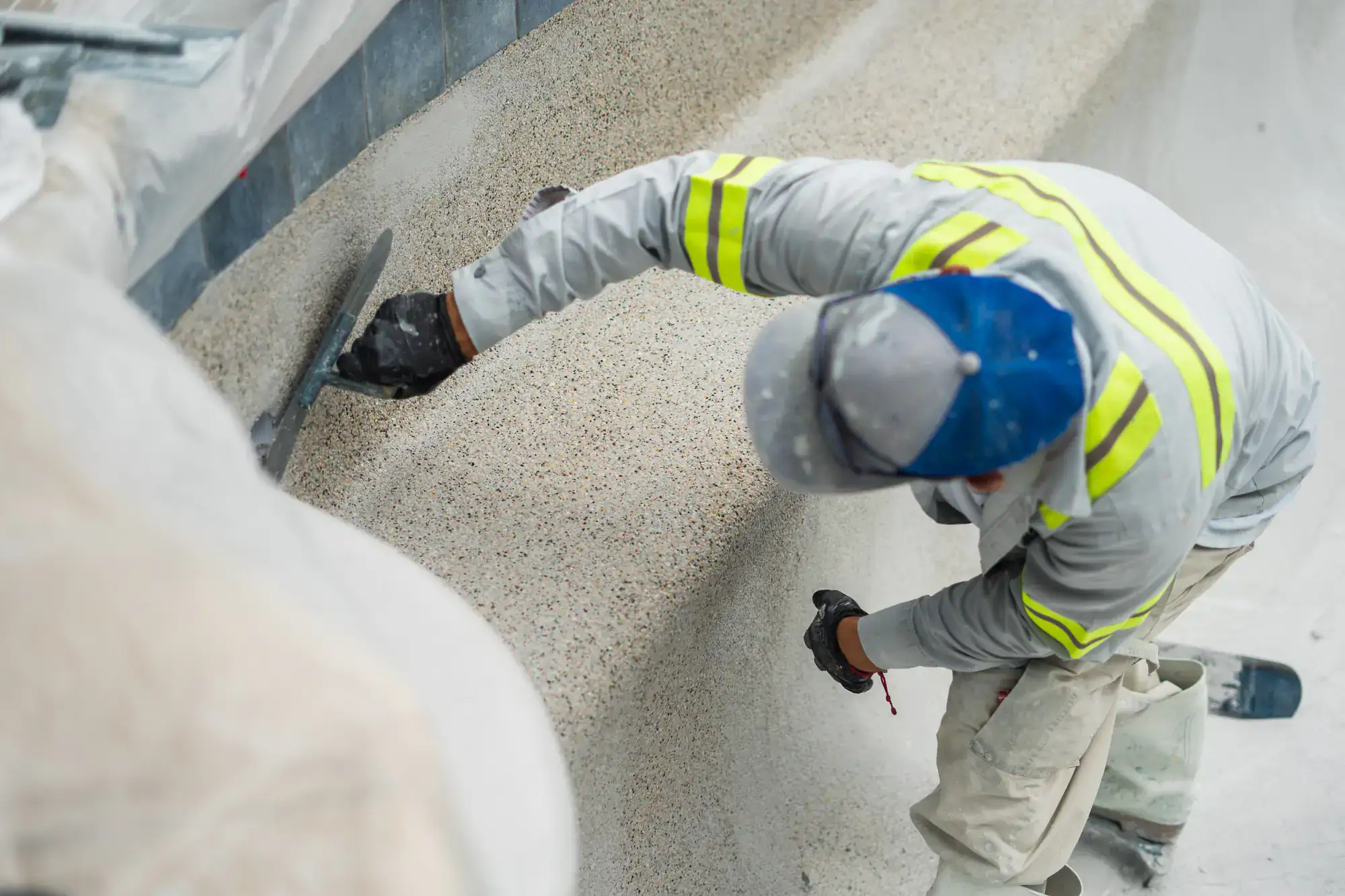
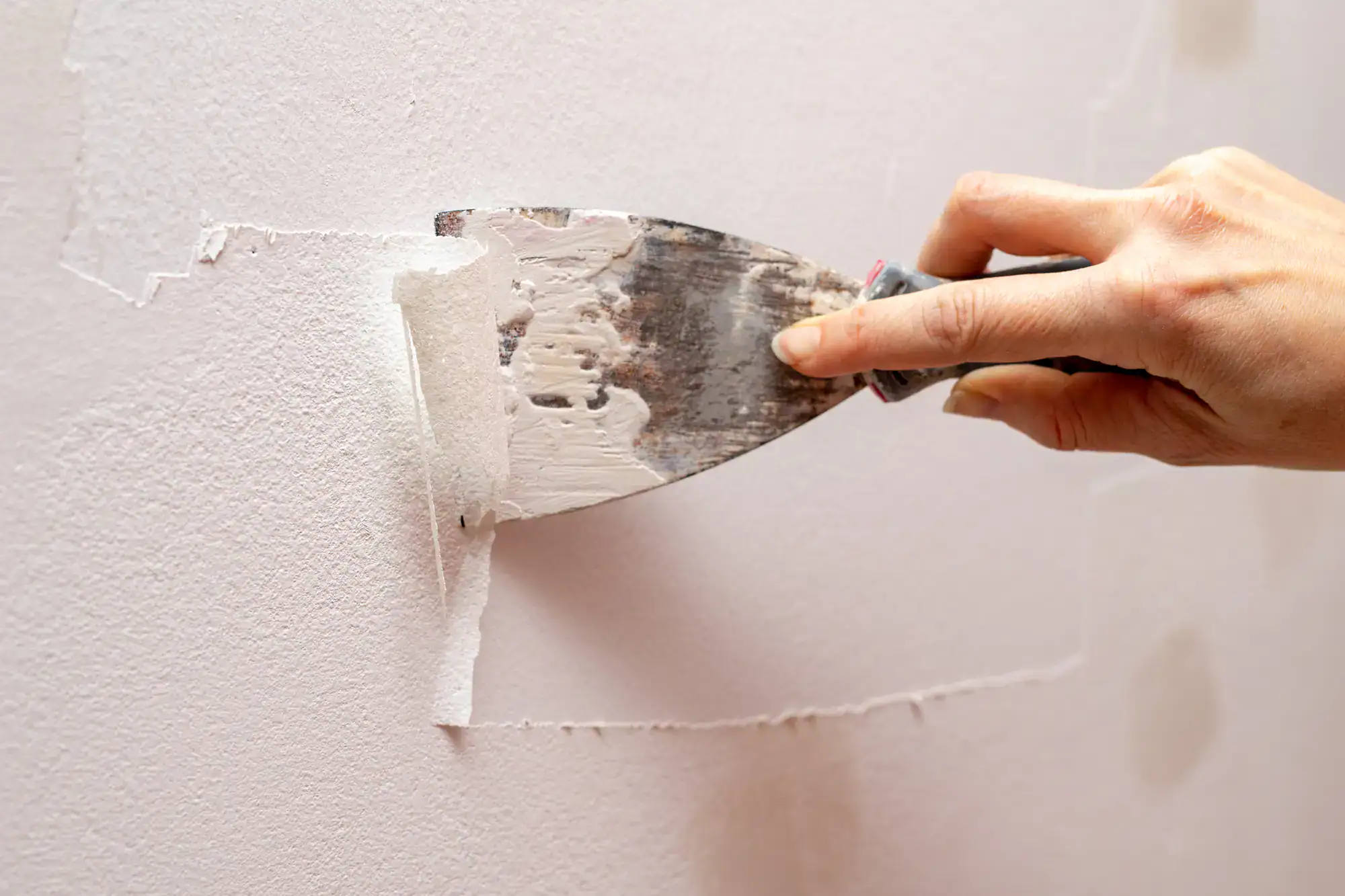
Next comes surface preparation. We diamond grind the concrete to create the right profile for adhesion. All oils, contaminants, and old coatings get completely removed. Half-measures here cause failures later.
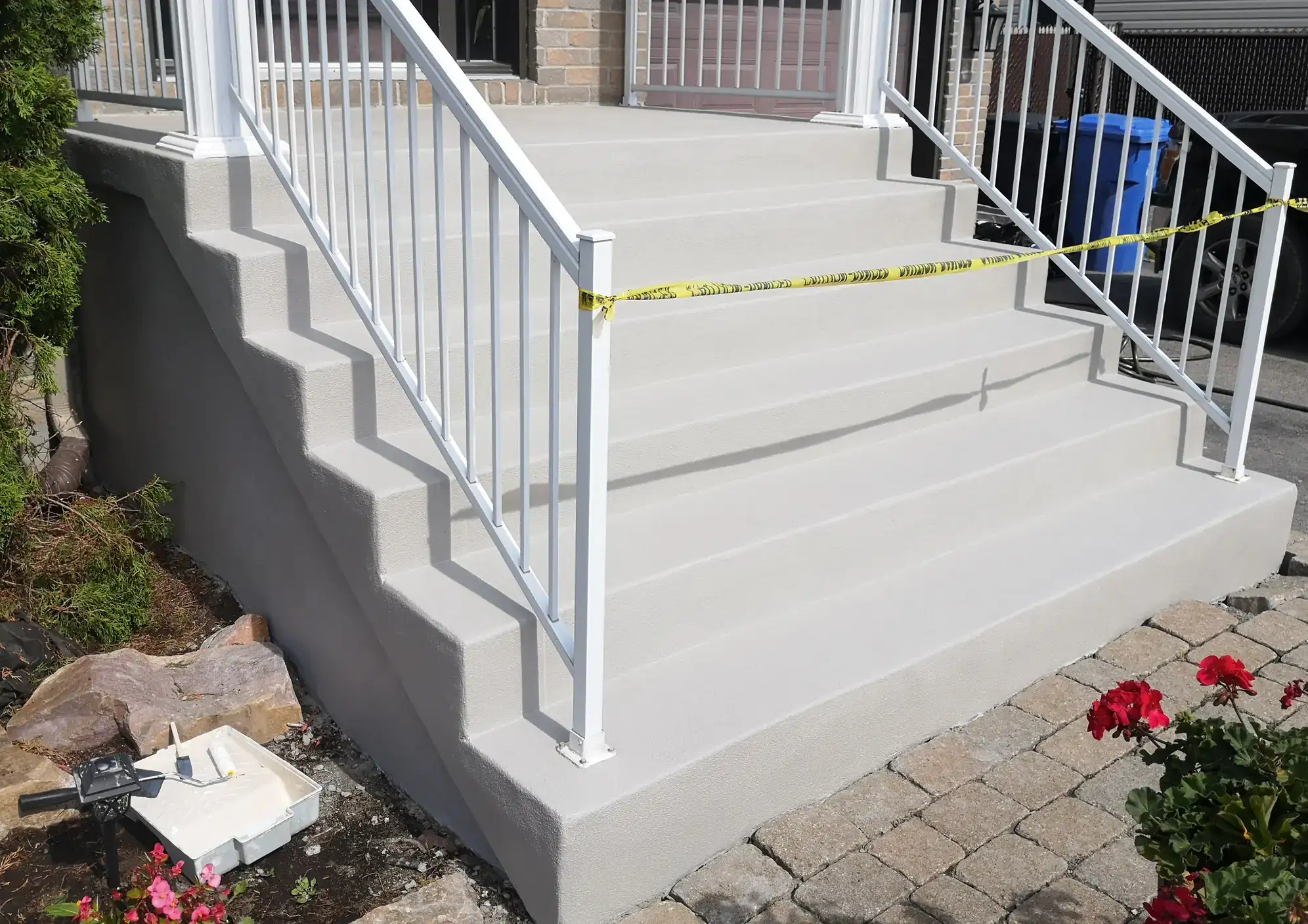
The coating goes down in controlled conditions. We monitor temperature and humidity throughout the process. Our epoxy systems are specifically chosen for coastal climates – they cure properly even when conditions aren’t perfect. Most residential floors are completed in one day, but we don’t rush the cure time.
Ready to get started?
Durable Flooring Systems
Every Indian River Estates project gets moisture vapor barriers when needed. This prevents the vapor pressure that destroys most epoxy floors in Florida. You get chemical resistance that handles everything from automotive fluids to household cleaners.
We install anti-slip additives where safety matters. The finish options range from subtle solid colors to decorative flakes and metallic effects. Commercial projects get heavier build systems designed for forklifts and constant traffic.
Indian River Estates’ proximity to the coast means salt air and higher humidity. Our systems account for this with UV stabilizers and hydrophobic additives. The result is a floor that maintains its appearance and performance for decades, not just the first few years.
How long does epoxy flooring last in Florida’s climate?
Properly installed epoxy flooring lasts 20+ years in Florida when it’s done right. The key is using climate-specific products and installation methods.
Most failures happen because the installer doesn’t account for Florida’s humidity and temperature swings. We use moisture-resistant primers, UV-stable topcoats, and proper surface preparation. Our systems are designed to expand and contract with daily temperature changes without cracking.
The floors we installed five years ago still look like new because we addressed the moisture and environmental factors that cause other epoxy floors to fail within months.
Can you install epoxy flooring during Florida’s humid summer months?
Yes, but it requires the right equipment and timing. We use dehumidifiers and climate-controlled environments during installation to maintain proper curing conditions.
Summer installations need morning start times when humidity is lower. We monitor concrete surface temperatures and ambient conditions throughout the process. Our fast-cure formulas reduce exposure to sudden weather changes that can compromise the bond.
Most contractors avoid summer work or do it wrong. We’ve perfected the process because Florida customers need floors year-round, not just during perfect weather windows.
What happens if moisture gets under the epoxy coating?
Trapped moisture causes bubbling, peeling, and complete coating failure. This is why moisture testing and vapor barriers are critical in Florida.
We test every slab before installation using both calcium chloride and relative humidity methods. If moisture levels exceed safe limits, we install vapor barriers or use moisture-tolerant primer systems. This prevents the vapor pressure that destroys most epoxy installations.
Once moisture gets trapped under cured epoxy, the only fix is complete removal and reinstallation. That’s why we address moisture issues upfront instead of hoping they won’t cause problems later.
How do you prevent epoxy floors from yellowing in the sun?
UV-stable topcoats and proper product selection prevent yellowing. Standard epoxy products aren’t designed for Florida’s intense sunlight.
We use polyaspartic and aliphatic urethane topcoats that resist UV damage. These maintain their clarity and color even in direct sunlight. The base epoxy system includes UV inhibitors that prevent the molecular breakdown that causes yellowing.
Garage floors with frequent door openings need extra UV protection. We factor in sun exposure patterns and recommend appropriate coating systems for each specific application.
What’s the difference between DIY epoxy kits and professional installation?
Professional installation prevents 90% of the failures we see with DIY projects. The difference is in surface preparation, product quality, and understanding Florida’s specific challenges.
DIY kits use thin coatings that can’t handle moisture vapor pressure. The surface prep is usually inadequate – just acid etching instead of proper diamond grinding. Most importantly, DIY installers don’t test for moisture or control environmental conditions during curing.
Professional systems use thicker, higher-quality products applied in proper conditions. We warranty our work because we control every variable that affects long-term performance.
How soon can I use my floor after epoxy installation?
Light foot traffic is typically allowed after 24 hours, but full cure takes 7 days. Florida’s humidity can extend these times if conditions aren’t controlled.
We use fast-cure systems when quick turnaround is needed, but never compromise the cure process. Vehicle traffic requires at least 72 hours, longer in humid conditions. We provide specific timelines based on your project’s coating system and environmental conditions.
Rushing the cure process causes long-term problems. We’d rather give you accurate timelines upfront than deal with premature failures from putting the floor into service too early.
Other Services we provide in Indian River Estates