


Concrete Sealing in Indian River Estates
Your Floors Protected From Florida’s Toughest Conditions
Hear from Our Customers
Professional Concrete Sealing Services
You won’t be calling contractors every few years to fix moisture damage or replace failed coatings. Your concrete stays stronger, cleaner, and protected from the humidity that destroys unsealed surfaces in Indian River Estates.
When concrete sealing is done right, you get floors that resist oil stains, prevent mold growth, and handle Florida’s intense UV exposure without cracking or spalling. The difference shows up in lower maintenance costs and surfaces that look professional year after year.
No more dealing with that musty smell from trapped moisture or watching your investment deteriorate because water found its way through porous concrete. Proper sealing creates a barrier that keeps contaminants out while letting your concrete breathe naturally.
Indian River Estates Concrete Contractors
SPF Industrial has earned the trust of government agencies, military installations, and major commercial facilities throughout Florida since 2020. We’ve sealed concrete for the Coast Guard, US Army, City of Doral, and high schools across multiple counties.
What sets us apart in Indian River Estates is our understanding of coastal moisture challenges. While other contractors treat every job the same way, we adjust our approach based on local humidity levels, groundwater conditions, and the specific demands of Treasure Coast properties.
We work directly with property owners rather than through general contractors, which means transparent pricing and direct communication throughout your project. When you call SPF Industrial, you’re talking to the people who will actually be sealing your concrete.
Concrete Sealing Process Florida
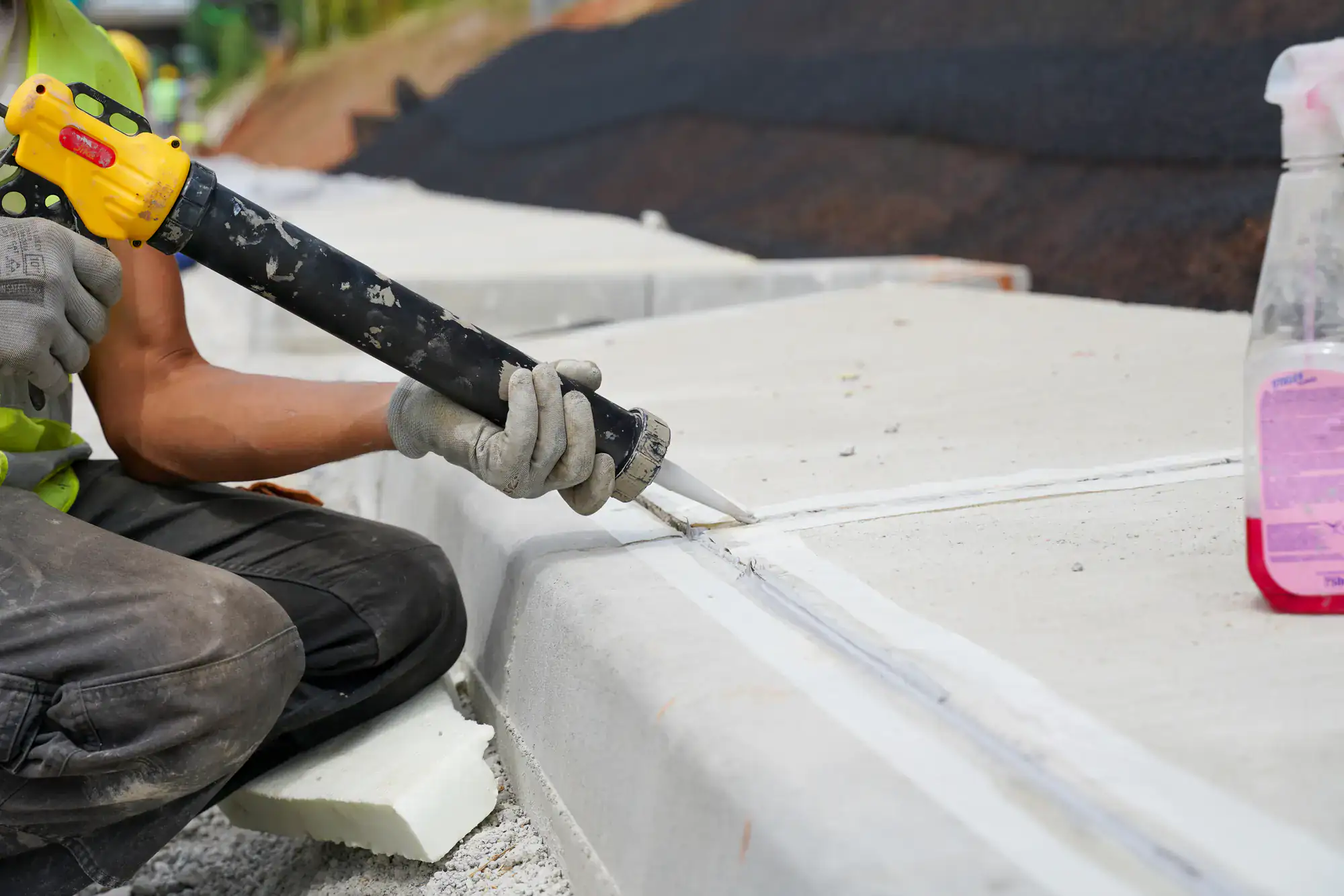
First, we test your concrete for moisture levels because applying sealer over trapped moisture leads to bubbling and failure within months. This step alone eliminates most of the problems that cause other contractors’ work to fail in Florida’s humid climate.
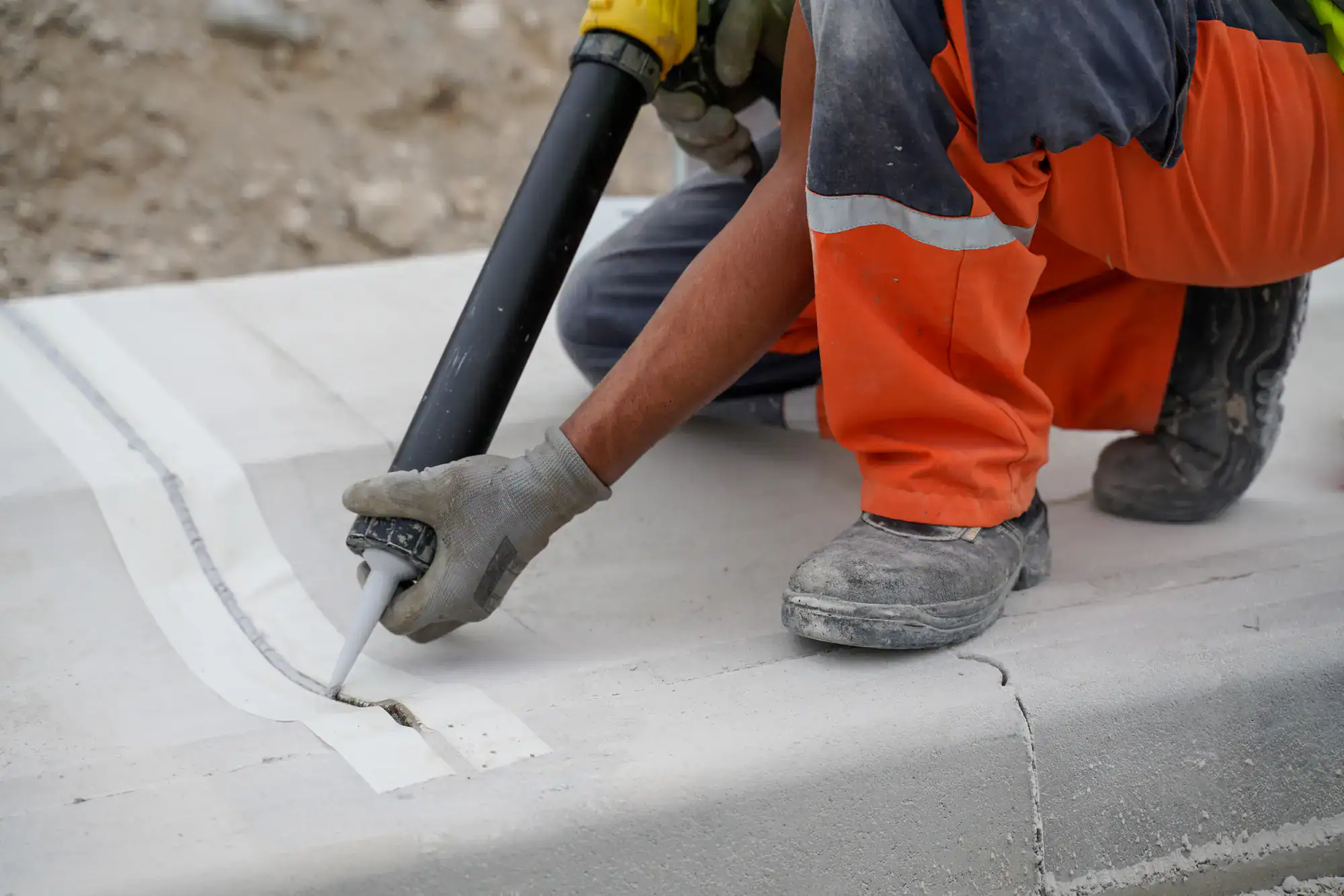
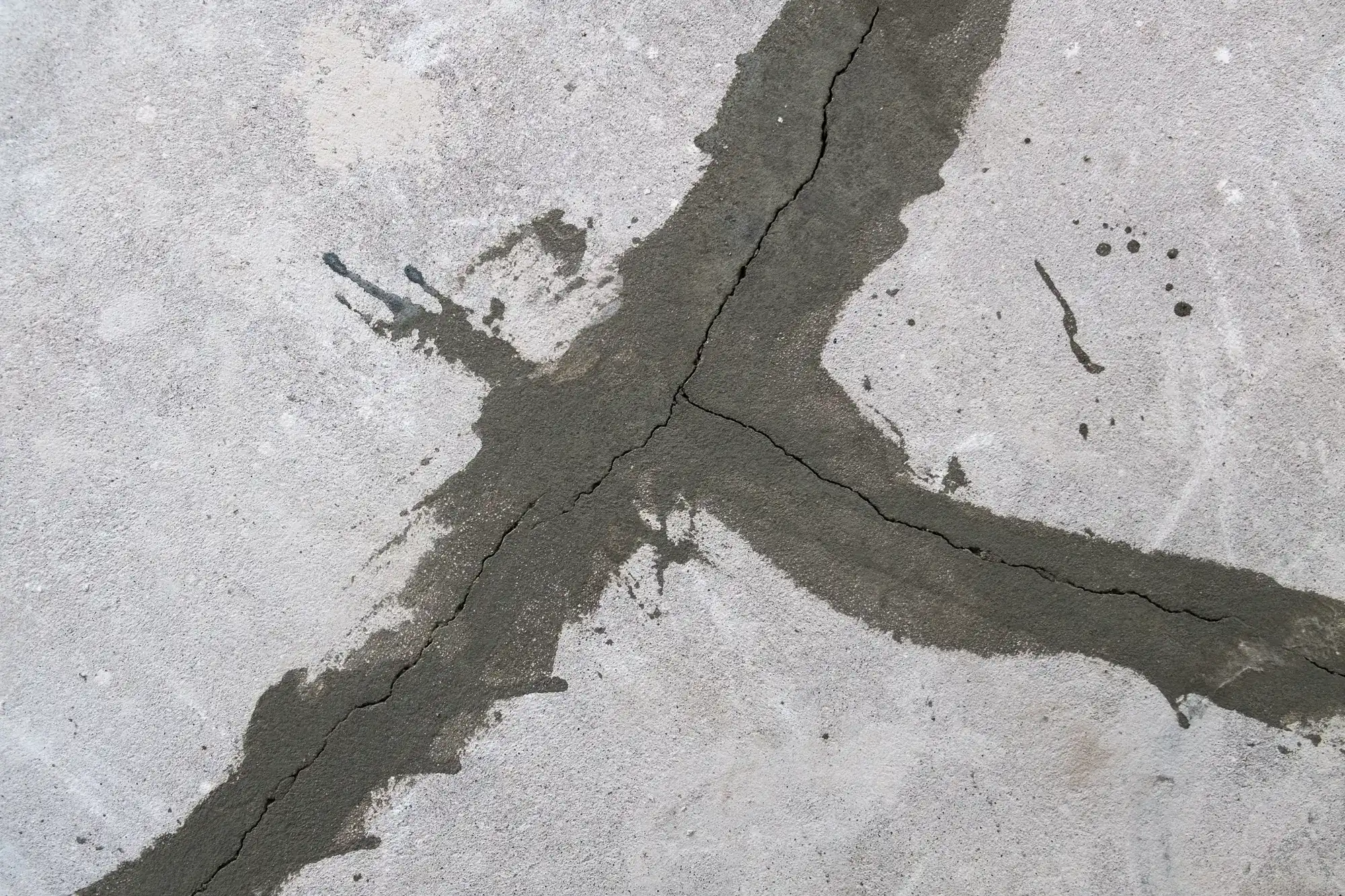
Surface preparation involves diamond grinding to create the proper profile for sealer adhesion. We remove old coatings, repair cracks with appropriate fillers, and ensure the surface is completely clean before any sealer touches your concrete.
The sealing process uses penetrating sealers that react with concrete minerals to form permanent chemical bonds up to 1/4 inch deep. This creates a hydrophobic zone that blocks water molecules while allowing vapor transmission, preventing the pressure buildup that destroys surface coatings. Most projects are completed in one day with minimal disruption to your operations.
Ready to get started?
Moisture Control Concrete Solutions
Your concrete sealing service includes moisture testing, surface preparation, crack repair, and application of commercial-grade penetrating sealers designed for Florida’s climate. We use products from trusted manufacturers like Sherwin Williams and Fosroc, not generic hardware store sealers.
In Indian River Estates, we account for the area’s proximity to both the Atlantic Ocean and Indian River Lagoon, which creates unique moisture challenges. Salt air accelerates concrete deterioration, while high humidity levels require specialized application timing to ensure proper curing.
The service includes a consultation to determine the right sealer type for your specific application, whether it’s a residential driveway dealing with car traffic or a commercial facility handling heavy equipment. We also provide guidance on maintenance schedules, typically recommending resealing every 5-10 years depending on traffic and exposure conditions.
How long does concrete sealing last in Florida’s humid climate?
Professional concrete sealing typically lasts 5-10 years in Florida, but the exact timeframe depends on the quality of products used and application methods. Penetrating sealers that chemically bond with concrete minerals provide longer protection than surface coatings that can be damaged by UV exposure and thermal cycling.
In Indian River Estates, the combination of salt air, humidity, and occasional temperature swings creates challenging conditions for sealers. High-quality penetrating sealers form permanent chemical bonds beneath the surface, making them more resistant to environmental stress than film-forming products that sit on top of the concrete.
The key is proper moisture testing before application and using sealers specifically formulated for coastal Florida conditions. Cheap sealers may need reapplication every 1-2 years, while professional-grade products can protect your concrete for a decade or more when properly applied.
What happens if concrete sealing fails or starts peeling?
When concrete sealing fails, you’ll typically see bubbling, peeling, or white chalky deposits on the surface. This usually happens because moisture was trapped under the sealer during application or because the wrong type of sealer was used for the conditions. Failed sealers often need to be completely stripped off, which can cost $3 per square foot or more.
The stripping process requires specialized chemicals and equipment to remove the failed coating without damaging the underlying concrete. This is labor-intensive work that many contractors try to avoid, leading to poor results when they simply apply new sealer over failed coatings.
Prevention is much more cost-effective than remediation. Proper moisture testing, surface preparation, and using the right sealer for your specific conditions prevent most failures. That’s why we test every surface before sealing and use products designed for Florida’s challenging climate rather than generic solutions.
Can you seal concrete that already shows signs of moisture problems?
Concrete showing moisture problems requires assessment and often remediation before sealing. Signs like efflorescence (white chalky deposits), mold growth, or damp spots indicate active moisture issues that sealing alone won’t solve. Applying sealer over existing moisture problems typically makes the situation worse by trapping water and creating pressure that can crack the concrete.
The solution depends on the moisture source. Surface moisture from humidity or spills can often be addressed with proper drying and ventilation before sealing. Groundwater issues may require vapor barriers, drainage improvements, or specialized moisture mitigation systems before any sealer application.
We use moisture meters and calcium chloride testing to measure vapor emission rates before sealing. If moisture levels exceed manufacturer specifications (typically 3-4 pounds per 1,000 square feet per 24 hours), we’ll recommend addressing the source first. This prevents costly failures and ensures your sealing investment provides long-term protection.
How do you prepare concrete surfaces before sealing in coastal areas?
Coastal concrete preparation requires removing salt deposits, organic growth, and any existing coatings that may interfere with sealer adhesion. Diamond grinding creates the proper surface profile while opening pores for better penetration. The concrete must be thoroughly cleaned and completely dry before sealer application.
In Indian River Estates, salt air creates unique challenges because salt crystals can interfere with chemical bonding between sealers and concrete. Power washing alone isn’t sufficient – the surface needs mechanical preparation to remove embedded salts and create the texture necessary for proper adhesion.
Timing is critical in coastal areas because humidity levels affect curing. We monitor weather conditions and apply sealers during optimal temperature and humidity windows, typically early morning when dew points are below concrete temperature. This prevents condensation from forming under fresh coatings and ensures proper chemical reactions occur.
What’s the difference between penetrating and surface sealers for Florida concrete?
Penetrating sealers chemically react with concrete minerals to form permanent bonds beneath the surface, creating a hydrophobic zone that repels water while allowing vapor transmission. Surface sealers create a film on top of the concrete that can be damaged by UV exposure, thermal cycling, and abrasion from traffic.
In Florida’s climate, penetrating sealers generally provide better long-term performance because they’re not affected by surface wear or UV degradation. They allow the concrete to breathe naturally while blocking liquid penetration, preventing the pressure buildup that can cause surface coatings to fail.
Surface sealers may be appropriate for decorative applications where appearance is the primary concern, but they typically require more frequent reapplication in Florida’s harsh environment. We recommend penetrating sealers for most applications because they provide superior moisture protection and durability in coastal conditions like those found in Indian River Estates.
How much does professional concrete sealing cost compared to DIY options?
Professional concrete sealing typically costs $2-4 per square foot depending on surface condition, sealer type, and preparation requirements. While DIY sealers from hardware stores may seem cheaper upfront, they often fail within 1-2 years in Florida’s climate, requiring stripping and reapplication that can cost $3+ per square foot.
The real cost difference comes from preparation and product quality. Professional-grade sealers penetrate deeper and last longer than consumer products, while proper surface preparation ensures the sealer actually bonds with the concrete. DIY applications often skip moisture testing and adequate surface prep, leading to premature failure.
When you factor in the cost of stripping failed DIY sealers, professional application usually costs less over time. We provide transparent pricing upfront and use commercial-grade products designed for Florida’s challenging conditions, eliminating the cycle of repeated applications that make DIY sealing expensive in the long run.
Other Services we provide in Indian River Estates