


Concrete Sealing in River Park, FL
Stop Moisture Damage Before It Starts
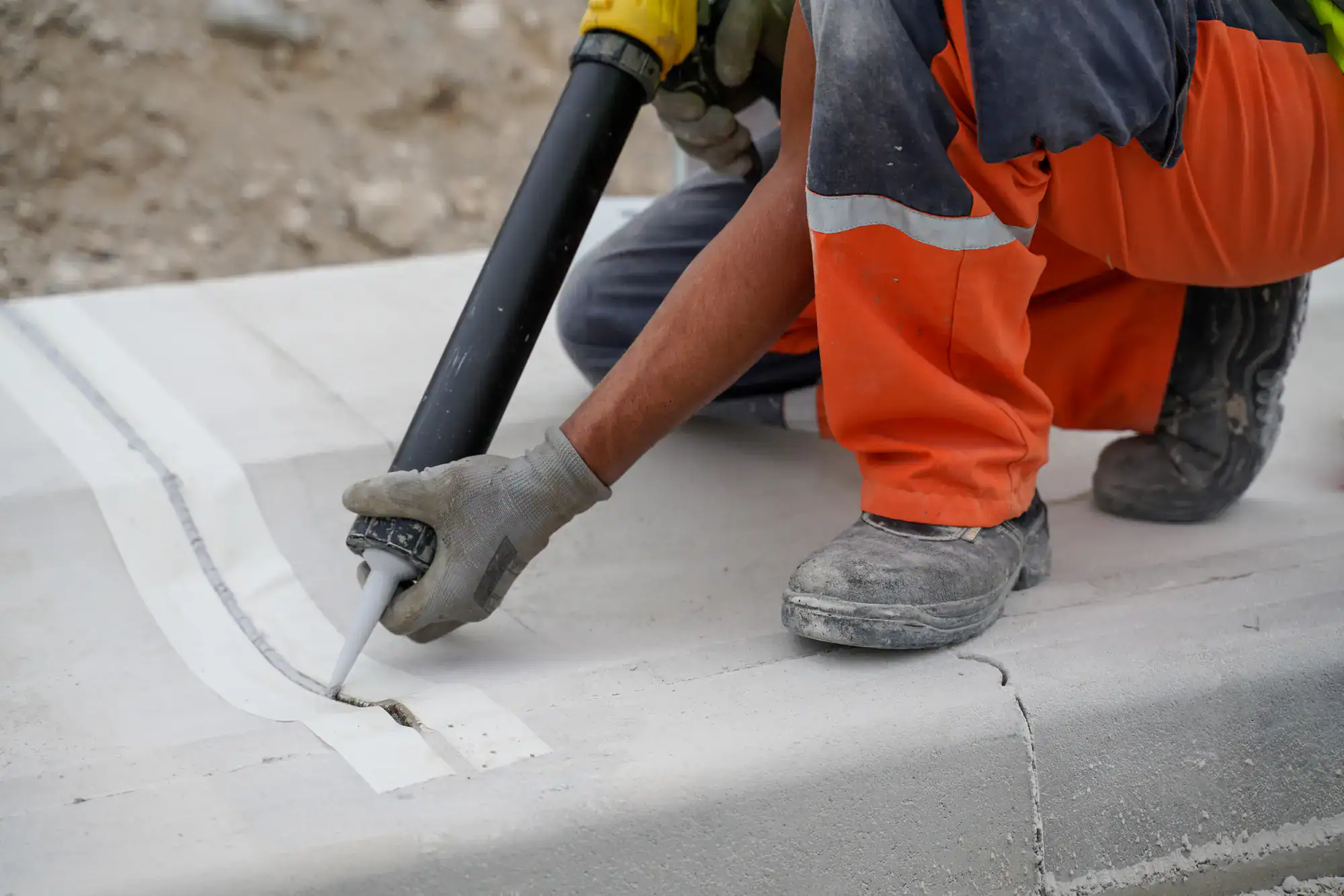
Hear from Our Customers
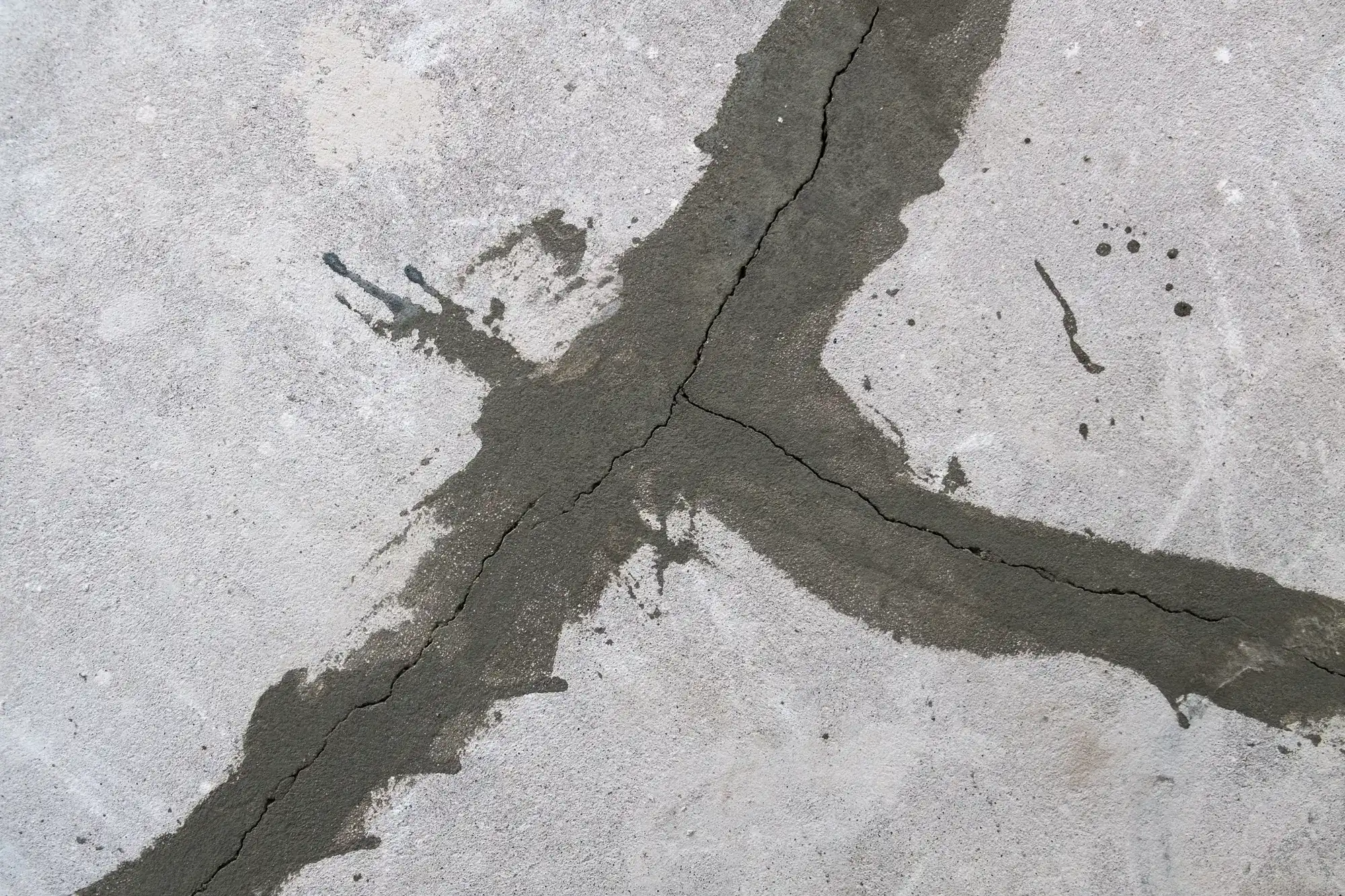
Professional Concrete Sealing River Park
When concrete sealing is done right, you get peace of mind. No more worrying about moisture seeping through your floors and creating mold problems. No more watching your investment deteriorate from Florida’s humidity and occasional temperature swings.
Your sealed concrete becomes a permanent moisture barrier that actually strengthens the surface by up to 30%. Water beads up and rolls off instead of soaking in. Oil spills, chemical exposure, and everyday wear become manageable instead of permanent stains.
The difference shows up in your maintenance costs too. Instead of pressure washing every few months and dealing with recurring mold growth, you’re looking at years of protection with minimal upkeep.
River Park Concrete Sealing Experts
We’ve been solving concrete problems in South Florida since 2020, working directly with property owners who need real solutions. We’ve handled everything from Coast Guard facilities to municipal projects across Palm Beach, Miami-Dade, and Broward counties.
River Park’s mix of residential and commercial properties faces the same moisture challenges we see throughout South Florida. The humidity, occasional temperature drops, and Florida’s intense UV exposure create the perfect storm for concrete problems. That’s exactly why we focus exclusively on professional-grade solutions that work in this climate.
We’re not the cheapest option, and that’s intentional. You’re investing in manufacturer-certified application, proper moisture testing, and materials designed for Florida’s harsh conditions.
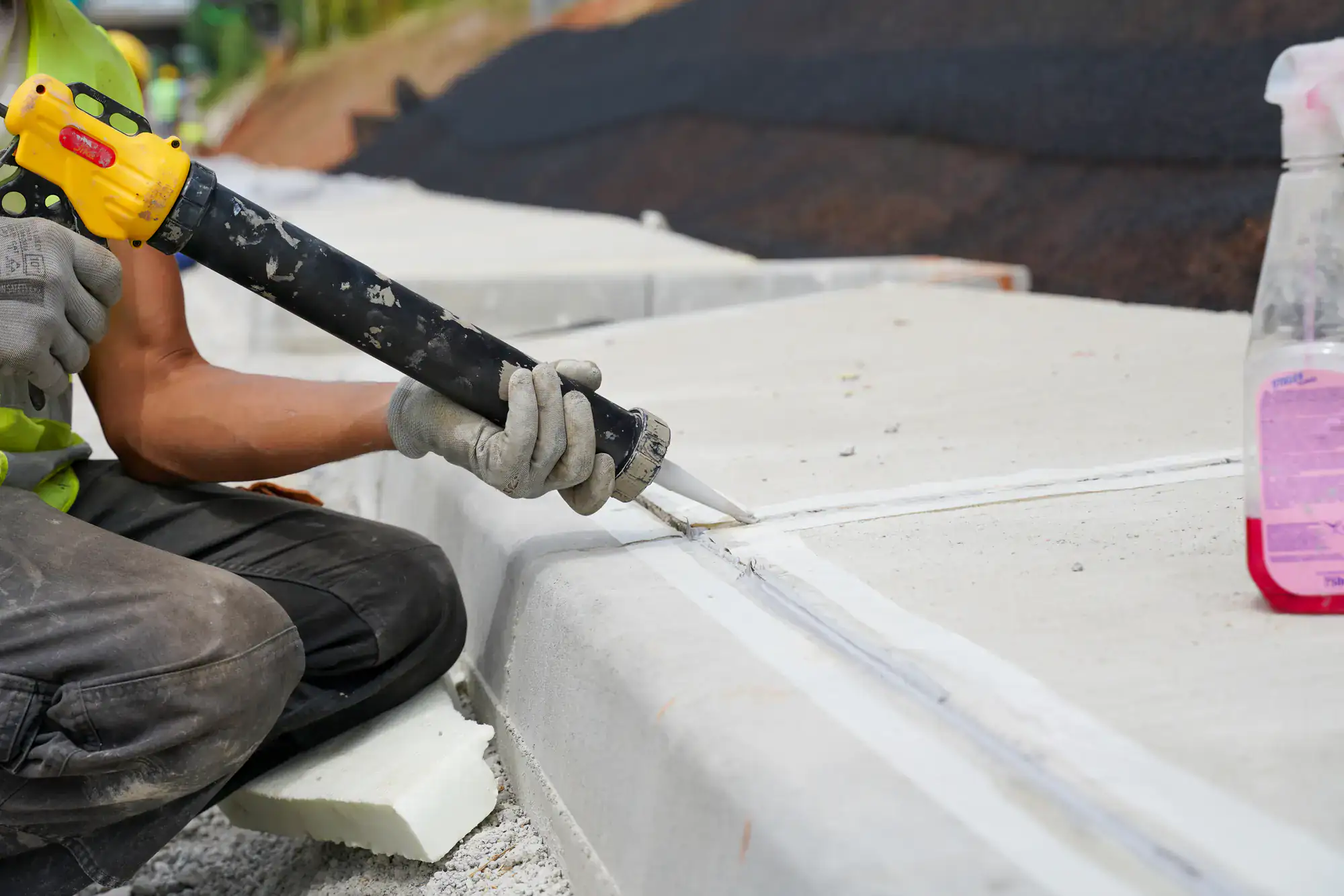
Concrete Sealing Process River Park
First, we test your concrete’s moisture levels. This isn’t optional – it prevents the costly failures that happen when moisture gets trapped under improper sealing. Many contractors skip this step and end up causing more problems than they solve.
Next comes surface preparation. We handle shot-blasting, diamond grinding, or scarifying depending on what your concrete needs. Any cracks or imperfections get repaired before we move forward, because sealing over problems just hides them temporarily.
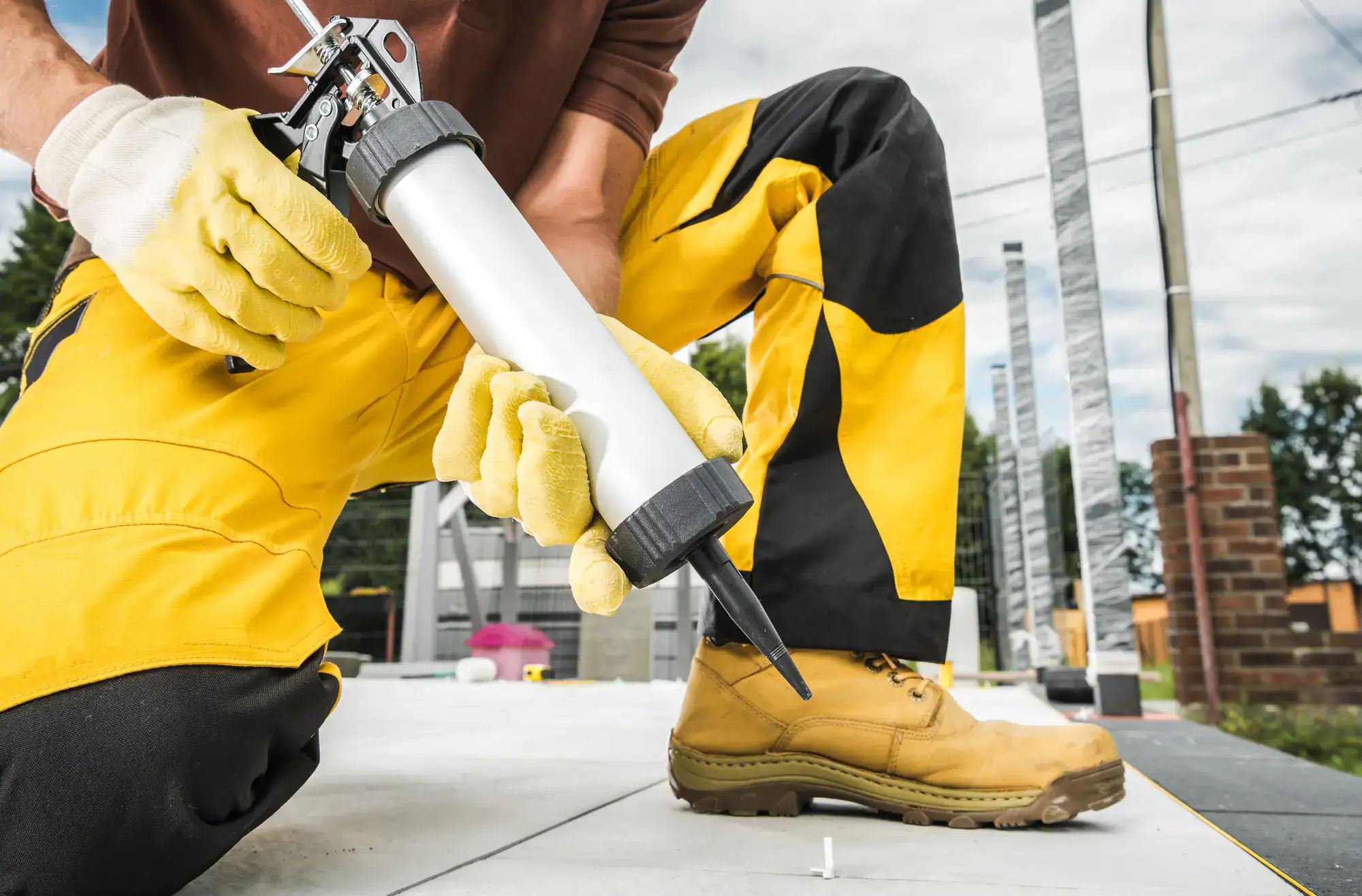
The sealing itself uses penetrating technology that bonds chemically with your concrete, creating a permanent barrier up to 1/4 inch deep. Unlike surface coatings that can peel or chip, this becomes part of your concrete structure. The entire process typically completes in one day, and you can walk on it within 24 hours.
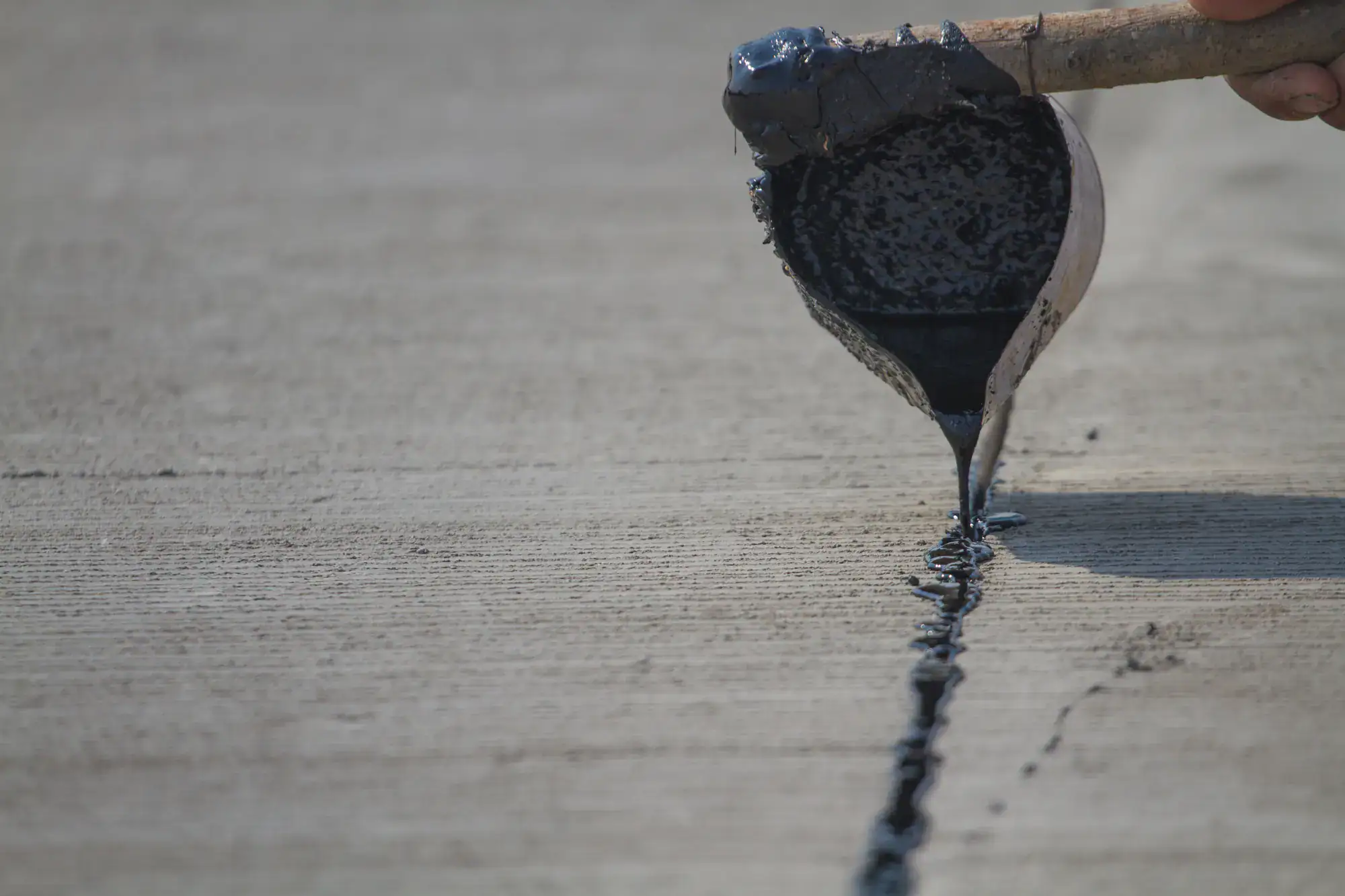
Ready to get started?
River Park Commercial Flooring Solutions
Our concrete sealing service includes complete moisture testing, professional surface preparation, and application of UV-resistant sealers designed specifically for Florida’s climate. While most sealers last 1-2 years in our intense sun, our solutions maintain water-beading protection for years longer.
In River Park’s business district, we work with restaurant owners, retail spaces, and industrial facilities that can’t afford downtime or recurring moisture problems. The sealing process accommodates your schedule, and we coordinate timing to minimize disruption to your operations.
For residential properties, this means driveways, pool decks, and garage floors that stay clean and safe. The sealed surface becomes slip-resistant even when wet, and maintenance becomes as simple as occasional cleaning instead of constant mold removal. Your concrete investment stays protected from both daily wear and Florida’s weather extremes.
How long does concrete sealing last in River Park’s climate?
Professional concrete sealing in River Park typically lasts 2-4 years, but the quality varies dramatically based on the sealer used and application method. Most off-the-shelf products fail within 1-2 years because they’re not designed for Florida’s intense UV exposure and humidity levels.
Our penetrating sealers create permanent chemical bonds with your concrete that don’t break down under UV exposure. Lab testing shows water-beading protection maintained at the 10-year mark. The difference comes from using commercial-grade materials specifically formulated for Florida’s harsh conditions, not residential products that work in milder climates.
What happens if concrete sealing is done incorrectly?
Improper concrete sealing can actually make moisture problems worse by trapping water between the concrete and sealer. This causes the surface to turn white or yellow, and the only fix is stripping the failed sealer and starting over – typically costing $4 per square foot.
The most common mistakes include skipping moisture testing, using the wrong sealer type, or applying over contaminated surfaces. Ground moisture levels play a significant role in sealing success, which is why we test every job before application. Surface preparation is equally critical – any oil, dirt, or existing sealers must be completely removed or the new sealer won’t bond properly.
Can you seal concrete that already has moisture problems?
Sealing over existing moisture problems typically makes things worse, not better. If you’re already seeing mold, musty odors, or visible moisture issues, the source needs to be identified and addressed first before any sealing work begins.
We start with moisture testing to determine if your concrete is ready for sealing. If moisture levels are too high, we’ll recommend addressing the underlying issue first – whether that’s improving drainage, fixing plumbing leaks, or installing proper vapor barriers. Once the moisture source is controlled, sealing becomes an effective long-term protection strategy rather than a band-aid solution.
How do you prepare concrete surfaces for sealing?
Proper surface preparation is critical for sealing success and varies based on your concrete’s condition. We typically use shot-blasting, diamond grinding, or scarifying to open the concrete’s pores and remove any contaminants that would prevent proper sealer penetration.
For hard-troweled surfaces or concrete with existing stains, we use specialized etching products that remove impurities and push contaminants to the surface for easy removal. Any cracks or surface defects get repaired before sealing begins. The goal is creating a clean, properly textured surface that allows maximum sealer penetration – usually up to 1/4 inch deep for permanent protection.
What’s the difference between penetrating and surface sealers?
Penetrating sealers soak into your concrete and create chemical bonds beneath the surface, becoming part of the concrete structure permanently. Surface sealers create a coating on top that can peel, chip, or wear away over time, especially in high-traffic areas.
In Florida’s climate, surface sealers often trap moisture underneath, leading to failure and costly removal. Penetrating sealers allow water vapor to escape while preventing liquid water from entering, which is crucial for long-term success. They also don’t change your concrete’s appearance or create slip hazards, while still providing superior protection against stains, chemicals, and weather damage.
How soon can I use my concrete after sealing?
Most sealed concrete surfaces can be walked on within 24 hours of application, but full curing takes longer depending on the sealer type. For light foot traffic, 24 hours is typically sufficient. Furniture and equipment can usually be returned after 48 hours.
Vehicle traffic requires 3-4 days of curing time to ensure the sealer has fully bonded and hardened. If you’re sealing a commercial space, we coordinate timing to minimize business disruption and can often work in sections to keep portions of your facility operational. Weather conditions and humidity levels can affect curing times, which is why we provide specific timelines based on your project’s conditions.
Other Services we provide in River Park