


Concrete Sealing in Sandhill Crossing, FL
Stop Concrete Damage Before It Starts
Hear from Our Customers
Professional Concrete Sealing Sandhill Crossing
You know that sinking feeling when you see another oil stain on your driveway or notice mold creeping across your concrete surfaces. Florida’s climate is relentless on unsealed concrete.
With proper concrete sealing, those problems disappear. Your surfaces resist stains, shed water instead of absorbing it, and maintain their appearance year after year. No more weekend pressure washing sessions or expensive stain removal attempts.
The difference is immediate and lasting. Water beads up and rolls away. Spills wipe clean with basic cleaning. Your concrete looks professional and well-maintained without the constant upkeep that drives property owners crazy.
Sandhill Crossing Concrete Sealing Experts
We’ve been protecting concrete surfaces across Florida since 2020, working with everyone from homeowners to government facilities including the Coast Guard and US Army.
We understand what Sandhill Crossing property owners face. The humidity, the intense UV rays, the seasonal rains that turn unsealed concrete into a maintenance nightmare. That’s why we use professional-grade products from Sherwin Williams and Fosroc that are specifically designed for Florida’s demanding climate.
Our approach is straightforward: transparent pricing, direct communication, and results that last. No surprises, no runaround, just concrete protection that works.
Concrete Sealing Process Sandhill Crossing
We start with a thorough surface evaluation and moisture test. Every concrete surface is different, and Florida’s humidity means timing matters for proper sealer adhesion.
Next comes surface preparation. We degrease, pressure wash, and clean the concrete to ensure the sealer bonds correctly. This step determines how well your sealing job performs long-term.
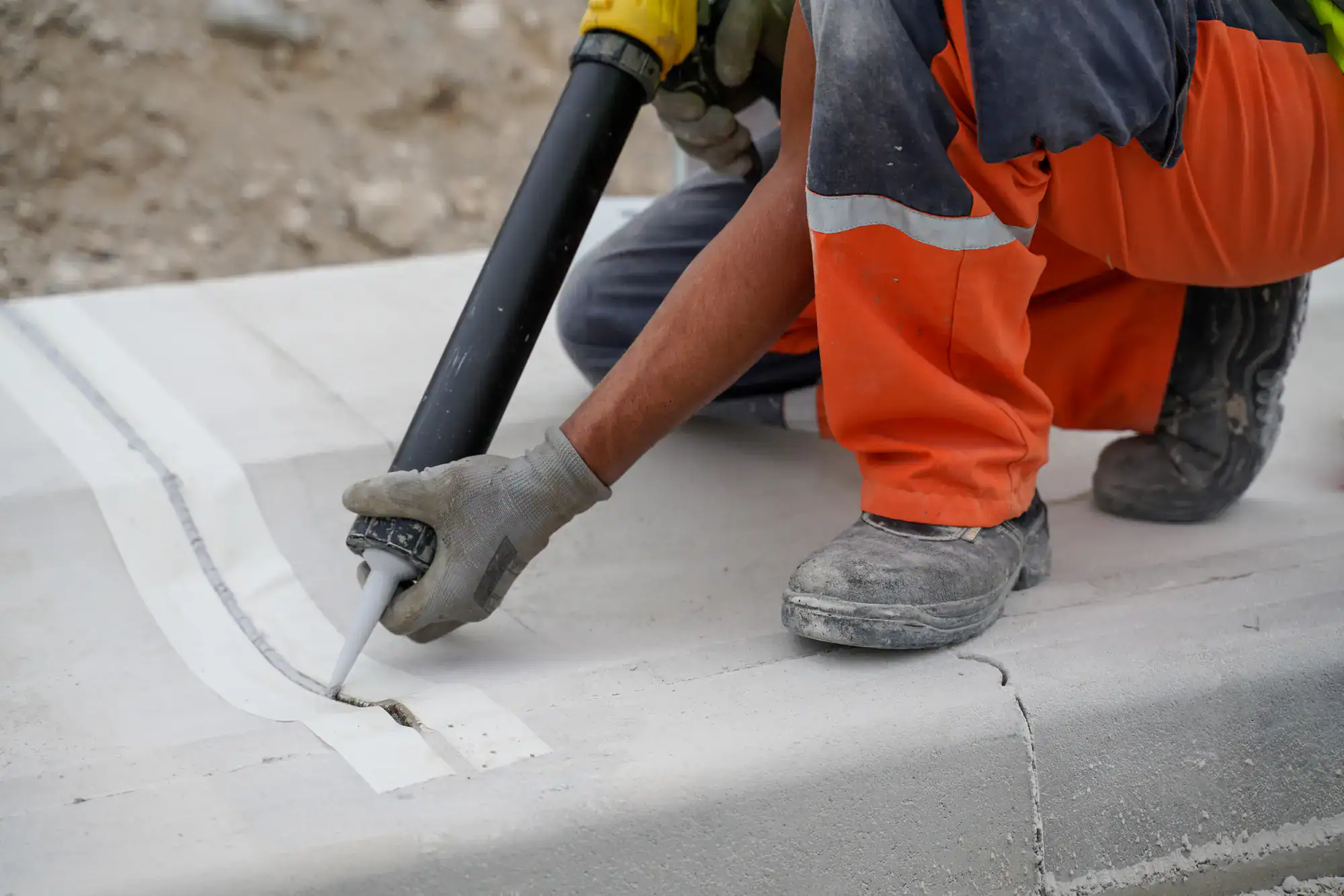
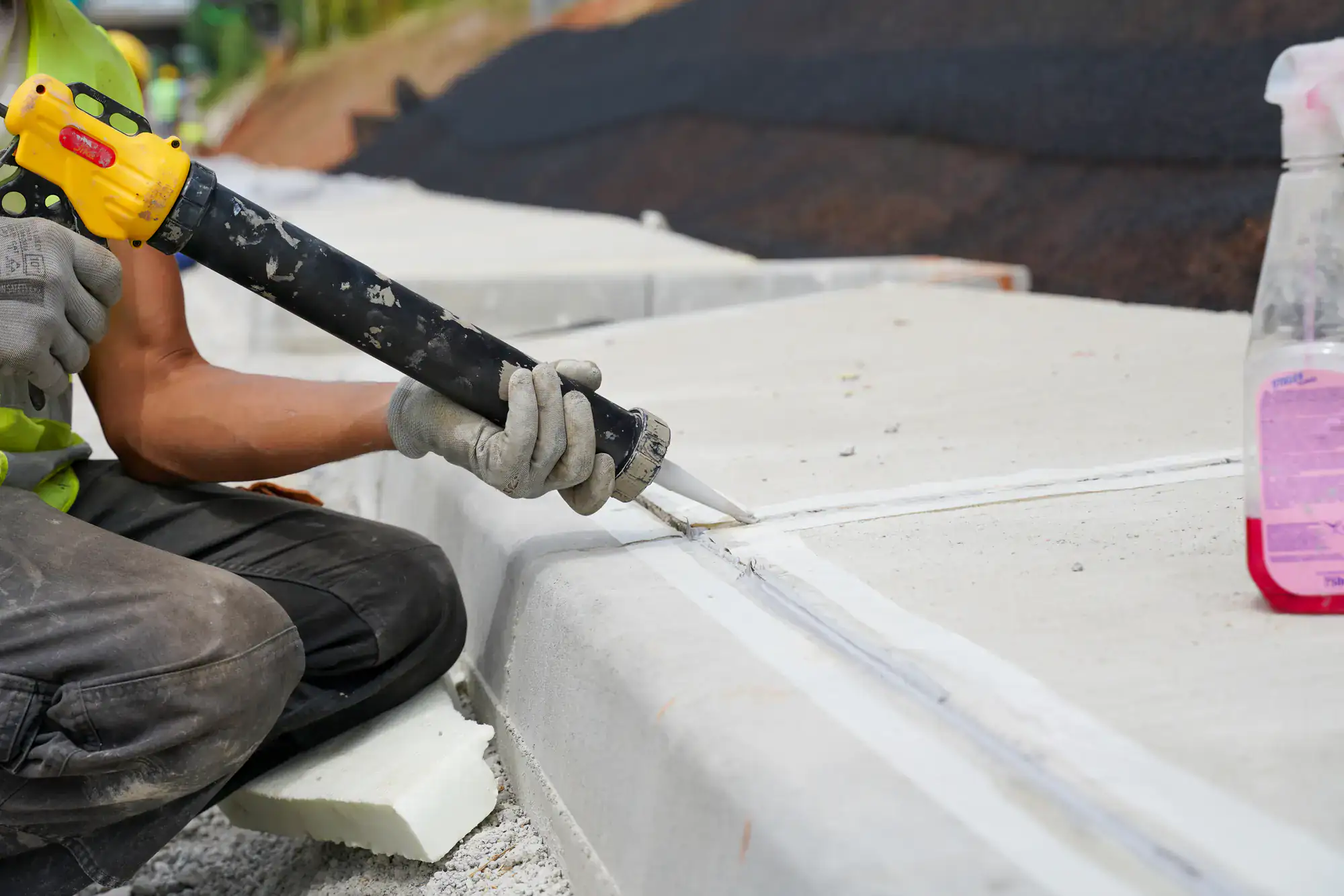
Finally, we apply our penetrating concrete sealer. It soaks deep into the concrete pores, creating a hydrophobic barrier that blocks water, stains, and contaminants. The process typically completes in one day with minimal disruption to your routine.
Most surfaces are ready for foot traffic within 24 hours, though we recommend waiting 48 hours for furniture and up to three days before driving on sealed surfaces.
Ready to get started?
Concrete Sealing Solutions Sandhill Crossing
Our concrete sealing service includes complete surface preparation, professional-grade sealer application, and follow-up support. We handle driveways, patios, pool decks, walkways, and commercial flooring with the same attention to detail.
In Sandhill Crossing’s climate, unsealed concrete absorbs moisture like a sponge. This creates perfect conditions for mold growth, staining, and structural damage. Our sealing process stops this cycle by creating an invisible barrier that repels water while allowing the concrete to breathe.
The sealer we use increases concrete tensile strength by up to 30%, helping prevent cracking and chipping. It also provides slip-resistant properties and UV protection, addressing the specific challenges Florida concrete faces daily.
You’ll notice the difference immediately. Spills that used to soak in and stain now sit on the surface for easy cleanup. Rain water sheets off instead of penetrating. Your concrete maintains its appearance with basic maintenance instead of intensive cleaning.
How long does concrete sealing last in Florida’s climate?
Professional concrete sealing typically lasts 2-4 years in Florida, depending on traffic and exposure. Sandhill Crossing’s climate presents unique challenges with intense UV rays, humidity, and seasonal weather changes that can affect sealer longevity.
We use high-quality penetrating sealers that bond chemically with the concrete rather than just sitting on the surface. This creates longer-lasting protection that withstands Florida’s demanding conditions better than basic sealers.
Signs it’s time for resealing include water no longer beading on the surface, increased staining, or weeds growing in joints. We recommend having your concrete evaluated every 2-3 years to maintain optimal protection.
Can you seal concrete that already has stains or damage?
Yes, but proper preparation is crucial for lasting results. We evaluate each surface individually because sealing over existing problems often creates bigger issues down the road.
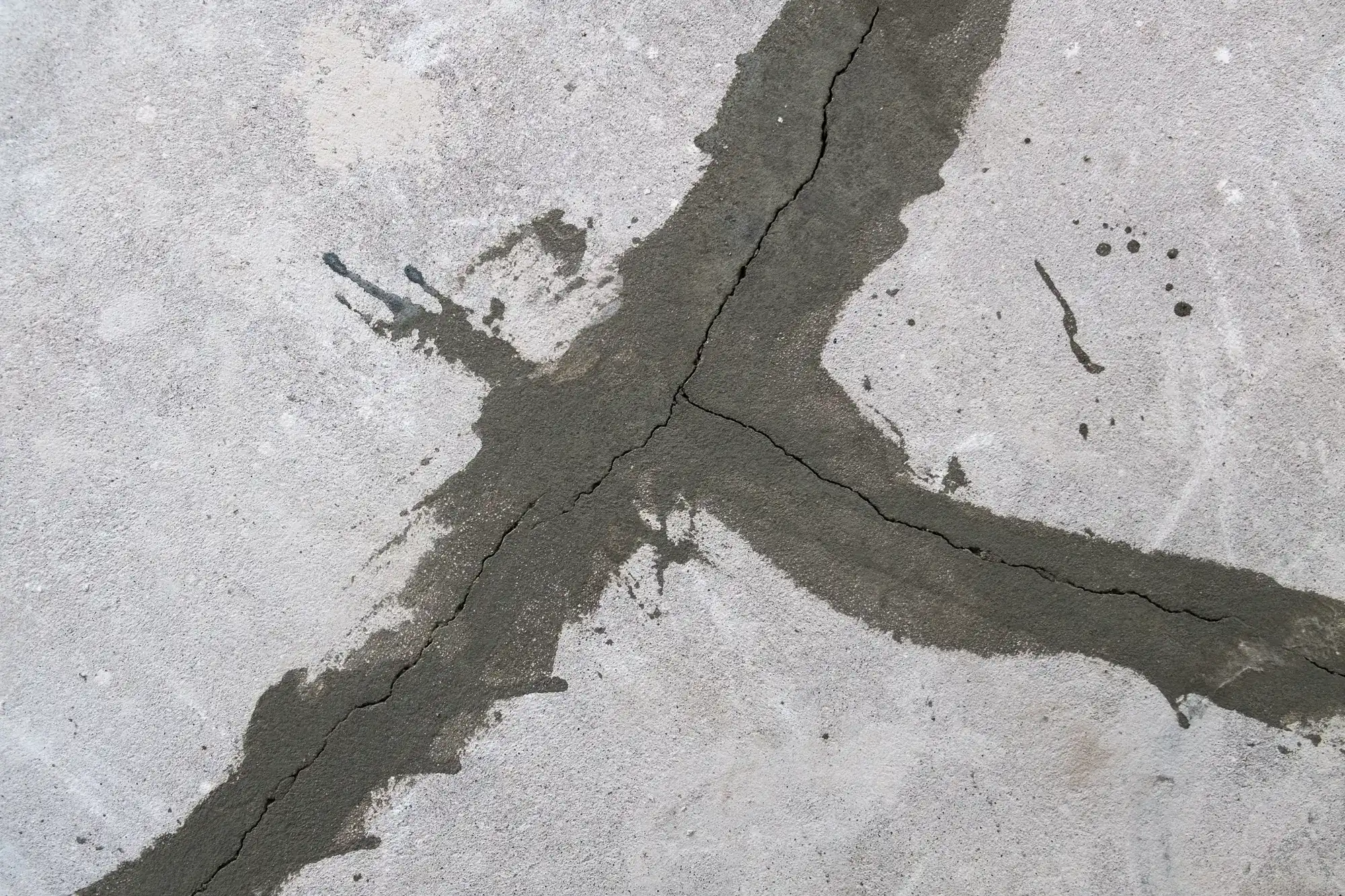
For oil stains, we use specialized degreasers and cleaning processes before sealing. Minor cracks can be repaired as part of the preparation process. However, severely damaged concrete may need resurfacing or repair work before sealing provides effective protection.
The key is honest assessment upfront. We’ll tell you if your concrete needs additional work before sealing, because cutting corners on preparation leads to sealer failure and wasted money. Our goal is protection that lasts, not quick fixes that fail.
Will sealing make my concrete slippery when wet?
Not with the right sealer and proper application. We use penetrating sealers that maintain the concrete’s natural texture while providing protection. These sealers actually enhance slip resistance compared to unsealed concrete.
The slippery reputation comes from topical sealers that create a film on the surface. Our penetrating sealers soak into the concrete pores, so you keep the original surface texture with added protection against moisture and stains.
For pool decks or areas where slip resistance is critical, we can add texture agents to the sealer or recommend specific products designed for high-traction applications. Safety and protection work together, not against each other.
How soon can I use my concrete after sealing?
Most sealed concrete is ready for foot traffic within 24 hours, though we recommend waiting until there’s no tackiness to the touch. Full curing takes longer, so timing depends on your specific needs.
For furniture and light items, wait 48 hours minimum. Heavy furniture or equipment should stay off the surface for at least 48-72 hours. Vehicle traffic requires 3 days, and if the surface still feels tacky, add another day.
Weather affects curing time significantly. High humidity or cool temperatures slow the process, while hot, dry conditions speed it up. We provide specific timing guidance based on conditions during your project and follow up to ensure everything cures properly.
What’s the difference between sealing and coating concrete?
Sealing penetrates into the concrete pores to provide protection from within, while coating sits on top of the surface. Think of sealing as sunscreen that soaks in versus coating as a protective layer you apply over your skin.
Penetrating sealers maintain the concrete’s natural appearance and breathability while blocking water, stains, and contaminants. They’re invisible once applied but provide long-lasting protection against Florida’s climate challenges.
Coatings like epoxy create a visible surface layer that can add color, texture, or specific performance properties. Both have their place, but for basic concrete protection in Florida’s climate, penetrating sealers typically provide the best combination of protection, durability, and natural appearance.
Do I need to seal new concrete or just old concrete?
Both benefit from sealing, but timing matters for new concrete. Fresh concrete needs 28 days to fully cure before most sealers can be applied effectively. However, some specialized “cure and seal” products work on concrete that’s 2-28 days old.
New concrete sealing is actually ideal because you’re providing protection before damage occurs. It’s like getting insurance before you need it rather than trying to fix problems after they develop.
Older concrete often needs more preparation work, but sealing still provides significant benefits even for surfaces that have been exposed to the elements. The key is proper surface preparation and choosing the right sealer for your concrete’s current condition and age.
Other Services we provide in Sandhill Crossing