


VCT Removal in Fort Lauderdale, FL
Your VCT Nightmare Ends Here
Hear from Our Customers
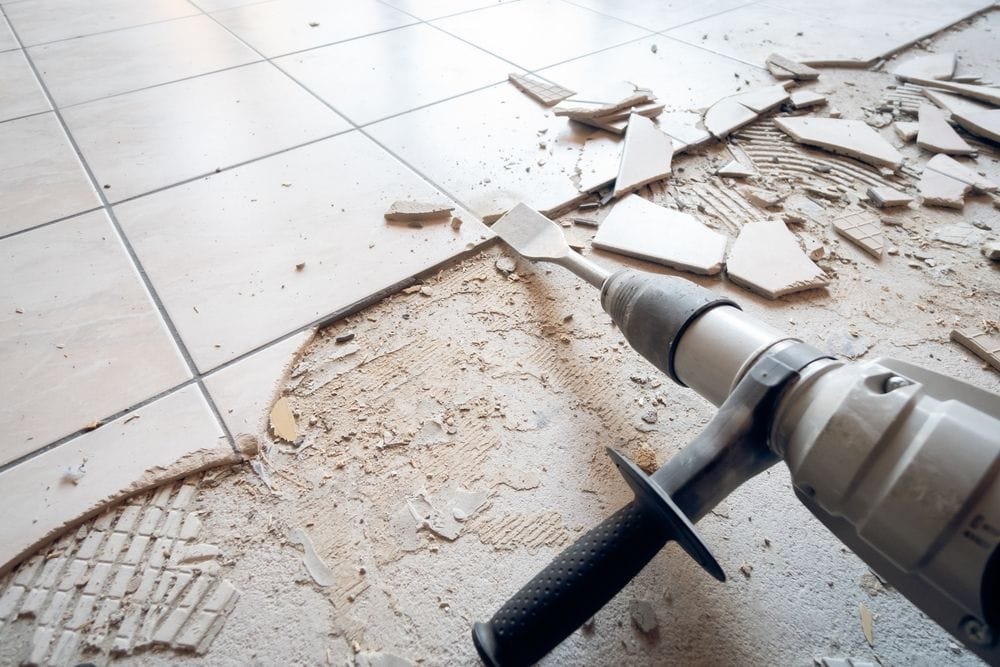
Professional Floor Removal Fort Lauderdale
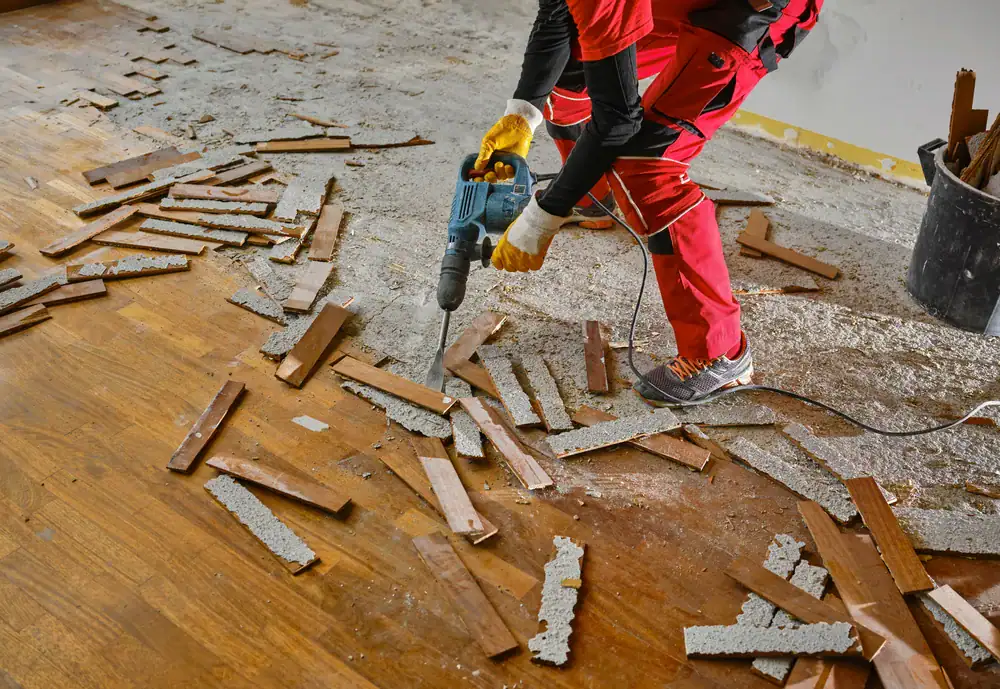
You know that sinking feeling when you realize your VCT isn’t just coming up—it’s practically welded to your concrete. The adhesive has had years to bond, creating what feels like an impossible removal job.
Here’s what changes when you work with professionals who actually know VCT removal: Your concrete gets properly profiled for new flooring. No dust clouds that shut down your business for days. No leftover adhesive ridges that telegraph through your new floor.
Your space gets returned to you clean, level, and ready for whatever flooring system comes next. Because that’s the point—not just getting the old stuff off, but preparing the foundation for something better.
Flooring Contractor Fort Lauderdale FL
We’ve been handling complex flooring projects in South Florida since 2020, but our experience runs much deeper. We’ve completed projects for the US Coast Guard, US Army, City of Doral, and City of Sunny Isles—the kind of work that demands precision and accountability.
Fort Lauderdale’s commercial landscape presents unique challenges. High humidity, constant traffic, and tight deadlines mean you can’t afford contractors who treat VCT removal like a weekend DIY project. We use dust-free removal systems and professional-grade equipment because your business can’t shut down for weeks while someone figures it out.
When government agencies and major commercial clients need flooring work done right, they call us. Because in this business, your reputation is everything—and ours is built on getting complex jobs done without drama.
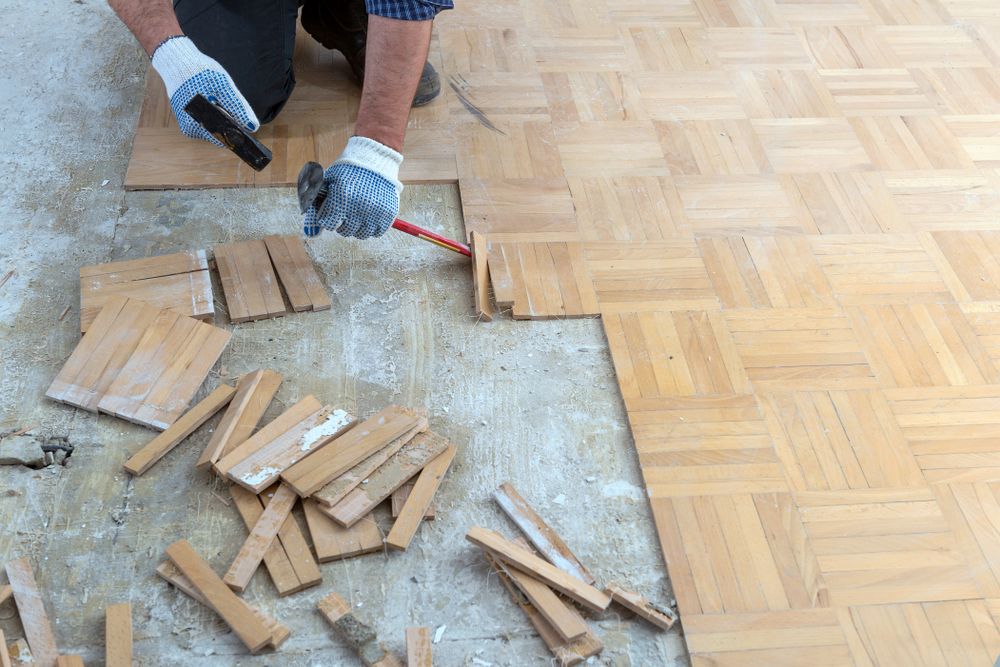
VCT Adhesive Removal Process
First, we protect everything that’s staying. Dust containment systems go up, and we cover surfaces, equipment, and anything else in the area. This isn’t optional—VCT removal done wrong creates crystalline silica dust that’s both hazardous and impossible to clean up properly.
Next comes the actual removal using specialized equipment that captures dust at the source. We’re not just prying up tiles and hoping for the best. Our vacuum systems eliminate 95% of airborne particles while we work, keeping your air clean and your business operational.
The critical step most contractors skip: complete adhesive removal and concrete profiling. Leaving adhesive residue guarantees problems with your new flooring. We grind the surface smooth and level, creating the proper profile for whatever flooring system you’re installing next. When we’re done, you have a clean concrete surface that’s actually ready for the next phase of your project.
Ready to get started?
Vinyl Composition Tile Flooring Services
Complete VCT and adhesive removal using dust-free technology. We don’t just pull up tiles—we remove every trace of adhesive and properly profile your concrete substrate. This includes grinding away residue, filling low spots, and creating the right surface texture for new flooring installation.
Fort Lauderdale’s commercial buildings present specific challenges. Many facilities can’t shut down operations for traditional removal methods that create days of dust and debris. Our contained removal process keeps your business running while we work, with minimal disruption to daily operations.
Full debris removal and cleanup are standard. We don’t leave you with a dumpster full of old tiles and adhesive chunks. Everything gets hauled away, and your space gets returned to you clean and ready for the next phase. Because the goal isn’t just removing old flooring—it’s preparing your space for whatever comes next.
How long does VCT removal take in a commercial space?
Timeline depends on square footage and adhesive condition, but most commercial VCT removal projects take 2-5 days. The age and type of adhesive significantly impact removal time—older installations with black mastic adhesive take longer than newer VCT with standard adhesives.
We can often work around your business schedule, including evenings and weekends to minimize operational disruption. Emergency removal projects can be expedited with additional crews. The key is proper planning and realistic expectations about what’s involved in complete removal and surface preparation.
Can you remove VCT without creating dust throughout the building?
Yes, using specialized dust containment systems that capture particles at the source. Traditional VCT removal creates hazardous crystalline silica dust that spreads throughout buildings and requires extensive cleanup. Our vacuum systems eliminate 95% of airborne particles during removal.
We set up containment barriers and use negative air pressure to prevent dust migration to other areas. This is especially critical in occupied buildings, healthcare facilities, or spaces with sensitive equipment. The dust-free process costs more upfront but eliminates the hidden costs of building-wide cleanup and operational shutdowns.
What happens if adhesive residue is left on the concrete?
Leftover adhesive guarantees problems with new flooring installation. Adhesive residue prevents proper bonding of new flooring materials, creates uneven surfaces that telegraph through new floors, and can cause premature failure of expensive flooring systems.
Complete adhesive removal requires mechanical grinding to properly profile the concrete surface. This isn’t just scraping—it’s creating the right surface texture and cleanliness for optimal adhesion. Skipping this step to save money upfront typically results in flooring failures that cost far more to fix later.
Is VCT removal different in Fort Lauderdale’s climate?
South Florida’s humidity affects both VCT installation and removal. High humidity can make adhesives more pliable, sometimes making removal easier, but it also means moisture management becomes critical during the process. Concrete surfaces must be properly dried before new flooring installation.
Fort Lauderdale’s commercial buildings often have HVAC systems that can’t be shut down during removal. We coordinate with facility managers to maintain climate control while containing dust and debris. The goal is completing removal without compromising indoor air quality or building environmental systems.
Do you handle asbestos-containing VCT and adhesives?
VCT installed before 1980 often contains asbestos, and black mastic adhesives frequently contain asbestos fibers. This requires specialized abatement procedures beyond standard removal techniques. We coordinate with certified asbestos contractors when testing reveals hazardous materials.
Proper testing is essential before starting any VCT removal project in older buildings. Disturbing asbestos-containing materials without proper precautions creates serious health and legal liabilities. We help clients navigate testing requirements and connect them with qualified abatement specialists when needed.
Can individual VCT tiles be removed for repairs?
Individual tile replacement is possible but challenging due to adhesive bonding strength. Heat guns and specialized tools can soften adhesive for single tile removal, but matching existing tiles and achieving seamless repairs requires skill and often isn’t cost-effective for small areas.
For larger repair areas or when multiple tiles need replacement, partial removal and patching may be more practical than full floor replacement. We evaluate each situation to recommend the most cost-effective approach—whether that’s spot repairs, section replacement, or complete removal and new installation.
Other Services we provide in Fort Lauderdale