


VCT Removal in Homestead, FL
Safe VCT Removal Done Right
Hear from Our Customers
Professional Floor Removal Homestead
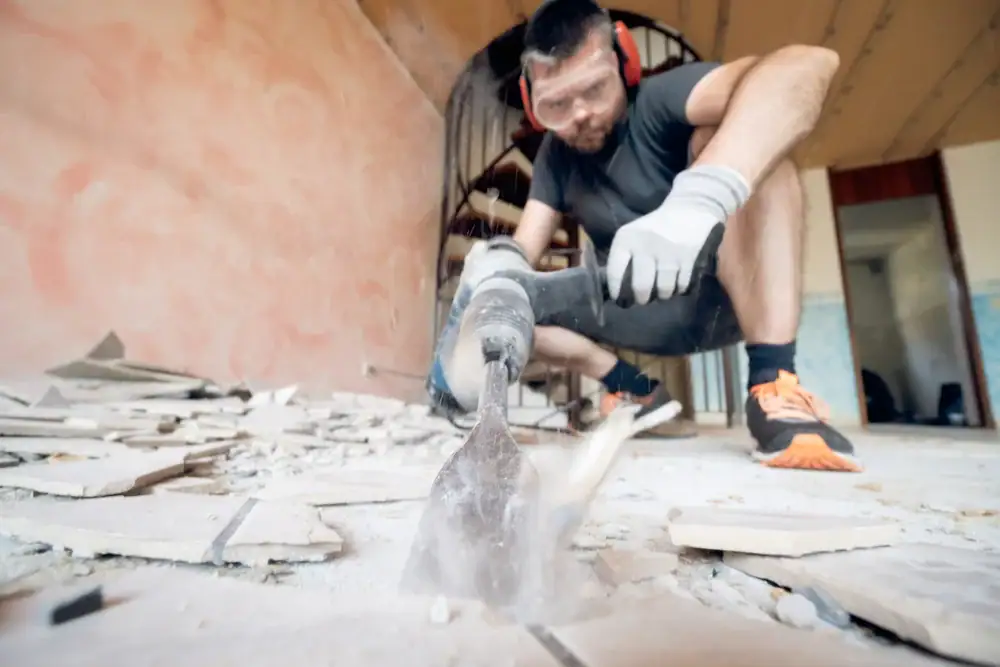
You’re looking at a clean slate. No dust clouds settling on your equipment. No debris scattered across your property. No wondering if the job was done safely.
When VCT removal is handled right, you walk into a space that’s actually ready for what comes next. The old flooring is gone, the surface is properly prepared, and you can move forward with your new flooring project without delays or surprises.
That’s what professional removal gets you—a foundation you can build on, literally and figuratively.
Flooring Contractors Homestead FL
We’ve been handling complex flooring projects across South Florida since 2020. We’ve worked with everyone from homeowners upgrading their kitchens to government facilities including the Coast Guard and City of Doral.
Homestead’s mix of residential neighborhoods and commercial properties means we see it all—from retail spaces needing quick turnarounds to warehouses requiring specialized removal techniques. We understand the unique challenges of working in South Florida’s climate and the importance of getting projects done efficiently.
Our approach is straightforward: test first, remove safely, clean thoroughly. No shortcuts, no surprises.
VCT Tile Removal Process
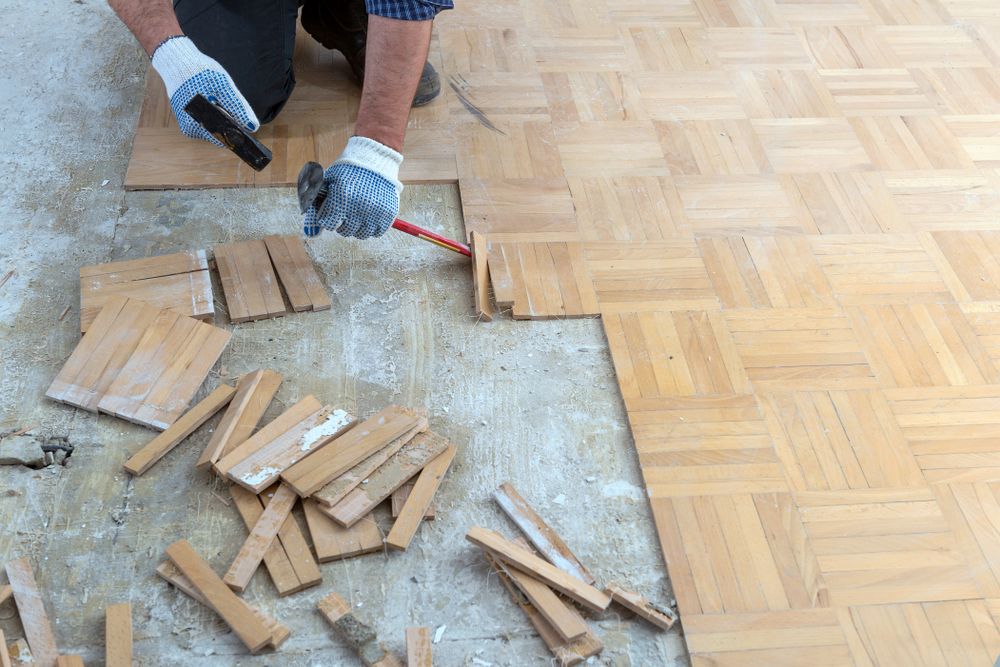
First, we test your existing flooring for asbestos—especially important for any VCT installed before 1984. This isn’t optional; it’s required by EPA standards and protects everyone involved.
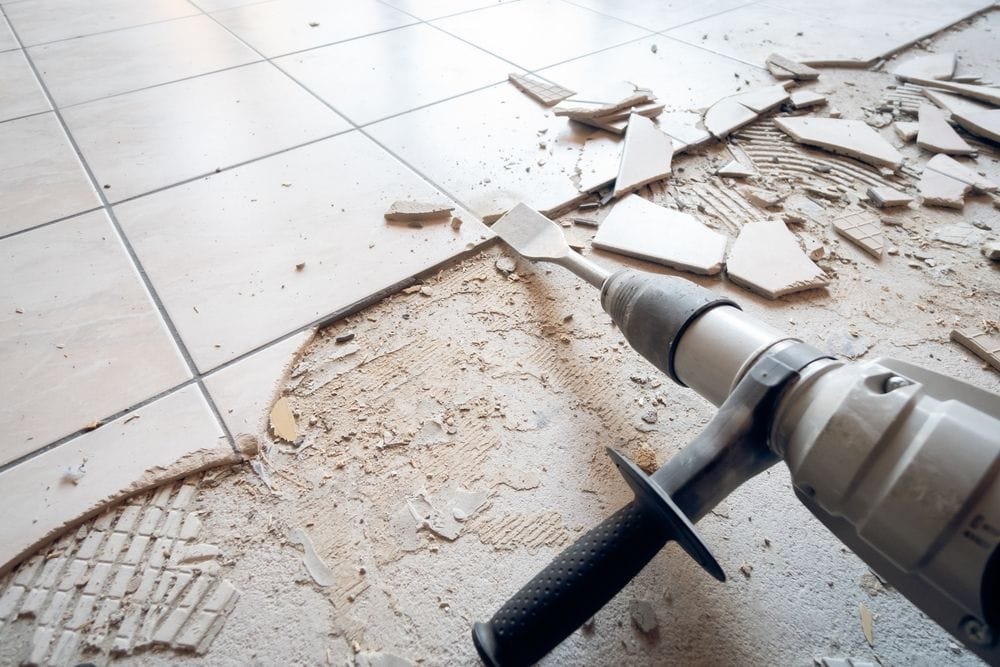
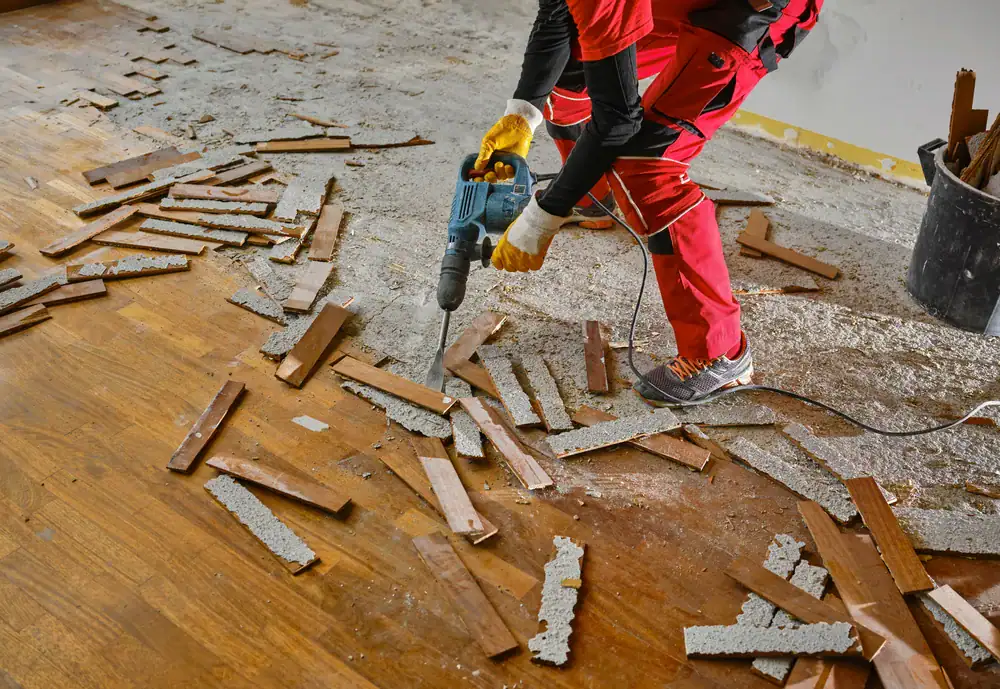
Next comes the actual removal using professional-grade equipment designed for clean, efficient work. Our ride-on and walk-behind scrapers handle both the tiles and adhesive without creating the dust clouds you’d get from amateur attempts.
Finally, we handle proper disposal and site cleanup. You’re left with a clean surface that’s ready for whatever flooring comes next—whether that’s tomorrow or next week.
Ready to get started?
Vinyl Composition Tile Services
Professional VCT removal covers more than just pulling up tiles. We handle asbestos testing when needed, complete tile and adhesive removal, and proper waste disposal according to Florida regulations.
In Homestead’s commercial district, we often work with businesses that can’t afford extended downtime. That’s why our process is designed for efficiency—we can often complete removal and have your space ready for new flooring installation the next day.
For residential projects, we understand you’re living with the disruption. Our eco-friendly removal process minimizes dust and chemical exposure, making the process more manageable for families.
Every project includes site cleanup and surface preparation, so your new flooring contractor can start immediately without additional prep work.
Do I need asbestos testing before VCT removal in my Homestead property?
Yes, asbestos testing is required by EPA standards for any VCT installed before 1981, and we recommend it for any flooring where the installation date is unknown. Many VCT tiles installed through the early 1980s contained asbestos fibers, and the black mastic adhesive underneath often contained asbestos as well.
The testing process is straightforward and inexpensive compared to the health risks of improper removal. We can arrange testing through certified laboratories, and results typically come back within a few days.
If asbestos is present, removal requires specialized procedures and licensed contractors. If not, we can proceed with standard removal methods. Either way, testing gives you certainty and protects everyone involved.
How long does VCT removal take for a typical commercial space?
Most commercial VCT removal projects in Homestead take 1-3 days depending on the square footage and condition of the existing flooring. A typical office space of 2,000-3,000 square feet usually takes about two days from start to cleanup.
The timeline can vary based on several factors: whether asbestos is present (requiring additional safety protocols), how well the adhesive has bonded over time, and the condition of the substrate underneath. Older installations where the adhesive has become extremely hard may take longer.
We always provide realistic timelines during our initial consultation. For businesses that can’t afford extended downtime, we can often work evenings or weekends to minimize disruption to operations. The goal is always to have your space ready for new flooring installation as quickly as possible.
What happens to the old VCT tiles and adhesive after removal?
All removed materials are disposed of according to Florida environmental regulations. If asbestos is present, the tiles and adhesive must be handled as hazardous waste and disposed of at specially licensed facilities.
For non-asbestos VCT, the materials can be disposed of through standard construction waste channels, but we still follow best practices for environmental responsibility. This includes proper containment during removal and transport to appropriate disposal facilities.
We handle all disposal logistics as part of our service. You don’t need to worry about finding disposal sites, obtaining permits, or ensuring compliance with local regulations. Everything is included in our project scope, and we provide documentation of proper disposal when required.
Can you remove VCT without damaging the concrete underneath?
Yes, with proper equipment and technique, VCT can be removed without damaging the concrete substrate. We use professional-grade scrapers and removal methods specifically designed to preserve the underlying surface.
The key is using the right tools for the specific type of adhesive and tile. Some older mastics become very hard over time and require different approaches than newer installations. Our equipment includes both ride-on machines for large areas and walk-behind units for detailed work around obstacles.
Occasionally, minor surface imperfections may occur, especially with very old installations where the adhesive has bonded extremely well to the concrete. However, these can usually be addressed during the surface preparation phase before new flooring installation. We’ll identify any potential issues during our initial assessment and discuss options with you.
Do you provide emergency VCT removal services in Homestead?
Yes, we offer emergency response for situations where VCT removal becomes urgent—such as water damage, safety hazards from loose tiles, or unexpected discoveries during renovation projects.
Emergency situations often arise in commercial settings where loose or damaged VCT creates liability issues, or when renovation timelines get compressed. We understand that business operations can’t always wait for standard scheduling.
Our emergency response typically means we can mobilize within 24-48 hours, depending on the scope of work required. For true emergencies involving safety hazards, we can often respond same-day. Keep in mind that emergency services may involve premium pricing due to schedule adjustments and rapid mobilization requirements.
What should I do to prepare my Homestead property for VCT removal?
The main preparation involves clearing the area of furniture, equipment, and any moveable items. We need complete access to the flooring surface to work efficiently and safely.
For commercial spaces, coordinate with building management about elevator access, parking for our equipment, and any special security or access requirements. If the work area connects to occupied spaces, consider temporary barriers to contain dust and noise.
We’ll handle the technical preparation including plastic sheeting, dust control measures, and equipment setup. If asbestos is present, additional containment procedures are required, but we manage all of that as part of our service. The most important thing is having clear access to the work area and a designated space for our equipment.
Other Services we provide in Homestead