


Concrete Grinding in Copper Creek, FL
Dustless Concrete Grinding That Actually Protects Your Space
Hear from Our Customers
Professional Concrete Floor Grinding Contractors
When your concrete surface is ground correctly, the difference shows up immediately. Coatings bond stronger because there’s no leftover adhesive creating high spots. Sealers penetrate evenly instead of pooling in low areas. New flooring sits flush without wavy edges or loose planks.
You’re not dealing with dust settling on equipment for weeks after the job. Our dustless grinding system uses HEPA filtration that captures over 99% of particles at the source. That means your facility stays operational, your team stays healthy, and you’re not paying for extensive post-job cleanup.
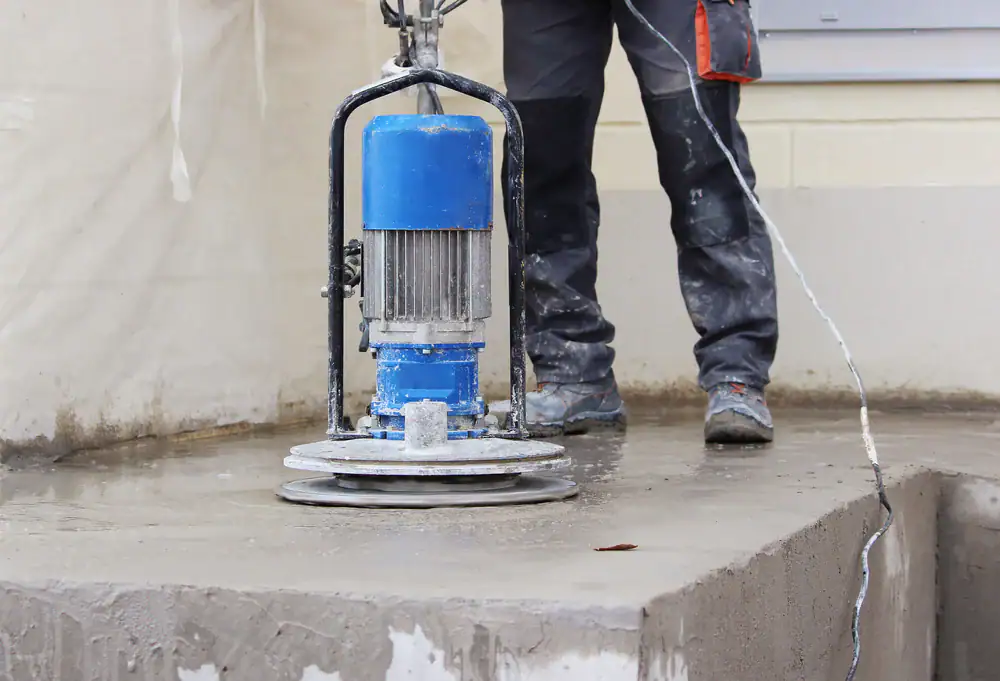
The surface itself becomes more than just “prepared.” Diamond grinding removes minor pitting, smooths out faulting, and creates the exact profile your next layer needs. Whether you’re installing epoxy, applying a thin-mil coating, or polishing the concrete itself, you’re starting from a foundation that won’t cause problems six months down the line.
Concrete Grinding Services Copper Creek FL
We’ve been handling concrete restoration services across Florida since 2020. We’ve ground floors for the U.S. Coast Guard, Army facilities, City of Doral, and Sunny Isles municipal projects. When government contracts require precision and accountability, they call us.
We don’t subcontract. Every person on your job site is a full-time SPF employee who knows exactly how to handle South Florida’s concrete challenges—high humidity that affects cure times, thermal expansion from heat, and the specific surface prep requirements for coastal environments.
Copper Creek properties deal with the same climate factors as the rest of South Florida. Concrete here expands and contracts more than northern climates. It absorbs moisture differently. Our grinding approach accounts for these local conditions because we’ve been working in them for years, not just reading about them in a manual.
Concrete Grinding Service Process
First, we assess what’s actually on your concrete. Old adhesive, existing coatings, uneven patches—each one requires a specific diamond grit and grinding pattern. We’re not using the same approach on a warehouse floor that we’d use on a residential garage.
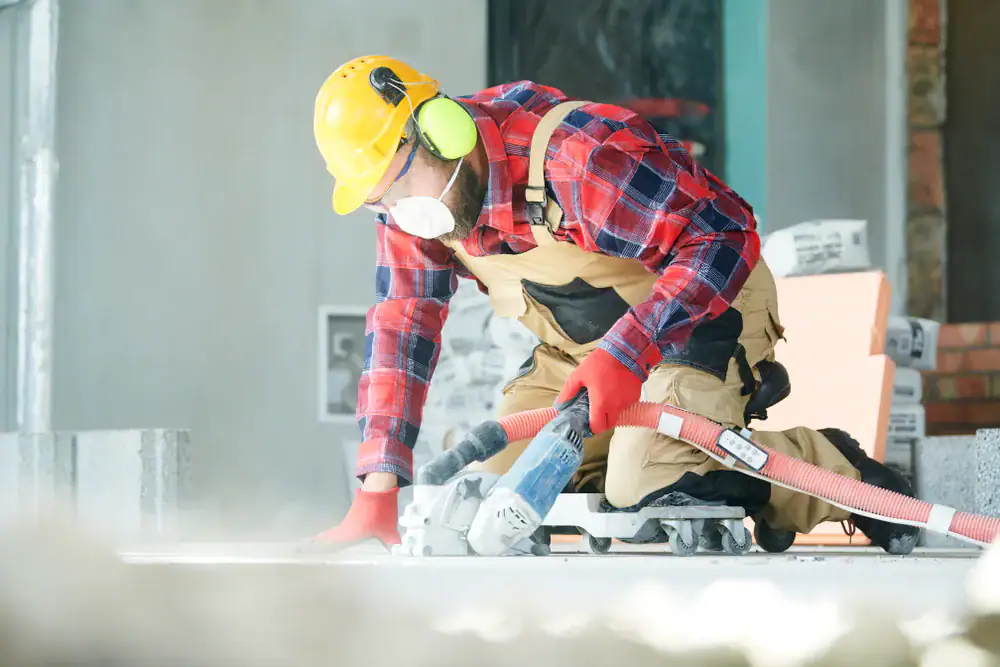
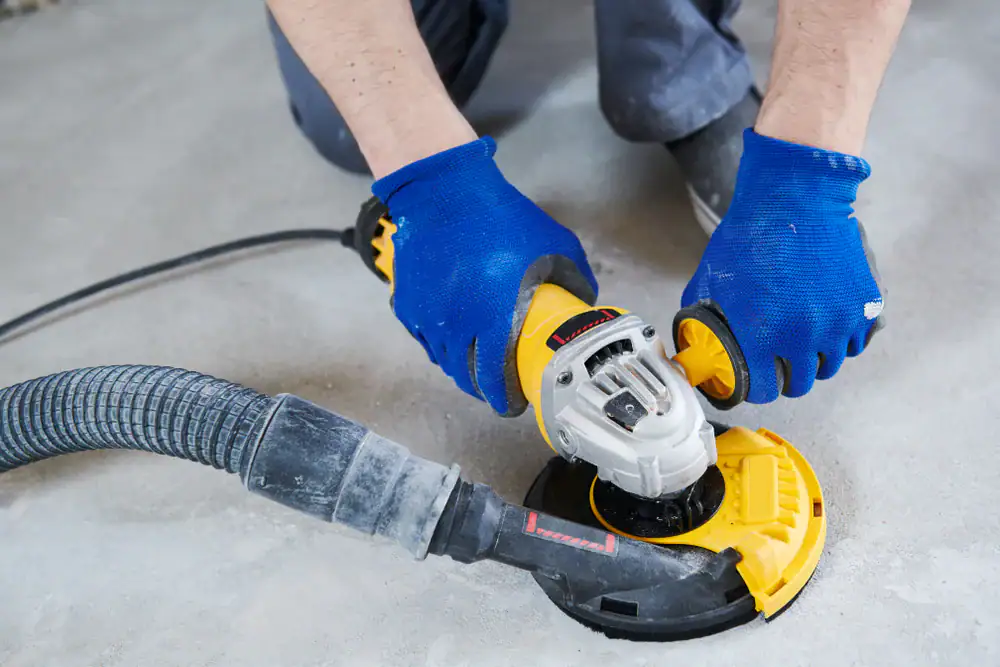
The grinding itself uses industrial equipment connected to high-performance vacuums. As the diamond bits cut into the surface, dust gets pulled directly into HEPA filters before it ever reaches the air. You’ll see the surface changing in real time—smoothing out, leveling off, exposing clean concrete underneath.
We check the profile as we go. Coatings need a certain amount of surface texture to bond properly. Too smooth and they won’t grip. Too rough and you’ll see the texture through thin applications. We’re measuring this throughout the process, not guessing at the end.
After grinding, we handle any crack repairs or joint filling that showed up once the surface was exposed. Then a final pass ensures everything is level and clean. What you’re left with is concrete that’s ready for whatever you’re installing next—or ready to be polished and sealed as-is.
Ready to get started?
Dustless Concrete Grinding Copper Creek
You’re getting full surface preparation, not just a pass with a grinder. That includes removing existing materials, correcting surface irregularities, and creating the right profile for your next step. We bring our own industrial-grade equipment—grinders, vacuums, moisture meters, profile gauges.
In Copper Creek and throughout South Florida, concrete grinding often reveals issues that weren’t visible under old flooring. Cracks from settling. Moisture intrusion spots. Areas where previous repairs failed. We address these during the process, not after you’ve already paid for a coating that won’t hold.
Our dustless system matters more in Florida than almost anywhere else. High humidity means airborne dust doesn’t just settle—it sticks to surfaces and creates a film that interferes with adhesion. Capturing it at the source eliminates that variable entirely. You’re not wiping down walls and equipment for days after we leave.
We work with commercial-grade products from Sherwin Williams and Fosroc for any repairs or prep coatings. These aren’t consumer-level materials. They’re formulated for high-traffic environments and Florida’s climate specifically. When we say a repair will hold, it’s because we’re using products designed for exactly that.

How long does concrete grinding take for a typical commercial space?
For most commercial spaces in Copper Creek, you’re looking at one to three days depending on square footage and what we’re removing. A 2,000 square foot retail space with old tile adhesive usually takes about a day and a half. Larger warehouse floors or spaces with multiple coating layers take longer.
The actual grinding moves faster than you’d expect. What takes time is the prep work before we start and the detail work around edges, corners, and drains. We’re not rushing through those areas because that’s where problems show up later if they’re not handled right.
We can work around your schedule if you need the space operational during certain hours. Some clients have us come in overnight or on weekends. Others shut down a section at a time so the rest of the facility keeps running. We’ve done emergency turnarounds in 24-48 hours when a project timeline got compressed, but that requires advance coordination.
What’s the difference between concrete grinding and shot blasting for surface prep?
Grinding uses diamond bits to cut into the concrete surface. It’s more precise and gives you better control over the final profile. Shot blasting uses steel pellets fired at high speed to roughen the surface. It’s faster on large open areas but harder to control around edges and creates more cleanup even with dust collection.
For most Copper Creek projects, grinding makes more sense. It handles uneven surfaces better, removes old coatings more thoroughly, and doesn’t risk damaging thin concrete or areas near walls. Shot blasting works well on thick industrial slabs where you need aggressive texture and speed matters more than precision.
If you’re preparing for epoxy or a polished concrete finish, grinding is almost always the right call. The profile it creates is more consistent, and you’re not dealing with embedded steel shot that can cause rust spots later. We’ll recommend shot blasting when it actually fits the project, but that’s usually large warehouse spaces with specific coating requirements.
Will concrete grinding fix cracks or do those need separate repair?
Grinding doesn’t fix cracks—it exposes them. That’s actually valuable because you’re seeing the real condition of your concrete before you cover it with new flooring or coatings. Cracks that were hidden under old materials show up clearly once the surface is ground down.
We handle crack repairs as part of the overall surface prep. Small hairline cracks get filled with epoxy or polyurea depending on the location and what’s going on top. Larger structural cracks need routing and filling with flexible sealants that move with the concrete as it expands and contracts. South Florida’s temperature swings make this especially important.
The grinding process itself can sometimes reveal why cracks formed in the first place. Uneven substrate underneath, moisture issues, or areas where the concrete was poured at different times. Knowing that helps us repair it correctly instead of just filling the crack and hoping it doesn’t come back.
How much dust should I expect during the grinding process?
With our dustless grinding system, you shouldn’t see dust clouds or find concrete powder settling on surfaces across the room. The vacuum system pulls particles directly from the grinding head into HEPA filters. You’ll see some fine dust immediately around the work area, but nothing like traditional grinding methods.
This matters more than most people realize. Concrete dust isn’t just messy—it’s a respiratory hazard and it interferes with coating adhesion if it settles on the prepared surface. Traditional grinding requires extensive containment barriers and post-job cleaning that can take as long as the grinding itself.
We’ve ground floors in operating medical facilities, restaurants that stayed open, and office spaces where employees kept working in adjacent rooms. That’s only possible because the dust control actually works. If you’ve had concrete work done before and remember everything covered in gray powder for weeks, this is completely different.
Can you grind concrete that already has epoxy or coating on it?
Yes, and that’s one of the most common reasons people call us. Old epoxy, failed coatings, and previous sealers all need to come off before you can apply anything new. Grinding removes them completely instead of just roughing up the surface and hoping the new layer sticks.
The challenge is that different coatings require different approaches. Thick epoxy might need aggressive diamond grits to break through. Thin sealers sometimes need chemical stripping before grinding. Polyurethane coatings grind differently than polyaspartic. We test a small area first to see how the existing material responds.
What you can’t do is apply new epoxy over old epoxy without proper prep. It might look fine initially, but it’ll delaminate once any stress hits it—thermal expansion, impact, moisture coming up through the slab. Grinding down to clean concrete eliminates that risk entirely. You’re starting fresh with a surface that’s ready to bond.
Do you handle both commercial and residential concrete grinding in Copper Creek?
We handle both, and the approach changes based on the project. Commercial jobs usually involve larger square footage, tighter timelines, and specific coating requirements. Residential work tends to focus more on garage floors, patios, or interior concrete that’s being polished or resurfaced.
The equipment and process stay the same regardless of project size. You’re getting the same dustless grinding system, same diamond tooling, same attention to creating the right surface profile. What changes is scheduling flexibility and how we work around your space. Homeowners usually want us in and out quickly with minimal disruption. Commercial clients often need us to coordinate with other trades or work during off-hours.
Copper Creek properties range from residential homes to commercial spaces, and we’ve worked on both throughout South Florida. Whether it’s a 500 square foot garage or a 20,000 square foot retail space, the concrete doesn’t care about the building type—it needs proper preparation either way.
Other Services we provide in Copper Creek
Leave a Reply