


Concrete Grinding in Glen Ridge, FL
Floors That Work as Hard as You Do
Hear from Our Customers
Professional Concrete Floor Grinding Services
You’re looking at floors that actually stay clean. No more stains soaking in, no more coatings peeling up after a year, no more wondering if you should’ve just replaced everything from the start.
Concrete grinding strips away the damaged surface layer—the part that’s cracked, stained, or uneven—and exposes fresh, dense concrete underneath. That’s the foundation for polished concrete, epoxy coatings, or any finish that needs a clean, level surface to bond properly. Without proper grinding, nothing else holds up. South Florida’s humidity doesn’t care how expensive your coating was if the prep work was rushed.
Once the surface is ground and prepped, you’re working with concrete that can handle heavy equipment, constant foot traffic, spills, and whatever else your facility throws at it. The floor doesn’t just look better—it performs better. Maintenance becomes sweeping and mopping, not constant patching and recoating. You’ll spend less time worrying about your floors and more time running your business.
Concrete Grinding Contractors Glen Ridge
We handle concrete grinding and polished concrete for commercial and residential properties throughout Glen Ridge and South Florida. We’re veteran-owned, which means we show up on time, we don’t cut corners, and we finish what we start.
You’re not getting a crew that disappears halfway through or a company that subcontracts the actual work. Everything’s done in-house with our own equipment and our own people. We’ve worked with the Coast Guard, the U.S. Army, the City of Doral, and Sunny Isles, plus high schools, food processing plants, and sports stadiums. If the job requires precision and accountability, we’ve probably done it.
Glen Ridge properties deal with the same challenges the rest of South Florida faces—high humidity, temperature swings, and concrete that wasn’t always poured with longevity in mind. We prep floors to handle those conditions, not just cover them up and hope for the best.
Our Concrete Grinding Process
First, we assess your floor. Not every concrete slab is the same, and not every damaged surface needs the same level of grinding. We look at cracks, surface wear, existing coatings, and what you’re planning to do with the floor after we’re done. That tells us which diamond grit sequence to use and how much material we need to remove.
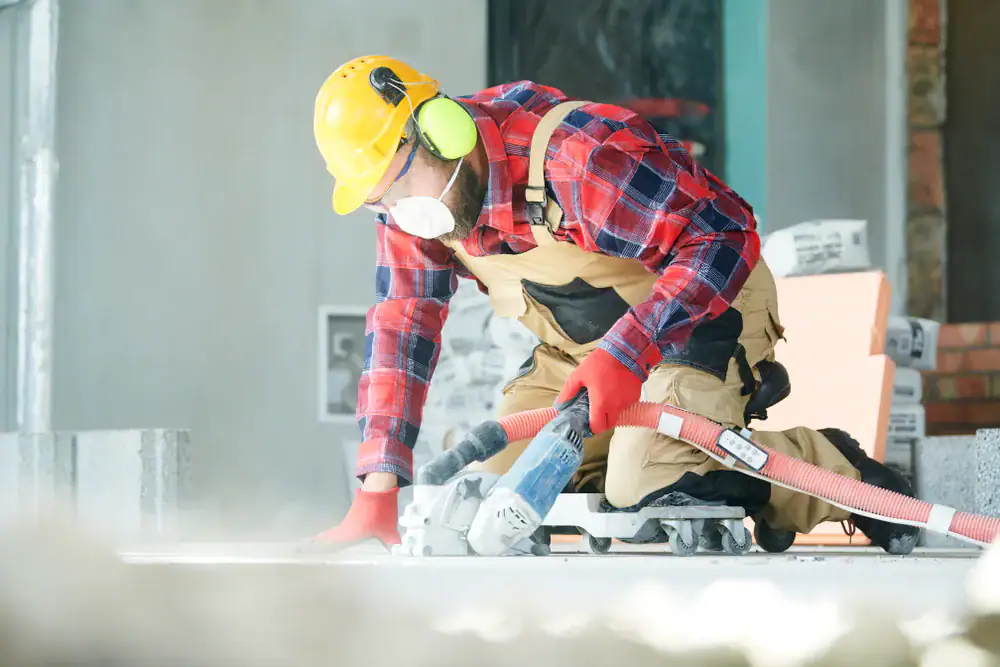
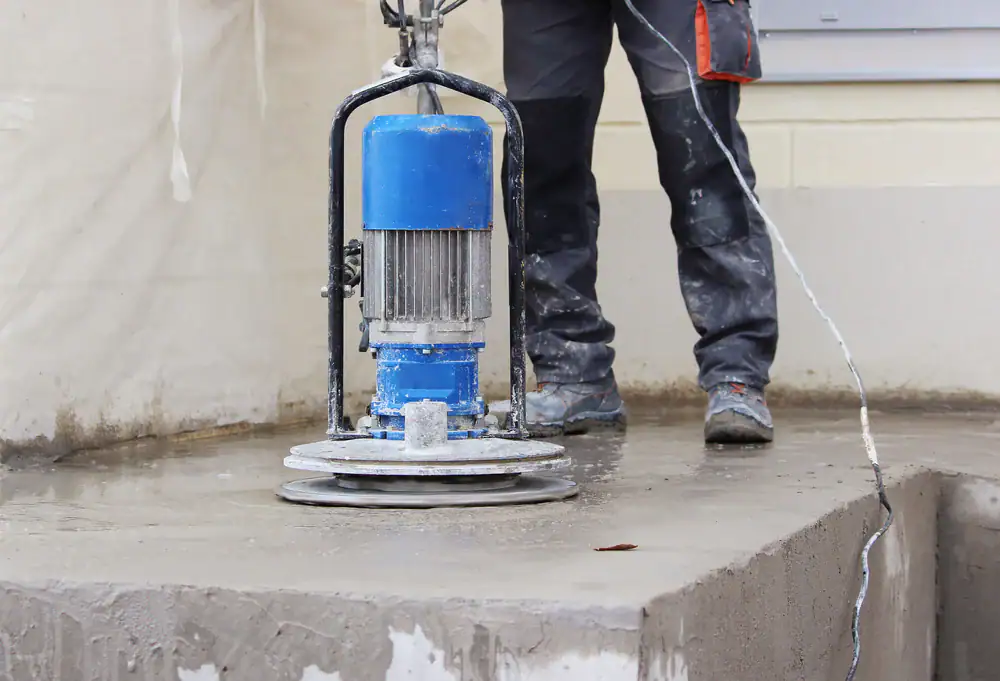
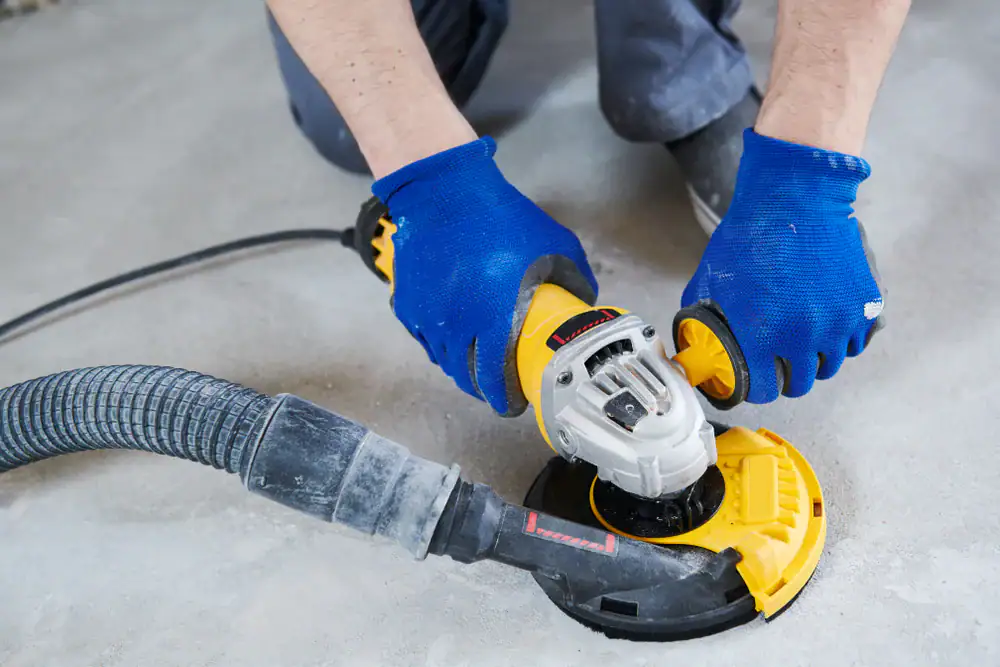
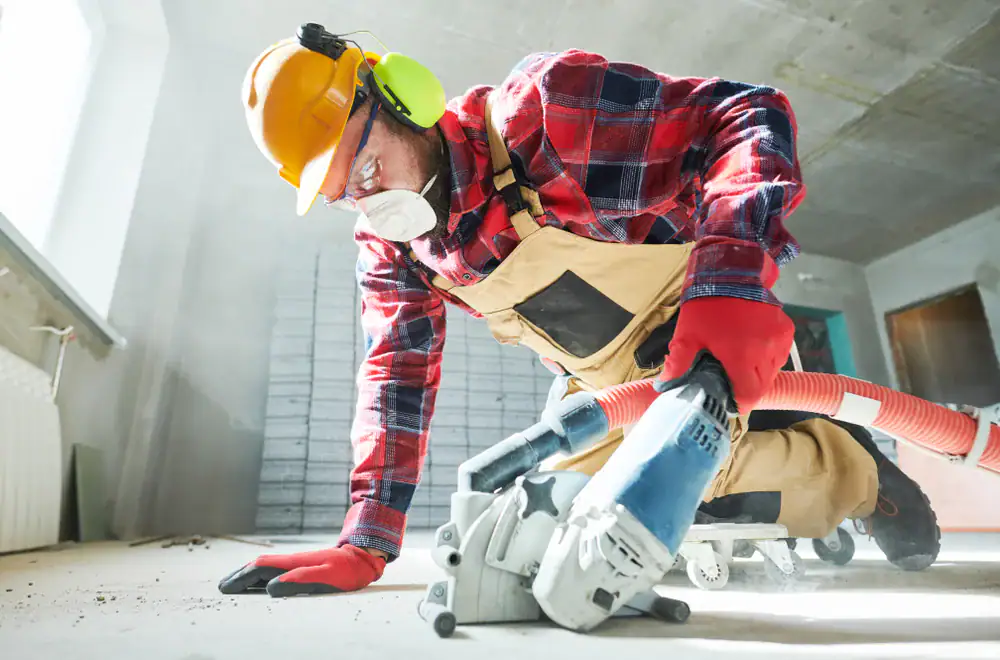
Then we grind. We use industrial-grade diamond grinding equipment—the same machines used in major commercial and industrial facilities—to remove the damaged layer and expose clean, sound concrete. If there’s old paint, adhesive, or a failed coating, it comes off during this process. We’re not patching over problems. We’re removing them.
After grinding, we repair any cracks or surface imperfections. Concrete doesn’t have to be perfect, but it does need to be structurally sound before we move forward. Once repairs are done, the surface is ready for polishing, sealing, or whatever finish you’re applying. The whole process usually takes one to three days depending on square footage, and you can resume normal operations within 24 to 48 hours. No weeks of downtime. No lingering dust if we’re using dustless equipment. Just a floor that’s ready to work.
Ready to get started?
Concrete Restoration Services Glen Ridge
Concrete grinding handles surface damage that most people assume means total replacement. Stains that won’t come out, pitting from wear or chemical exposure, uneven spots from settling or poor installation, old coatings that are peeling or bubbling—all of that gets removed when we grind the surface down to fresh concrete.
In Glen Ridge and the surrounding areas, a lot of concrete floors were poured decades ago without much thought given to moisture barriers or proper curing. That’s why you see so many coatings fail within a few years. The slab itself might be fine, but the surface layer is compromised. Grinding removes that compromised layer and gives you a clean slate. You’re not covering up the problem—you’re eliminating it.
This process also preps floors for polished concrete, which is one of the most durable and low-maintenance options available. Polished concrete costs 30 to 50% less than installing new flooring materials, lasts 30-plus years in commercial settings, and cuts your annual maintenance costs by 60 to 80%. It handles South Florida’s humidity without breaking down because the densification process resists moisture penetration. And the reflective finish can reduce your lighting costs by up to 30%, which adds up fast in larger facilities.
How long does concrete grinding take, and will it disrupt my business?
Most concrete grinding projects take one to three days depending on the size of the area and the condition of the floor. If you’re running a business, that timeline matters because you can’t afford weeks of downtime.
We work fast, but we don’t rush the prep. Grinding has to be done in stages using progressively finer diamond grits, and skipping steps means the finish won’t hold up. That said, you’re usually looking at 24 to 48 hours before you can resume normal operations. If we’re prepping for a polished concrete finish, the full process takes a bit longer, but the floor is still usable much faster than if you were installing tile, vinyl, or any other material that requires demolition and curing time.
If dust is a concern—and it usually is in occupied facilities—we use dustless grinding equipment that captures and contains the debris as we work. You’re not dealing with concrete dust settling on equipment, inventory, or workspaces. The job gets done, and your facility stays functional.
Can you grind concrete that already has a coating or epoxy on it?
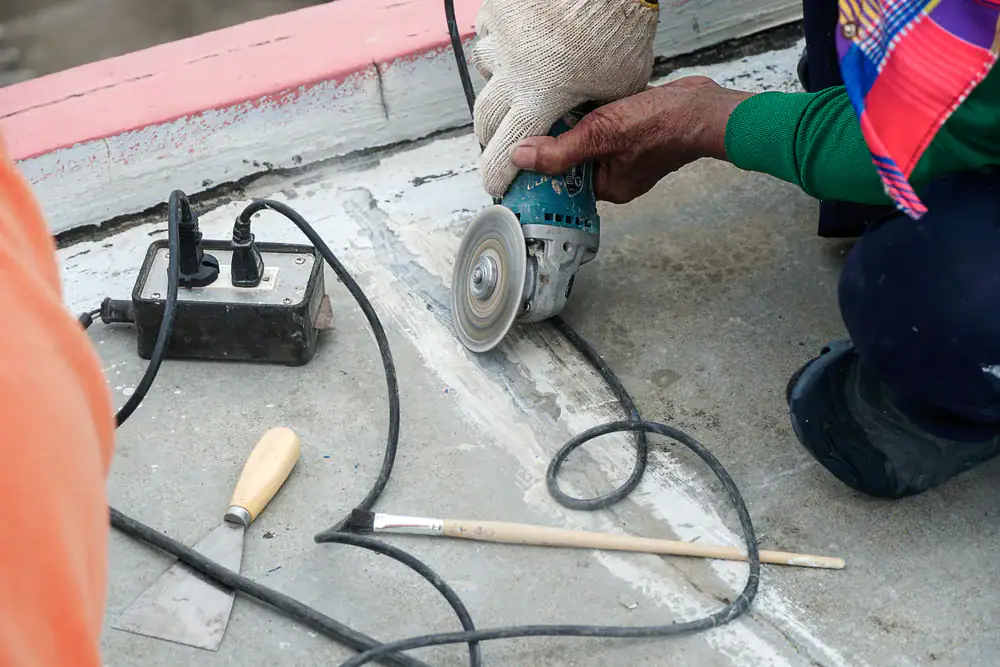
Yes. In fact, removing old coatings is one of the main reasons people call us. If your epoxy is peeling, bubbling, or just worn out, grinding strips it off and preps the surface for a new application.
A lot of coatings fail because the concrete wasn’t prepped correctly the first time. If the surface wasn’t ground or shot-blasted before the coating went down, there’s nothing for it to bond to. It might look fine for six months or a year, but eventually it starts lifting. Grinding removes the failed coating and creates the profile the new coating needs to actually stick.
We also handle adhesive removal, paint removal, and any other surface contamination that’s preventing a proper bond. The goal is to get down to clean, sound concrete so whatever finish you’re applying actually lasts. If you’ve already had one coating fail, you don’t want to make the same mistake twice.
What’s the difference between concrete grinding and polishing?
Grinding is the prep work. Polishing is the finish. You can’t polish concrete without grinding it first, but you can grind concrete without polishing it if you’re prepping for a coating or overlay instead.
Grinding removes the damaged or contaminated surface layer and levels out any uneven spots. It’s aggressive, and it’s meant to expose fresh concrete and create a clean surface. Polishing takes that ground surface and refines it using finer and finer diamond grits until the concrete is smooth and reflective. The polishing process also includes a densifier, which hardens the surface and makes it resistant to moisture, stains, and wear.
If you’re planning to apply epoxy, a sealer, or any kind of overlay, you only need grinding. If you want a polished concrete finish—the kind that’s shiny, durable, and low-maintenance—you need both grinding and polishing. We handle both, and we’ll walk you through which option makes sense for your facility and your budget.
Will grinding fix cracks in my concrete floor?
Grinding removes surface damage, but it doesn’t repair structural cracks. If your floor has cracks, we’ll fill and seal them after grinding and before applying any finish. That’s part of the prep process, and it’s not optional if you want the floor to hold up.
Small hairline cracks are common and usually not a structural issue. We fill those with epoxy or polyurea, grind the repair flush with the surrounding surface, and move forward. Larger cracks—especially ones that are active or getting worse—might indicate a bigger problem with the slab or the substrate underneath. In those cases, we’ll let you know what’s going on and what your options are before we start the work.
The key is that grinding doesn’t make cracks worse, and it doesn’t hide them. It exposes the true condition of your concrete so we can address any issues before they become expensive problems. You’re getting an honest assessment, not a quick cover-up that fails in a year.
How much does concrete grinding cost compared to replacing the floor?
Concrete grinding and polishing typically costs 30 to 50% less than installing new flooring materials like tile, vinyl, or hardwood. You’re also avoiding demolition costs, disposal fees, and the downtime that comes with tearing out an old floor and waiting for a new one to cure or set.
The exact cost depends on the size of the area, the condition of the concrete, and what finish you’re applying afterward. A straightforward grinding job to prep for epoxy is less expensive than a full polished concrete installation with multiple levels of sheen and decorative options. But even at the higher end, you’re still spending less than you would on replacement, and you’re getting a floor that lasts 30-plus years with minimal maintenance.
When you factor in the lifespan and the reduced maintenance costs—60 to 80% less than traditional flooring—the return on investment is clear. You’re not just saving money upfront. You’re saving money every year for the next two or three decades.
Do you offer concrete grinding for residential properties in Glen Ridge?
Yes. We work with homeowners, commercial property managers, and industrial facilities throughout Glen Ridge and Palm Beach County. Residential concrete grinding is common for garages, basements, patios, and interior floors where homeowners want the durability and look of polished concrete without the cost of new flooring.
The process is the same whether it’s a 500-square-foot garage or a 50,000-square-foot warehouse. We assess the slab, grind away the damaged surface, make any necessary repairs, and prep the floor for whatever finish you’re applying. For residential projects, turnaround is usually faster because the square footage is smaller, but we don’t cut corners just because it’s a smaller job.
A lot of homeowners in South Florida are dealing with old concrete that’s stained, cracked, or covered in failed coatings. Grinding gives you a fresh start without the expense and hassle of demolition. And if you’re planning to sell, polished concrete is a selling point—it’s modern, low-maintenance, and it appeals to buyers who don’t want to deal with carpet, tile grout, or constant floor repairs.
Other Services we provide in Glen Ridge
Leave a Reply