


Concrete Grinding in Homestead Base, FL
Floors That Last Because They’re Prepped Right
Hear from Our Customers
Concrete Floor Grinding Contractors Homestead Base
You’re not paying for someone to run a machine across your floor. You’re paying for a surface that’s profiled correctly so coatings bond, moisture doesn’t push through, and the floor stays level for years.
Most epoxy failures happen because the concrete wasn’t ground right. The coating looks fine for six months, then it starts bubbling or peeling at the edges. That’s not the epoxy—it’s the prep. When concrete is ground to the right profile, coatings lock in. You get better light reflection, safer walking surfaces, and a floor that doesn’t need replacing every few years.
If your facility has uneven concrete, trip hazards, or old coatings that need to come off, grinding fixes that before anything else gets applied. It’s the difference between a floor that works and one that costs you twice.
Concrete Grinding Services Homestead Base FL
We’ve been handling concrete grinding and polished concrete work across South Florida since 2020. We’ve worked with the U.S. Coast Guard, Army facilities, the City of Doral, high schools, and county projects—places where the floor actually matters and can’t fail in a year.
Homestead Base sits in one of Florida’s most active construction zones. Between the military presence, industrial facilities, and commercial growth in Miami-Dade, there’s constant demand for concrete work that holds up under real use. We’re not the cheapest option, and that’s intentional. You’re getting floors prepped with Sherwin Williams and Fosroc products, not whatever’s on sale.
We do the consultation ourselves. No subcontractors, no runaround. If you need a floor turned around fast, we’ve done full residential kitchens in 24 to 48 hours when it mattered.
How Concrete Grinding Works Homestead Base
First, we assess the concrete. We’re checking for moisture issues, existing coatings, cracks, and how level the surface is. If there’s a moisture problem, grinding won’t fix that—we’ll tell you before we start.
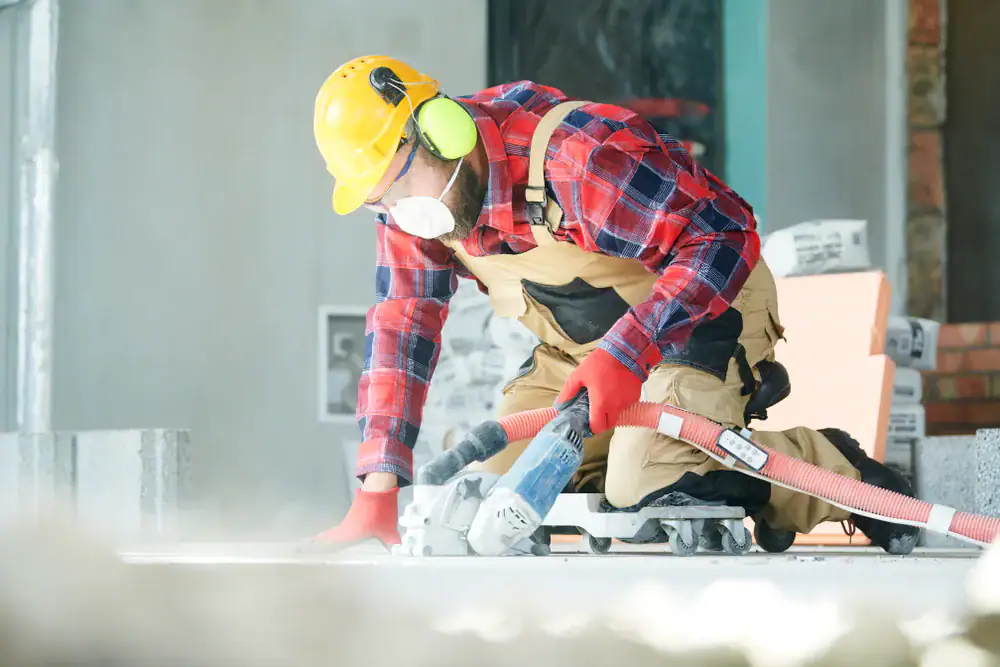
Next, we grind the surface to the profile your project needs. That profile depends on what’s going on top. If it’s epoxy, we’re creating texture so the coating can grip. If it’s polished concrete, we’re working through progressively finer grits until the floor reflects light and seals naturally. We use dustless equipment when the job calls for it, especially in occupied spaces.
After grinding, we clean everything. Dust, debris, anything that would interfere with the next step gets removed. If you’re getting a coating, we apply it once the surface is confirmed dry and ready. If it’s a polish job, we’re done once the floor hits the sheen level you wanted.
You’ll know the timeline upfront. We don’t stretch jobs to fill the calendar. Most concrete grinding projects move faster than you’d expect when the crew knows what they’re doing.
Ready to get started?
Concrete Restoration Services Homestead Base FL
You’re getting a full surface evaluation before we touch the floor. We test for moisture vapor transmission because that’s the number one reason epoxy fails in Florida. High humidity and groundwater movement are real issues in Homestead Base, and if your slab is pushing moisture, you need to know before any coating goes down.
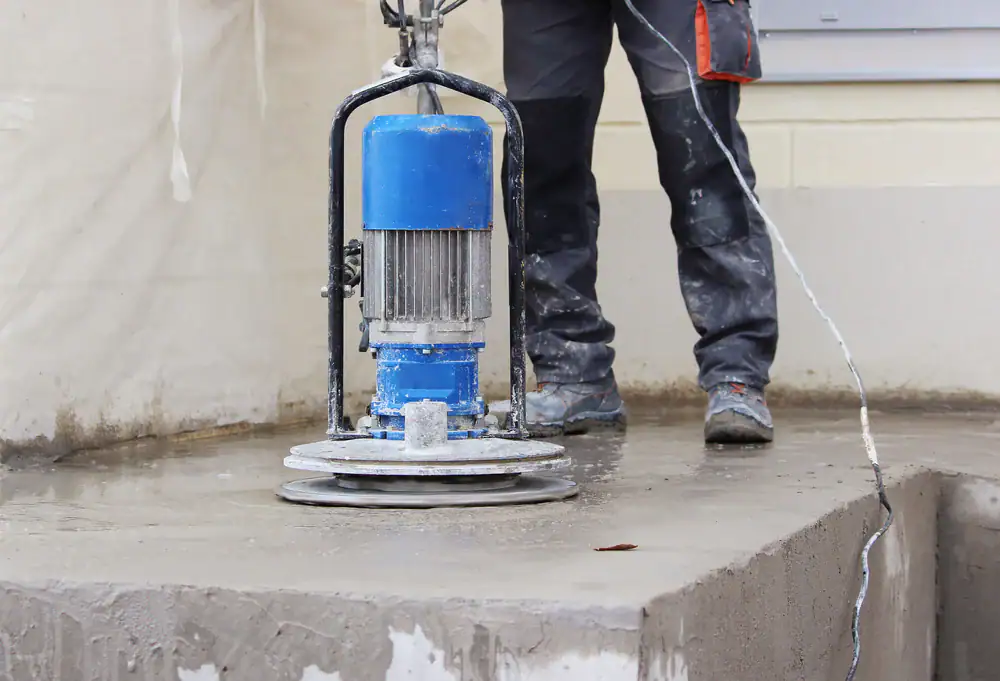
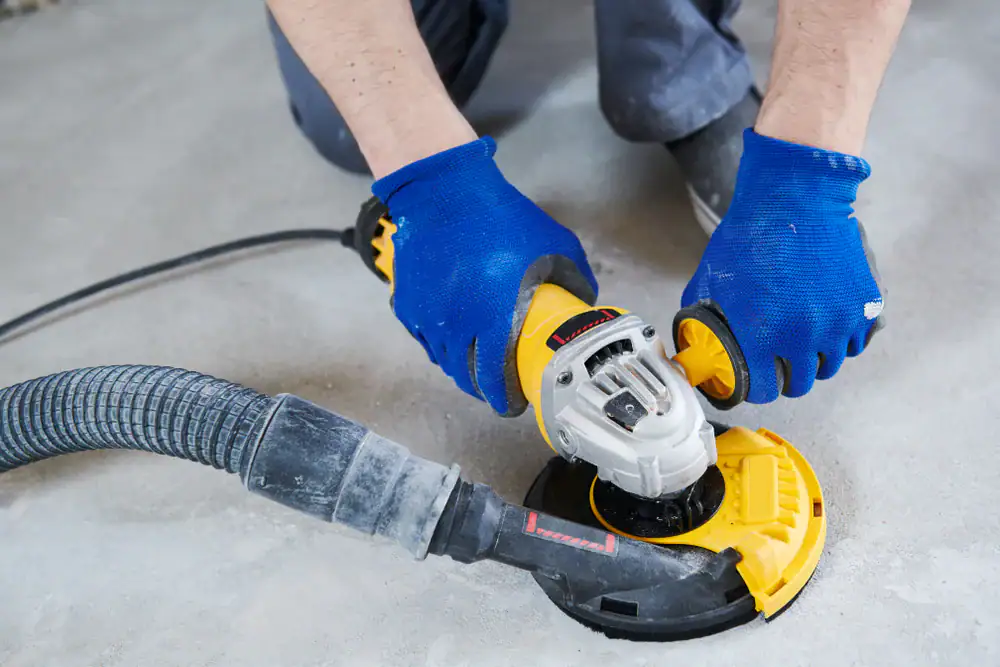
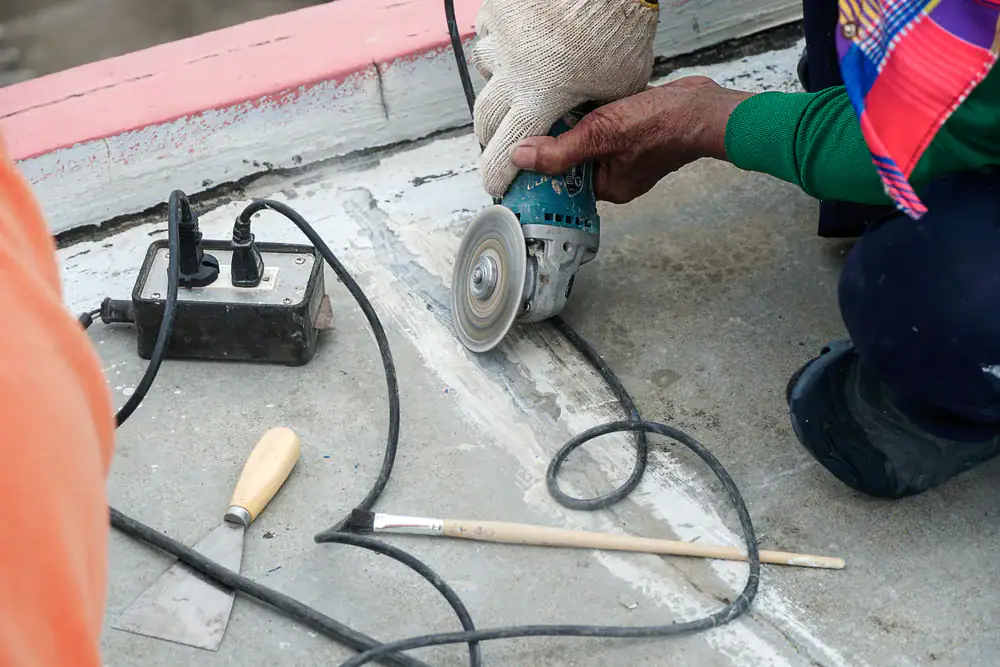
The grinding itself is done with commercial-grade equipment. We’re not renting consumer machines. Depending on the job, we use planetary grinders for large areas or handheld grinders for edges and detail work. If the project requires dustless grinding—like in a school or operating facility—we run equipment with integrated vacuum systems.
We also handle concrete resurfacing if your floor has damage beyond what grinding can fix. That means filling cracks, leveling low spots, and making sure the surface is structurally sound before we grind. Florida’s concrete takes a beating from heat, moisture, and settling. Homestead Base is no exception, especially with the mix of older military infrastructure and newer commercial builds.
Once grinding is done, we clean and prep for whatever’s next—whether that’s polished concrete, epoxy, or another coating system. We work with Sherwin Williams and Fosroc products because they’re designed for Florida’s climate and actually hold up. You’ll get transparent pricing upfront, and if something changes during the job, we’ll tell you before it affects the bill.

How long does concrete grinding take for a typical commercial floor?
It depends on the size of the space, the condition of the concrete, and what you’re prepping for. A standard 2,000-square-foot commercial floor usually takes one to two days if the concrete is in decent shape and we’re just profiling for epoxy or polishing.
If there’s old coating to remove, damage to repair, or moisture issues to address, add time. We’ve turned around residential floors in 24 to 48 hours when it was urgent, but that’s with a clear scope and no surprises once we start.
The actual grinding goes faster than most people expect. What takes time is the prep before and the cleanup after. You want the floor tested, evaluated, and ground to the right profile—not just scratched up so something sticks for a few months. We’ll give you a realistic timeline during the consultation based on what your floor actually needs.
Why does concrete need to be ground before applying epoxy?
Epoxy doesn’t bond to smooth concrete. It needs texture to grab onto, and that texture comes from grinding. Most DIY epoxy kits include acid etching, which sounds like it works but doesn’t create enough profile for a lasting bond. The coating might look fine for six months, then it starts peeling at the edges or bubbling in the middle.
Grinding opens up the concrete’s pores and creates the mechanical grip epoxy needs to lock in. The profile depth depends on the coating system, but it’s usually between 1 and 3 on the CSP scale—enough that you can feel the texture but not so rough that it’s hard to clean later.
If the concrete isn’t ground properly, you’re also not addressing contaminants like oil, old sealers, or curing agents that block adhesion. Grinding removes all of that and gives you a clean surface. It’s the difference between an epoxy floor that lasts ten years and one that fails in two. There’s no shortcut that works.
Can concrete grinding fix uneven or damaged floors?
Grinding can level minor surface issues like lippage between slabs, small ridges, or uneven wear patterns. If your floor has trip hazards from settling or poorly finished concrete, grinding will smooth that out and make it safer to walk on.
But grinding has limits. If your slab has major cracks, structural settling, or deep spalling, you’ll need resurfacing or repair work before grinding makes sense. We handle that too—filling cracks, leveling low spots, and making sure the concrete is solid before we grind.
In Homestead Base, we see a lot of older concrete with settling issues, especially around military and industrial sites. Florida’s soil shifts, and concrete moves with it. Grinding can address the surface problems, but if the underlying structure is compromised, we’ll tell you that upfront. You don’t want to pay for grinding only to have the same issues come back in six months because the real problem wasn’t fixed.
What’s the difference between grinding and polishing concrete?
Grinding is the prep step. Polishing is the finish. Grinding removes coatings, levels the surface, and creates the profile you need for whatever comes next. Polishing takes ground concrete and refines it through progressively finer grits until the surface is smooth, reflective, and sealed.
Polished concrete doesn’t need a coating on top. The grinding and polishing process densifies the surface and closes the pores, so the floor is naturally resistant to staining and easier to clean. You’re left with a high-gloss or matte finish depending on what you want, and the floor reflects light better than most coated surfaces.
If you’re getting epoxy or another coating, you stop after grinding. If you want polished concrete, we keep going through the polishing steps until the floor hits the sheen level you’re after. Both start with grinding, but the end result is completely different. Polished concrete is popular in commercial spaces and warehouses because it’s low maintenance and holds up under heavy traffic without needing recoating every few years.
How much does concrete grinding cost in Homestead Base?
Cost depends on the square footage, the condition of your concrete, and what you’re prepping for. Basic grinding for epoxy prep usually runs between $2 and $5 per square foot. If you need old coatings removed, repairs done, or polished concrete instead of just grinding, expect to pay more.
We give you transparent pricing upfront after we evaluate the floor. No hidden fees, no surprise charges halfway through the job. If something comes up during the work that changes the scope—like finding moisture issues or damage we couldn’t see until the coating was removed—we’ll tell you before it affects the bill.
Homestead Base has a mix of older military infrastructure and newer commercial builds, so concrete condition varies. Some floors are in great shape and just need a quick grind. Others have years of wear, old coatings, or moisture problems that take more work to fix. We’ll walk the space with you, test the concrete, and give you a realistic estimate based on what your floor actually needs—not a generic quote that doesn’t hold up once we start.
Does concrete grinding create a lot of dust?
Standard grinding creates dust. A lot of it. That’s fine for empty warehouses or outdoor work, but if you’re in an occupied building or need to keep the space clean, we use dustless grinding equipment.
Dustless grinders have integrated vacuum systems that capture dust as it’s created. You’ll still get some fine particles in the air, but it’s a fraction of what standard grinding produces. We use dustless systems in schools, operating facilities, and anywhere people are working or living during the project.
The tradeoff is time—dustless grinding takes a bit longer because the equipment moves slower and requires more passes. But if you can’t shut down the space or deal with cleanup afterward, it’s worth it. We’ll recommend the right approach based on your situation during the consultation. Most commercial and industrial projects in Homestead Base can handle standard grinding, but we’ve got dustless options when you need them.
Other Services we provide in Homestead Base
Leave a Reply