


Concrete Grinding in Homestead, FL
Floors That Handle Forklifts, Heat, and Humidity
Hear from Our Customers
Professional Concrete Floor Grinding Services
The shine isn’t just cosmetic. When concrete is ground properly with diamond tooling and densified, the surface becomes up to 400% more abrasion-resistant than untreated concrete. That means forklifts, pallet jacks, and constant foot traffic stop causing the pitting and dusting you’re dealing with now.
You’ll also notice your space gets brighter without adding a single light fixture. Polished concrete reflects natural and artificial light across the floor, which cuts down on electricity costs year-round. Most commercial clients see the difference immediately.
And here’s what matters long-term: a properly ground and sealed concrete floor in Homestead can last 30+ years in commercial settings. Compare that to epoxy coatings that start peeling after a few years in this humidity, or vinyl that needs replacing every decade. You’re not just fixing a problem—you’re done with this problem.
Concrete Grinding Contractors in Homestead
We’ve handled concrete restoration for the U.S. Coast Guard, Army facilities, the City of Doral, the City of Sunny Isles, and county projects across South Florida. If those organizations trust us with their floors, you’re in the right place.
We’ve been operating since 2020, and we only do concrete and resin flooring—nothing else. No tile, no wood, no side hustles. That focus means we’ve seen every type of concrete issue Homestead throws at a floor: salt air damage, oil stains that won’t budge, surface spalling from moisture, and old coatings that failed because they weren’t meant for this climate.
We’re veteran-owned, and we work directly with property owners whenever possible. That keeps communication clear and pricing transparent, and it means you’re talking to people who actually do the work.
Our Concrete Grinding Process Explained
First, we assess your concrete. Not every floor needs the same approach, and we’re not going to grind more than necessary. We check for existing coatings, structural damage, moisture issues, and how much material needs to come off to get to clean, sound concrete.
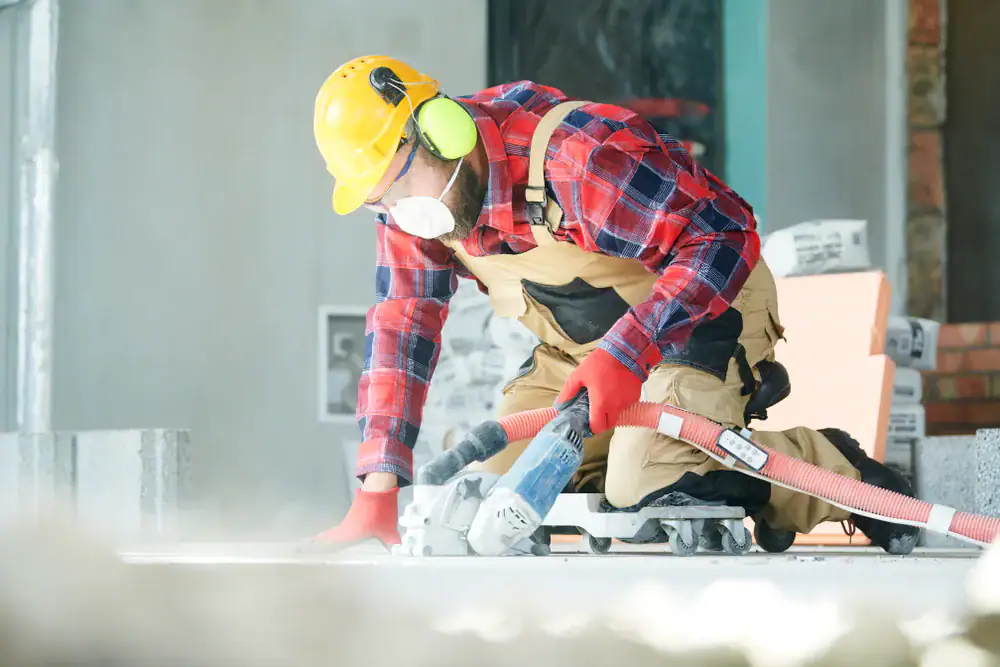
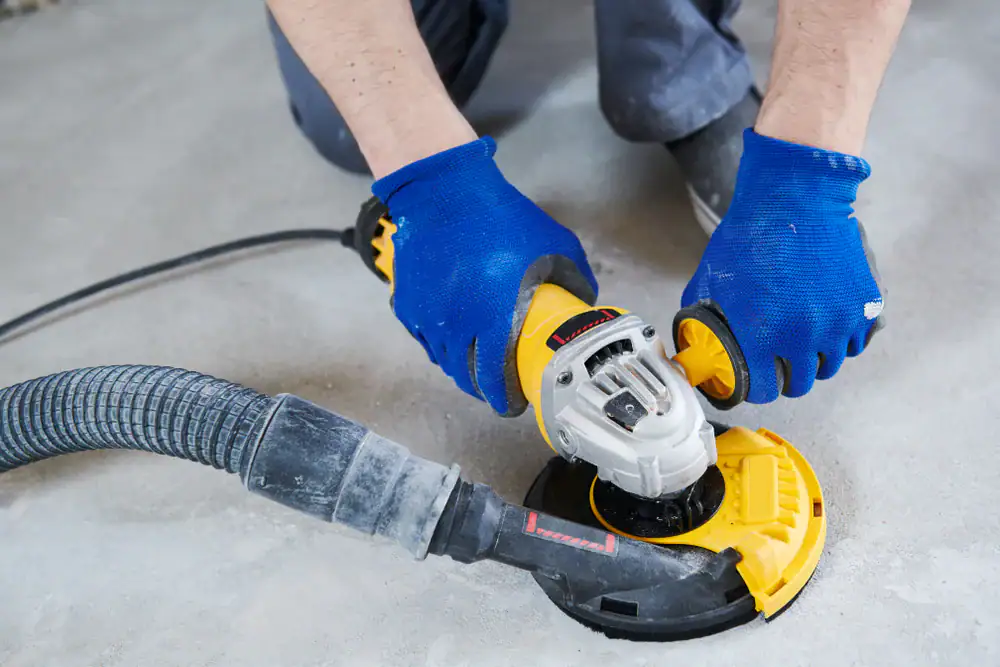
Then we grind. We use industrial-grade diamond grinding equipment with dust collection systems that contain virtually all debris during the process. Depending on the condition of your floor and the finish level you want, this involves multiple passes with progressively finer diamond tooling. Each pass removes imperfections, old coatings, stains, and surface damage while opening up the concrete’s pores for the next step.
After grinding, we apply a densifier. This is a chemical hardener that penetrates the concrete and reacts with the calcium to create a denser, harder surface. It’s what gives you that 400% increase in abrasion resistance. Once that’s cured, we polish the surface to your desired sheen level—anything from a matte finish to a high-gloss shine.
Finally, we apply a sealer formulated specifically for Florida’s climate. This protects against moisture intrusion, staining, and UV damage. Most projects allow normal operations within 24 to 48 hours of completion, and the full cure happens over the next few weeks as you use the floor.
Ready to get started?
Concrete Restoration Services in Homestead
You get a full surface preparation process designed for South Florida conditions. That means we’re accounting for the humidity, the salt air, the UV exposure, and the temperature swings that make cheap solutions fail here within a couple years.
The grinding process removes existing damage—stains, pitting, old paint, failed coatings—and levels out uneven areas. We’re not covering problems up. We’re removing them. If your concrete has oil stains from years of equipment use, we grind through them. If there’s an old epoxy coating that’s peeling, we take it off completely.
In Homestead specifically, we see a lot of moisture-related issues. Concrete here deals with constant humidity, and that creates ideal conditions for mold, mildew, and surface deterioration. Our densification and sealing process stops moisture from penetrating the surface, which prevents those issues from coming back. The sealer we use is vapor-permeable, so any moisture already in the slab can escape without causing delamination.
You also get a floor that’s easier to maintain. Polished concrete doesn’t trap dust, dirt, or allergens the way porous or coated floors do. A dust mop and occasional damp mopping is all it takes. No more scrubbing out stains or pressure washing every few months.

How long does concrete grinding take for a commercial space?
Most commercial concrete grinding projects in Homestead take one to three days depending on square footage and the condition of the existing floor. A 5,000-square-foot warehouse with minimal damage might be done in a day and a half. A 20,000-square-foot facility with old coatings, oil stains, and surface pitting could take three full days.
The timeline also depends on the finish level you want. A basic grind-and-seal for a back-of-house area is faster than a high-gloss polished concrete finish for a showroom. We can usually give you an accurate estimate after seeing the space.
Most clients are back to normal operations within 24 to 48 hours after we finish. The floor is walkable and usable right away, but the sealer continues curing over the next few weeks. Heavy equipment and forklifts can go back on the floor almost immediately—they actually help the polishing process over time.
Can you grind concrete that already has epoxy or coatings on it?
Yes. We remove old epoxy, paint, urethane, and other coatings as part of the grinding process. This is common in Homestead because a lot of property owners tried DIY epoxy kits or hired someone who used products that weren’t designed for Florida’s humidity and heat cycling.
Those coatings usually start failing within two to three years—peeling, bubbling, delaminating. When that happens, you can’t just recoat over it. You have to remove the old material completely and get back to sound concrete, or the new coating will fail the same way.
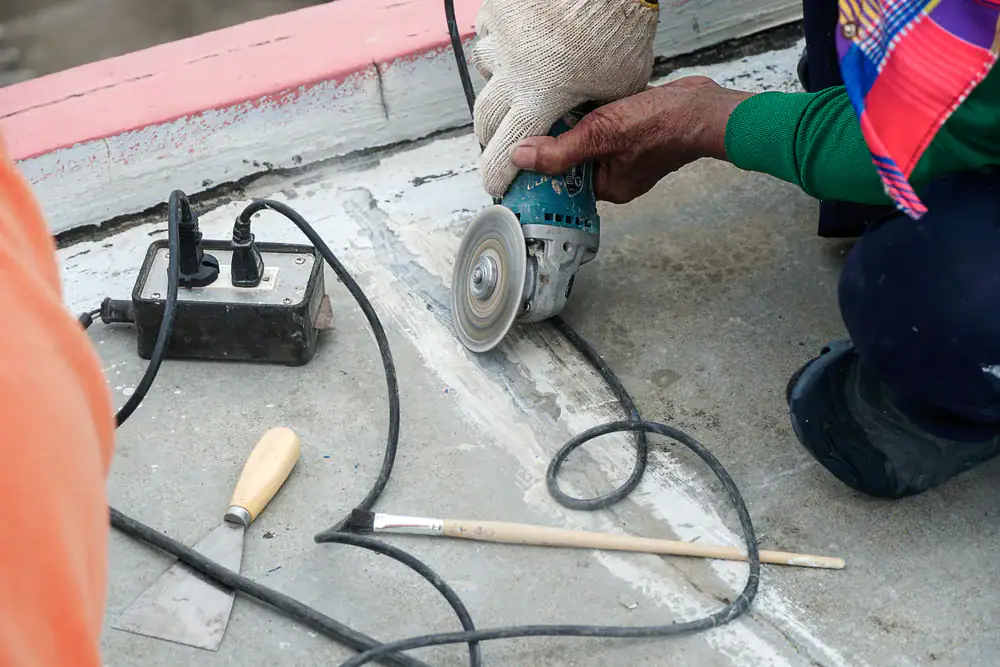
Diamond grinding takes the coating off mechanically, which is more reliable than chemical strippers. We grind down to clean concrete, assess the surface, and then proceed with densification and sealing. If the concrete underneath has damage from moisture intrusion or poor installation, we address that before moving forward. The end result is a floor system that’s bonded to the concrete itself, not sitting on top of a failing layer.
How does polished concrete hold up in South Florida’s humidity?
Polished concrete performs better in high humidity than almost any other flooring option. Wood warps, vinyl traps moisture and delaminates, carpet grows mold, and most epoxy coatings aren’t vapor-permeable so they blister when moisture tries to escape from the slab.
Concrete grinding and polishing creates a surface that’s dense and non-porous, which prevents moisture from penetrating. The sealer we use is breathable, so any moisture that’s already in the slab can escape without causing damage. That’s critical in Homestead, where humidity levels stay high year-round and concrete slabs often have moisture moving through them.
Salt air is another issue here. It accelerates corrosion and surface deterioration, especially on balconies and exterior concrete. Polished concrete with the right sealer resists salt damage far better than untreated or coated surfaces. We’ve worked on Coast Guard and military facilities where salt exposure is constant, and properly sealed polished concrete holds up without the spalling and pitting you see on untreated surfaces.
What’s the difference between concrete grinding and concrete polishing?
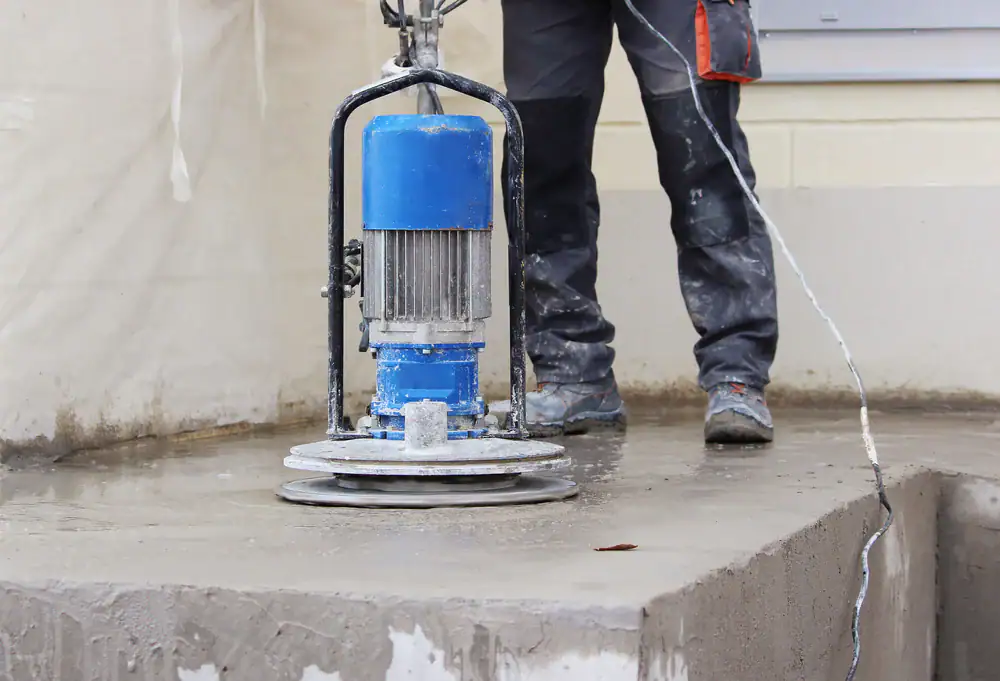
Grinding is the process of removing material from the concrete surface using diamond tooling. Polishing is what happens after grinding, when you use finer and finer diamond grits to refine the surface and bring out a shine. They’re part of the same overall process, but grinding is about correction and preparation, while polishing is about finish and appearance.
If your floor has damage, stains, old coatings, or unevenness, grinding is what fixes that. We start with coarse diamond tooling to remove the top layer of concrete and expose a clean, sound surface. Then we move through progressively finer grits—think of it like sanding wood, but with industrial equipment and diamond abrasives.
Polishing starts once the surface is level and clean. We continue refining with finer diamonds, apply a densifier to harden the concrete, and polish to the sheen level you want. Some clients want a matte or satin finish for industrial spaces. Others want a high-gloss finish for showrooms or retail. Both start with grinding. The difference is how far we take the polishing process.
How much does concrete grinding cost in Homestead?
Concrete grinding costs in Homestead typically range from $3 to $8 per square foot depending on the condition of the floor, the level of prep required, and the finish you want. A basic grind-and-seal on clean concrete with minimal damage is on the lower end. A full restoration with coating removal, crack repair, and high-gloss polishing is on the higher end.
Square footage matters, but so does access, obstacles, and existing damage. A wide-open warehouse floor is faster and less expensive per square foot than a space with equipment, columns, and tight corners. If we need to remove old epoxy or repair significant cracking, that adds time and cost.
We give transparent pricing after seeing the space. No one can give you an accurate quote over the phone without knowing what they’re working with. We’ll come out, assess your concrete, explain what needs to happen, and give you a clear number. Most commercial projects in Homestead pay for themselves within a few years through reduced maintenance costs and longer lifespan compared to other flooring options.
Will concrete grinding create a lot of dust in my facility?
No. We use dust collection systems that contain virtually all debris during the grinding process. Our equipment connects to high-performance vacuums with HEPA filters, so the dust gets captured at the source instead of spreading through your facility.
This is important for a few reasons. First, concrete dust is a health hazard if it becomes airborne. OSHA has strict regulations about silica dust exposure, and we comply with those standards using proper containment equipment. Second, dust contamination can shut down operations in food processing, medical, or clean manufacturing environments. Our dustless grinding process lets you keep adjacent areas operational during the work.
There’s still some minor cleanup involved, but nothing like what you’d see with uncontrolled grinding. We’re not leaving a layer of dust on everything in your facility. Most clients are surprised by how clean the process is compared to what they expected.
Other Services we provide in Homestead
Leave a Reply