


Concrete Grinding in Paradise Park, FL
Smooth, Safe Floors That Actually Last
Hear from Our Customers
Concrete Floor Grinding Contractors Paradise Park
Your floor becomes the foundation it should’ve been from the start. No more lippage between slabs that catches every pallet jack wheel. No more coatings that bubble up six months later because someone skipped proper prep.
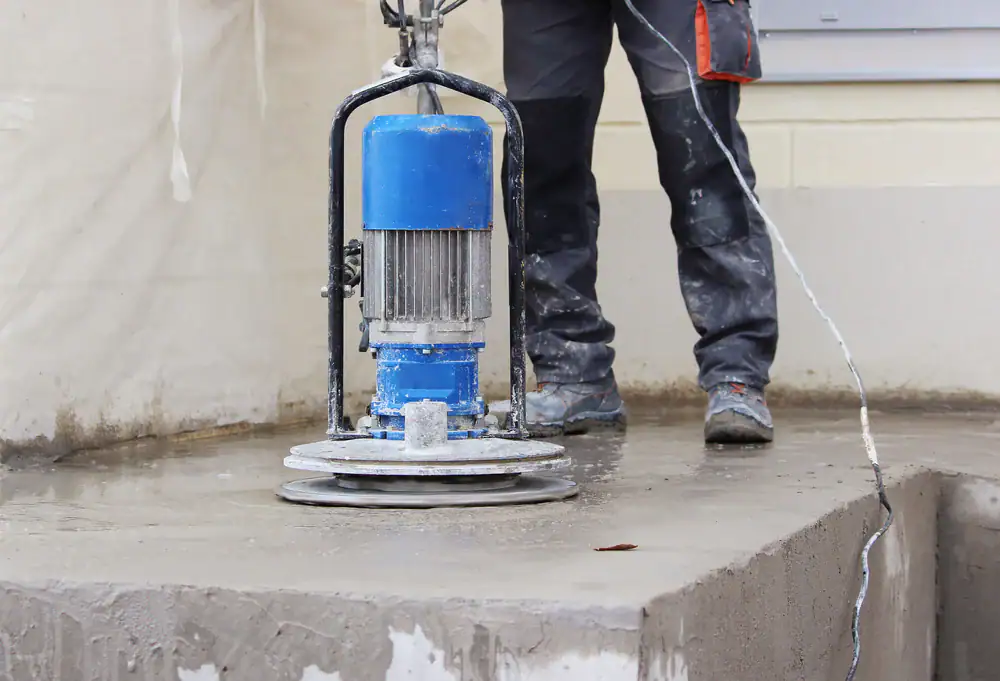
Concrete grinding removes the damaged top layer, smooths out uneven sections, and opens up the pores so whatever you’re putting on top actually sticks. That means epoxy that doesn’t peel. Polished concrete that reflects light instead of looking dull and patchy. Surfaces you can actually clean without fighting divots and cracks.
In Paradise Park’s humidity, concrete doesn’t get better on its own. It gets worse. Grinding stops that progression and gives you a surface that handles South Florida’s climate instead of falling apart in it.
You’re not just fixing what’s visible. You’re addressing what’s underneath so the problem doesn’t come back.
Concrete Grinding Services Paradise Park FL
We’ve been grinding and finishing concrete floors across South Florida since 2020. We’ve worked with the Coast Guard, US Army, City of Doral, City of Sunny Isles, and county facilities that don’t hire contractors who cut corners.
That’s not bragging. It’s context. Government contracts require documentation, timelines, and results that hold up under inspection. We operate the same way whether you’re a facility manager in Paradise Park or a homeowner who wants their garage floor done right.
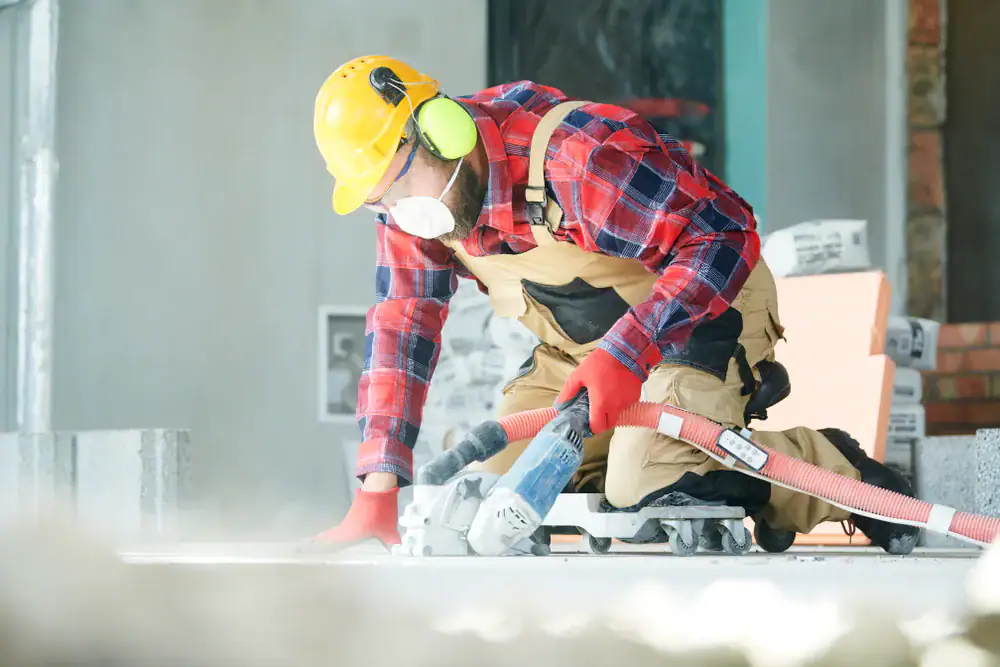
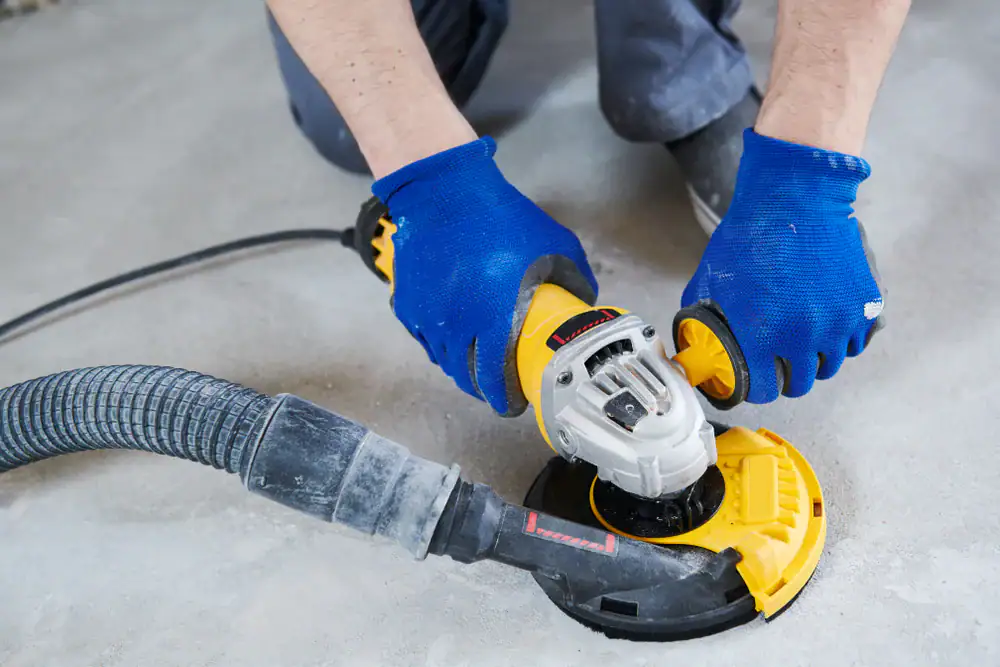
We use dustless grinding equipment because South Florida’s humidity already makes everything harder to keep clean. Our vacuums and HEPA filters capture the dust at the source so you’re not dealing with cleanup for weeks after we leave. You get the surface you need without the mess you don’t.
Our Concrete Grinding Process Paradise Park
First, we assess your floor. Not every concrete surface needs the same approach, and grinding too much or too little both cause problems. We check for cracks, lippage, existing coatings, and moisture issues that affect how we proceed.
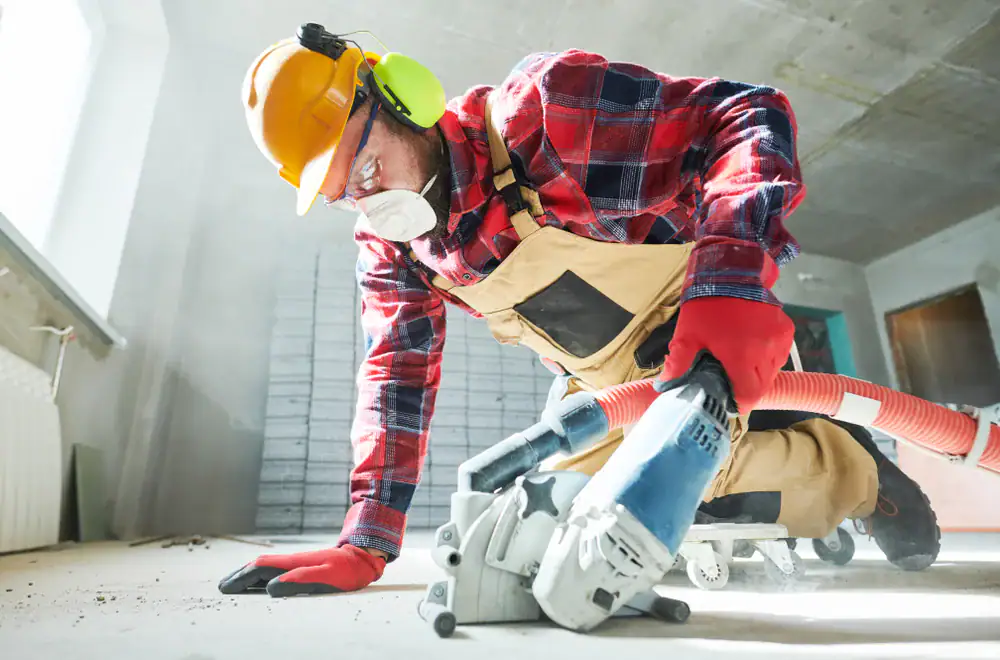
Then we grind. Our equipment uses diamond-embedded discs that remove damaged concrete, level uneven areas, and create the profile your coating system needs to bond. The vacuum system runs simultaneously, pulling dust into HEPA filters so your space stays breathable. You’re not shutting down operations or evacuating the building.
We work in passes. Coarse grits remove material and flatten the surface. Finer grits smooth it out and open the pores for maximum adhesion. If you’re polishing instead of coating, we keep going until the concrete itself becomes the finished floor—no topical sealers that wear off in high-traffic zones.
After grinding, we clean the surface completely. Any dust left behind compromises your coating. Then you’re ready for epoxy, polyaspartic, polishing, or whatever system you’re installing. The floor is level, clean, and properly profiled. That’s what makes everything else work.
Ready to get started?
Dustless Concrete Grinding Paradise Park FL
Traditional concrete grinders turn your space into a dust storm. That dust doesn’t just settle—it gets into HVAC systems, coats inventory, and creates respiratory hazards that OSHA takes seriously. In Paradise Park’s humidity, it also clumps and sticks to everything.
Dustless grinding uses high-powered vacuums attached directly to the grinder. As the diamonds cut into concrete, the vacuum pulls particles into a containment system with HEPA filtration. You’re capturing 99% of the dust before it becomes airborne. That means your facility stays operational, your product stays clean, and your team isn’t breathing silica.
This matters more than most people realize. Concrete dust contains crystalline silica, which causes lung disease with repeated exposure. If you’re grinding a warehouse floor or a commercial kitchen, you can’t just throw tarps up and hope for the best. You need containment that actually works.
We also handle the details that separate a decent grind from a proper one. That includes removing old coatings, repairing cracks before grinding, and adjusting our approach based on your concrete’s age and condition. Newer concrete grinds differently than a 30-year-old slab. We account for that instead of using the same process on every job.
How long does concrete grinding take for a typical commercial space?
It depends on square footage, concrete condition, and what profile you need. A 2,000-square-foot warehouse floor with minor lippage usually takes one to two days. Larger spaces or floors with heavy damage take longer.
The actual grinding moves faster than most people expect. What takes time is prep work—moving equipment, protecting drains, taping off areas we’re not touching—and cleanup. We also let you know upfront if your concrete has issues that’ll slow things down, like old epoxy that needs extra passes to remove or cracks that should be repaired before we grind.
For residential projects like garage floors, we’re often done in a day. Commercial kitchens and retail spaces depend on how much we’re grinding and whether you need us to work overnight to avoid disrupting business hours. We’ve done 24-48 hour turnarounds when timing matters, but rushing a grind to meet a deadline usually causes problems later. Better to plan it right.
Can you grind concrete that already has an epoxy coating on it?
Yes, but the existing coating has to come off first, and that changes the scope. Grinding through old epoxy is harder on equipment and takes more time than grinding bare concrete. Some coatings come up clean in a few passes. Others—especially thick industrial epoxies—require aggressive grits and multiple passes.
If the existing coating is failing, that’s actually a sign the concrete underneath wasn’t prepped correctly the first time. We’ll grind down to bare concrete, check for moisture issues or weak spots, and make sure the surface is ready for a new system that actually bonds. Putting new epoxy over old epoxy without proper prep just means you’ll have the same problem again in a year.
We also test adhesion before we start. If your current coating is still solid and you just want to add a new layer, grinding might not be necessary. But if it’s peeling, bubbling, or delaminating, we’re grinding it off and starting fresh. There’s no shortcut that works long-term.
What’s the difference between grinding for epoxy vs. polished concrete?
The end goal changes how we grind. For epoxy or coating prep, we’re creating a profile—basically, tiny peaks and valleys that give the coating something to grip. That usually means stopping at a coarser grit. The surface looks matte and slightly rough, which is exactly what you want for adhesion.
For polished concrete, we keep grinding with progressively finer grits until the concrete itself becomes glossy. We’re not adding a coating. We’re refining the surface until it reflects light and feels smooth underfoot. This takes more passes and more time, but the result is a floor that doesn’t need topical sealers or wax. The concrete is the finish.
Polished concrete works well in Paradise Park’s climate because it doesn’t trap moisture the way some coatings can. It’s also more durable in high-traffic areas—nothing to scratch off or wear through. But it doesn’t give you the color options or chemical resistance that epoxy does. We’ll walk you through what makes sense for your space based on how you use it.
Will grinding fix cracks and uneven slabs in my concrete floor?
Grinding levels the surface and removes lippage where slabs meet unevenly, but it doesn’t repair structural issues. If you have cracks, we’ll fill them before grinding so they don’t spread. If you have settlement where one slab has sunk lower than another, grinding can smooth the transition, but it won’t lift the slab back up.
For minor height differences—say, a quarter inch or less—grinding works well. We take more material off the high spots and feather the transition so it’s smooth. For bigger gaps, you might need mudjacking or slab stabilization first, then grinding to finish it off. We’ll tell you upfront if grinding alone won’t solve the problem.
Cracks are common in South Florida because of soil movement, moisture, and settling. Filling them properly before grinding prevents them from reopening and keeps your coating from cracking along the same lines. We use flexible fillers that move with the concrete instead of rigid patches that pop out. It’s a small detail that makes a big difference in how long your floor lasts.
Is dustless concrete grinding really dust-free, or is that just marketing?
It’s not 100% dust-free, but it’s close enough that you won’t need to shut down your facility or cover everything in plastic. Our vacuums capture about 99% of the dust as it’s created, so what little escapes is minimal—nothing like traditional grinding, which turns the air gray and coats surfaces 50 feet away.
The vacuum attaches directly to the grinder and pulls particles into a HEPA filtration system before they go airborne. You’ll see dust in the vacuum canister when we empty it, but you won’t see it floating around your space or settling on your equipment. That’s the difference. We’re containing it at the source instead of trying to clean it up after.
This matters for indoor air quality, OSHA compliance, and keeping your operations running. If you’re grinding a restaurant kitchen or a medical facility, you can’t have dust contaminating the space. Dustless grinding lets us work without creating a hazard or forcing you to close. It costs slightly more than traditional grinding because the equipment and filters aren’t cheap, but the tradeoff is worth it if you’ve ever dealt with the cleanup from a dusty grind job.
Do you only grind concrete, or can you handle the coating installation too?
We handle both. Grinding is surface prep, and we also install epoxy, polyaspartic, polished concrete, and resurfacing systems. That’s actually an advantage because the same crew that preps your floor finishes it, so there’s no miscommunication about profile depth or timing between trades.
When we grind your floor, we’re doing it with the coating system in mind. Different epoxies need different profiles. Polished concrete needs a different approach than a high-build coating. If we’re doing both parts of the job, we’re controlling quality from start to finish instead of hoping the next contractor doesn’t mess up what we prepped.
We work with commercial-grade products from Sherwin Williams and Fosroc, not big-box store kits that fail under real-world use. We also don’t subcontract the work out. You’re getting the same team and the same standards whether we’re grinding a county facility or a homeowner’s garage in Paradise Park. If something doesn’t look right, we fix it before we leave—not six months later when the coating starts peeling.
Other Services we provide in Paradise Park
Leave a Reply