


Concrete Grinding in Princeton, FL
Smooth, Safe Floors Without the Dust or Downtime
Hear from Our Customers
Concrete Floor Grinding Contractors Princeton
You’re not grinding concrete for fun. You’re doing it because the floor needs to be level, clean, and ready for whatever comes next—epoxy, sealer, polish, or just foot traffic that won’t trip anyone.
When the job’s done right, you get a surface that’s smooth enough to coat without bubbles. Strong enough to last without cracking. Clean enough that you’re not sweeping dust for three days after we leave.
And if you’re in a space where dust isn’t just annoying but actually a problem—like a warehouse with inventory, a school with kids around, or a commercial kitchen that can’t shut down for a week—you need equipment that doesn’t turn your building into a dust storm. That’s what dustless grinding handles. It keeps the air clear, the cleanup fast, and the project moving without extra headaches.
Concrete Grinding Services Princeton FL
We started in July 2020, and we’ve spent the last few years working on everything from Coast Guard facilities to high school gyms to commercial kitchens that needed new floors yesterday. We’re veteran-owned, and we show up when we say we will.
Princeton’s growing fast—new commercial builds, more residential development, and older properties getting updated to keep up. That means more concrete work, and more floors that need proper prep before they get coated or polished. We handle the grinding, resurfacing, and restoration side of that equation.
We work directly with property owners and facility managers when possible. No runaround, no waiting on someone else’s schedule. You call, we talk, we give you a real number, and we get it done.
How Concrete Grinding Works
First, we look at the floor. What’s the condition? What’s on it? What are you trying to do with it after we’re done? That tells us what equipment to bring and how aggressive the grind needs to be.
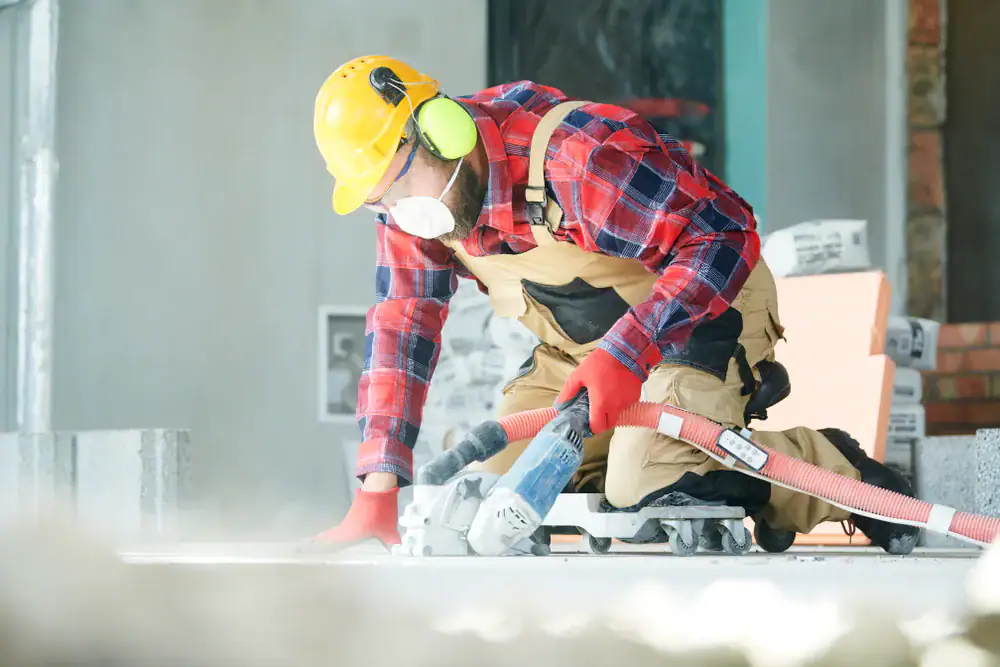
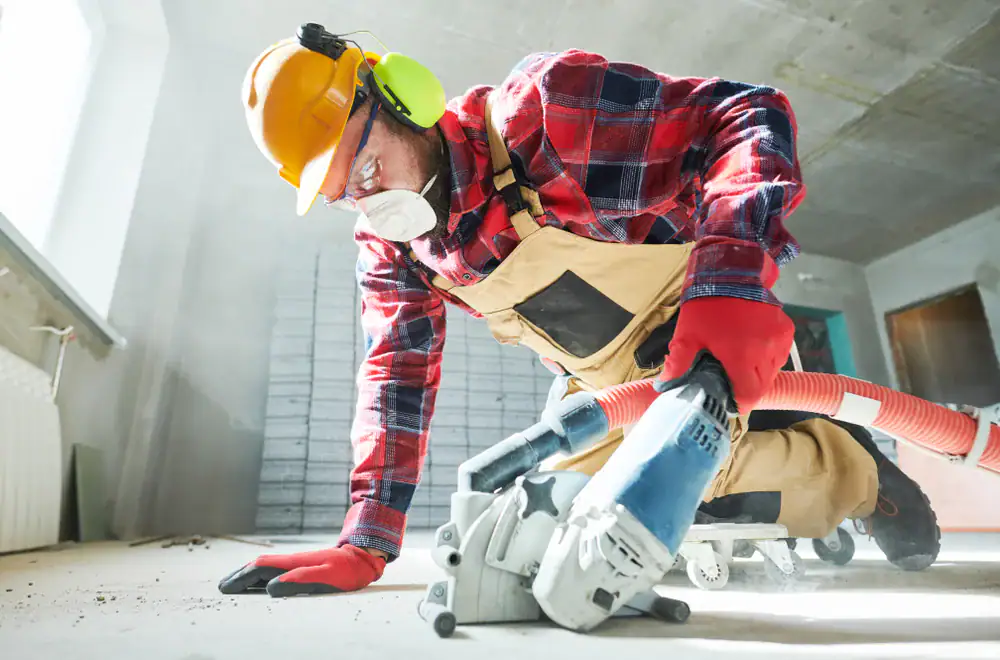
Then we prep the space. Move what needs moving, mask off what stays, and set up dust containment if the job calls for it. Our grinders use diamond tooling that removes old coatings, levels uneven spots, and opens up the concrete surface so whatever you’re applying next actually sticks.
The grinding itself can take a few hours or a few days depending on square footage and how much material we’re removing. We work in passes—coarse grit first to knock down high spots and strip coatings, then finer grits to smooth it out. If you’re polishing after, we keep going until the surface hits the sheen you want.
Cleanup happens as we go when we’re running dustless systems. Otherwise, we vacuum and scrub once the grinding’s done. You’re left with a clean, prepped surface that’s ready for the next step—or ready to use as-is if that’s the plan.
Ready to get started?
Concrete Restoration Services Near Princeton
You’re getting a crew that knows how to read a floor and adjust the approach based on what it needs. That means picking the right tooling, the right grind pattern, and the right number of passes to get the profile you’re after.
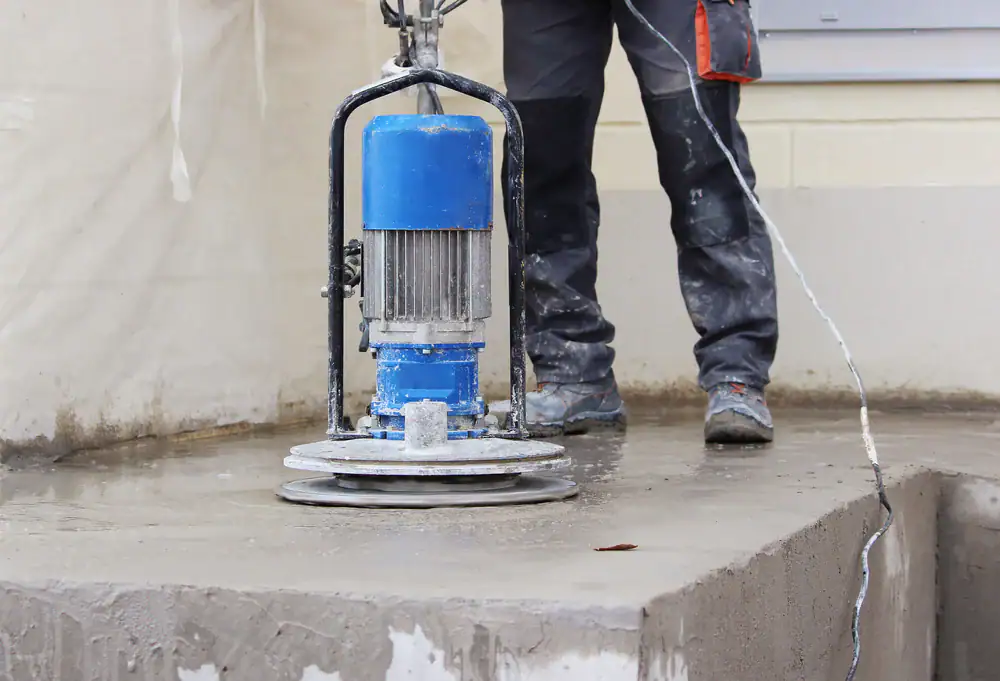
We bring our own equipment—industrial grinders with dust containment systems that actually work. If you’re in Princeton and dealing with a space that can’t handle traditional concrete dust, that’s a big deal. South Florida’s humid, and airborne dust doesn’t just disappear. It settles on everything. Our systems pull it at the source.
We also handle surface repairs before grinding if the concrete’s got cracks or spalling that need filling. No point grinding over damage—you’ll just see it again once the coating goes down. And if you’re planning to polish or apply epoxy after we’re done, we’ll make sure the surface is profiled correctly so your next contractor isn’t dealing with adhesion problems.
Turnaround depends on the size of the job, but most residential or small commercial projects wrap in a few days. Larger spaces take longer, but we work fast without cutting corners. And if it’s an emergency—like a kitchen floor that needs to reopen ASAP—we’ve done 24-48 hour turnarounds before.
How much does concrete grinding cost in Princeton, FL?
It depends on square footage, what condition the concrete’s in, and what you’re prepping it for. Grinding to remove a thin coating is faster and cheaper than grinding down a heavily damaged slab or polishing to a high-gloss finish.
Most residential projects—garage floors, patios, small warehouse spaces—run a few hundred to a few thousand dollars. Larger commercial jobs obviously cost more. We give upfront pricing after we see the space, so you’re not guessing.
If you’re comparing quotes, make sure you’re comparing the same scope. Some crews will lowball the grind but skip dust control or surface prep, and you’ll pay for it later when your epoxy peels or your polished floor looks uneven. We’d rather quote it right the first time.
What’s the difference between grinding and polishing concrete?
Grinding is the prep work. Polishing is the finish. You can’t polish without grinding first, but you can absolutely grind without polishing.
Grinding removes coatings, levels the surface, and opens up the pores of the concrete so sealers or coatings bond properly. Polishing takes it further—multiple passes with finer and finer diamond grits until the surface is smooth and reflective. Polished concrete looks clean, reflects light, and doesn’t need wax or coatings to stay that way.
If you just need a flat surface for epoxy or a sealer, grinding’s enough. If you want that sleek, modern look where the concrete itself is the finished floor, that’s polishing. Both start the same way, but polishing adds time and cost because of the extra passes and finer tooling.
Is dustless concrete grinding really dust-free?
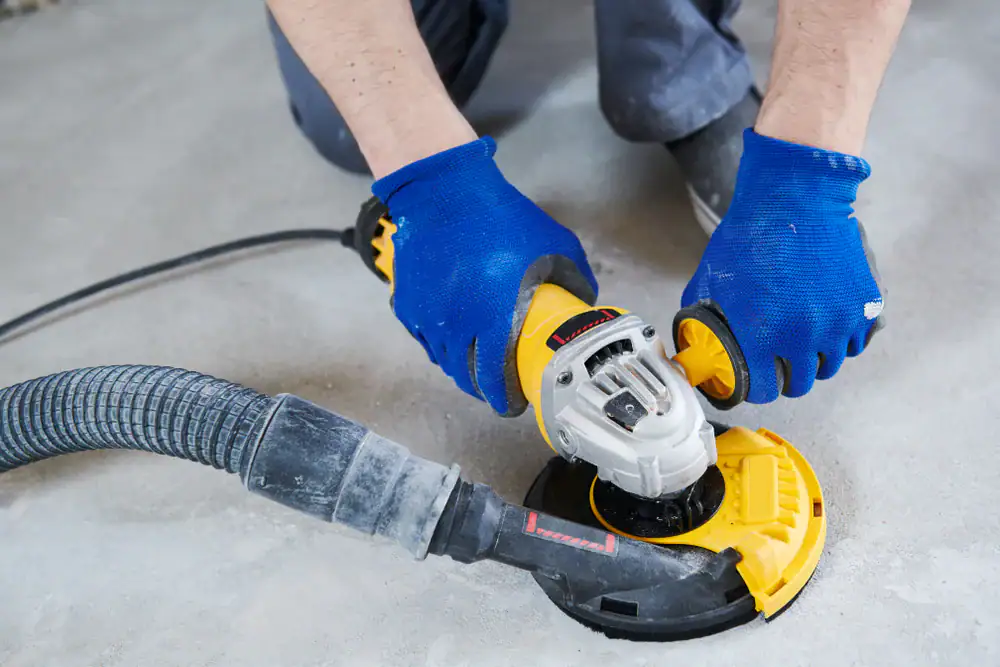
It’s not literally zero dust, but it’s close enough that you won’t need a hazmat suit. Dustless systems use grinders with built-in shrouds and vacuums that pull dust right at the point of contact. The vacuum runs through HEPA filters, so what little gets into the air is minimal.
Compare that to traditional grinding, where dust coats everything within 50 feet and you’re sweeping for days. Dustless grinding keeps the workspace cleaner, the air safer, and the cleanup faster. If you’re in a commercial kitchen, a school, a medical facility, or anywhere dust contamination is a real issue, it’s not optional—it’s the only way to do the job.
We run dustless systems on most jobs in Princeton because South Florida buildings are often occupied during work, and nobody wants concrete dust settling on inventory, equipment, or furniture. It’s worth the investment in better equipment.
How long does concrete grinding take?
Small jobs—single-car garages, patios, small retail spaces—usually take a day or two. Larger commercial floors can take a week or more depending on square footage and how much material we’re removing.
The timeline also depends on what’s on the floor before we start. Stripping old epoxy or thick coatings takes longer than grinding bare concrete. If there’s damage that needs repair first, that adds time too.
We work efficiently, but we don’t rush through passes just to hit a deadline. The surface has to be prepped correctly, or whatever you do next won’t hold. That said, we’ve handled emergency projects with 24-48 hour turnarounds when a client needed their space back fast. If timing’s tight, let us know upfront and we’ll tell you what’s realistic.
Can you grind concrete that already has epoxy on it?
Yes. That’s one of the most common reasons people call us. Old epoxy that’s peeling, stained, or just outdated needs to come off before you can apply a new coating, and grinding’s the most effective way to remove it.
We use coarse diamond tooling to strip the epoxy down to bare concrete, then switch to finer grits to smooth and profile the surface for the new coating. It’s more work than grinding bare concrete, but it’s still faster and cheaper than tearing out the slab and pouring new concrete.
If the existing epoxy is in decent shape and you just want to recoat over it, grinding can also rough up the surface enough to give the new layer something to grip. Either way, proper prep is what makes the difference between a coating that lasts ten years and one that peels in six months.
Do I need to grind concrete before applying epoxy?
If you want the epoxy to stick and stay stuck, yes. Concrete straight out of the forms or concrete that’s been sealed, painted, or coated won’t bond with epoxy unless the surface is properly prepped. Grinding opens up the pores, removes contaminants, and creates the profile the epoxy needs to lock in.
Some contractors skip this step or use acid etching instead, which is faster but less effective. Etching works on new, clean concrete in perfect conditions. Grinding works on everything—old floors, stained floors, floors with coatings, floors with grease or oil embedded in the surface.
We’ve seen plenty of epoxy jobs fail because the concrete wasn’t ground first. The coating looks fine for a few months, then it starts peeling at the edges or bubbling in the middle. That’s not a product problem—it’s a prep problem. Grinding eliminates that risk.
Other Services we provide in Princeton
Leave a Reply