


Concrete Grinding in Weston, FL
Floors That Handle Decades, Not Just Years
Hear from Our Customers
Concrete Floor Grinding Contractors Weston
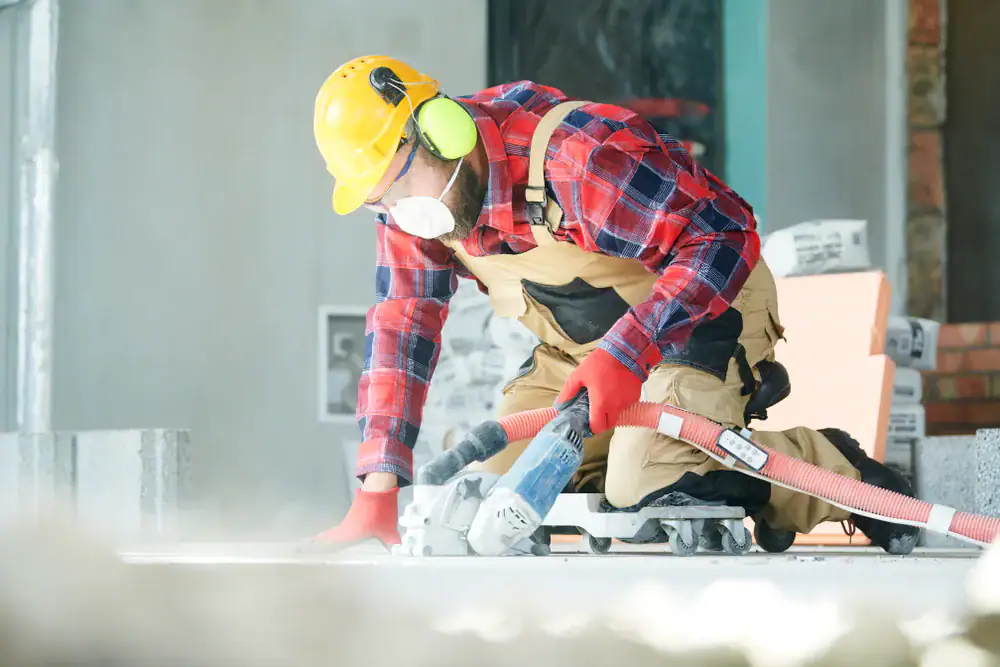
Your floor stops being a liability. The dust problem disappears because we use HEPA-filtered vacuum systems that capture silica before it becomes a health hazard. That’s not optional—crystalline silica causes silicosis, an incurable lung disease, and we take that seriously.
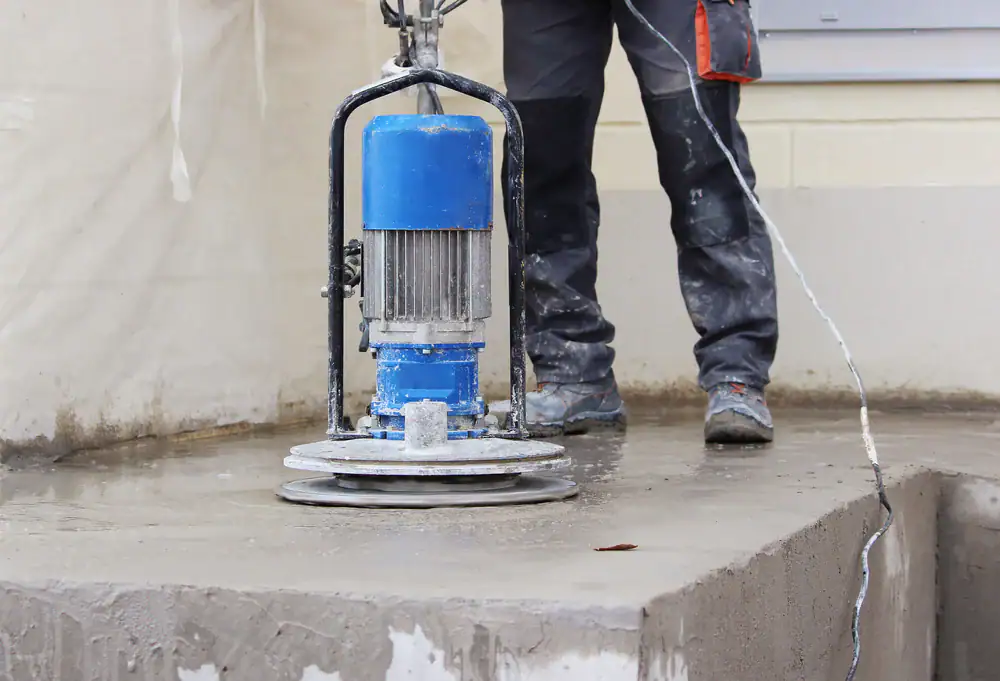
The surface becomes something you can actually maintain. Sweep it, mop it occasionally, and move on with your day. No more constant patching or dealing with coatings that peel after a year. Diamond grinding exposes the concrete properly, so what you’re left with can handle 20+ years of heavy traffic without breaking down.
And if you’re in a warehouse or commercial space in Weston, the reflective finish cuts your lighting costs. We’re talking 20-30% reductions in some facilities. That adds up fast in South Florida, where energy costs aren’t cheap and every operational expense matters.
Polished Concrete Contractors Weston FL
We’ve been grinding and polishing concrete floors across Florida for over 20 years. We’re veteran-owned, which means we operate with the same discipline and accountability we learned in service—projects finish on time, on budget, and done right.
Our client list includes the U.S. Coast Guard, Army installations, City of Doral, City of Sunny Isles, and high-profile commercial properties like the Faena Hotel and Hard Rock. We didn’t get those contracts by cutting corners. We got them by showing up, doing the work properly, and delivering floors that last.
Weston’s mix of commercial facilities, industrial warehouses, and high-end residential properties means we see every type of concrete challenge. Salt air, UV exposure, thermal expansion—Florida concrete takes a beating. We’ve spent two decades figuring out how to make it perform anyway.
Concrete Grinding Services Weston FL
We start with surface preparation. That means assessing the slab, identifying cracks or weak spots, and repairing them before we touch a grinder. If the foundation isn’t solid, the finish won’t hold. This step takes time, but it’s the difference between a floor that lasts two years and one that lasts twenty.
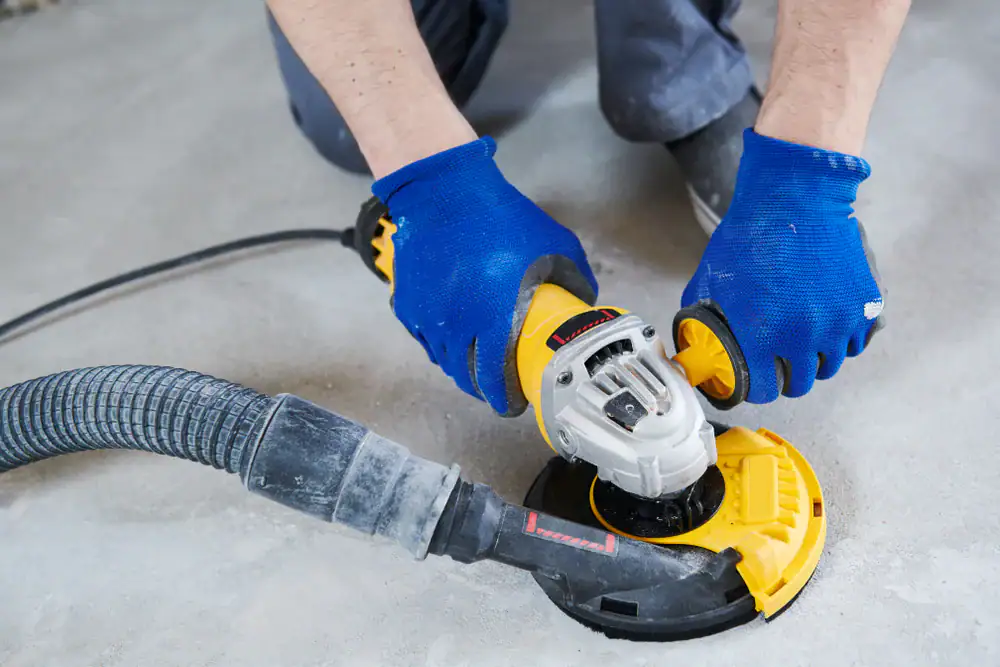
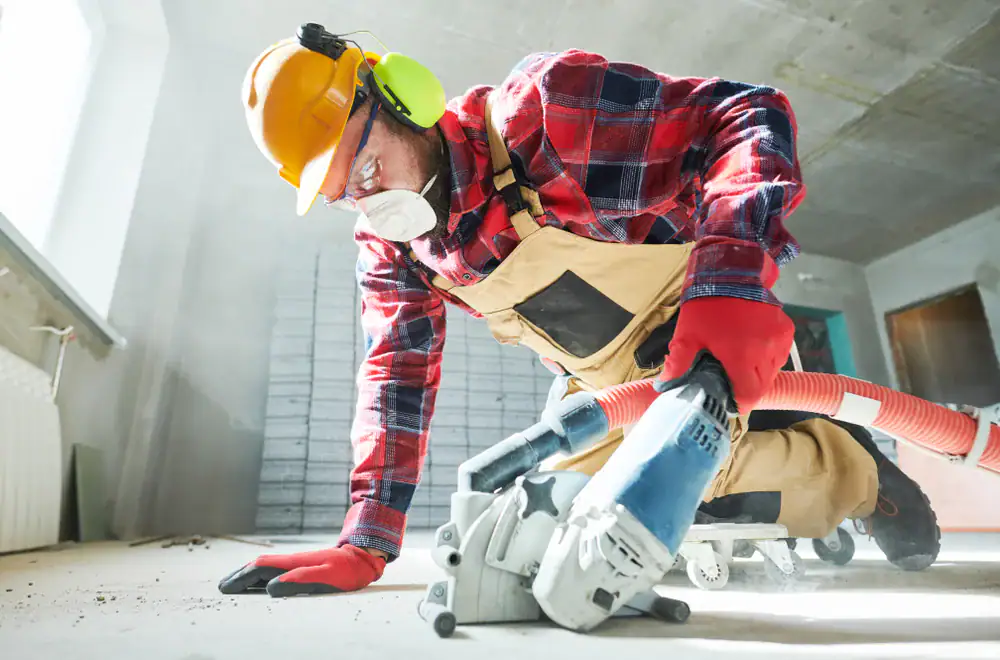
Then comes the actual grinding. We use industrial diamond grinding equipment with integrated dust control systems—HEPA filters that capture 99.97% of particles. The process is loud, but it’s not messy. Each pass removes a layer of concrete, exposing fresh aggregate and creating the surface profile needed for polishing or coating adhesion.
After grinding, we move into progressive polishing if that’s the finish you want. Multiple passes with finer grits bring out the shine and density. If you’re going with an epoxy or resin system instead, the ground surface gives it something to bond to. Either way, we finish with a protective sealer that locks everything in.
Most projects take three to seven days depending on square footage and condition. We can’t rush it—each phase has to cure or settle properly. But we can work around your schedule to minimize disruption, and for urgent situations, we’ve turned around residential projects in 24-48 hours.
Ready to get started?
Concrete Restoration Services Weston FL
You get a full assessment upfront. We walk the space, measure the square footage, check for moisture issues or structural concerns, and give you transparent pricing. No surprises, no hidden fees. If there’s a problem that’ll affect the outcome, we tell you before we start.
The grinding itself uses commercial-grade equipment—not the rental-grade machines that leave swirl marks and uneven surfaces. We work with Sherwin Williams and Fosroc products when sealers or coatings are involved, because material quality matters as much as application technique.
In Weston specifically, we account for the climate. High humidity and temperature swings affect cure times and product performance. We adjust our approach based on the season and your facility’s environment. Indoor climate-controlled spaces behave differently than open warehouses, and we plan accordingly.
You also get follow-up. We check in after the project to make sure the floor is performing as expected. If something’s off, we address it. That’s part of operating with a “Service Above Self” mentality—we’re not just here for the install. We’re here to make sure what we did actually works for you long-term.
How long does concrete grinding take for a commercial space in Weston?
Most commercial concrete grinding projects in Weston take between three and seven days, depending on the square footage and the condition of your existing slab. That timeline includes surface prep, crack repair, the grinding phases, polishing if applicable, and sealing.
We can’t compress that timeline without compromising quality. Each grinding pass needs to be completed properly before moving to the next grit level. Rushing through means you end up with an uneven surface or a finish that doesn’t hold up. If your facility needs to stay operational during the work, we can section off areas and work in phases to minimize disruption.
For smaller residential projects or urgent situations, we’ve completed jobs in 24 to 48 hours. But that’s the exception, not the standard. When you’re dealing with a 10,000-square-foot warehouse floor, the physics of grinding just take time.
Is concrete grinding really dustless, or is that just marketing?
It’s dustless in the sense that we capture 99.97% of the dust before it becomes airborne. We use industrial grinders with integrated vacuum systems and HEPA filters specifically designed to contain crystalline silica—the fine dust that causes silicosis and other serious lung conditions.
That said, “dustless” doesn’t mean zero dust in every scenario. If we’re grinding outdoors in high wind or working on an extremely deteriorated slab, some dust may escape. But in controlled environments like warehouses, retail spaces, or residential garages, the dust stays contained. You won’t see clouds of silica hanging in the air or settling on equipment.
This isn’t optional for us. OSHA and other regulatory bodies now require dust control systems when cutting, grinding, or coring concrete. We’ve been using this equipment for years because it’s the right way to protect workers, building occupants, and anyone nearby. If a contractor isn’t using proper dust control, they’re cutting corners—and putting people at risk.
What’s the cost difference between grinding and replacing a concrete floor?
Concrete grinding and polishing typically costs 30 to 50 percent less than tearing out and replacing a slab. When you grind and polish, you’re working with the existing concrete—no demolition, no disposal fees, no downtime waiting for a new pour to cure.
Replacement makes sense if your slab is structurally compromised—major cracking, settling, or moisture issues that grinding won’t fix. But if the concrete itself is sound and you just need a better surface, grinding is the smarter financial move. You’re also avoiding the environmental cost of hauling out tons of old concrete and pouring new material.
In Weston’s commercial market, where operational downtime is expensive, grinding also gets you back to business faster. A full slab replacement can take weeks when you factor in demolition, grading, pouring, and curing. Grinding a similar space takes days. For a warehouse or retail facility, that difference in downtime often outweighs the material cost savings.
Can you grind concrete that already has an epoxy coating on it?
Yes, but we have to remove the existing coating first. Diamond grinding will cut through most epoxy and resin systems, but it’s harder on the equipment and takes longer than grinding bare concrete. If the coating is failing or delaminating, we’ll grind it off completely to get back to a clean surface.
The bigger question is why the coating failed in the first place. If it’s peeling because the concrete wasn’t prepped correctly the first time, grinding fixes that by creating the proper surface profile. If it failed due to moisture intrusion or structural movement, grinding won’t solve the underlying issue—we’d need to address that before applying a new finish.
Once the old coating is removed and the concrete is properly ground, you have options. You can go with a polished concrete finish and skip the coating entirely, or we can apply a new epoxy system that’ll actually bond correctly this time. Either way, the grinding step is what makes the difference between a floor that lasts two years and one that lasts twenty.
How do you handle concrete grinding in occupied buildings or active facilities?
We section off the work area and coordinate with your operations team to minimize disruption. For facilities that can’t shut down, we work in phases—grinding one section at a time so the rest of the space stays functional. We can also work nights or weekends if that’s what your schedule requires.
The noise is unavoidable. Industrial concrete grinders are loud, and there’s no way around that. But the dust is contained with our vacuum systems, so you don’t have to worry about silica settling on inventory, equipment, or workstations in other areas. We also use barriers and negative air pressure when needed to keep dust from migrating.
In Weston’s commercial and industrial spaces, we’ve worked in active warehouses, retail locations during business hours, and residential properties where families are still living in the home. It’s not always convenient, but it’s manageable. The key is communication—if we know your constraints upfront, we can plan the work to fit your reality instead of forcing you to work around ours.
Will grinding fix cracks and damage in my concrete floor?
Grinding smooths the surface, but it doesn’t repair structural damage. If your floor has cracks, spalling, or areas where the concrete is breaking apart, we address those first with crack repair and patching. Once the repairs cure, we grind everything to create a uniform surface.
Small hairline cracks often get filled during the grinding and polishing process as we work through progressively finer grits. Larger cracks need epoxy or polyurea injection to stabilize them before grinding. If the cracking is due to settling or ongoing movement, grinding won’t stop that—you’d need to address the foundation issue before investing in a surface treatment.
The goal is a floor that performs long-term. Grinding over damaged concrete without fixing the underlying problems just hides the issue temporarily. We’d rather tell you upfront what needs repair and give you a floor that actually lasts than take your money for a surface fix that fails in six months.
Other Services we provide in Weston
Leave a Reply