


Garage Epoxy Flooring in Goulds, FL
Floors That Handle Florida Heat and Humidity
Hear from Our Customers
Epoxy Garage Floor Installation Goulds
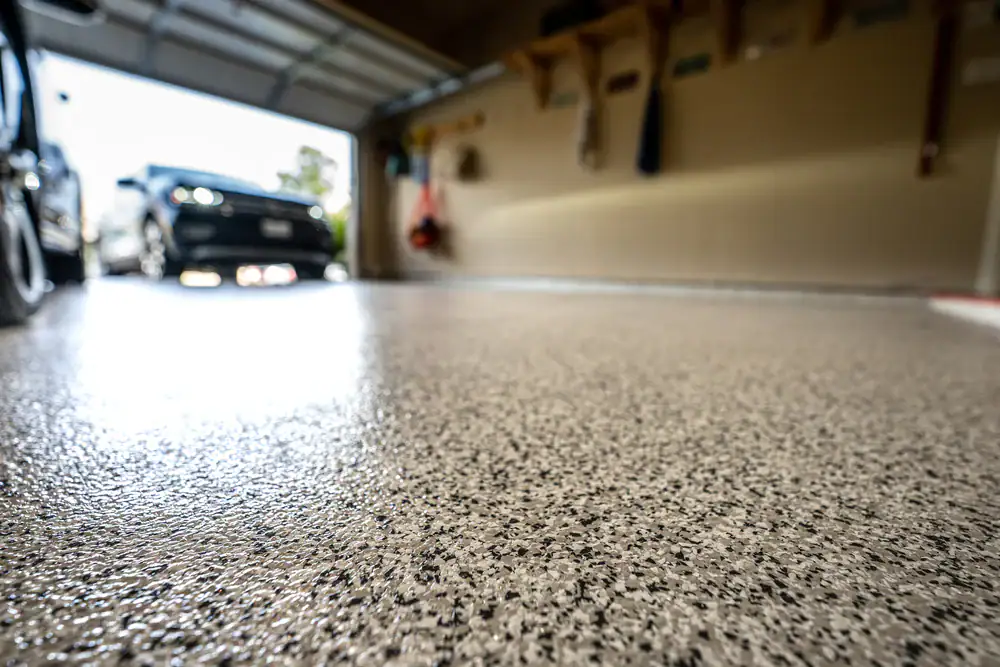
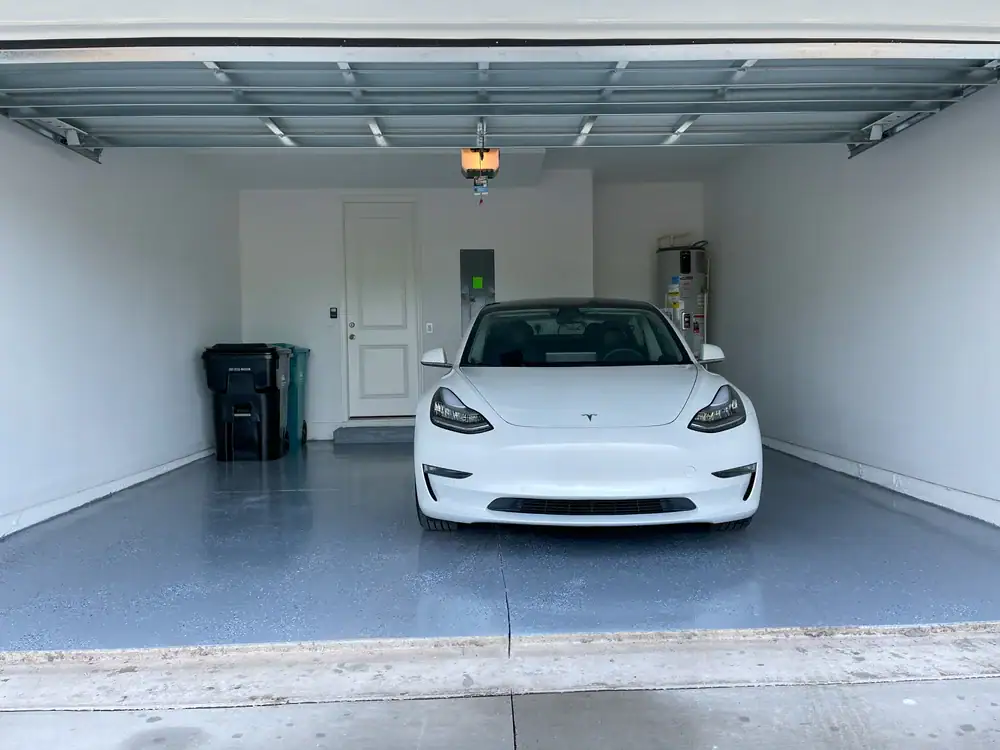
A properly installed epoxy garage floor stops oil from soaking into concrete. It seals out moisture that causes cracks and peeling. It reflects light better, making your space feel larger and cleaner.
Most importantly, it holds up. You’re not repairing it in two years because someone skipped the prep work or used residential-grade materials on a floor that needed commercial strength.
The difference shows up when you park a hot car on it in August. When you spill brake fluid and it wipes clean. When five years pass and the floor still looks like it was finished last month. That’s what happens when the installation is done right from the concrete up.
Epoxy Flooring Contractors Goulds FL
SPF Industrial has been installing epoxy flooring systems across South Florida since 2020. We’re a veteran-owned company that handles everything in-house with full-time employees. No subcontractors touch the work.
Our client list includes the U.S. Coast Guard, Army facilities, City of Doral, and City of Sunny Isles. We use the same commercial-grade materials and installation process for your garage in Goulds, FL that we use for government projects. That means products from Laticrete, Koster USA, Flowcrete, and Carboline—manufacturers that supply industrial and military applications.
When you call, you talk directly to someone who knows the work. We give transparent pricing, schedule 1-on-1 consultations, and follow up after installation. Most garage floors are completed in one to two days.
Garage Floor Coating Process Goulds
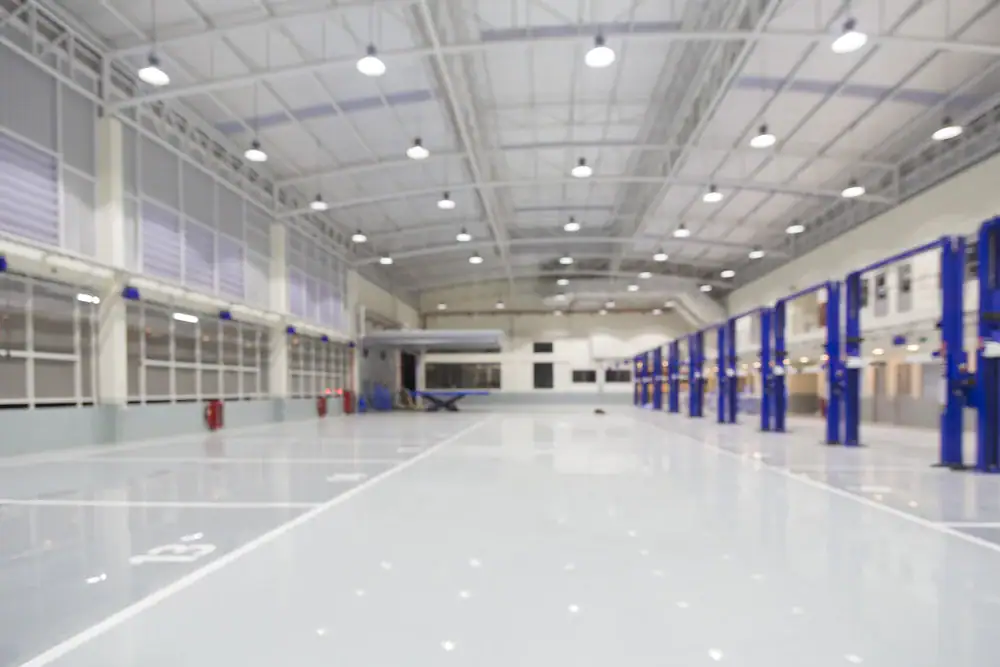
The installation starts with surface preparation. We shot-blast, diamond grind, or scarify your concrete depending on its condition. This step determines whether the epoxy bonds permanently or peels off in a year. We don’t skip it.
Next, we repair cracks and imperfections in the slab. Florida’s sandy soil and moisture cause concrete to shift and crack. Those need to be filled and leveled before any coating goes down. We also test for moisture issues, which are common in Goulds, FL due to humidity and groundwater. If moisture is present, we address it before proceeding.
Then we apply the epoxy system in layers. The base coat bonds to the prepared concrete. The topcoat provides chemical resistance and durability. We monitor temperature and humidity throughout the process because Florida’s climate can ruin an epoxy job if conditions aren’t controlled. The floor is usually ready for light foot traffic in 24 hours and full use in 48 to 72 hours.

Ready to get started?
Epoxy Floor Coating Options Goulds
Your installation includes complete concrete preparation, crack repair, and moisture testing. We apply commercial-grade epoxy systems that resist automotive fluids, cleaning chemicals, and hot tire pickup. The finish is slip-resistant and available in multiple colors or decorative chip patterns.
In Goulds, FL, moisture management is critical. Florida’s humidity allows water to seep into concrete pores, which expands and contracts with temperature changes. This causes peeling, bubbling, and coating failure. We account for this during prep and material selection. The products we use are rated for high-moisture environments and temperature swings.
We also include a warranty covering materials and workmanship. The floor is designed to last 15 to 20 years in residential garages with proper maintenance. Cleaning is simple—sweep or mop as needed. The non-porous surface doesn’t absorb stains, so spills wipe up easily. Most homeowners spend less time maintaining an epoxy floor than they did with bare concrete.
How much does garage epoxy flooring cost in Goulds, FL?
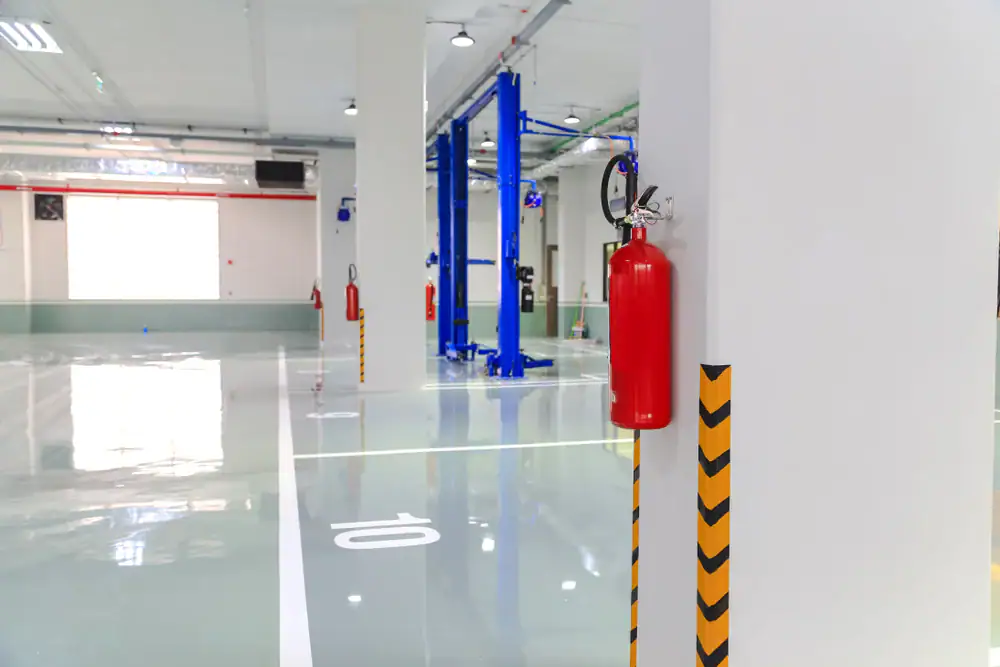
Professional epoxy garage floor installation typically runs between $4 and $10 per square foot in South Florida. For a standard two-car garage, expect to invest around $1,600 to $5,800 depending on the system and any repairs needed.
The price depends on your concrete’s condition, the epoxy system selected, and how much prep work is required. Floors with significant cracking, moisture issues, or surface damage cost more because they need additional repair before coating. We provide transparent pricing after inspecting your garage—no surprises or hidden fees.
DIY kits cost $100 to $500 but often fail within a year or two in Florida’s climate. The prep work gets skipped, the materials aren’t rated for moisture or heat, and the application doesn’t account for humidity. You end up paying twice—once for the kit, and again for professional removal and reinstallation.
Will epoxy flooring hold up in Florida’s heat and humidity?
Yes, if it’s installed correctly with commercial-grade materials. Florida’s heat, humidity, and moisture are hard on garage floors. Temperatures inside a closed garage can exceed 100 degrees in summer. Humidity causes moisture to seep into concrete, which leads to bubbling and peeling if the epoxy isn’t designed for it.
We use products rated for high-moisture, high-temperature environments. The concrete is tested for moisture before installation, and we don’t proceed if conditions aren’t right. The epoxy systems we install are the same ones used in Coast Guard facilities and industrial warehouses across South Florida—they’re built to handle the climate.
Hot tire pickup is another issue in Florida. When tires heat up on asphalt and then park on a fresh epoxy floor, they can pull the coating off if it hasn’t cured properly or if the wrong product was used. We account for this with cure times and material selection. Your floor is ready for full vehicle use before we consider the job complete.
How long does the installation take and when can I use my garage?
Most garage epoxy flooring installations are completed in one to two days. The timeline depends on your floor’s size and condition. If extensive crack repair or moisture remediation is needed, it may take longer.
Once the final coat is applied, the floor is ready for light foot traffic in about 24 hours. You can park vehicles and resume normal use after 48 to 72 hours. Full cure—when the epoxy reaches maximum hardness and chemical resistance—takes about seven days. We’ll give you specific timelines and care instructions before we leave.
The prep work takes the most time. Grinding or shot-blasting the concrete, repairing cracks, and allowing repairs to set properly can’t be rushed. This is where most DIY jobs and low-cost installers fail—they skip or rush the prep to finish faster. We don’t. The floor’s lifespan depends on what happens before the epoxy ever goes down.
What happens if my concrete is cracked or damaged?
Cracked concrete is common in Goulds, FL. Florida’s sandy soil, moisture, and temperature changes cause slabs to shift and crack over time. We repair cracks as part of the installation process before any epoxy is applied.
The repair method depends on the crack’s size and cause. Hairline cracks are filled with epoxy or polyurethane fillers that bond to the surrounding concrete. Larger cracks may require routing and filling with more substantial materials. If the slab has settled unevenly, we level it during prep. The goal is a smooth, stable surface that won’t telegraph cracks through the new coating.
If moisture is causing the cracking—which happens when water seeps under the slab and creates pressure—we address that first. Coating over a moisture problem guarantees failure. We test for moisture, identify the source, and recommend solutions before proceeding. Sometimes it’s as simple as improving drainage around the garage. Other times it requires moisture mitigation products under the epoxy. We’ll walk through what’s needed during the consultation.
How do I maintain an epoxy garage floor?
Maintenance is minimal. Sweep or dust mop regularly to remove dirt and debris. For deeper cleaning, mop with water and a mild detergent. Avoid harsh chemicals or abrasive scrubbers that can dull the finish over time.
Spills should be wiped up promptly, though the epoxy is highly resistant to oil, gasoline, brake fluid, and most household chemicals. The non-porous surface doesn’t absorb stains like bare concrete does. If something sits for a while, it still cleans up easily with a rag and degreaser.
Avoid dragging sharp metal objects or heavy equipment across the floor. While epoxy is durable, it’s not indestructible. Use furniture pads under workbenches or storage racks. If you’re working with welding equipment or metal tools, lay down mats in high-impact areas. Most homeowners find the floor requires less maintenance than bare concrete, which constantly sheds dust and absorbs every stain. The glossy finish also reflects light better, so your garage stays brighter without additional lighting.
Why not just use a DIY epoxy kit from a hardware store?
DIY kits fail in Florida because they’re not designed for this climate. The products are residential-grade, which means they can’t handle the heat, moisture, and humidity that South Florida garages experience. Most kits also assume your concrete is in perfect condition, which is rarely the case.
The biggest issue is surface preparation. DIY instructions tell you to clean and etch the concrete with acid. That’s not enough. Professional installations require mechanical grinding or shot-blasting to open the concrete’s pores and create a proper bond. Without it, the epoxy sits on top of the surface instead of bonding into it. It peels within months.
Florida’s humidity also causes problems during application. If the temperature or humidity is outside the product’s range, the epoxy won’t cure correctly. It stays soft, bubbles form, or the finish clouds. We monitor conditions and adjust timing to ensure proper curing. DIY installers usually don’t have that knowledge or equipment. You end up with a floor that looks okay for a few months, then fails. Removing failed epoxy and starting over costs more than hiring us from the beginning.
Other Services we provide in Goulds
Leave a Reply