


Garage Epoxy Flooring in Gulf Stream, FL
Your Garage Floor Should Match Your Property Value
Hear from Our Customers
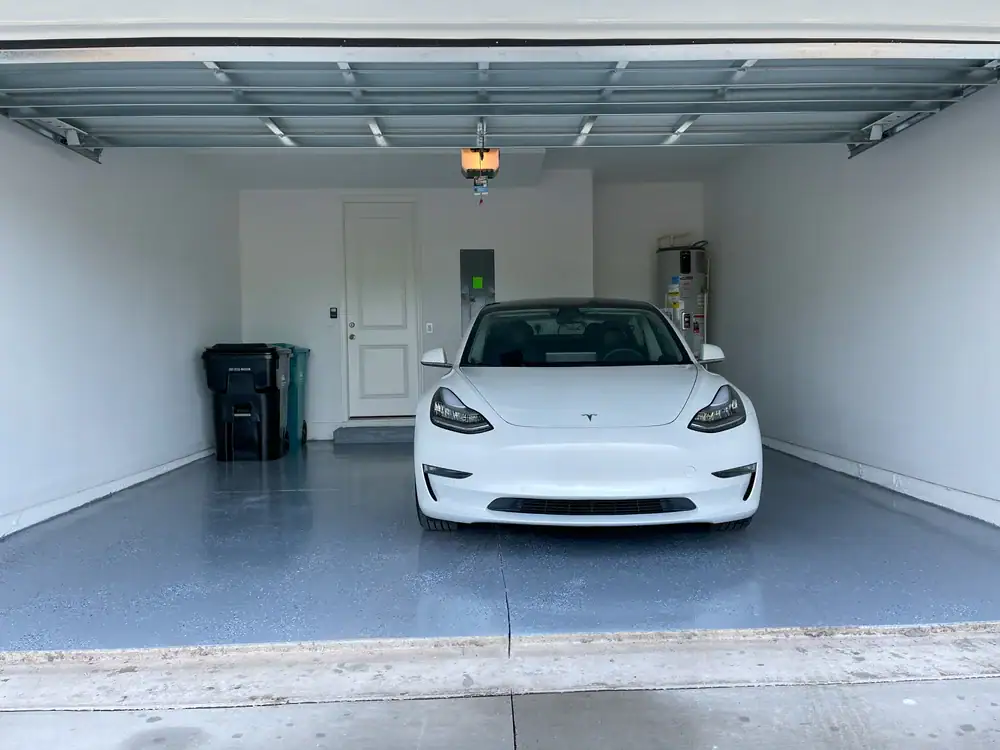
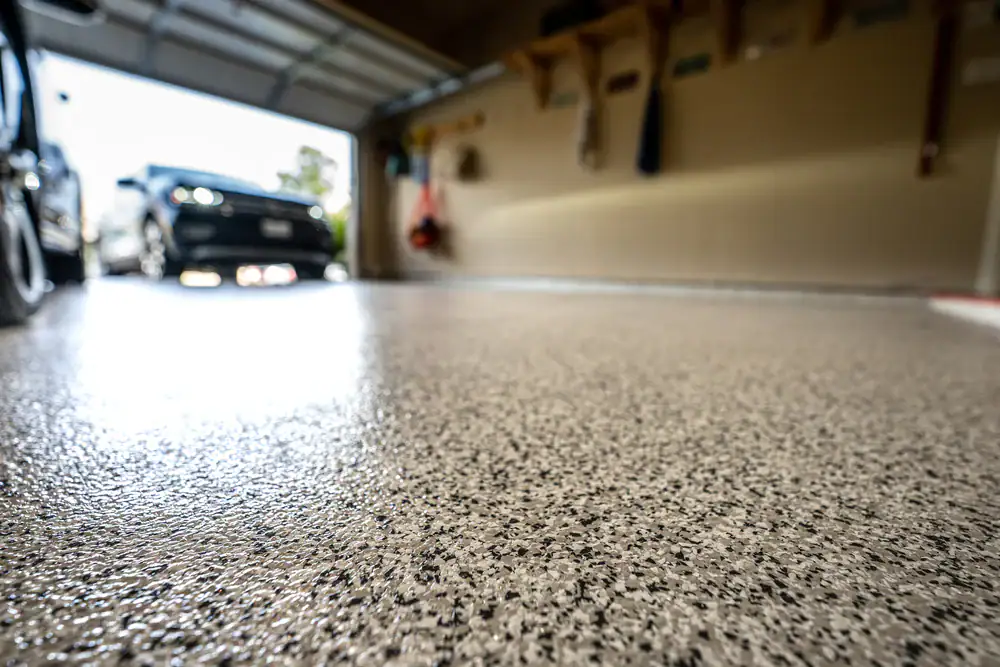
Epoxy Garage Floor Solutions in Gulf Stream
Your garage takes more abuse than you probably realize. Between Gulf Stream’s relentless humidity, the salt air drifting in from the coast, and the heat that turns concrete into a radiator by mid-afternoon, your floor is under constant attack. Most coatings fail within five years here because they weren’t designed for this environment.
A proper epoxy garage floor does more than look clean. It seals out moisture before it can work its way up through the concrete. It resists the oil drips, chemical spills, and hot tire marks that come with daily use. And when it’s installed correctly with the right materials, it holds up for decades instead of peeling off in sheets after the first summer.
You’re looking at a floor that’s ready for traffic in 72 hours, doesn’t yellow under UV exposure, and actually protects the concrete underneath. That’s what matters when you’re maintaining a property in Palm Beach County. The finish should work as hard as everything else you’ve invested in.
Gulf Stream Epoxy Flooring Contractor
SPF Industrial is a veteran-owned flooring contractor that’s been serving South Florida since 2020. We handle everything in-house with our own crew, no subcontractors. That means when you call, you’re talking to the people who’ll actually be doing the work.
We’ve installed floors for the Coast Guard, the U.S. Army, and municipal clients across Palm Beach and Broward counties. Government work requires precision, accountability, and materials that hold up under inspection. We bring that same standard to your garage in Gulf Stream, whether it’s a two-car space or a collector’s showroom.
You’ll get transparent pricing, a one-on-one consultation, and a timeline we’ll actually stick to. Most residential projects are done in 24 to 48 hours. If you need it faster, we can make that happen.
Epoxy Floor Coating Installation Process
First, we prep the concrete. That’s the step most companies rush, and it’s why their coatings fail. We use diamond grinding equipment to open up the pores and remove any existing sealers, oils, or contaminants. If there are cracks, we repair them. If the slab has moisture issues, we address that with a vapor barrier primer before anything else goes down.
Next comes the base coat. We use commercial-grade epoxy from manufacturers like Laticrete and Advanced Polymer Technology. These aren’t the same products you’ll find at a hardware store. They’re formulated for high-traffic environments and Florida’s humidity levels. We apply them in layers, with broadcast chips or quartz if you want texture and slip resistance.
The topcoat is a UV-stable polyaspartic sealer. It cures fast, stays clear, and creates a chemical-resistant surface that won’t fade or crack under sunlight. You can walk on it in 12 hours. You can park on it in three days. And it’ll look the same five years from now as it does the day we finish.
Ready to get started?
Garage Floor Coating Options in Gulf Stream
Every garage floor coating we install starts with a moisture test and a full surface evaluation. Gulf Stream sits right on the coast, and that means your concrete is constantly dealing with humidity and salt exposure. We don’t skip the prep work, and we don’t use materials that aren’t rated for this climate.
You’ll get a multi-layer system: vapor barrier if needed, epoxy base coat, optional decorative flake or quartz broadcast, and a polyaspartic topcoat that’s 100% UV stable. That top layer is what keeps your floor from yellowing, cracking, or peeling when the Florida sun hits it. It’s also what gives you chemical resistance against gasoline, oil, brake fluid, and whatever else ends up on the ground.
The finish options range from high-gloss to satin, solid colors to metallic blends. Most Gulf Stream clients go for a clean, polished look that complements the rest of the property. We’ll walk you through samples during the consultation so you know exactly what you’re getting. And because we’re working directly with you instead of through a general contractor, the pricing stays transparent and the communication stays simple.
How long does epoxy garage flooring actually last in South Florida?
If it’s installed correctly with the right materials, you’re looking at 10 to 20 years. The key is using a system that’s designed for Florida’s climate, not just standard epoxy that works fine in Arizona or Colorado.
Most failures happen because of moisture. Concrete in Gulf Stream absorbs humidity from the ground and the air. If that moisture gets trapped under the coating, it’ll push the epoxy right off the slab. That’s why we start with a vapor barrier primer on jobs where the concrete shows any signs of moisture intrusion. It’s an extra step, but it’s the difference between a floor that lasts two years and one that lasts two decades.
The topcoat matters just as much. Standard epoxy yellows and breaks down under UV exposure. We use polyaspartic sealers that are UV-stable and won’t degrade in sunlight. They also cure faster, so you’re not waiting a week to use your garage. Combine that with proper surface prep and commercial-grade base coats, and you’ve got a floor that’ll outlast most of the other finishes in your home.
What’s the difference between DIY epoxy kits and professional installation?
The materials aren’t even close to the same. The kits you’ll find at a big box store are water-based or low-solids epoxy. They’re thin, they don’t bond as well, and they’re not designed for vehicle traffic or Florida’s heat and humidity. Professional-grade epoxy is 100% solids, which means it cures thicker and stronger.
But the bigger issue is the prep work. You need diamond grinding equipment to properly open up the concrete and create a surface the epoxy can bond to. That equipment costs tens of thousands of dollars, and it takes experience to use it correctly. If the concrete isn’t prepped right, the coating will fail no matter how good the product is. We see it all the time: homeowners who spent a weekend applying a DIY kit, only to have it peel off in sheets within a year.
There’s also the science of it. Temperature and humidity affect cure times and bond strength. You need to know when conditions are right and when they’re not. We bring moisture meters, surface grinders, and years of experience working in South Florida’s climate. That’s not something you can replicate with a YouTube video and a rental tool.
How soon can I park my car on a new epoxy garage floor?
You can walk on it in about 12 hours. Light use is fine after 24 hours. For vehicle traffic, you’re looking at 72 hours to be safe.
That timeline is based on polyaspartic topcoats, which cure significantly faster than traditional epoxy. Older systems could take a week or more before they were ready for cars. We use modern materials that are formulated for quick turnaround without sacrificing durability. That means less disruption to your routine and fewer days with your vehicles parked in the driveway.
Temperature and humidity do affect cure times, so we’ll give you a specific timeline based on the conditions during your install. If it’s the middle of summer and your garage is sitting at 95 degrees, the coating will cure faster. If it’s a cooler, more humid day, we might recommend waiting an extra 12 hours before parking. We’ll walk you through all of that before we leave so there’s no guesswork on your end.
Will the epoxy floor coating hold up to hot tires and oil stains?
Yes, if it’s the right system. Hot tires can soften low-quality coatings and leave marks, especially in Florida’s heat. That’s why we use high-temperature-resistant epoxy with a polyaspartic topcoat. These materials are designed for commercial and industrial environments where thermal shock and chemical exposure are constant.
Oil, gasoline, brake fluid, and other automotive chemicals won’t penetrate a properly sealed epoxy floor. The polyaspartic topcoat creates a non-porous surface that resists staining and makes cleanup easy. Spills wipe up instead of soaking in. That’s a huge advantage over bare concrete, which is porous and holds onto stains permanently.
The broadcast flake or quartz we add to most floors also helps with traction and hides any minor imperfections or dirt that accumulates over time. You’re not going to see every tire mark or dust particle the way you would on a solid-color glossy floor. It stays looking clean with minimal maintenance, which is the whole point of doing this in the first place.
Can you install epoxy flooring over cracked or damaged concrete?
It depends on the severity of the damage, but in most cases, yes. Small cracks are common in Florida because of soil movement and temperature fluctuations. We fill and seal those cracks as part of the prep process. If the concrete has larger structural issues or significant settling, we’ll need to address that first before any coating goes down.
We start every job with a full inspection of the slab. We’re looking for cracks, spalling, moisture intrusion, and any existing coatings or sealers that need to be removed. If the concrete is sound overall, we can repair the damaged areas and move forward with the epoxy install. If there are deeper issues, we’ll tell you upfront what needs to be fixed and what it’ll cost.
The goal is a floor that lasts. Putting epoxy over a compromised slab is a waste of your money and our time. We’d rather spend an extra day on repairs and give you a finish that holds up for 15 years than rush through a job that fails in two. That’s the difference between working with a contractor who’s focused on the next call and one who’s focused on doing it right.
What does garage floor coating cost in Gulf Stream?
Most two-car garages in Gulf Stream run between $2,500 and $4,500, depending on the condition of the concrete, the finish you choose, and whether any repairs are needed. That’s for a full commercial-grade system with proper prep, base coat, broadcast flake, and polyaspartic topcoat.
We don’t give quotes over the phone because every garage is different. Concrete condition, square footage, and the level of prep required all affect the final price. We’ll come out, evaluate the space, and give you a transparent breakdown of what the job involves and what it’ll cost. No surprises, no upselling once we’re on-site.
You’ll see cheaper options out there, and you’ll see more expensive ones. The cheap jobs usually skip the moisture barrier, use thinner coatings, or rush the surface prep. The expensive ones might include decorative elements like metallic finishes or custom colors. We’re focused on giving you a floor that performs in South Florida’s climate and looks good doing it. That’s where our pricing lands, and it’s backed by the same standards we use on government and commercial projects.
Other Services we provide in Gulf Stream
Leave a Reply