


Garage Epoxy Flooring in Hialeah Gardens, FL
Epoxy Floors That Actually Last in Florida’s Climate
Hear from Our Customers
Professional Epoxy Floor Coating Services
You’re tired of stains soaking into concrete. Oil drips, tire marks, rust spots—they don’t just sit on the surface anymore, they become part of it.
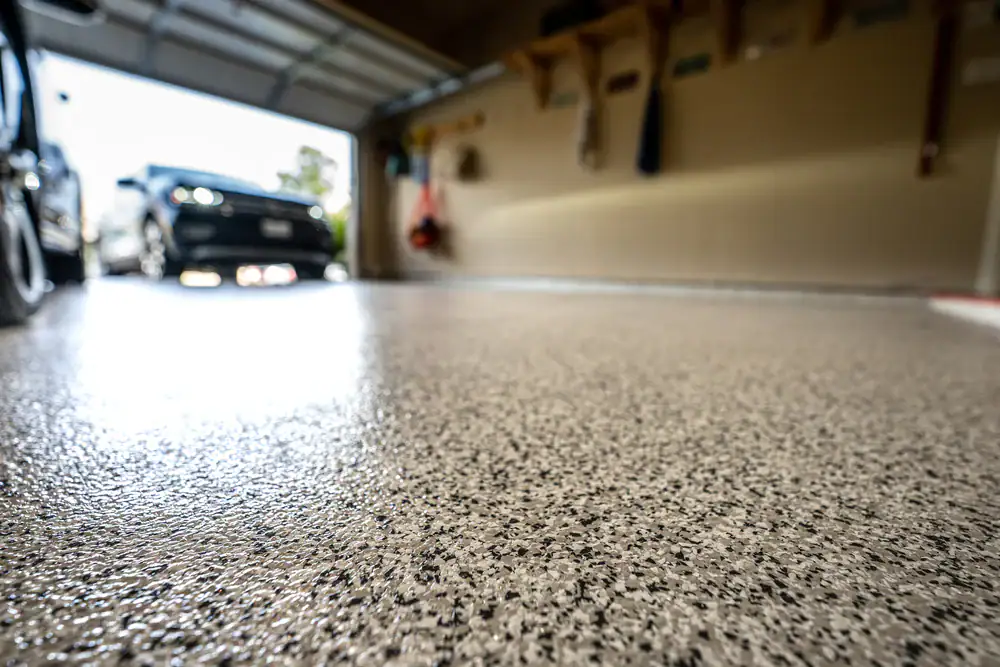
An epoxy floor coating changes that. The seamless surface resists oil, gasoline, chemicals, and moisture. Spills wipe up in seconds instead of becoming permanent reminders of every project you’ve tackled.
The high-gloss finish reflects light better than bare concrete ever could. You’ll notice the difference immediately—better visibility, cleaner appearance, and a space that actually feels finished. Your garage stops looking like an afterthought and starts functioning like the workspace or storage area you need it to be.
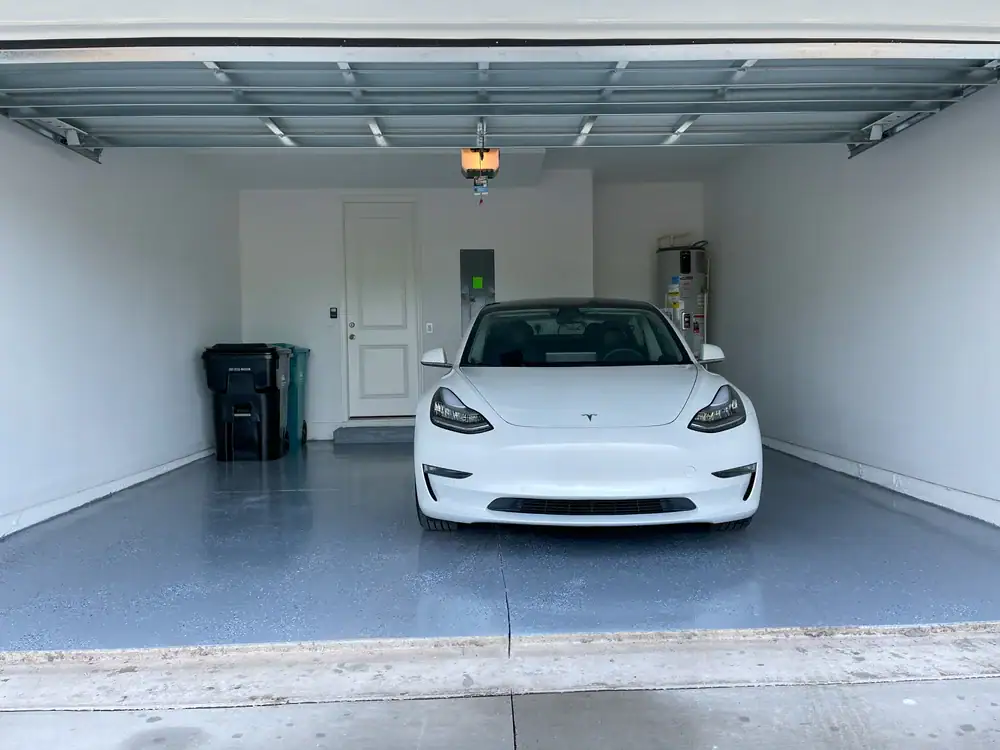
Florida’s humidity won’t create mold underneath. Summer heat won’t cause bubbling. And when your tires track in water from a sudden afternoon storm, the anti-slip texture keeps you from sliding across the floor. You get durability that matches how you actually use the space.
Trusted Epoxy Flooring Contractors in Hialeah Gardens
We’ve handled epoxy flooring projects for the U.S. Coast Guard, Army facilities, and municipal buildings across South Florida—including the City of Doral and City of Sunny Isles. When government contracts require floors that can handle heavy equipment, constant foot traffic, and Florida’s climate extremes, they call us.
We bring that same level of preparation and installation quality to your garage in Hialeah Gardens. You’re not getting a watered-down residential version of what we do. You’re getting the same surface prep, the same Sherwin Williams and Fosroc products, and the same attention to detail that keeps a Coast Guard facility floor intact for decades.
Hialeah Gardens homeowners deal with the same heat and humidity that tests every coating system. We’ve been installing epoxy garage flooring here since 2020, and we know exactly how Florida’s climate tries to destroy poorly installed floors. Our process accounts for it from the start.
Our Garage Floor Coating Installation Process
Surface preparation determines whether your epoxy floor lasts two years or twenty. We start by grinding down your concrete to remove any existing coatings, sealers, oils, or contaminants. This isn’t optional—up to 80% of epoxy failures trace back to skipping or rushing this step.
Next, we repair any cracks or damage in the concrete itself. Epoxy won’t fix structural problems, it’ll just highlight them later. We fill, level, and ensure the slab is ready to bond properly.
We test for moisture levels before applying anything. Florida’s humidity means concrete can hold more moisture than you’d expect, and trapped moisture causes blistering and delamination. If levels are too high, we address it before moving forward.
The epoxy application happens in controlled conditions—temperature and humidity matter. We apply a base coat, broadcast decorative flakes if you want them, and finish with a clear topcoat that includes anti-slip additives. The entire process typically takes 1-2 days depending on your garage size, and you can drive on it within 24-48 hours after the final coat cures.
Ready to get started?
What’s Included in Garage Epoxy Flooring
Every garage floor coating project includes full surface grinding and preparation—not just a quick sweep and acid etch. We’re removing the top layer of concrete to create a clean, porous surface that epoxy can actually grip.
Crack repair and concrete leveling come standard. If your slab has settled unevenly or developed cracks over time, we fix those issues before any coating goes down. You won’t see those problems telegraphing through your new floor six months later.
You choose your finish. Solid colors give you a clean, uniform look. Decorative flakes add texture and visual interest while hiding small imperfections. Metallic finishes create depth and movement. We’ll show you samples and explain what works best for your garage’s lighting and use.
The topcoat includes anti-slip additives because Florida garages get wet. Whether it’s rain, humidity, or washing your car, that moisture needs to be manageable. You shouldn’t have to tiptoe across your own garage floor.
Hialeah Gardens homeowners also get the advantage of working with a local contractor who understands South Florida building codes, HOA requirements, and the specific climate challenges that make this area different from the rest of the country. We’re not learning on your garage—we’ve already solved these problems dozens of times in your neighborhood.
How long does epoxy flooring last in Florida’s climate?
A professionally installed epoxy garage floor should last 10-20 years in South Florida if the surface prep was done correctly. That’s the critical factor—not the epoxy itself, but what happened before it was applied.
Florida’s heat and humidity test every coating system. Temperatures inside a closed garage can hit 100+ degrees in summer, and that heat causes expansion in both the concrete and the coating. If the epoxy wasn’t bonded properly to begin with, that expansion creates separation. Add in moisture from humidity or rain, and you get bubbling, peeling, or delamination.
DIY epoxy kits fail in 18-36 months here because they skip the surface grinding step. They rely on acid etching, which doesn’t create enough profile for a strong bond. When heat and moisture hit that weak bond, the coating lifts. Professional installations grind the concrete, remove all contaminants, and create a mechanical bond that holds up to Florida’s conditions. You’re looking at decades of use instead of a couple years before you’re redoing it.
Why do so many DIY garage epoxy floors fail?
Surface preparation. That’s the entire answer, but it’s worth explaining why it matters so much.
Concrete looks smooth, but it’s actually porous and often contaminated with oils, sealers, or residue from years of use. DIY kits tell you to acid etch the floor, which sounds like serious prep work. But acid etching only cleans the surface—it doesn’t remove enough material to create the texture epoxy needs to bond properly. You’re essentially gluing a coating to a dirty, sealed surface and hoping it sticks.
Florida makes this worse. The heat causes your concrete to expand and contract daily. Humidity adds moisture pressure from below. When epoxy isn’t mechanically bonded into the concrete through proper grinding, those forces peel it right off. You’ll see it start at the edges or in high-traffic areas first, then spread.
Professional installations use diamond grinders to remove the top layer of concrete entirely. This creates a rough, clean surface with open pores that epoxy can penetrate and lock into. It’s not a chemical bond that can break—it’s a physical bond that becomes part of the concrete itself. That’s why professional floors last 10-20 years while DIY floors fail in under three.
What causes hot tire pickup on epoxy floors?
Hot tire pickup happens when your car’s tires heat up from driving, then transfer that heat directly to the epoxy coating when you park. If the epoxy isn’t fully cured or wasn’t formulated to handle high temperatures, the heat softens the coating just enough that the tire rubber bonds to it. When you drive away, small pieces of the coating come with the tire.
This is almost always a product quality or curing issue. Cheap epoxy systems or fast-cure formulas don’t develop the heat resistance needed for Florida garages. You’ll also see this if someone applied epoxy in high heat or humidity without adjusting the cure time—the coating might feel hard on the surface but hasn’t fully cross-linked underneath.
We use commercial-grade epoxy systems that cure properly in Florida’s climate and can handle the thermal stress of hot tires. We also control the application environment and cure time to ensure the coating fully hardens before you park on it. The epoxy needs to be harder than the rubber trying to stick to it. When installed correctly, your tires won’t leave marks or pull up the coating no matter how hot they get.
How much does professional garage epoxy flooring cost?
For a standard two-car garage in Hialeah Gardens, you’re typically looking at $4,000-$5,500 for a complete professional installation. That includes surface grinding, crack repair, epoxy application, decorative flakes if you want them, and a clear topcoat with anti-slip additives.
The price varies based on your concrete’s current condition. If we’re repairing significant cracks, removing old coatings, or dealing with moisture issues, that adds time and materials. Larger garages or custom color/pattern requests also affect the final cost.
Here’s what you’re actually paying for: surface preparation equipment that costs tens of thousands of dollars, commercial-grade epoxy systems that can handle Florida’s climate, and installers who know how to read concrete and adjust for temperature and humidity conditions. A DIY kit costs $200-400, but you’re doing the labor yourself with consumer-grade products and no professional equipment. That’s why DIY floors fail and professional installations last decades.
We provide transparent pricing after seeing your garage. No surprise charges, no upselling once we start. You’ll know exactly what the project costs before we begin, and that price includes everything needed to get your floor done right the first time.
Can epoxy flooring be applied over existing garage floor paint?
No. We have to remove any existing paint, sealer, or coating before applying epoxy. You can’t bond new epoxy to old paint—you’d just be creating a failure point.
Old paint might look like it’s adhered well, but it’s already starting to break down. Florida’s heat and moisture have been working on it since the day it was applied. If we put epoxy over that paint, the epoxy will only be as strong as the weakest layer underneath it. When the old paint eventually fails, the new epoxy comes up with it.
We grind off the existing coating entirely during surface prep. This removes the paint, opens up the concrete pores, and creates the clean surface epoxy needs to bond directly to the slab. It adds time to the project, but it’s the only way to ensure your new floor actually lasts.
If someone tells you they can just coat over your existing floor without grinding, they’re setting you up for a failure. The epoxy might look good for a few months, but it’ll start peeling once heat and humidity get underneath. We’ve repaired dozens of floors where someone tried to skip this step. It never works long-term.
How do I maintain an epoxy garage floor?
Maintenance is simple—that’s one of the main reasons people choose epoxy flooring. Sweep or blow out dust and debris regularly, and mop with a mild cleaner when needed. That’s it.
The seamless, non-porous surface means dirt and spills can’t soak in. Oil, gasoline, and most chemicals sit on top where you can wipe them up. You don’t need special cleaners or treatments. A standard floor cleaner diluted with water works fine. Avoid abrasive scrubbers that could dull the finish over time, but normal mopping won’t hurt anything.
For tougher stains, let the cleaner sit for a few minutes before wiping. The epoxy won’t absorb the stain, so you’re just breaking down whatever’s sitting on the surface. If you spill something and clean it up within a reasonable time, you won’t see any lasting marks.
The anti-slip texture we add to the topcoat doesn’t trap dirt the way you might expect. It’s fine enough to provide traction without creating grooves that collect grime. Your floor will stay cleaner with less effort than bare concrete or painted surfaces. Most homeowners tell us they spend less time cleaning their garage after epoxy installation because spills and dirt don’t become permanent problems anymore.
Other Services we provide in Hialeah Gardens
Leave a Reply