


Garage Epoxy Flooring in Lake Clarke Shores, FL
Florida-Tested Garage Floors That Actually Last
Hear from Our Customers
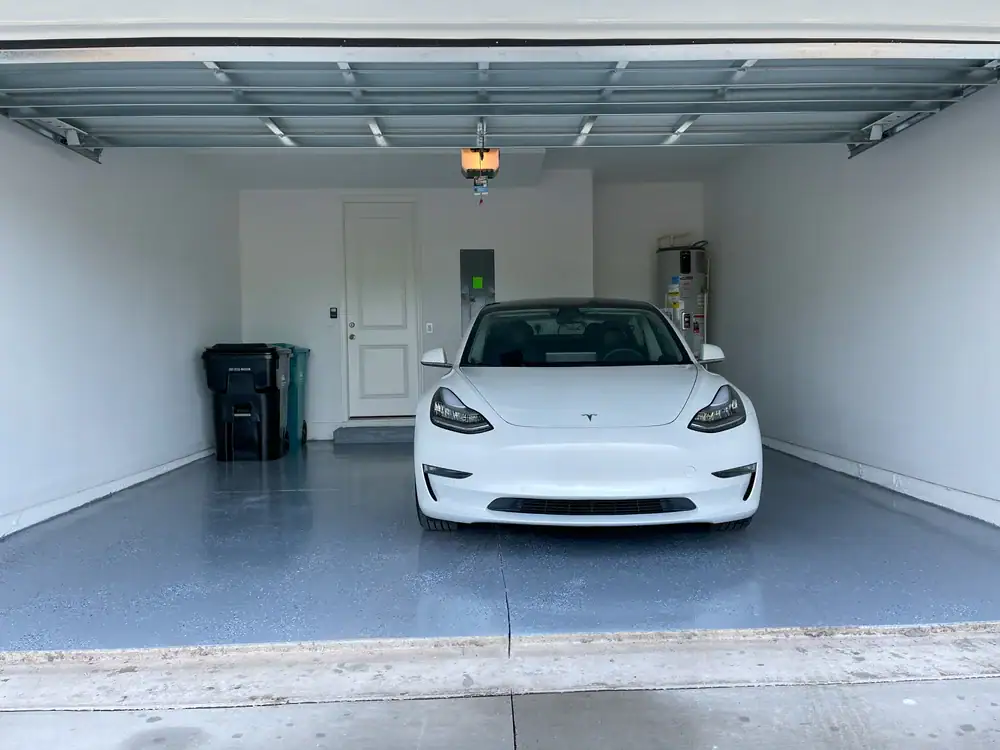
Epoxy Garage Floor Solutions That Hold Up
You’ve probably seen it before. Bubbling after the first rainy season. Peeling where your tires sit. That yellowing that makes a two-year-old floor look ancient.
Florida’s climate destroys most garage floor coatings faster than anywhere else in the country. High humidity traps moisture under the surface. UV exposure breaks down standard epoxy three times faster here than in milder climates. And when you add hot tires, automotive fluids, and salt air, most DIY kits and cheap contractor jobs fail within 18 to 24 months.
A proper epoxy floor coating changes that. You get a surface that resists stains from oil and chemicals. You avoid the constant maintenance cycle that costs you time and money. And you end up with a garage that actually looks professional instead of patchy and worn.
The difference comes down to climate-specific installation. Moisture testing before application. Commercial-grade materials designed for coastal environments. And technicians who understand that what works in Ohio doesn’t work in Palm Beach County.
Lake Clarke Shores Epoxy Flooring Specialists
We specialize in epoxy flooring and concrete polishing across South Florida. We’ve handled projects for the Coast Guard, US Army, City of Doral, City of Sunny Isles, and multiple county facilities. That’s not to brag. It’s to show you we handle floors that can’t fail.
We work with Sherwin Williams and Fosroc products because they hold up in Florida’s conditions. We offer transparent pricing and 1-on-1 consultations because you deserve to know exactly what you’re paying for. And we prefer dealing directly with property owners instead of going through general contractors, which means better communication and accountability from start to finish.
Lake Clarke Shores sits right in the zone where humidity and heat create the worst conditions for standard garage floor coatings. We’ve been installing epoxy garage flooring in this area long enough to know what fails and what lasts. You’re not getting a national franchise following a generic playbook. You’re getting a local team that adjusts installation methods based on real-time humidity readings and surface conditions.
Our Garage Floor Coating Process
First, we test your concrete for moisture. This step gets skipped by most contractors, and it’s the number one reason epoxy fails early. If there’s trapped moisture, we address it before any coating goes down.
Next comes surface preparation. We grind down the concrete to remove contaminants, old coatings, and anything that would prevent proper adhesion. This isn’t a quick sweep and acid wash. It’s mechanical preparation that creates the profile epoxy needs to bond correctly.
Then we apply the base coat. We adjust resin ratios based on current temperature and humidity levels because Florida’s climate requires different mixing than what the product label recommends. This is where experience in coastal environments matters.
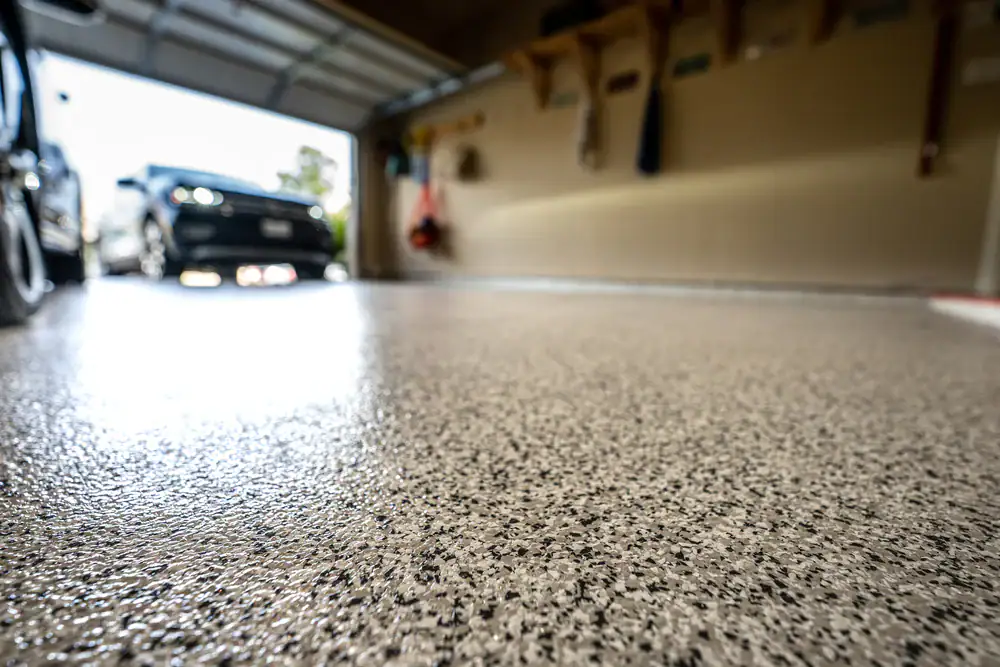
After the base cures, we apply the topcoat with your choice of finish. You can go with a solid color, add decorative flakes, or choose a slip-resistant texture depending on how you use your garage. We also offer metallic finishes if you want something that looks more custom.
The entire process typically takes two to three days depending on the size of your garage and current weather conditions. We don’t rush curing times to fit more jobs into a week. We let the epoxy cure properly so it performs the way it should for the next ten-plus years.
Ready to get started?
What’s Included in Professional Installation
Every garage epoxy flooring project includes moisture testing, full surface preparation, commercial-grade materials, and a finish designed for your specific use. If you need chemical resistance for automotive work, we spec that. If you want anti-slip texture for safety, we add that. If UV protection matters because your garage gets direct sun, we account for that.
In Lake Clarke Shores, most garage floors face similar challenges. Humidity averages above 70% for much of the year. Afternoon storms are constant in summer. And if you’re near the water, salt air accelerates wear on any surface that isn’t properly sealed.
We also handle repairs and resurfacing if your current floor is damaged. Sometimes the concrete underneath needs attention before any coating can go down. Cracks, spalling, and uneven sections all get addressed during prep. You’re not just covering up problems. You’re fixing them so the new floor actually lasts.
The goal is a garage floor that holds up to Florida’s conditions without needing constant touch-ups. You should be able to park hot vehicles, spill fluids, track in rain and debris, and still have a floor that looks clean and professional years later. That’s what proper epoxy floor coating delivers when it’s installed correctly.
How long does garage floor epoxy last in Florida’s climate?
A professionally installed epoxy garage floor should last ten years or more in Florida if it’s done right. That’s a big “if” because most failures happen within the first two years due to improper installation.
The main killers are trapped moisture, inadequate surface prep, and using materials not rated for high humidity and UV exposure. When moisture gets trapped under the coating, it creates pressure that causes bubbling and delamination. When the concrete isn’t properly profiled, the epoxy doesn’t bond correctly and starts peeling. And when standard epoxy gets hit with Florida’s UV levels, it yellows and breaks down fast.
Climate-specific installation solves these problems. We test for moisture before any coating goes down. We mechanically grind the surface instead of relying on acid etching alone. And we use commercial-grade epoxy formulated to handle heat, humidity, and UV exposure. Those three factors are why our installations last a decade while DIY kits and cheap contractor jobs need redoing every few years.
What’s the difference between DIY kits and professional epoxy flooring?
DIY garage floor coating kits use thinner epoxy with lower solids content. Professional-grade materials have higher solids, which means more actual epoxy and less filler. That translates directly to durability and chemical resistance.
Surface preparation makes an even bigger difference. DIY instructions usually tell you to clean the floor and maybe acid etch it. Professional installation involves grinding the concrete to create the right profile, removing all contaminants, and repairing any damage before coating. Without proper prep, even the best epoxy won’t bond correctly.
Then there’s the climate factor. Florida’s humidity and temperature swings require adjusted mixing ratios and specific curing conditions. DIY kits don’t account for that. You’re following generic instructions written for average conditions, not South Florida’s extreme environment. That’s why you see so many failed DIY jobs with bubbling, peeling, and hot tire pickup within the first year.
Can you apply epoxy over my existing garage floor coating?
Sometimes, but usually it’s better to remove the old coating first. If the existing coating is failing, anything you put over it will fail too. The new epoxy is only as good as what it’s bonded to.
We evaluate the current floor condition before making a recommendation. If the old coating is still adhering well and just needs refreshing, we can prep and coat over it. But if there’s any peeling, bubbling, or delamination, we remove it completely and start fresh.
Removal adds time and cost to the project, but it’s the only way to ensure the new floor lasts. Trying to coat over a failing surface is like painting over rotten wood. It might look okay for a few months, but the underlying problem doesn’t go away. In Lake Clarke Shores’ humid climate, any weakness in the substrate gets amplified quickly. We’d rather do it right once than have you call us back in a year because the floor failed again.
How long before I can park on the new epoxy floor?
You can walk on it after 24 hours, but you should wait at least 72 hours before parking vehicles. Full cure takes about seven days, which is when the floor reaches maximum hardness and chemical resistance.
Florida’s humidity slows curing compared to drier climates. We account for that in our timeline and don’t rush the process. Parking too early can leave tire marks or even pull up sections of uncured epoxy, especially if it’s hot outside and your tires are warm.
If you need to use your garage sooner, let us know during planning. We can sometimes adjust the schedule or recommend a faster-curing system depending on your situation. But in general, giving the floor a full three days before vehicle traffic and a full week before heavy use gives you the best long-term results. It’s a small wait for a floor that’ll last a decade.
Does epoxy flooring work for commercial garages and shops?
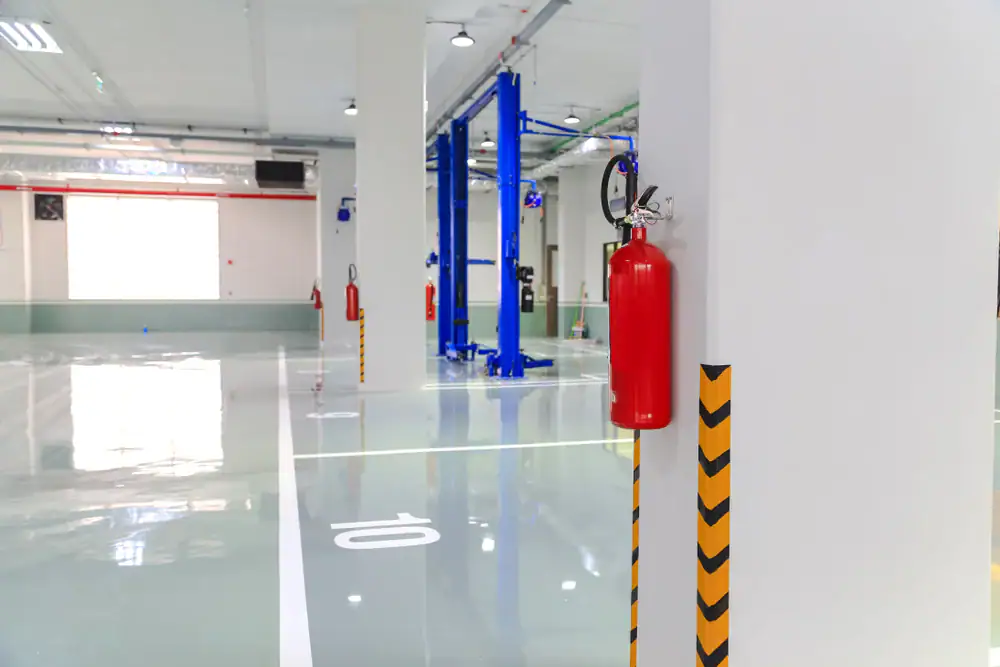
Yes, and that’s actually where epoxy performs best. Commercial spaces put more stress on floors than residential garages, which is why proper installation and commercial-grade materials matter even more.
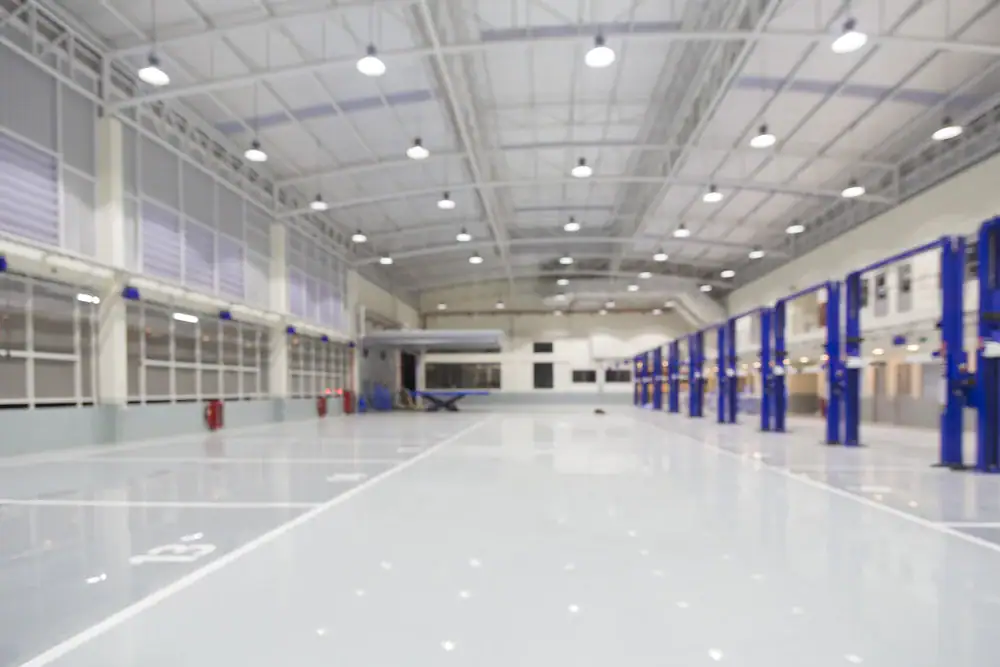
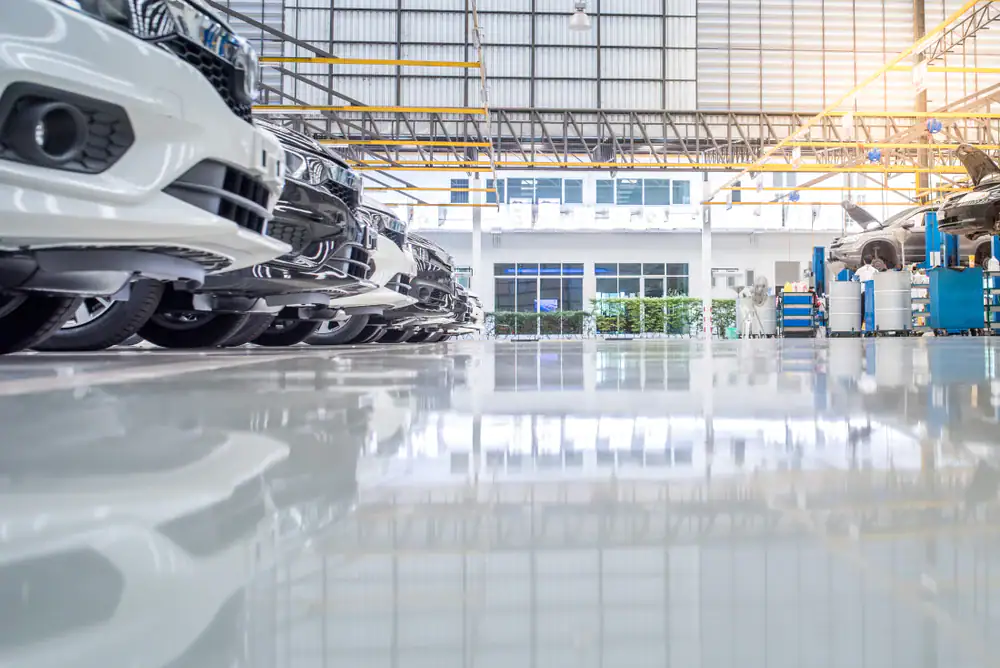
We’ve installed epoxy flooring in auto shops, warehouses, municipal facilities, and military buildings throughout South Florida. These environments see constant vehicle traffic, chemical spills, heavy equipment, and zero tolerance for downtime. The floors hold up because we use thicker coatings, add chemical-resistant topcoats, and include slip-resistant additives where needed.
For commercial projects in Lake Clarke Shores and surrounding areas, we also offer fast turnaround when necessary. Some shops can’t afford to close for days. We’ve completed kitchen flooring projects in 24 to 48 hours when timing was critical. The key is planning the work around your schedule and using systems designed for quick return to service without sacrificing durability.
What maintenance does an epoxy garage floor need?
Very little, which is one of the main reasons people choose epoxy over other garage flooring options. Regular sweeping and occasional mopping with a mild cleaner keep it looking good. That’s about it.
Spills wipe up easily because the surface is non-porous. Oil, coolant, brake fluid—none of it soaks in like it does with bare concrete. You’re not scrubbing stains or dealing with discoloration. Just wipe it up and move on.
The only real maintenance concern in Florida is keeping the floor clean of debris that could scratch the surface over time. Sand and dirt tracked in from outside can act like sandpaper under tires and foot traffic. A quick sweep or leaf blower session every week or two prevents that. Beyond that, a properly installed epoxy garage floor in Lake Clarke Shores should give you ten-plus years of use without needing recoating, resealing, or any special treatment.
Other Services we provide in Lake Clarke Shores
Leave a Reply