


Garage Epoxy Flooring in Lake Park, FL
Floors That Handle Florida Heat and Humidity
Hear from Our Customers
Professional Epoxy Floor Coating Services
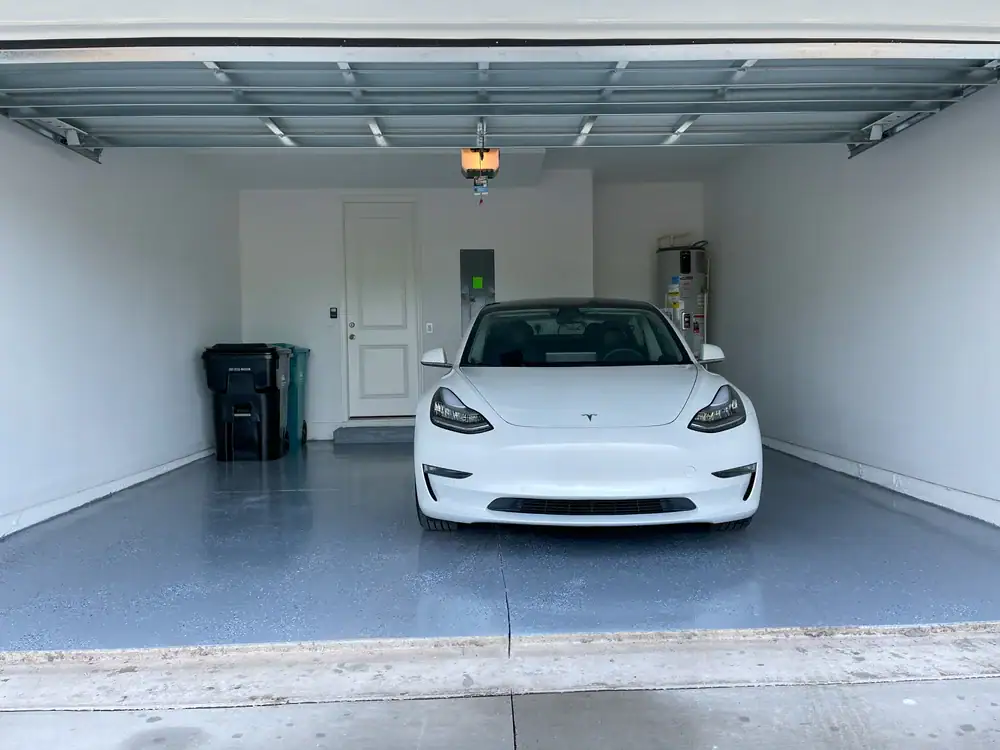
A properly installed epoxy garage floor does more than look good. It seals your concrete against Florida’s constant moisture, which means no more mold creeping up from your slab or that musty smell that never quite goes away.
You get a surface that shrugs off oil spills, tire marks, and the kind of wear that would crack and stain bare concrete. Cleaning becomes a quick sweep or mop instead of scrubbing stains that have soaked into porous concrete.
And if you’re thinking about resale, homes with finished garages in Palm Beach County consistently sell faster and command higher prices. You’re looking at recouping 70-85% of your investment when you sell, plus the daily benefit of actually enjoying your garage space instead of avoiding it.
Lake Park’s Epoxy Flooring Specialists
We handle epoxy flooring and polished concrete for residential and commercial clients across South Florida. We work directly with property owners, not through general contractors, which means you get straight answers and transparent pricing from the people actually doing the work.
Our team has installed floors for the Coast Guard, US Army facilities, and municipal projects in Doral and Sunny Isles. We bring that same attention to detail to every garage floor in Lake Park, FL. When you’re dealing with Florida’s humidity and temperature swings, experience with moisture mitigation isn’t optional.
Our Garage Floor Coating Process
First, we assess your concrete slab for moisture issues and surface damage. Florida slabs need proper moisture testing before any coating goes down, or you’ll see bubbling and peeling within months. We don’t skip this step.
Next comes surface prep. We grind down the concrete to remove any existing coatings, oils, or contaminants and create the profile needed for proper adhesion. This is where most DIY jobs and cheap contractors fail. If the prep isn’t thorough, nothing else matters.
Then we apply the epoxy system in layers, timing each coat precisely based on temperature and humidity conditions that day. We use professional-grade materials from Sherwin Williams and Fosroc, not the stuff you’d find at a big box store. The final result is a seamless, chemical-resistant surface that can handle whatever you throw at it. Most garage projects wrap up in 24-48 hours from start to finish.
Ready to get started?
Garage Floor Coatings for Lake Park
Every garage epoxy flooring job includes moisture testing, which is critical in Lake Park, FL where humidity regularly hits 80-90%. We’re checking vapor emission rates to determine if your slab needs a moisture barrier before the epoxy goes down. Skip this, and you’re gambling with your investment.
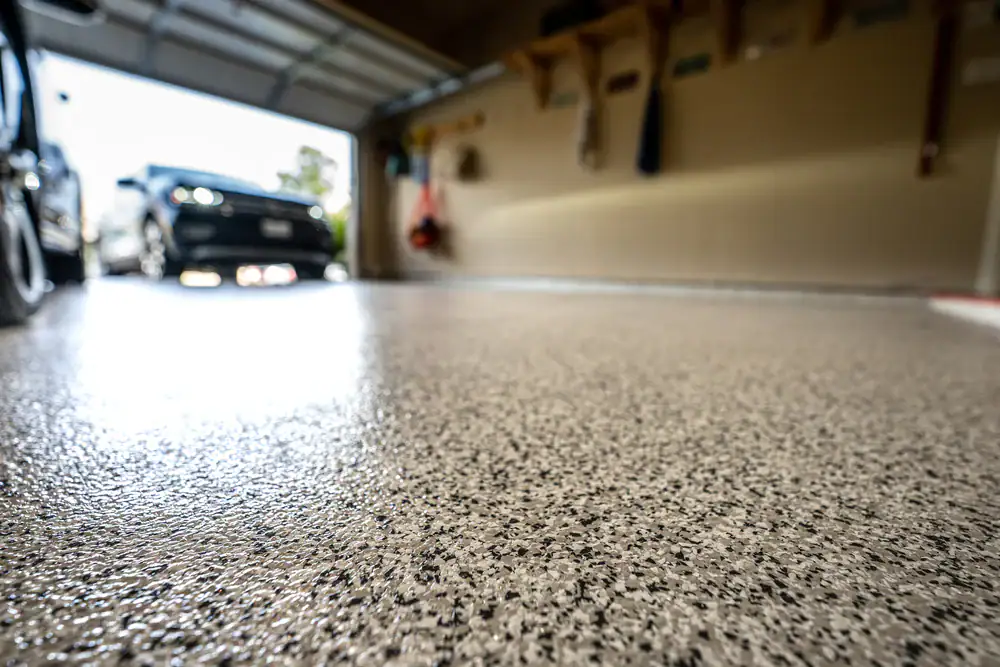
You also get a choice of finishes. Solid colors give you that clean, modern look. Decorative flake systems add texture and hide minor imperfections while giving you a granite or terrazzo appearance. Both options include a clear topcoat that provides UV stability and chemical resistance.
We include surface repairs in our prep work. Small cracks and spalling get addressed before coating, not covered up and hoped for the best. And because we’re local to South Florida, we’re using application techniques and cure times adjusted for our climate, not following some generic instruction sheet written for Arizona or Michigan. The materials and methods that work up north often fail here, and we’ve seen enough of those failures to know exactly what does work.
How long does epoxy flooring last in Florida’s humid climate?
A professionally installed epoxy garage floor will last 10-20 years in Florida if it’s done right from the start. The key is proper moisture mitigation and surface prep before any coating touches your concrete.
Florida’s humidity is brutal on epoxy systems that aren’t designed for it. Moisture vapor moves through concrete slabs constantly, and if that vapor gets trapped under your coating, it creates pressure that causes bubbling, peeling, and delamination. We test every slab for moisture levels and use vapor barriers when needed.
The other factor is UV stability. Florida sun heats up garages significantly, and cheap epoxy will yellow and chalk over time. We use UV-stable formulations that maintain their appearance and integrity even in direct sunlight coming through garage windows or open doors.
What’s the real cost of garage epoxy floor installation?
Most residential garage floors in Lake Park, FL run between $3,500-$7,000 depending on size, condition, and finish options. That includes proper prep, moisture testing, repairs, and a professional-grade epoxy system.
You’ll see cheaper quotes, but they’re usually cutting corners on prep work or using inferior materials. A $2,000 job that fails in 18 months isn’t a deal. You’ll pay to strip it, repair the damage, and reinstall, which costs more than doing it right the first time.
We give you transparent pricing during the initial consultation. We measure your space, assess the concrete condition, discuss finish options, and give you a clear number. No surprises, no upselling once we’re on site. The price we quote is what you pay.
Can epoxy flooring handle hot tires and heavy vehicles?
Yes, but only if it’s installed correctly with the right product. Cheap epoxy or poor surface prep will cause hot tires to leave marks or even pull up the coating.
The issue is called “hot tire pickup,” and it happens when tires heated from driving transfer that heat to the floor. Low-quality epoxy softens under heat, and the tire essentially sticks to it. When you move your car, it pulls the coating up. You avoid this by using high-performance epoxy formulations designed for vehicle traffic and ensuring proper cure times before the floor sees use.
We use commercial-grade materials rated for vehicle traffic and chemical exposure. Your floor needs 24-48 hours before light foot traffic and typically 5-7 days before you should park on it. Rush that timeline, and you risk damaging the coating before it’s fully cured. We’ll give you specific guidance based on temperature and humidity conditions during your install.
Why do so many DIY epoxy garage floors fail?
Over 70% of DIY epoxy installations fail within 18-36 months, and it almost always comes down to inadequate surface prep or ignoring moisture issues. The products sold at retail stores aren’t the problem, the application process is.
Concrete needs to be ground down to create a proper surface profile for epoxy to bond. A light acid etch or pressure washing doesn’t cut it, especially on smooth troweled concrete or previously sealed surfaces. Without mechanical grinding, you’re relying on hope instead of proper adhesion.
The other killer is moisture. DIY kits don’t include moisture testing, so homeowners have no idea if their slab is releasing vapor that will destroy the coating from underneath. In Florida’s climate, this is a critical step that can’t be skipped. We see failed DIY jobs regularly, and the concrete often needs extensive prep work to remove the old coating and repair damage before we can install a proper system.
How do I maintain an epoxy garage floor?
Maintenance is straightforward. Sweep or blow out debris regularly, mop with a mild cleaner when needed, and wipe up spills before they sit. That’s it.
Epoxy’s main advantage is how easy it is to keep clean compared to bare concrete. Oil, chemicals, and dirt sit on the surface instead of soaking in. A quick wipe with a rag handles most spills. For general cleaning, a dust mop or leaf blower gets rid of dirt and debris. When you need to actually wash it, any pH-neutral cleaner works fine.
Avoid harsh solvents or abrasive scrubbing pads that could dull the finish over time. And if you’re using your garage for hobbies or projects, put down mats under workbenches or areas where you’re using heavy tools. The floor can handle it, but why test it unnecessarily? Treat it reasonably, and it’ll look good for decades.
What’s the difference between epoxy and other garage floor coatings?
Epoxy is a two-part system that chemically bonds to concrete, creating a thick, durable surface. Other options like paint or single-part coatings just sit on top and wear off quickly under vehicle traffic.
Polyaspartic coatings are another professional option. They cure faster than epoxy and handle UV exposure slightly better, but they’re more expensive and require even more precise application. For most garage floors in Lake Park, FL, a quality epoxy system gives you the best balance of performance, durability, and cost.
Concrete stains and sealers are different entirely. They penetrate the concrete rather than coating it, which gives you a more natural look but doesn’t provide the same level of protection or ease of maintenance. If you want a floor that’s truly sealed against moisture, chemicals, and stains while being easy to clean, epoxy is your best option. We’ll walk you through the pros and cons of each during your consultation based on how you actually use your garage.
Other Services we provide in Lake Park
Leave a Reply