


Garage Epoxy Flooring in Miami Beach, FL
Garage Floors That Actually Last in South Florida
Hear from Our Customers
Professional Epoxy Garage Floor Installation
Your garage floor stops being a problem. No more oil stains soaking into porous concrete. No more cracks spreading every rainy season. No more wondering if your floor can handle the heat cycling between your air-conditioned garage and 95-degree afternoons.
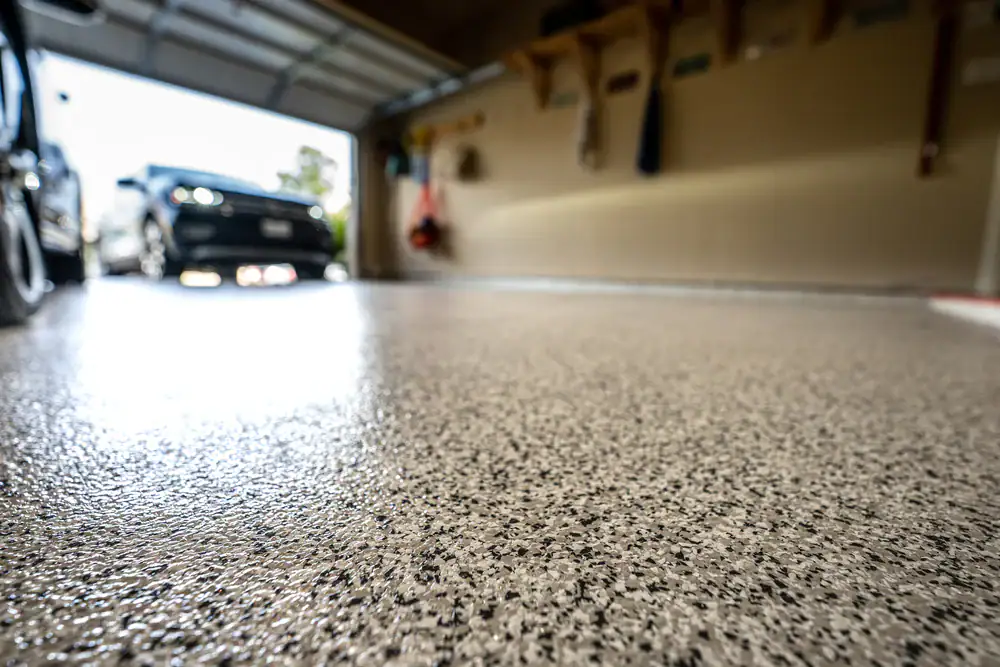
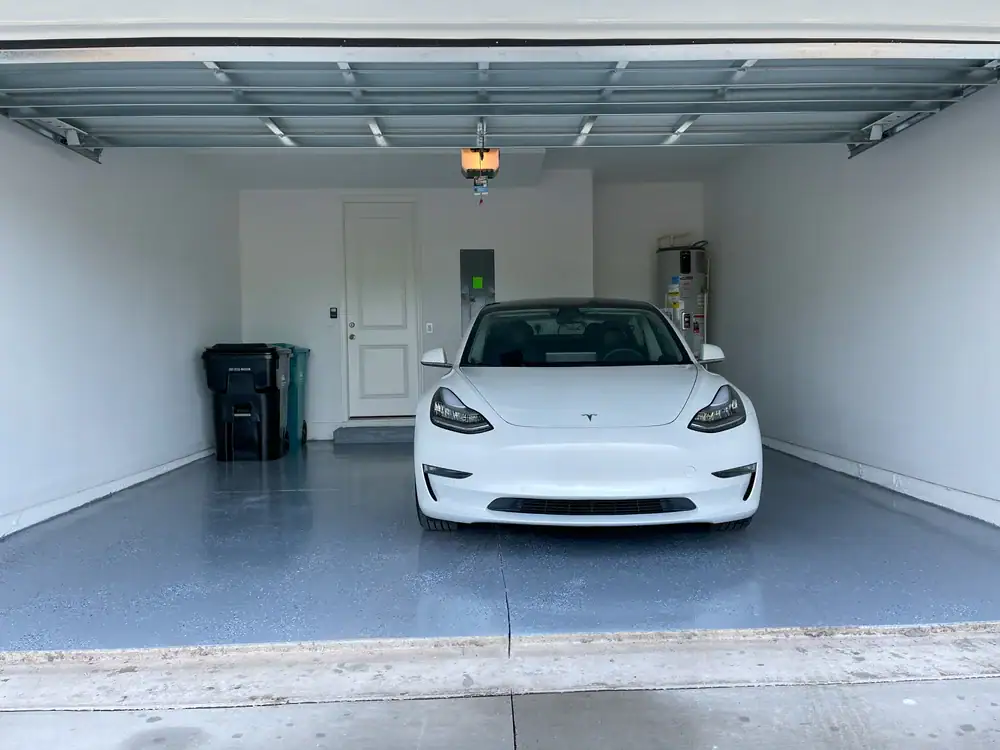
The epoxy garage floor we install creates a sealed, chemical-resistant surface that shrugs off spills, resists impacts, and keeps looking clean with a quick sweep or hose-down. You get a showroom-quality finish that actually holds up to daily use, not just for the first six months.
If you’re parking luxury vehicles, running a detail shop, or just tired of concrete dust tracking into your house, this is what changes. A floor that works as hard as you need it to, without constant maintenance or worry about the next failure point. Most of our installations in Miami Beach last 15-20 years when maintained properly, because we account for humidity levels during installation and use UV-resistant formulas designed for coastal environments.
Trusted Garage Floor Coating Contractors
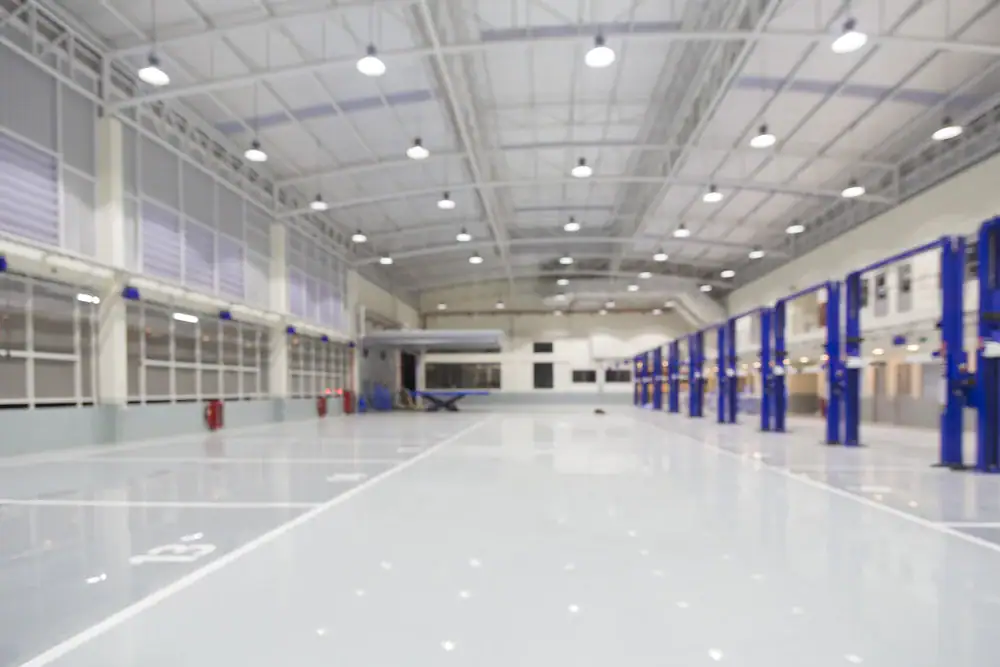
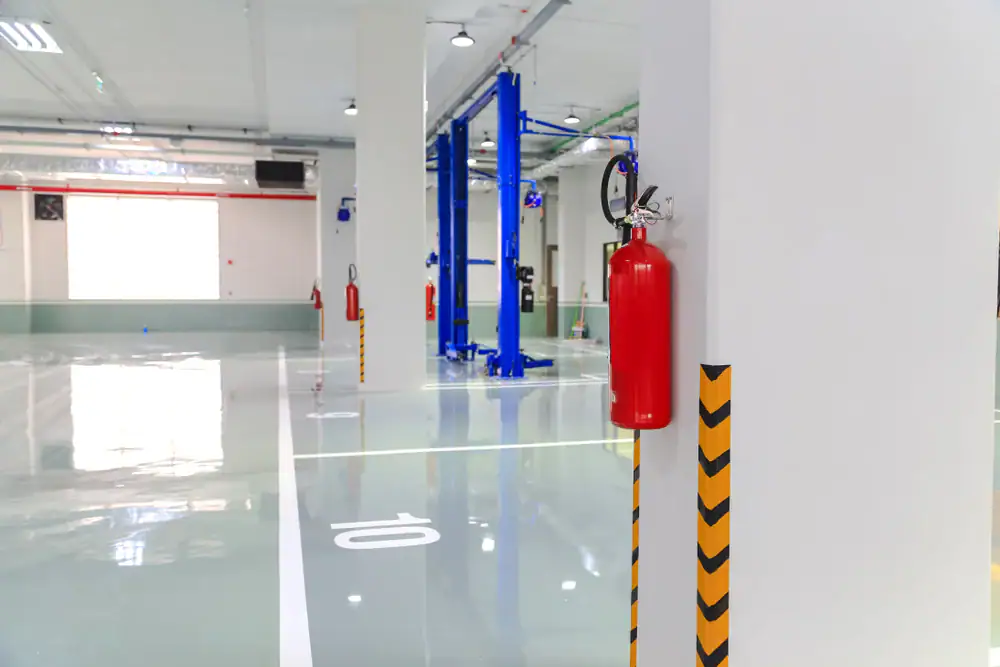
SPF Industrial handles epoxy flooring for Coast Guard facilities, Army bases, and municipal buildings across South Florida. We’re not new to this. When government contracts require floors that can’t fail, they call us.
That same level of preparation and product quality goes into every residential garage floor we install in Miami Beach. You’re not getting a different crew or cheaper materials because your project is smaller. You’re getting the same surface prep, the same Sherwin Williams and Fosroc products, and the same installation standards we use on commercial jobs.
We’ve worked in Miami Beach long enough to know that humidity isn’t just high here, it’s constant. Your garage floor coating needs to be installed when conditions are right, with moisture testing and proper cure times, or it’ll fail within two years. We don’t rush jobs to fit more in the schedule. We do them right the first time.
Our Garage Epoxy Flooring Process
We start with a consultation at your property. You show us the space, we assess the concrete condition, check for moisture issues, and give you upfront pricing. No surprises later.
Once scheduled, we grind the concrete to expose fresh material and create the profile epoxy needs to bond properly. This isn’t optional. We also run ASTM-approved moisture tests because South Florida concrete holds water, and trapped moisture is the number one reason epoxy floors fail here. If levels are too high, we’ll tell you and explain what needs to happen before we can proceed.
After surface prep, we apply the epoxy system in layers. Depending on what you need, that might include a base coat, color flakes for texture and slip resistance, and a clear topcoat with UV inhibitors. Most garage floor coating jobs are done in one to two days. You can walk on it after 24 hours. You can park on it after 48-72 hours, depending on the product and conditions.
We follow up after the job to make sure everything cured properly and you’re happy with the results. If something doesn’t look right, we want to know immediately, not six months later.

Ready to get started?
What’s Included in Garage Floor Painting
Every garage epoxy flooring installation includes full surface grinding, crack repair if needed, and moisture testing. We don’t skip prep work to save time. The concrete has to be clean, dry, and profiled correctly, or the coating won’t last.
You also get a multi-layer epoxy system designed for Miami Beach conditions. That means products formulated to resist yellowing from UV exposure, formulas adjusted for humidity during application, and topcoats that can handle thermal shock when your garage goes from 70 degrees to 95 and back again. We’re using the same Sherwin Williams and Fosroc products specified for industrial and military projects because they outperform cheaper alternatives in coastal climates.
If you want decorative color flakes, we broadcast them into the wet base coat and seal them in. This isn’t just aesthetic. The flakes add texture, which reduces slip hazards when the floor gets wet. And in Miami Beach, your garage floor will get wet.
Typical costs run between $5 and $15 per square foot depending on the system you choose and the condition of your existing concrete. We’ll walk you through options during the consultation so you understand what you’re paying for and why. Most residential garages in Miami Beach are completed in one to two days, and we clean up completely before we leave.
How long does garage epoxy flooring last in Miami Beach’s climate?
A properly installed epoxy garage floor in Miami Beach should last 15 to 20 years with basic maintenance. The key phrase there is “properly installed.” Most failures happen because moisture wasn’t tested before application, or because the installer used products not rated for high humidity and UV exposure.
We see DIY epoxy kits and budget installations start peeling within two years here. That’s not because epoxy doesn’t work in Florida. It’s because the concrete wasn’t prepped correctly, moisture levels weren’t checked, or the product wasn’t designed for this environment. When we install garage floor coatings, we’re adjusting resin ratios based on real-time humidity readings and using UV-resistant topcoats specifically formulated for coastal climates.
Your floor will need occasional cleaning and possibly a topcoat refresh every 10 years depending on use, but the base system should remain intact for decades if installed correctly from the start.
What’s the cost of epoxy flooring for a typical Miami Beach garage?
Most residential garages in Miami Beach run between $1,500 and $4,500 for a complete epoxy floor coating system, depending on square footage and the level of finish you want. A basic two-car garage is usually 400-600 square feet, which puts you in the $2,000 to $6,000 range for a professional installation with proper prep and quality products.
That price includes surface grinding, crack repair, moisture testing, a multi-layer epoxy system, and UV-resistant topcoat. If you want decorative flakes, metallic finishes, or custom colors, that adds to the cost but not dramatically. We give you exact pricing during the consultation after we’ve seen your space and know what we’re working with.
Cheaper quotes usually mean shortcuts on prep work or lower-grade products. You’ll pay for that later in repairs or full replacement. The installations we do typically increase property value by $2,000 to $8,000 for Miami Beach homes, so you’re not just spending money, you’re investing in your property.
Can you install epoxy garage floors during Miami’s rainy season?
We can, but only if conditions are right. Epoxy needs specific temperature and humidity ranges to cure properly, and it absolutely cannot be applied to damp concrete. During rainy season, we’re checking weather forecasts closely and running moisture tests before we start any garage floor coating job.
If your concrete is holding too much moisture, we’ll tell you we need to wait or use a moisture mitigation system first. Trying to install epoxy over damp concrete is how you end up with bubbling and delamination within months. We’ve seen it too many times from other contractors who pushed jobs through to meet deadlines.
The good news is Miami Beach has plenty of dry windows even during summer. We schedule installations when we can guarantee proper cure conditions, and most jobs are done in one to two days, so we don’t need a week of perfect weather. We just need 48-72 hours of controlled conditions, which we can usually find with proper planning.
Will epoxy flooring hold up to hot tires and heavy vehicles?
Yes, if it’s installed correctly with the right products. The epoxy systems we use for garage floors are designed for vehicle traffic, including hot tires coming off the road in summer. We’re using the same commercial-grade Sherwin Williams and Fosroc products specified for parking garages and industrial facilities.
Hot tire pickup, where tires peel up a coating when they’re hot, happens with cheap epoxy or when the floor wasn’t given enough cure time before vehicles were parked on it. We tell you exactly when you can start parking on your new garage floor coating, usually 48-72 hours after application, and that timeline accounts for Miami Beach temperatures and humidity.
The floors we install regularly handle lifted trucks, sports cars, motorcycles, and daily driver vehicles without issues. If you’re parking something unusually heavy or running a commercial operation out of your garage, mention that during the consultation so we can spec the right system thickness and topcoat for your specific use case.
How do I maintain an epoxy garage floor after installation?
Maintenance is simple. Sweep or blow out debris regularly so dirt and sand don’t act like sandpaper under your tires. Hose down the floor or mop it with mild soap and water when it gets dirty. That’s it for routine care.
If you spill oil, brake fluid, or other chemicals, wipe them up when you notice them. Epoxy flooring is chemical-resistant, but leaving harsh chemicals sitting on any floor for weeks isn’t great practice. The good news is spills don’t soak in like they do with bare concrete, so cleanup takes seconds instead of requiring degreasers and scrubbing.
Every few years, depending on traffic, you might notice the topcoat losing some gloss in high-wear areas. That’s normal. We can come back and apply a new topcoat layer to refresh the finish without redoing the entire floor. Most Miami Beach garage floors don’t need this for 10-15 years, but it’s an option if you want to keep that showroom look. Avoid using acidic cleaners or abrasive scrubbing pads, and your epoxy garage floor will keep performing for decades.
Why does garage epoxy flooring fail in Florida, and how do you prevent it?
Epoxy fails in Florida for three main reasons: moisture, UV exposure, and poor surface prep. Miami Beach concrete absorbs humidity from the air and ground. If that moisture is trapped under the epoxy during installation, it creates vapor pressure that eventually bubbles and delaminates the coating. We prevent this by running ASTM moisture tests before we start and using moisture mitigation primers when needed.
UV exposure is the second killer. Standard epoxy yellows and breaks down under constant Florida sun if your garage door is open frequently or you have windows. We use UV-resistant topcoats specifically formulated for coastal environments, which is why our installations don’t turn amber after two years like cheaper products do.
Surface prep is where most contractors cut corners. If the concrete isn’t ground to the right profile, the epoxy has nothing to grip. We use professional grinding equipment to expose fresh concrete and create the mechanical bond epoxy needs. We also repair cracks and address any structural issues before we coat anything. Covering up problems with a pretty floor doesn’t fix them, it just hides them until the coating fails. We’d rather tell you what needs to be addressed upfront than have you call us in a year with a failed floor.
Other Services we provide in Miami Beach
Leave a Reply