


Garage Epoxy Flooring in Opa-Locka, FL
A Garage Floor That Actually Survives Florida
Hear from Our Customers
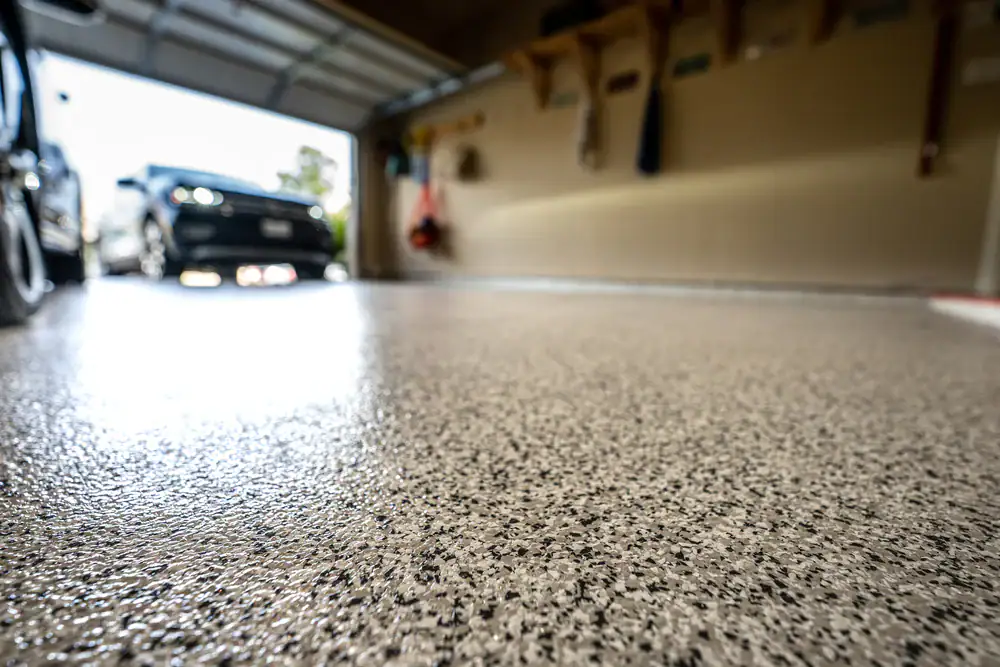
Epoxy Garage Floor Coating Opa-Locka
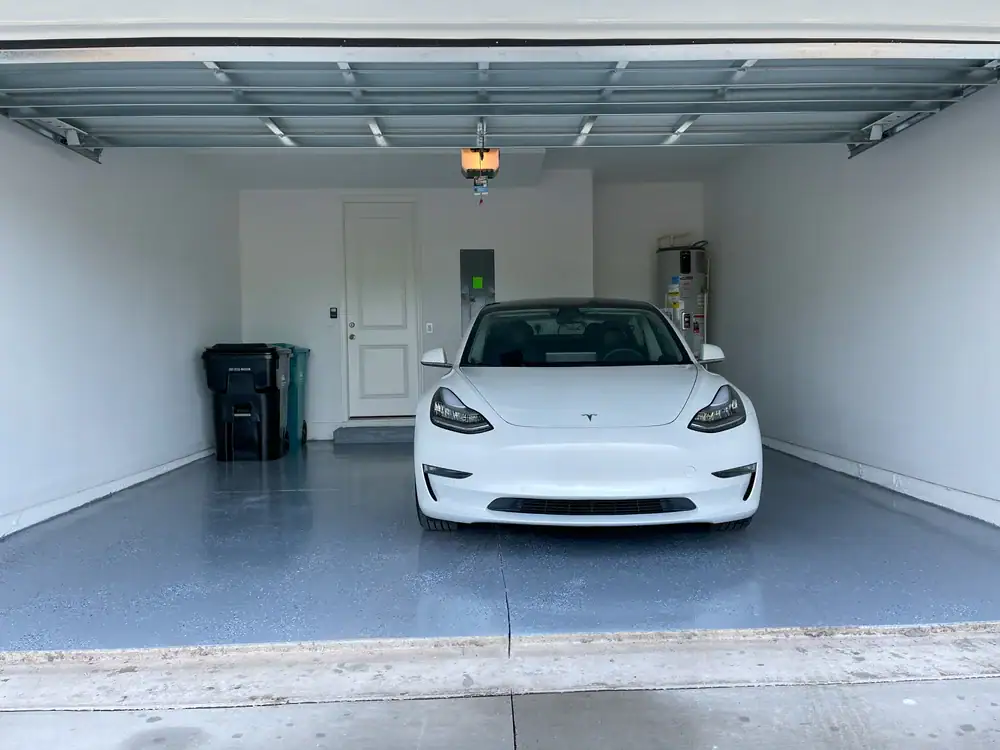
Your garage stops being a maintenance problem. No more oil stains that won’t come out, no more cracks spreading across the slab, no more dust tracked into the house every time you walk through.
You get a floor that cleans with a garden hose. One that doesn’t peel when the humidity spikes in August. One that looks sharp enough that you might actually want to show it off.
And if you’re thinking about selling? Real estate agents consistently rank epoxy-coated garages as one of the top improvements buyers notice. It’s not just cosmetic—it signals that the home has been maintained. That matters when comparable homes are sitting on the market and yours isn’t.
Most installations wrap in a day. You’re not waiting weeks or dealing with crews dragging out the timeline. The floor cures fast, handles heavy use, and doesn’t require you to tiptoe around it like some fragile DIY experiment that’s already starting to bubble.
Epoxy Flooring Contractor Opa-Locka, FL
We’ve been installing epoxy and polished concrete systems in South Florida since 2020. We’ve worked with the U.S. Coast Guard, the U.S. Army, the City of Doral, and Sunny Isles Beach—projects where the floor actually has to perform under serious conditions.
We’re veteran-owned, and we don’t subcontract the work. When you call, you’re talking to the people who will be on-site. When we give you a price, it’s transparent. No surprises, no upsells halfway through the job.
Opa-Locka’s climate is brutal on concrete. The moisture in the air here is 20% higher than most of the country, and that’s before you factor in the heat. We’ve seen what happens when epoxy gets installed wrong in this environment—it fails fast. That’s why surface prep and product selection matter more here than almost anywhere else. We’ve dialed in both.
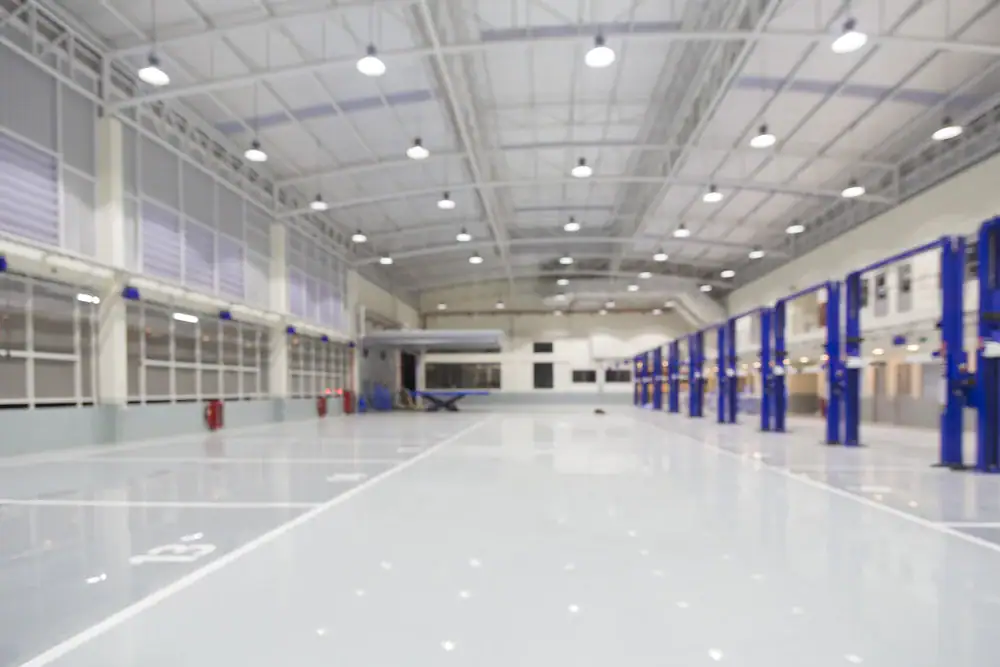
Garage Floor Coating Installation Process
First, we assess the slab. Not every concrete floor is ready for epoxy, and trying to coat over moisture issues or structural problems is a waste of your money. If there’s a problem, we’ll tell you before we start.
Next comes surface prep. This is where most DIY jobs and cheap contractors fail. We grind the concrete to open the pores, remove any existing coatings or contaminants, and create a profile that the epoxy can actually bond to. Skipping or rushing this step is why you see peeling floors six months later.
Then we apply the epoxy system—base coat, optional color flakes or quartz for texture and slip resistance, and a clear topcoat that handles UV exposure and chemical spills. We use commercial-grade materials from Sherwin-Williams and Fosroc, not the stuff you find in a big-box store that’s designed for light use.
The floor is usually ready for light foot traffic within 24 hours. Full cure takes a few days, but you’re not locked out of your garage for a week. We clean up completely, and we follow up after the job to make sure everything is holding up the way it should.
Ready to get started?
Garage Floor Painting and Resurfacing Opa-Locka
You’re getting a full-system installation, not a single-coat paint job. That means proper grinding and prep, a bonding primer if the slab needs it, a high-build epoxy base, and a UV-stable topcoat that won’t yellow or chalk in the Florida sun.
We also offer decorative options—color flakes in different blends, metallic finishes, or a clean solid color if that’s more your style. If you want slip resistance (smart if the floor might get wet), we can add texture to the topcoat.
In Opa-Locka, moisture mitigation is often necessary. The water table is high, and concrete slabs here can wick moisture even if they look dry on the surface. We test for it, and if needed, we use a moisture-blocking primer before the epoxy goes down. Skipping that step is why some floors fail in under two years.
We also handle repairs and resurfacing if your existing concrete is cracked or spalling. Epoxy won’t fix structural issues, but we can resurface and level the slab first, then coat it. That gives you a floor that looks new and performs like it should—even if the original concrete has seen better days.
How much does epoxy garage flooring cost in Opa-Locka?
For a standard two-car garage (around 400 to 450 square feet), you’re typically looking at $1,600 to $3,500 depending on the system and any prep work the slab needs. That’s for a professional installation with proper surface prep, not a DIY kit.
The price varies based on the condition of your concrete, the type of epoxy system you choose, and whether you want decorative flakes or a solid color. If the slab has cracks or needs resurfacing first, that adds to the cost—but it also means the floor will actually last.
Cheaper quotes usually mean corners are being cut. Either the prep work is minimal, the materials are lower-grade, or the installer isn’t accounting for Florida’s moisture issues. You’ll save money upfront and pay for it later when the coating fails. We price transparently, and we’ll walk you through exactly what you’re paying for before we start.
How long does an epoxy garage floor last in Florida?
A professionally installed epoxy floor in South Florida typically lasts 10 to 15 years, sometimes longer if it’s maintained well. That’s with proper surface prep, the right materials, and a topcoat that can handle UV exposure and humidity.
DIY kits and low-quality installations often fail within 18 to 36 months here. Florida’s climate is hard on coatings—the heat, the moisture, the salt air if you’re near the coast. If the installer doesn’t account for that, the epoxy will peel, bubble, or yellow.
We’ve installed floors in Opa-Locka warehouses and garages that still look solid after a decade of heavy use. The key is using commercial-grade products and not rushing the prep. If someone tells you their epoxy will last 20+ years in Florida with zero maintenance, they’re overselling. But 10 to 15 years of real performance? That’s the standard when it’s done right.
Can you install epoxy over my existing garage floor coating?
Sometimes, but usually it’s better to remove the old coating first. Epoxy needs to bond directly to the concrete, and if there’s already a layer of paint or sealer on the slab, the new epoxy is only as strong as that old layer—which is often already failing.
We’ll test the existing coating to see if it’s bonded well enough to build on top of. If it’s peeling, flaking, or soft in spots, it has to come off. Grinding it down to bare concrete gives you a clean surface and ensures the new epoxy actually sticks.
If the old coating is in good shape and compatible with what we’re installing, we can sometimes prep and coat over it. But that’s the exception, not the rule. Most of the floors we’re called to fix are ones where someone tried to coat over a failing surface and it didn’t hold. We’d rather do it right the first time than have you call us back in a year to redo it.
What’s the difference between epoxy and garage floor paint?
Epoxy is a two-part chemical system that bonds to the concrete and cures into a hard, durable surface. Garage floor paint is a single-part coating that sits on top of the concrete and wears off over time—usually fast.
Paint might last a year or two with light use, but it scratches easily, doesn’t handle chemicals well, and peels when moisture gets underneath it. In Florida, moisture gets underneath everything. That’s why painted garage floors here look rough within months.
Epoxy is thicker, harder, and chemically resistant. It handles hot tires, oil spills, and the kind of abuse a garage floor actually takes. The upfront cost is higher, but you’re not repainting every couple of years. You’re also getting a floor that’s easier to clean and looks significantly better. If you’re going to invest in your garage floor, epoxy is the move. Paint is a temporary fix that ends up costing more in the long run.
How do I maintain an epoxy garage floor?
Maintenance is simple. Sweep or blow off dirt and debris regularly so it doesn’t get ground into the surface. For deeper cleaning, use a mop or hose with mild soap and water. That’s it.
Epoxy is resistant to most chemicals, but if you spill something harsh (battery acid, certain solvents), wipe it up relatively quickly. It won’t eat through the coating immediately, but leaving it sitting there for days isn’t great for any floor.
Avoid dragging heavy metal objects across the surface if you can help it—epoxy is tough, but it’s not indestructible. If you’re moving a toolbox or equipment, use furniture sliders or lift instead of dragging. Over time, the topcoat can wear in high-traffic areas, but that’s normal and usually takes years. If it ever needs a refresh, we can recoat the top layer without redoing the entire floor. Most clients don’t need that for at least a decade.
Why do some epoxy floors fail in Florida?
Most failures come down to three things: bad surface prep, wrong materials, or moisture issues that weren’t addressed. Florida’s humidity is relentless, and if the concrete isn’t prepped correctly or if moisture is wicking up through the slab, the epoxy won’t bond. It’ll peel or bubble within months.
DIY kits are a common culprit. They’re designed for moderate climates and light use, not South Florida garages. The resin is thinner, the instructions assume ideal conditions, and there’s no margin for error. Over 70% of DIY epoxy jobs here fail within three years.
Cheap professional installs fail for similar reasons—they skip the grinding, use low-grade materials, or don’t test for moisture. You’ll see this with contractors who quote way below market rate. They’re cutting corners somewhere, and it shows up fast. We’ve repaired dozens of floors where the previous installer didn’t do the prep work or used a product that wasn’t rated for Florida’s climate. When we install a floor, we account for the heat, the moisture, and the fact that your garage isn’t a showroom. It’s a working space, and the floor needs to perform like one.
Other Services we provide in Opa-Locka
Leave a Reply