


Garage Epoxy Flooring in Southwest Ranches, FL
Garage Floors Built for Florida’s Toughest Conditions
Hear from Our Customers
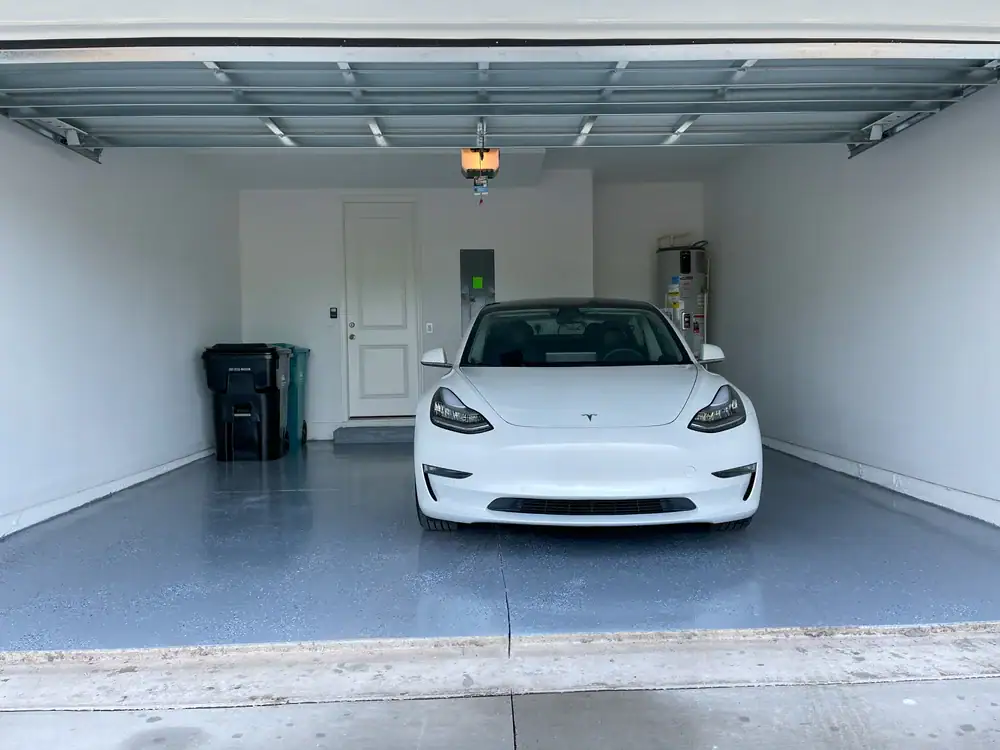
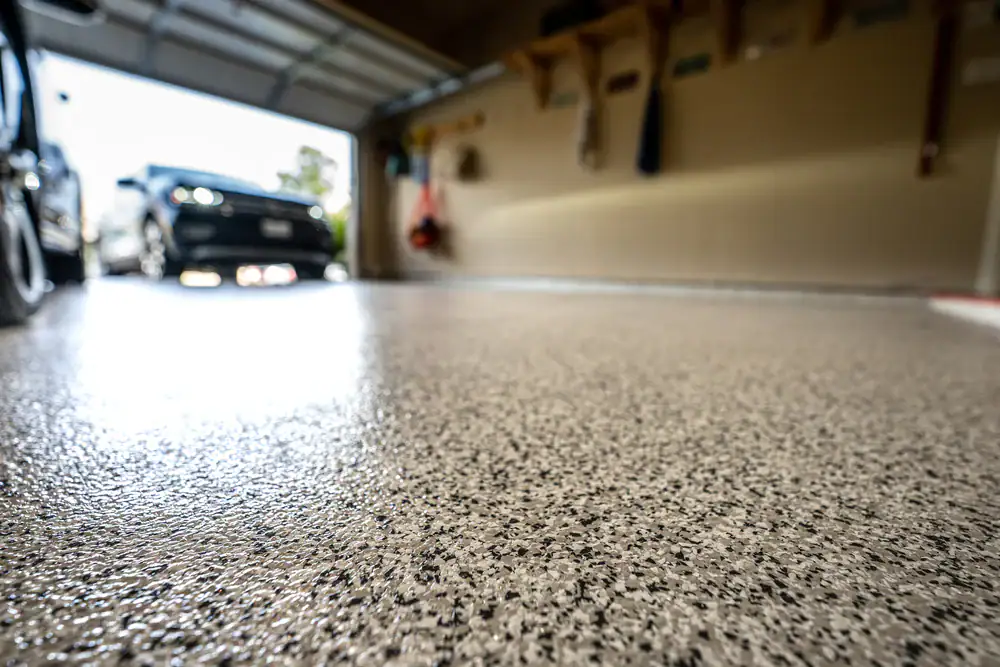
Epoxy Garage Floor Coating Southwest Ranches
Your garage floor stops being a liability. No more oil stains that won’t come out, no more concrete dust tracking into the house, and no more wondering if your floor can handle the weight of three cars plus your tools and equipment.
A professionally installed epoxy garage floor in Southwest Ranches means you’re working with someone who understands what Florida’s climate does to standard coatings. The humidity here isn’t just uncomfortable—it actively works against improper installations, causing blistering, peeling, and early failure.
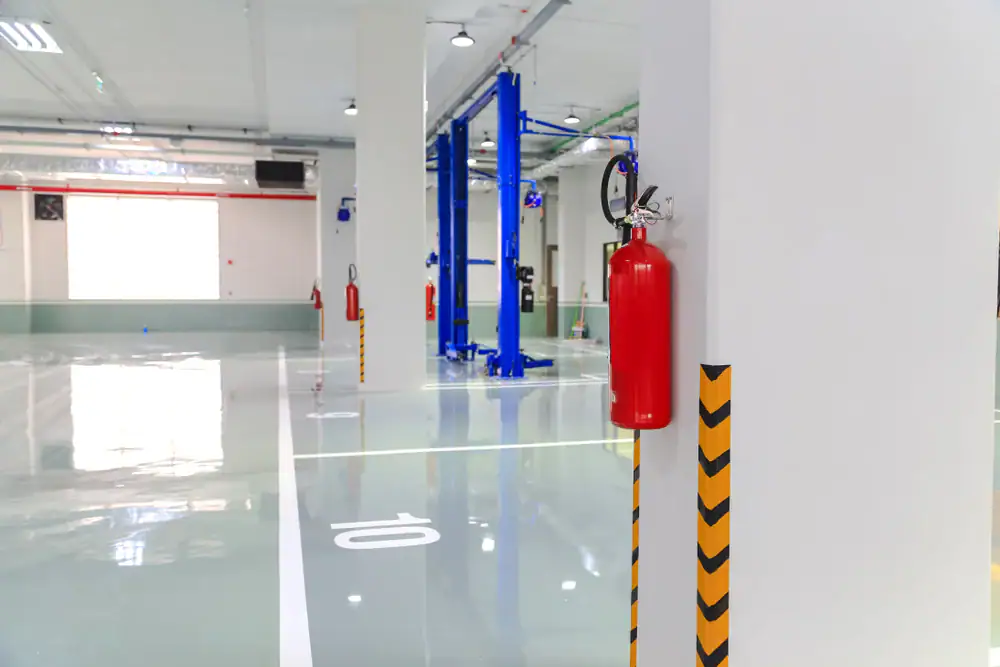
You get a surface that cleans with a quick hose-down or mop. Spills wipe up instead of soaking in. The floor reflects light, making your space brighter without adding fixtures. And when you’re ready to sell, buyers notice the difference between a concrete slab and a finished, protected surface that looks like you invested in the property.
This isn’t about making your garage pretty. It’s about creating a functional space that doesn’t require constant attention and actually protects the concrete underneath from Florida’s salt air, sudden downpours, and thermal stress.
Southwest Ranches Epoxy Flooring Contractor
We’ve been installing epoxy flooring systems since 2020, working with clients who can’t afford failures—US Military facilities, Coast Guard stations, and municipal buildings across South Florida including the City of Doral and City of Sunny Isles.
We’re a veteran-owned company that works directly with property owners in Southwest Ranches, not through general contractors who add layers between you and the crew doing the work. You get transparent pricing, straight answers about what your floor needs, and installation crews who’ve handled everything from residential three-car garages to commercial facilities that see heavy daily traffic.
Southwest Ranches properties sit on larger lots with multi-car garages, often housing vehicles, equipment, and workshop areas. We’ve worked in enough of these spaces to know what holds up and what fails within two years. The difference comes down to proper surface prep, climate-appropriate materials, and installation techniques that account for Florida’s moisture levels.
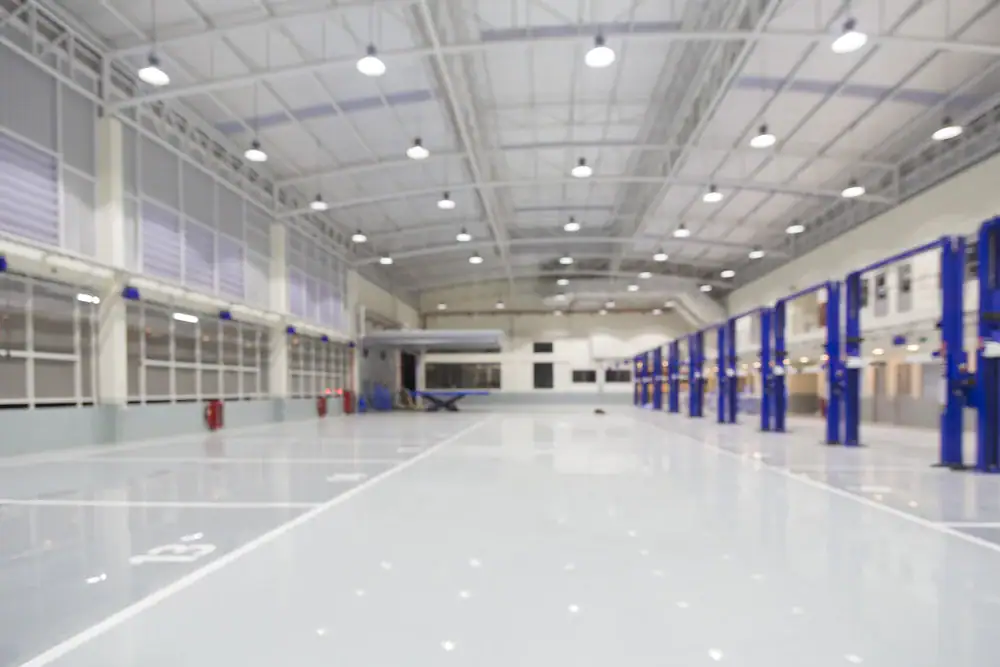
Garage Floor Coating Installation Process
First, we assess your concrete. Not every slab is ready for coating, and trying to install epoxy over compromised concrete is how most DIY projects fail. We check for moisture issues, existing damage, and whether your surface needs repair before we move forward.
Surface preparation takes up most of the timeline. We grind or shot-blast the concrete to open the pores, remove any existing coatings or sealers, and create the profile the epoxy needs to bond properly. Skipping or rushing this step is why over 70% of DIY epoxy installations fail within three years—the coating never actually bonds to the concrete.
Once the surface is prepped and cleaned, we apply the epoxy system. We’re using professional-grade materials from Sherwin Williams and Fosroc, not the consumer kits sold at hardware stores. These formulations are designed for Florida’s humidity levels and have higher moisture vapor resistance than standard products.
The coating cures over 24-48 hours depending on conditions. We monitor temperature and humidity during installation because both affect cure times and final performance. You’ll know exactly when you can walk on it and when it’s ready for vehicle traffic.
After curing, you have a finished floor that’s ready to handle whatever you put on it—vehicles, equipment, foot traffic, spills. No special maintenance requirements, no recoating every year, just a durable surface that does its job.
Ready to get started?
Professional Epoxy Flooring Southwest Ranches FL
You’re getting a complete system, not just a coating slapped over concrete. That includes full surface preparation—grinding or shot-blasting to create proper profile, crack repair if needed, and thorough cleaning to remove contaminants that would prevent bonding.
The epoxy system itself is formulated specifically for South Florida conditions. We adjust resin ratios based on real-time humidity readings because what works in Arizona doesn’t work here. You’re getting materials with no VOCs, no fillers or cutting agents, and moisture vapor resistance that exceeds standard epoxy products.
Southwest Ranches homes average three vehicles per household, often with larger garages that double as workshop or storage space. Your floor coating needs to handle that load without chipping, cracking, or showing wear patterns within a few years. We’re installing systems that hold up in commercial environments—sports stadiums, food processing plants, municipal facilities—so residential applications are well within performance range.
You also get options for slip resistance, especially important in areas that might see water from rain, washing vehicles, or Florida’s afternoon storms. Custom color and flake options let you match the aesthetic you want, from clean solid colors to decorative metallic blends.
The installation timeline is straightforward. Most residential garages are completed within a few days from start to finish, with minimal disruption to your daily routine. You’re not waiting weeks for a finished floor.
Why does professional epoxy cost more than DIY kits?
DIY epoxy kits run $200-$500 while professional installation costs around $2,500 for an average garage. That price difference reflects materials, equipment, and expertise that determine whether your floor lasts two years or twenty.
Consumer-grade kits use thinner formulations with lower solids content. They’re designed for easy application by homeowners, which means they sacrifice performance for convenience. Professional systems use industrial-grade epoxy with higher build thickness and better chemical resistance.
The bigger issue is surface preparation. You can’t properly prep concrete with a rental grinder from the hardware store. Professional equipment removes existing sealers, opens the concrete pores, and creates the profile needed for proper bonding. Without that prep, even the best epoxy won’t bond correctly.
Florida’s humidity complicates everything. Over 70% of DIY installations fail within 18-36 months here because homeowners don’t account for moisture vapor transmission, don’t monitor conditions during application, and don’t use climate-appropriate formulations. We adjust techniques and materials based on real-time readings and local conditions. You’re paying for a floor that actually lasts, not one that looks good for six months before it starts peeling.
How does Florida’s climate affect garage floor coatings?
Florida’s high humidity slows epoxy curing and causes moisture-related failures that don’t happen in drier climates. Concrete slabs here often retain moisture, and if you install coating over a damp surface, you’ll see blistering and delamination within months.
We account for this during installation. We test moisture levels before starting, use formulations with higher moisture vapor tolerance, and monitor conditions throughout the process. Standard epoxy products aren’t designed for 80%+ humidity levels, so we work with systems specifically formulated for South Florida.
Temperature swings also matter. Your garage might hit 95°F in the afternoon and drop to 70°F overnight. That thermal cycling creates stress on the coating. Lower-quality products become brittle or lose adhesion over time. Professional-grade systems maintain flexibility and bond strength through those temperature changes.
Salt air from the coast accelerates concrete degradation if the surface isn’t properly sealed. Southwest Ranches is inland but still gets enough salt-laden air to affect unprotected concrete over time. A proper epoxy system creates a moisture barrier that protects the concrete underneath, not just the surface appearance. You’re preventing long-term structural issues, not just making the floor look better.
Can epoxy flooring handle multiple vehicles and heavy equipment?
Professional epoxy systems are installed in commercial facilities that see forklift traffic, heavy machinery, and constant vehicle movement. Your three-car garage with occasional equipment storage is well within performance range.
The key is proper installation thickness and surface prep. We’re not talking about thin paint-like coatings. Professional epoxy builds up in layers to create a surface that’s 3-5 times stronger than concrete sealants. That thickness distributes weight and resists impact damage from dropped tools or equipment.
Southwest Ranches properties often have larger garages housing multiple vehicles, motorcycles, ATVs, or workshop equipment. The floor needs to handle point loads from jack stands, rolling toolboxes, and vehicle lifts without cracking or showing wear patterns. Industrial-grade epoxy does that because it’s designed for environments much more demanding than residential use.
Hot tires won’t damage properly installed epoxy. Some cheap coatings soften under heat, but professional systems maintain hardness and chemical resistance even when your vehicle has been sitting in summer traffic. The same goes for automotive fluids—oil, brake fluid, coolant—they wipe up without staining or etching the surface. You’re getting a floor that functions like a commercial facility floor, just in your home garage.
How long does garage epoxy flooring actually last?
Professionally installed epoxy flooring in residential garages typically lasts 15-20 years with normal use. Commercial installations in high-traffic environments often exceed 10 years before needing resurfacing. Your actual lifespan depends on installation quality, materials used, and how the space is used.
DIY installations fail much faster—18-36 months is common in Florida because surface prep gets skipped or done incorrectly. The coating never bonds properly, so it starts peeling at the edges or blistering in spots where moisture gets trapped underneath.
Professional installations using climate-appropriate materials and proper surface preparation create a bond that’s stronger than the concrete itself. When these floors eventually need replacement, it’s usually because the property owner wants to update the appearance, not because the coating failed.
Maintenance affects longevity but not as much as you’d think. Epoxy floors don’t require special care—regular sweeping and occasional mopping is enough. Avoid using harsh acidic cleaners that can dull the finish over time, but normal cleaning products are fine. The floor won’t need recoating, resealing, or special treatments. It either works or it doesn’t, and with proper installation, it works for decades. That’s why the upfront cost makes sense—you’re not paying for this service again in five years.
What happens if the epoxy coating fails or needs repair?
Properly installed epoxy rarely fails, but when it does, the cause is usually moisture-related or surface prep issues that weren’t caught during installation. If you see peeling, blistering, or delamination within the first few years, something went wrong during installation—either moisture testing was skipped or surface prep was inadequate.
We stand behind our work. We’re not disappearing after installation. If there’s a legitimate installation failure, we address it. That’s different from damage caused by extreme chemical exposure or physical impact, which isn’t a coating failure—it’s damage that would affect any floor surface.
Repairing epoxy is possible but not always straightforward. Small damaged areas can sometimes be patched, but color matching and blending repairs into existing coating takes skill. Larger failures usually require removing the old coating and starting over, which is why proper installation matters so much upfront.
The bigger issue is that once epoxy is installed incorrectly, removal is difficult and expensive. You can’t just paint over failed epoxy. The surface needs to be ground down to bare concrete again, which means you’re paying for removal plus reinstallation. This is why choosing an experienced installer who understands Florida’s specific challenges saves money long-term. You’re avoiding the scenario where you pay twice—once for the failed installation and again to fix it properly.
Is epoxy flooring slippery when wet?
Standard epoxy creates a smooth, glossy surface that can be slippery when wet—similar to polished concrete or tile. That’s a legitimate concern for garages in Florida where afternoon storms, car washing, or tracked-in rain create wet conditions.
We address this with slip-resistant additives or textured finishes during installation. We can broadcast aggregate into the topcoat, add slip-resistant particles to the clear coat, or use textured rollers during application. These options maintain the durability and appearance of epoxy while providing traction when the surface is wet.
The level of slip resistance you need depends on how you use the space. If you’re parking vehicles and occasionally walking through, standard epoxy with decorative flakes provides reasonable traction. If you’re washing vehicles in the garage, working with water regularly, or concerned about elderly family members, we’d recommend a more aggressive slip-resistant finish.
There’s a tradeoff—higher slip resistance means slightly more texture, which can make the floor marginally harder to clean. It’s not a major difference, but smooth surfaces do wipe cleaner than textured ones. Most Southwest Ranches homeowners opt for moderate slip resistance that balances safety with easy maintenance. You’re not creating a commercial kitchen floor that needs maximum traction, just adding enough texture to prevent slips during normal wet conditions. We walk through options during consultation based on how you actually use your garage.
Other Services we provide in Southwest Ranches
Leave a Reply