


Garage Epoxy Flooring in Wellington, FL
Garage Floors That Handle Florida’s Worst
Hear from Our Customers
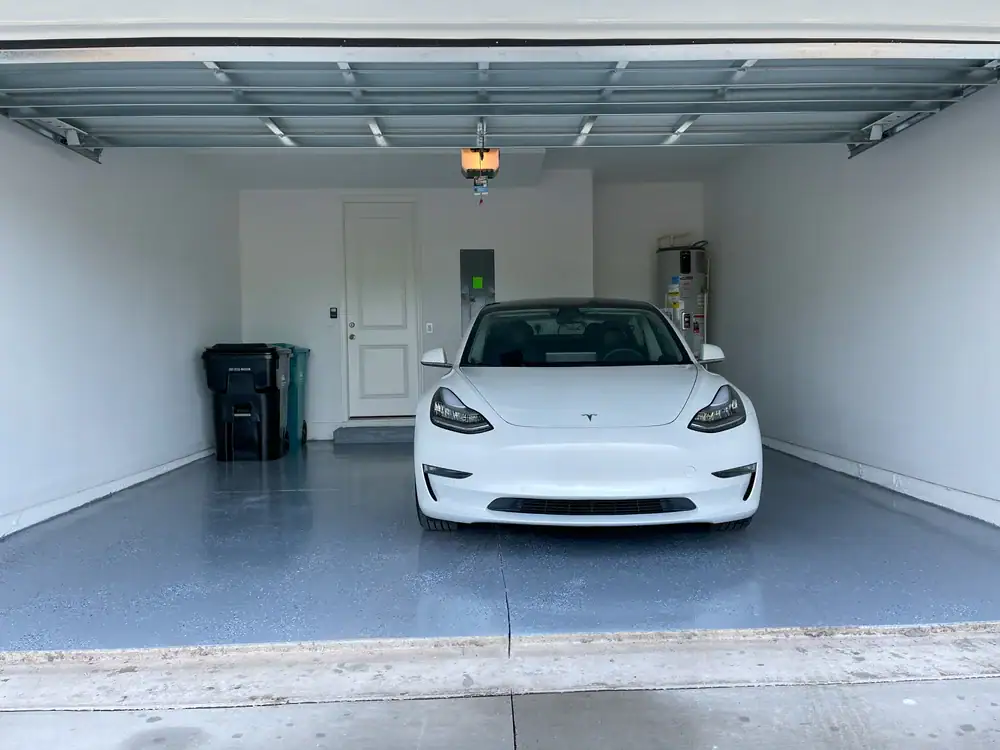
Epoxy Garage Floor Coating Wellington
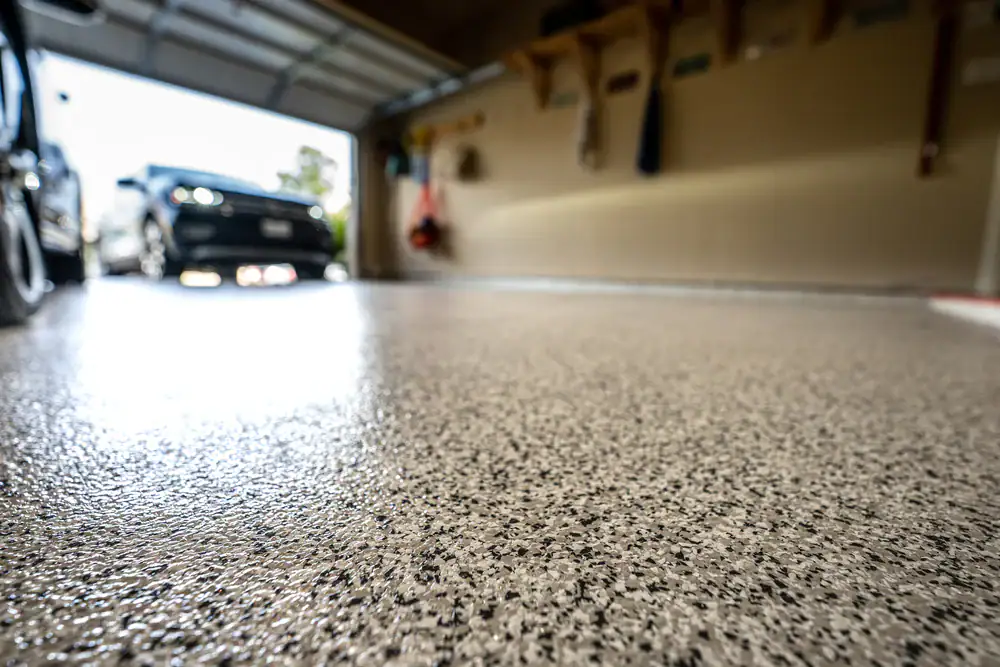
Your garage floor stops absorbing moisture. Oil spills wipe clean in seconds. Cracks don’t spread. The surface stays glossy, even after years of Florida humidity beating down on it.
Most garage floors in Wellington, FL weren’t built for this climate. Concrete soaks up water vapor like a sponge, especially when humidity sits between 75% and 90% year-round. That moisture works its way under coatings that weren’t installed right, causing bubbles, peeling, and early failure.
A properly installed epoxy garage floor changes that. You get a seamless, non-porous surface that shrugs off spills and reduces maintenance to almost nothing. No more stains soaking in. No more cracks spreading. Just a floor that works the way you need it to—whether you’re parking cars, running a workshop, or finally turning your garage into usable space.
Quality systems last 10 to 20 years in South Florida when installed correctly. That means shot-blasting or diamond grinding the concrete first, repairing every crack and imperfection, then applying moisture-resistant primers designed for humid conditions. Most installations finish in one to two days, so you’re not waiting around for a week.
Wellington Epoxy Flooring Contractors
We’ve been installing epoxy flooring systems since 2020, working with clients like the US Military, Coast Guard, City of Doral, City of Sunny Isles, and county facilities across South Florida. We use commercial and industrial-grade materials from Sherwin Williams, Fosroc, and other manufacturers that supply government projects.
Wellington sits in Palm Beach County, where shifting sandy soils, extreme humidity, and frequent rain create conditions that destroy poorly installed floors. We’ve seen what happens when contractors skip proper surface prep or use residential-grade products in climates like this. The coating fails within months.
Our work holds up because we prepare every surface correctly—shot-blasting or diamond grinding to open the concrete’s pores, repairing cracks wider than 1/8 inch, and ensuring moisture levels are safe before any coating goes down. We don’t rush installations to fit more jobs in a day. You get transparent pricing, a 1-on-1 consultation, and a floor system backed by a guarantee on both products and workmanship.
Garage Epoxy Floor Installation Process
First, we assess your concrete. We’re checking for moisture issues, existing coatings, cracks, and surface contamination. If moisture levels are too high or there’s groundwater intrusion, we address that before any epoxy goes down. Skipping this step is why most DIY jobs and cheap installations fail in Florida.
Next comes surface preparation. We shot-blast, diamond grind, or scarify the concrete depending on its condition. This opens up the pores so the epoxy can bond properly. We repair every crack, fill low spots, and remove any oil or chemical residue. The floor has to be perfect before we move forward.
Then we apply a moisture-resistant primer designed for South Florida’s humidity. This is the foundation of the system. After that, we install the base coat and topcoat—usually a polyaspartic or epoxy hybrid that cures fast and resists UV damage, chemicals, and heat. Most floors are ready to walk on within hours and fully cured within 24 to 48 hours.
You’re not dealing with a week-long project. Most garage floors in Wellington finish in one to two days, depending on size and the system you choose. We clean up completely, walk you through maintenance (which is minimal), and follow up to make sure everything’s holding up the way it should.

Ready to get started?
Garage Floor Coatings Wellington FL
Every garage epoxy flooring installation includes full concrete preparation—shot-blasting or diamond grinding, crack repair, and moisture testing. We don’t coat over problems. If your concrete has issues, we fix them first.
You get moisture-resistant primers built for Florida’s climate, not generic products that fail when humidity spikes. The base and topcoat systems we install are commercial-grade—the same materials we use for military and municipal projects. These aren’t the kits you find at big-box stores. They’re designed to expand and contract with temperature changes without cracking or peeling.
In Wellington, where summer heat and humidity create tough conditions for coatings, we use fast-curing polyaspartic systems that handle UV exposure and moisture better than standard epoxy. The finish reflects light, making your garage feel larger and brighter. It’s slip-resistant, even when wet.
You also get a warranty that covers both the products and our workmanship. The length depends on the system and environment, but every installation is backed by a 100% guarantee. We include a follow-up call after the job to make sure you’re satisfied and answer any questions about maintenance or performance.
If you’re in Palm Beach County and tired of looking at a stained, cracked garage floor that’s only getting worse, this is the fix that actually lasts.
How much does garage epoxy flooring cost in Wellington, FL?
Most residential garage floor coatings in Palm Beach County run between $180 and $2,071, depending on the size of your garage, the condition of your concrete, and the system you choose. A standard two-car garage typically falls in the middle of that range.
The price includes surface preparation, crack repair, moisture-resistant primer, base coat, and topcoat. If your concrete has major damage—wide cracks, spalling, or moisture intrusion—you’ll need additional prep work, which adds to the cost. But skipping that work means the coating won’t last, so it’s not optional if you want a floor that holds up in Florida’s climate.
We provide transparent pricing during the consultation. You’ll know exactly what you’re paying for and why. No surprise charges, no upselling products you don’t need. Most clients in Wellington choose mid-range systems that balance durability and cost, and those floors last 10 to 20 years with basic maintenance.
Will epoxy flooring hold up in Wellington’s humidity and heat?
Yes, if it’s installed correctly. Wellington’s humidity sits between 75% and 85% year-round, often exceeding 90% in summer. That moisture is the biggest threat to garage floor coatings because it gets trapped under improperly installed epoxy, causing bubbles and peeling.
We use moisture-resistant primers designed specifically for South Florida’s climate. Before any coating goes down, we test the concrete’s moisture levels and address any groundwater intrusion. If the slab is absorbing too much water vapor, we apply barriers or sealers to stop it. This step is why our floors don’t fail the way DIY kits and cheap installations do.
The topcoat systems we install—usually polyaspartic or epoxy hybrids—are built to handle UV exposure, heat, and humidity without breaking down. They expand and contract with Florida’s temperature swings without cracking. Properly installed systems last 10 to 20 years here, even with the climate working against them. You’re not recoating every few years if the job is done right the first time.
How long does garage epoxy floor installation take?
Most garage floors in Wellington finish in one to two days. Day one covers surface preparation—shot-blasting or diamond grinding, crack repair, and cleaning. Day two is the coating application. Some systems cure fast enough that you can walk on the floor within a few hours and park on it within 24 to 48 hours.
The timeline depends on your concrete’s condition and the system you choose. If we’re dealing with major cracks, moisture issues, or old coatings that need removal, prep work takes longer. But we don’t rush installations to fit more jobs in a day. The floor has to be prepped correctly, or the coating won’t bond.
Fast-curing polyaspartic systems are popular in South Florida because they handle humidity during installation better than standard epoxy. They also cure faster, so you’re not waiting a week to use your garage. We schedule installations to minimize disruption, and most clients are surprised at how quickly the job gets done without cutting corners.
What’s the difference between epoxy and polyaspartic garage floor coatings?
Epoxy is durable and chemical-resistant, but it cures slowly and can yellow under UV exposure. Polyaspartic coatings cure faster—often within one to two hours—and resist UV damage better, which matters in Florida where sunlight and heat break down coatings over time.
Polyaspartic systems also handle moisture during installation better than epoxy. In Wellington’s humidity, that’s a big advantage. Epoxy needs low humidity to cure properly, which is hard to guarantee here. Polyaspartic coatings are more forgiving, so they’re less likely to fail due to environmental conditions during application.
Most of our clients in South Florida choose polyaspartic or epoxy-polyaspartic hybrid systems. You get the durability and chemical resistance of epoxy with the fast cure time and UV resistance of polyaspartic. These systems cost slightly more upfront, but they last longer and perform better in Florida’s climate. If you’re installing a garage floor coating in Wellington, polyaspartic is usually the smarter choice.
Can you install epoxy flooring over cracked or damaged concrete?
Yes, but the cracks and damage have to be repaired first. Epoxy doesn’t fill structural issues—it highlights them. If you coat over cracks without fixing them, they’ll telegraph through the finish and keep spreading. Moisture will seep into those cracks, undermining the coating’s bond and causing it to peel.
We repair every crack wider than 1/8 inch before any coating goes down. Hairline cracks get filled with flexible epoxy fillers. Wider cracks may need routing and sealing, especially if they’re moving or showing signs of groundwater intrusion. If the concrete is spalling or has chunks missing, we patch and level those areas.
Florida’s sandy soils and shifting ground cause concrete to crack more than in other climates. That’s normal. But those cracks need proper repair, not just a coating slapped over them. Once the surface is structurally sound, the epoxy bonds correctly and lasts. If a contractor tells you they can coat over damaged concrete without fixing it first, find someone else.
How do I maintain an epoxy garage floor in Florida?
Maintenance is minimal. Sweep or blow off dirt and debris regularly so it doesn’t get ground into the coating. Mop with water and a mild cleaner when the floor gets dirty. That’s it. Epoxy’s non-porous surface doesn’t absorb spills, so oil, chemicals, and liquids wipe up easily.
In Wellington’s humid climate, you might notice dust or pollen settling on the floor more often, especially if your garage door stays open. A quick sweep or rinse handles that. Avoid using harsh chemicals or abrasive scrubbers—they’re not necessary and can dull the finish over time.
If you park hot tires on the floor regularly, the coating might show some light scuffing eventually. That’s cosmetic, not structural. The floor is still protecting your concrete underneath. Most clients go years without needing any touch-ups. If damage does occur, we can recoat sections without redoing the entire floor. Properly installed epoxy in South Florida lasts 10 to 20 years with basic care, so you’re not dealing with constant maintenance or reapplication.
Other Services we provide in Wellington
Leave a Reply