


Concrete Repair in Dania Beach, FL
Concrete That Holds Up to South Florida’s Climate
Hear from Our Customers
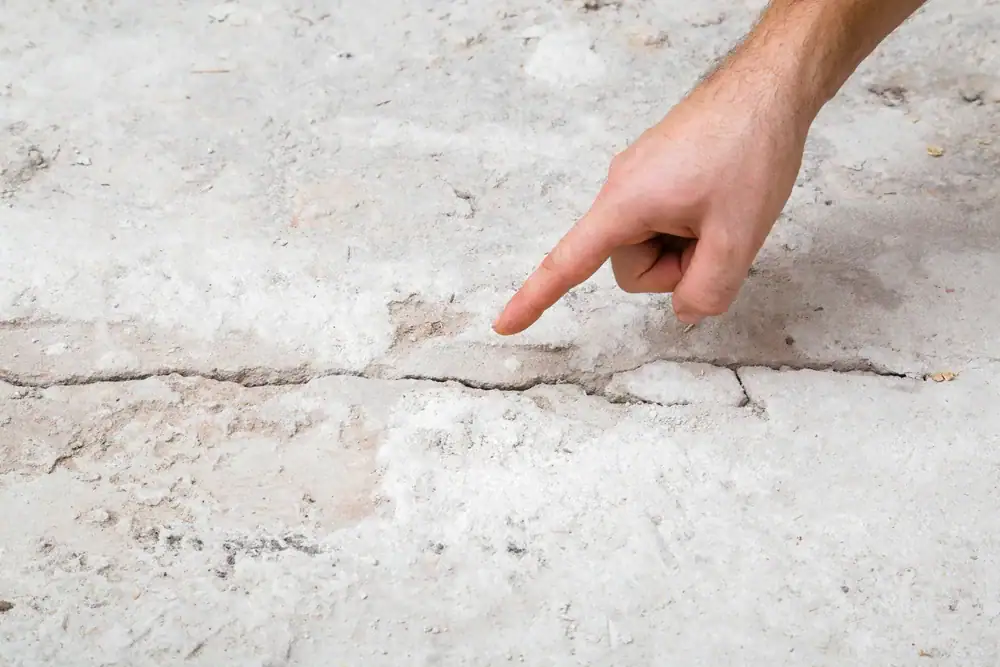
Concrete Crack Repair Dania Beach
You stop worrying about whether that crack in your foundation is going to turn into a $15,000 problem. The floor in your warehouse doesn’t chip apart every time a pallet jack rolls over it. Your driveway doesn’t collect water in the same spot after every storm.
That’s what happens when concrete repair gets done with the right prep, the right materials, and someone who knows how South Florida’s climate tears through shortcuts. You’re not patching over a problem. You’re addressing what caused it and making sure it doesn’t come back.
Most concrete damage here starts small. A hairline crack. A little spalling near the edge. Then humidity gets in, salt air accelerates corrosion, and suddenly you’re looking at structural issues. Catching it early and fixing it correctly saves you thousands compared to replacement. But only if the repair is built to last in this environment.
Concrete Foundation Contractors Dania Beach
We’ve been handling concrete and epoxy flooring work across Florida since 2020. We’ve installed floors and repaired concrete for the U.S. Coast Guard, the Army, the City of Doral, the City of Sunny Isles, and high schools throughout Broward County.
That’s not name-dropping. It’s proof that when the work has to meet strict standards and last in Florida’s toughest conditions, we’re the ones getting called. We’re veteran-owned, and we treat every job like it’s going into a government facility—because half the time, it is.
Dania Beach sits right on the coast, which means your concrete is dealing with salt air, high humidity, and soil that shifts more than people realize. We’ve been working in these conditions long enough to know what fails and what holds up. Everything we do is designed around that reality.
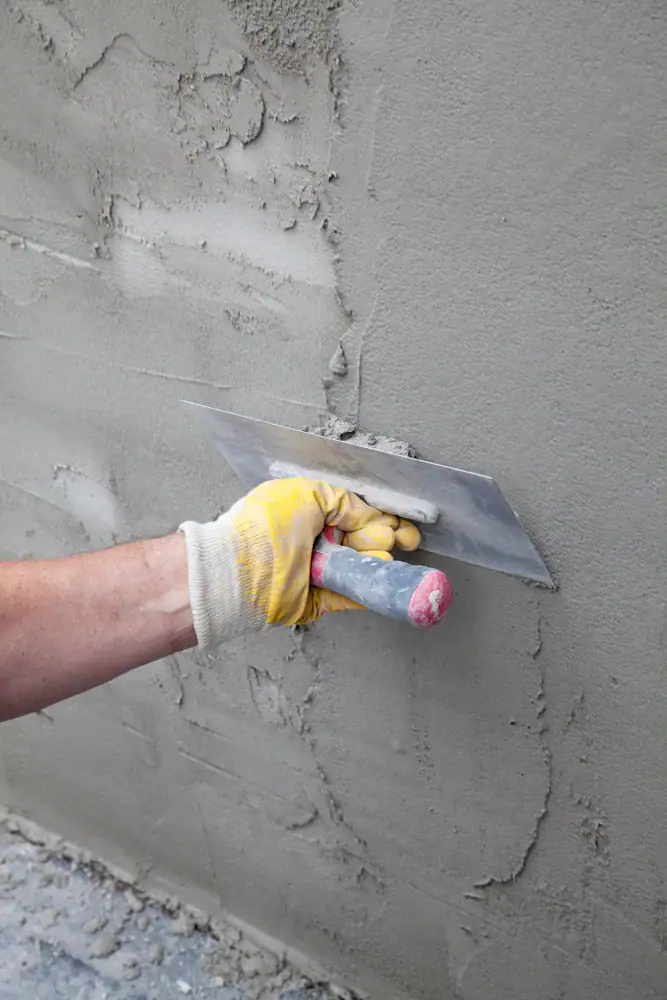
Concrete Floor Repair Process
First, we come out and look at what’s actually going on. Not just the crack you can see, but what’s causing it. Is it a moisture issue? Soil settlement? Poor original installation? You need to know that before any repair happens.
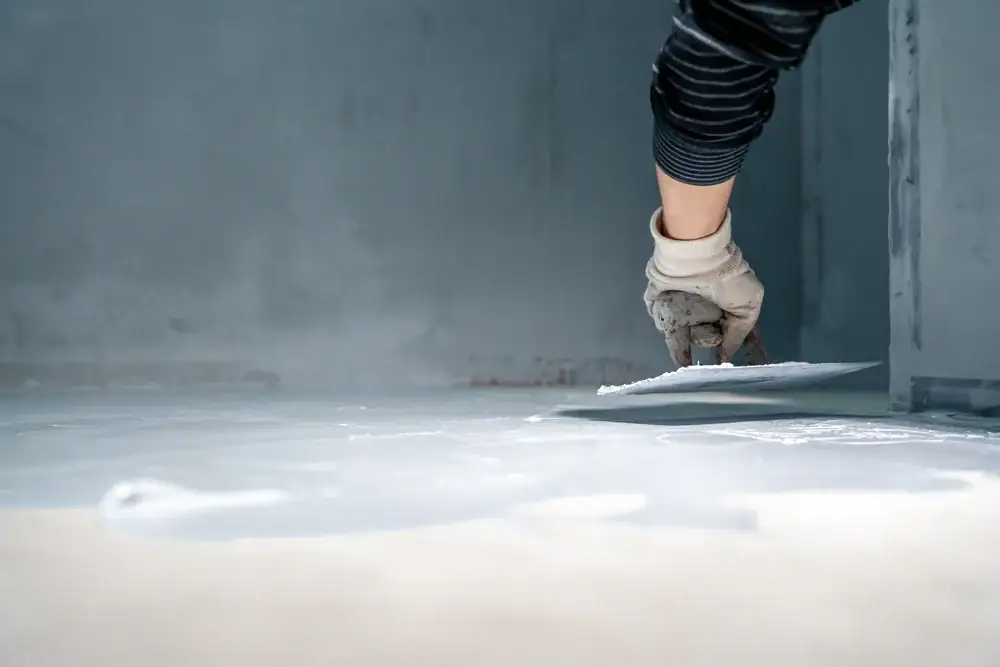
Once we understand the root cause, we prep the surface. That means shot-blasting, diamond grinding, or scarifying depending on what the concrete needs. We’re not slapping a patch over damage. We’re removing weak material, cleaning down to sound concrete, and creating a surface that repair compounds can actually bond to.
Then we apply the fix. For crack repair, that might mean epoxy injection or polyurethane foam depending on whether the crack is active or stable. For foundation work, we’re using commercial-grade repair mortars that can handle movement and moisture. For floor repairs, we’re leveling, filling, and resurfacing with materials from manufacturers like Laticrete, Koster USA, and Flowcrete—the same products we use on military and municipal projects.
After the repair cures, we seal it. Florida’s humidity will find any weak point, so we use vapor barriers and sealers designed specifically for high-moisture environments. The goal is a repair that lasts 15 to 20 years, not 15 months.
Ready to get started?
Epoxy Concrete Repair Services
You’re getting a full assessment of the damage and what caused it. We don’t guess. We test for moisture, check for structural movement, and figure out whether you’re dealing with a surface issue or something deeper.
Surface prep is done in-house with our own equipment and crew. No subcontractors. We handle shot-blasting, grinding, crack filling, and any leveling work that needs to happen before the repair goes down. If your concrete has spalling, uneven areas, or old coatings that are failing, we address all of it during prep.
The repair itself uses commercial and industrial-grade materials. We’re not buying products from a big-box store. We’re using the same systems we install for government facilities—epoxy crack injection for structural repairs, polyurethane for active cracks, high-strength repair mortars for foundation work, and self-leveling overlays for floor damage.
Dania Beach properties face some of the highest flood risk in Broward County. Every building here is considered at very high flood risk, which means moisture control isn’t optional. We include vapor barriers and moisture mitigation as part of the process, not an upsell. Your concrete repair has to handle humidity, saltwater exposure, and the occasional tropical storm. We build for that from the start.
How much does concrete crack repair cost in Dania Beach?
It depends on the size, location, and cause of the crack. A simple surface crack in a driveway might run a few hundred dollars. A structural foundation crack that needs epoxy injection and waterproofing can run into the thousands.
Here’s what affects the price: whether the crack is active or dormant, how deep it goes, whether there’s water intrusion, and what’s causing it. If the crack is happening because your soil is settling or there’s a drainage issue, fixing just the crack won’t solve anything. You’ll be calling someone back in a year.
We give you a clear assessment upfront. No surprises, no upselling. You’ll know what the repair involves, what materials we’re using, and why it costs what it costs. Most people are surprised to learn that a proper repair—done once—costs less than two or three cheap patches that fail.
Can you repair concrete foundation cracks, or do I need to replace the whole slab?
Most foundation cracks can be repaired if they’re caught early. Replacement is almost never the first option unless the damage is severe or the slab has failed in multiple areas.
We use epoxy injection for structural cracks that aren’t moving. The epoxy bonds stronger than the original concrete and stops water from getting in. For cracks that are still active—meaning they’re widening due to settlement or movement—we use polyurethane foam, which stays flexible and can handle some shifting without breaking.
The key is figuring out why the crack happened. If it’s just normal settling, a repair holds up fine. If it’s a drainage problem or soil erosion, we need to address that too, or you’ll get more cracks. We’ll walk you through what’s happening and what makes sense for your situation. Sometimes a repair is all you need. Sometimes you need a repair plus some drainage work. We’ll tell you either way.
How long does a concrete floor repair last in Florida’s humidity?
If it’s done right, 15 to 20 years or more. If it’s done wrong, you’ll see bubbling, peeling, or cracking within a year.
Florida’s humidity is brutal on concrete repairs. Moisture vapor comes up through the slab, and if the repair material isn’t designed to handle that, it fails. That’s why we use moisture mitigation systems and vapor barriers on every floor repair. We’re not just filling a hole. We’re creating a bond that can handle moisture movement without breaking down.
The materials matter too. We use commercial-grade products from manufacturers like Laticrete and Flowcrete—the same systems we install in food processing plants and military facilities where the floor has to hold up under heavy use and tough conditions. Cheap repair compounds don’t last here. You need something designed for high-humidity, high-traffic environments. That’s what we use, and that’s why our repairs hold up.
What’s the difference between epoxy concrete repair and regular patching?
Epoxy is a structural repair. Regular patching is a cosmetic fix. They’re not the same thing.
When you have a crack that’s affecting the integrity of the concrete—like a foundation crack or a floor crack that’s widening—you need epoxy. It bonds at a molecular level, fills the entire crack (not just the surface), and creates a repair that’s stronger than the surrounding concrete. It also stops water intrusion, which is critical in Florida.
Regular patching is when you fill a surface divot or a shallow crack with a repair mortar. It makes things look better and prevents tripping hazards, but it’s not a structural fix. If the crack goes deep or there’s movement happening, a patch won’t hold. It’ll pop out or crack again within months.
We use both depending on what the damage actually needs. If it’s structural, we’re using epoxy or polyurethane injection. If it’s cosmetic, we’re using high-strength repair mortars and overlays. You don’t want to pay for epoxy if you don’t need it, but you also don’t want a patch job when the crack is serious. We’ll tell you which one makes sense.
Do you offer emergency concrete repair services in Dania Beach?
Yes. If you’ve got a safety issue or a problem that’s affecting your business operations, we can move fast.
Emergency concrete repair usually means a floor that’s damaged and creating a tripping hazard, a foundation crack that’s letting water in during a storm, or a loading dock that’s failing and shutting down your operation. We’ve handled all of it.
Depending on the situation, we can get a crew out within 24 to 48 hours. For some repairs—like a commercial kitchen floor that needs to be back in service immediately—we use rapid-cure materials that allow you to get back to work the same day or next day. Not every repair can happen that fast, but when it’s urgent, we have options.
We work directly with property owners, facility managers, and business operators. No runaround, no waiting on a general contractor to call us back. You call, we assess, we fix it. That’s how it works.
Can concrete driveway cracks be repaired, or should I just replace the whole driveway?
Most driveway cracks can be repaired unless the entire slab is failing. Replacement is expensive and usually unnecessary if the damage is isolated.
We repair driveway cracks by routing them out, cleaning them down to sound concrete, and filling them with a flexible crack filler or epoxy depending on the width and depth. For larger damaged areas, we can resurface the section with a concrete overlay that bonds to the existing slab and gives you a smooth, uniform surface.
The bigger question is what caused the cracks. If it’s just normal wear and settling, a repair works fine. If you’ve got a drainage issue or tree roots pushing up the slab, we need to address that first, or the cracks will come back. We’ll look at the whole situation and tell you what makes sense.
A proper repair costs a fraction of replacement and can add another 10 to 15 years to your driveway’s life. You don’t need to rip everything out unless the damage is extensive or the base has failed. We’ll give you an honest assessment either way.
Other Services we provide in Dania Beach
Leave a Reply