


Concrete Repair in Miami Beach, FL
Stop Concrete Damage Before It Gets Worse
Hear from Our Customers
Concrete Crack Repair Miami Beach
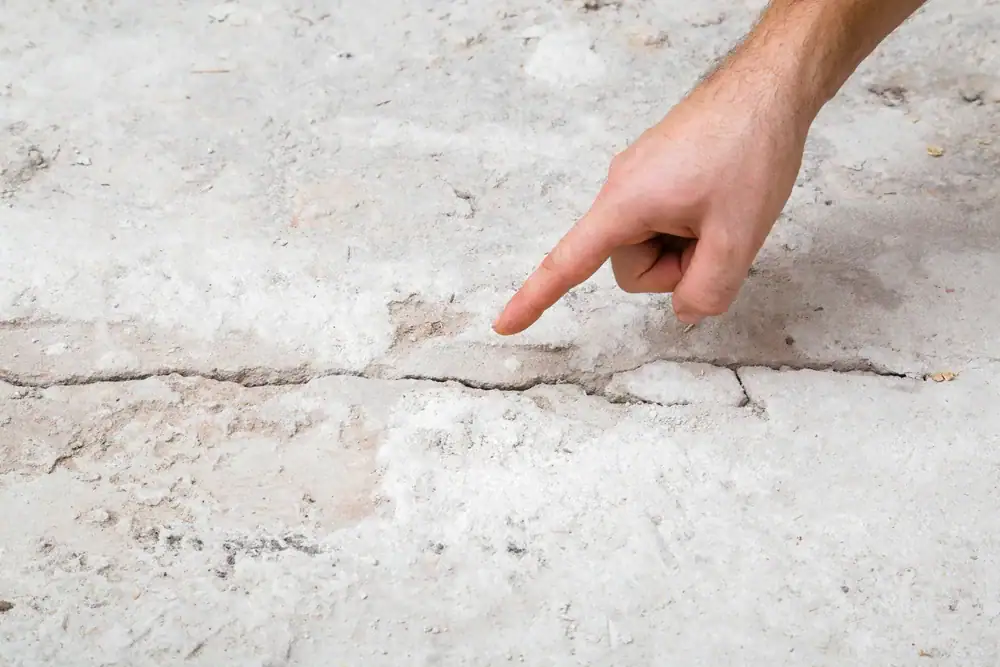
You’ve seen it happen. A hairline crack in your driveway turns into a chunk of missing concrete. A small spall on your pool deck becomes a safety hazard. What started as a $500 repair is now a $5,000 replacement.
Miami Beach’s salt air accelerates this process faster than almost anywhere else in the country. Salt ions work their way into concrete, reach the rebar inside, and cause it to rust and expand. That expansion breaks the concrete from the inside out.
The difference between catching it early and waiting too long is measured in thousands of dollars. Proper concrete restoration can extend the life of your surfaces by decades. Ignoring it means you’re on a countdown to full replacement, and that clock moves faster here than it does inland.
Miami Beach Concrete Repair Contractors
We’ve been repairing concrete across South Florida since 2020. We’ve worked with the Coast Guard, US Military, City of Doral, and City of Sunny Isles on projects where failure isn’t an option.
We don’t subcontract. Every person on your job site is a full-time SPF employee. That means better quality control, faster communication, and no surprises about who’s actually doing the work.
Miami Beach properties face unique challenges. The combination of salt air, humidity, and temperature swings creates conditions that destroy cheap repairs in 2-3 years. We use commercial-grade materials from Sherwin Williams and Fosroc because they’re engineered for exactly these conditions. You’re not getting a Home Depot epoxy kit. You’re getting systems designed for harsh coastal environments.
Our Concrete Foundation Repair Process
First, we come out for a free consultation. We assess the damage, explain what’s causing it, and give you upfront pricing. No games, no “we’ll need to see once we start” nonsense.
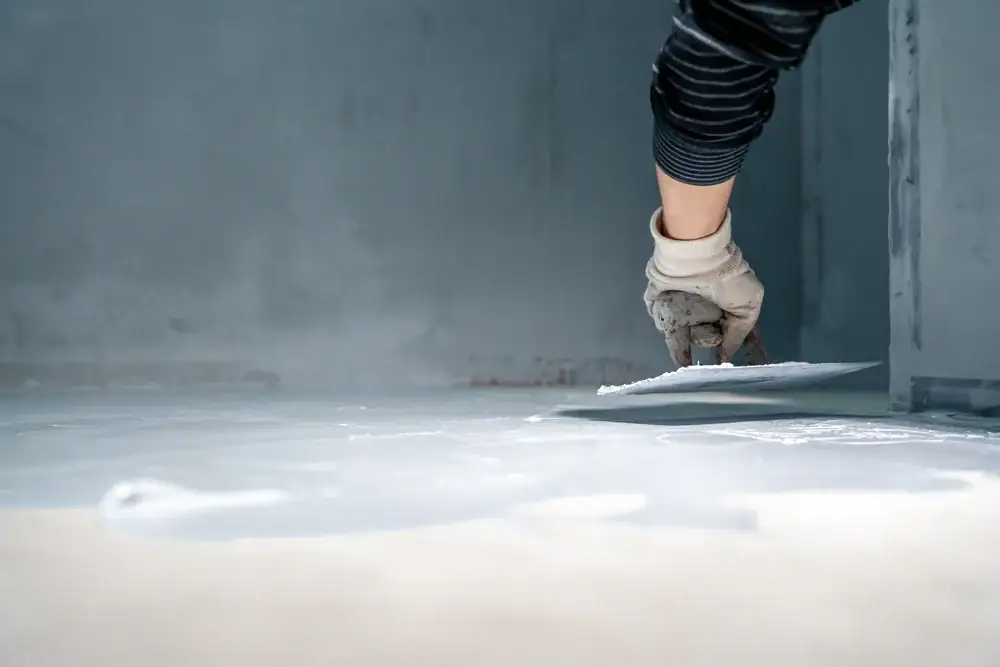
If you move forward, we prepare the surface properly. That means shot-blasting, diamond grinding, or scarifying depending on what your concrete needs. Most repair failures happen because this step gets skipped or done poorly. We don’t skip it.
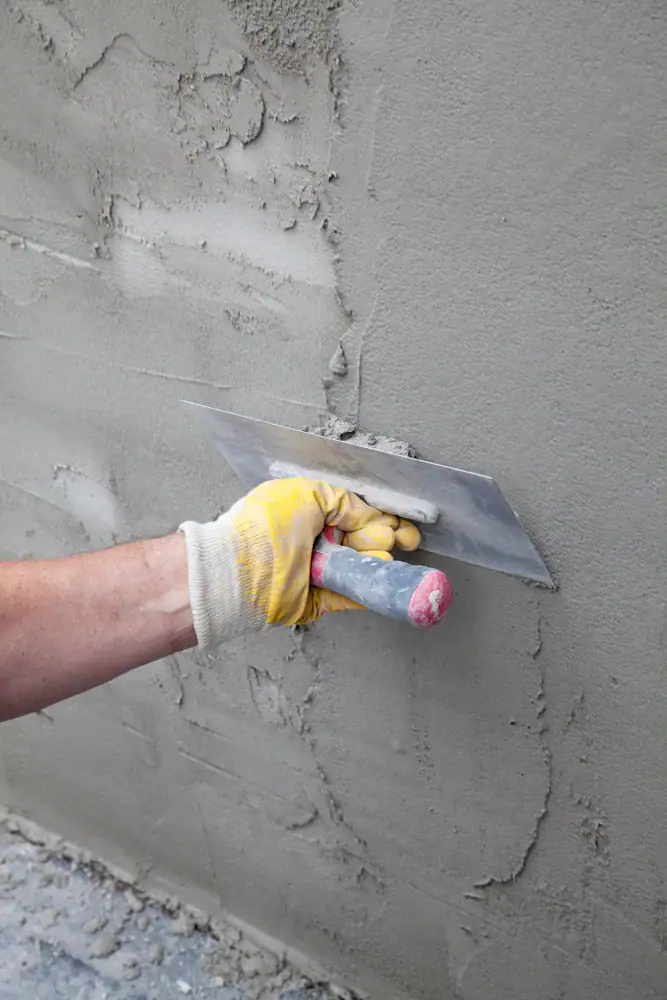
Then we apply the repair system. For cracks, that might mean epoxy injection or routing and sealing. For spalling or structural damage, we remove deteriorated concrete, treat exposed rebar, and rebuild with high-strength repair mortars. The materials we use are designed to bond with existing concrete and withstand the same conditions that caused the original damage.
After the repair cures, we follow up. We want to know how it’s holding up, and we’re available if you have questions. For emergency situations, we can turn projects around in 24-48 hours.
Ready to get started?
Concrete Restoration Services Miami Beach
We handle concrete crack repair on driveways, sidewalks, and slabs. We repair spalling on pool decks, balconies, and building facades. We address foundation issues before they become structural emergencies. We fix concrete steps, stairs, and walkways that have become trip hazards.
Miami Beach sees some of the fastest concrete deterioration rates in Florida. Studies show that steel rebar can corrode at rates up to one millimeter per year once chlorides reach it. That’s why you see buildings with chunks of concrete falling off and exposed, rusted rebar underneath. Counties in South Florida take this seriously because it’s a legitimate safety issue.
Our epoxy concrete repair systems are chemical-resistant and designed for high-moisture environments. Our structural repair mortars are engineered to match or exceed the strength of the original concrete. We’re not patching things to look good for a year. We’re restoring structural integrity.
You’ll also see us working on commercial properties, parking garages, and municipal infrastructure. The same techniques that keep a Coast Guard facility operational work just as well on your driveway or pool deck.
How much does concrete repair cost in Miami Beach?
Minor crack repairs run $0.10 to $0.15 per linear foot. Larger repairs like spalling or structural work typically cost $6 to $14 per square foot depending on the severity and location. A 100-square-foot section of driveway repair usually falls between $600 and $1,400.
The real cost question is repair versus replacement. Full concrete replacement can run $6,000 to $15,000 for a standard driveway. If we can repair it for $1,500, that’s a significant difference.
We give you upfront pricing during the free consultation. You’ll know exactly what it costs before we start. The price depends on the extent of damage, the type of repair needed, and how accessible the area is. But you’ll never get a surprise bill from us.
How long does concrete repair last in Miami Beach’s climate?
Done right with commercial-grade materials, concrete repairs should last 10-20 years in Miami Beach. Done wrong with cheap products, you’re looking at 2-3 years before it fails.
The difference is in the materials and preparation. Cheap epoxy kits from hardware stores aren’t designed for constant salt exposure and humidity. They break down fast. The industrial-grade systems we use from Sherwin Williams and Fosroc are engineered specifically for harsh coastal conditions.
Surface preparation matters just as much. If you don’t properly clean and profile the concrete before applying repair materials, the bond fails. We shot-blast or diamond-grind surfaces to create the mechanical bond needed for long-term performance. That’s not optional in this environment.
Can you repair concrete that’s already showing rust stains and spalling?
Yes, but we need to address the rebar corrosion, not just the surface damage. Rust stains and spalling mean salt chlorides have reached the steel reinforcement inside. That steel is now corroding and expanding, which breaks the concrete apart.
We remove all deteriorated concrete around the affected rebar. Then we clean and treat the exposed steel with corrosion inhibitors. After that, we rebuild the section with high-strength repair mortar that’s designed to protect the rebar and bond with the existing concrete.
If we just patched over the rust stains without treating the underlying corrosion, the problem would come back within a year. The rebar would keep expanding, and the new patch would pop off. We fix the root cause, not just the symptom.
How quickly can you start an emergency concrete repair?
For genuine emergencies, we can typically start within 24-48 hours. Emergency situations include safety hazards like large spalls near walkways, exposed rebar in high-traffic areas, or structural damage that’s getting worse fast.
We keep materials and equipment ready specifically for rapid response. When a chunk of concrete falls off your building facade or your pool deck develops a dangerous trip hazard, waiting two weeks isn’t acceptable.
That said, we’re honest about what constitutes an emergency. A small crack in your driveway isn’t one. A piece of concrete that fell off your balcony is. We’ll tell you straight whether your situation needs immediate attention or if scheduling for next week makes more sense.
Do you work directly with homeowners or only through contractors?
We prefer working directly with property owners. When you hire us, you’re talking to the people who actually do the work. No middleman marking up the price. No communication getting lost between you, a general contractor, and us.
This matters for quality control and accountability. If you have a question or concern, you call us directly. If something needs adjustment, we handle it immediately. You’re not waiting for a GC to relay messages back and forth.
We’ve done plenty of commercial and municipal work, including projects for the Coast Guard and US Military. Those clients demand direct communication and accountability. We bring that same approach to residential work. You get the same level of professionalism whether you’re a homeowner with a cracked driveway or a city managing a public facility.
What’s causing my concrete to deteriorate so fast in Miami Beach?
Salt air is the primary culprit. Miami Beach sits right on the ocean, and that salt-laden air is constantly depositing chlorides on your concrete. Those chlorides penetrate the surface, reach the steel rebar inside, and cause it to corrode. Corroding steel expands up to ten times its original volume, which cracks and breaks the concrete from the inside.
Humidity and temperature swings accelerate the process. Concrete expands and contracts with temperature changes. In Miami Beach’s climate, that’s happening constantly. Add in heavy rain, intense sun, and the occasional tropical storm, and you’ve got conditions that age concrete faster than almost anywhere else.
Carbonation is the other factor. Carbon dioxide from the air reacts with concrete and lowers its pH over time. Lower pH means less protection for the rebar. Between carbonation and chloride exposure, structures in South Florida can develop serious problems in as little as 15 years. That’s why you see so many buildings here with spalling and deterioration that wouldn’t show up for 30-40 years in other climates.
Other Services we provide in Miami Beach
Leave a Reply