


Concrete Repair in The Hammocks, FL
Concrete That Holds Up in Florida’s Climate
Hear from Our Customers
Concrete Crack Repair The Hammocks Residents Trust
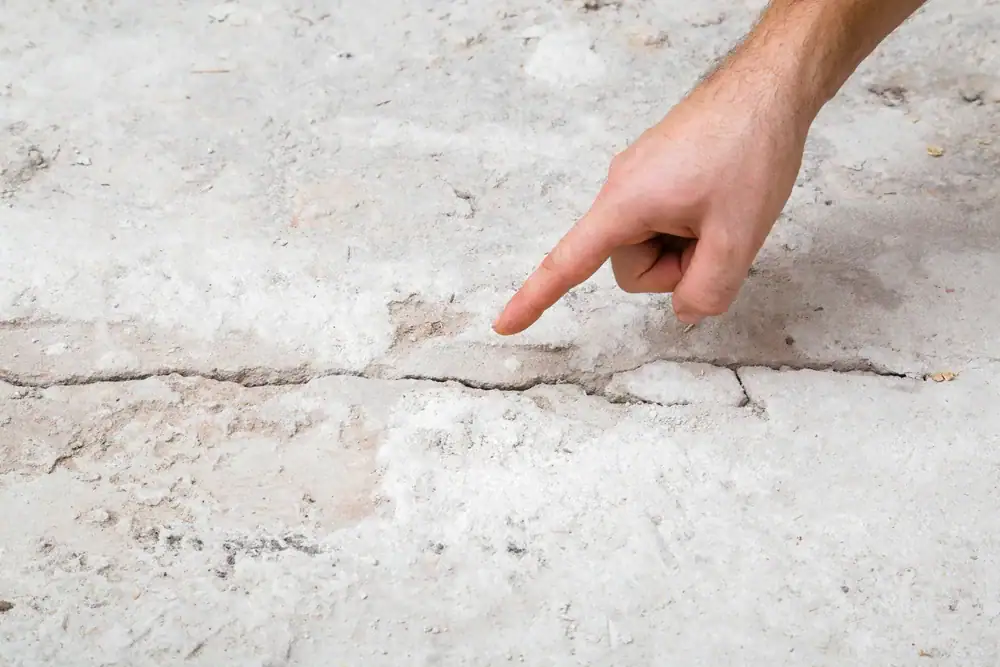
You’ve noticed the cracks in your driveway getting wider. Maybe your pool deck is starting to sink on one side, or your garage floor has that spiderweb pattern spreading across it. In The Hammocks, this isn’t unusual—it’s what Florida’s climate does to concrete.
High humidity, temperature swings, and ground settlement don’t take breaks. Neither do we. When you call SPF Industrial for concrete repair, you’re getting someone who understands how moisture works its way into concrete pores, how thermal expansion creates stress points, and why that small crack you’re looking at today becomes a drainage problem six months from now.
We fix concrete foundation issues, pool concrete repair, concrete floor repair, and everything in between. The work holds because we use epoxy and polymer-based materials designed for Florida’s conditions—not generic patches that fail when the next rainstorm rolls through. You get a repair that lasts 15 to 20 years when done correctly, which means you’re not calling someone else in two years to redo what should’ve been handled right the first time.
Concrete Foundation Contractors Serving The Hammocks
SPF Industrial has been handling concrete restoration since 2020, working with clients ranging from the Coast Guard and US Army to the City of Doral and local high schools across Miami-Dade County. That track record matters because it means we’ve dealt with concrete problems at every scale—from massive commercial slabs to residential concrete step repair.
The Hammocks has a housing stock that ranges from late-1970s builds to newer construction from the 2010s. That means different foundation types, different concrete mixes, and different failure points. We’ve seen them all. Whether you’re in a townhouse near the main boulevard or a single-family home backing up to the green space, your concrete is dealing with the same environmental stressors: humidity that never quits and soil conditions that shift.
We work directly with property owners because that’s how you get straight answers and transparent pricing. No markups from a general contractor. No miscommunication through a third party. Just a 1-on-1 consultation where we assess what’s wrong, explain what needs to happen, and give you an upfront number.
Our Concrete Repair Process in The Hammocks
First, we come out and assess the damage. That means looking at the cracks, checking for moisture intrusion, and determining whether you’re dealing with a cosmetic issue or something structural. Most concrete crack repair in The Hammocks involves shrinkage cracking or settlement—both fixable, but the approach matters.
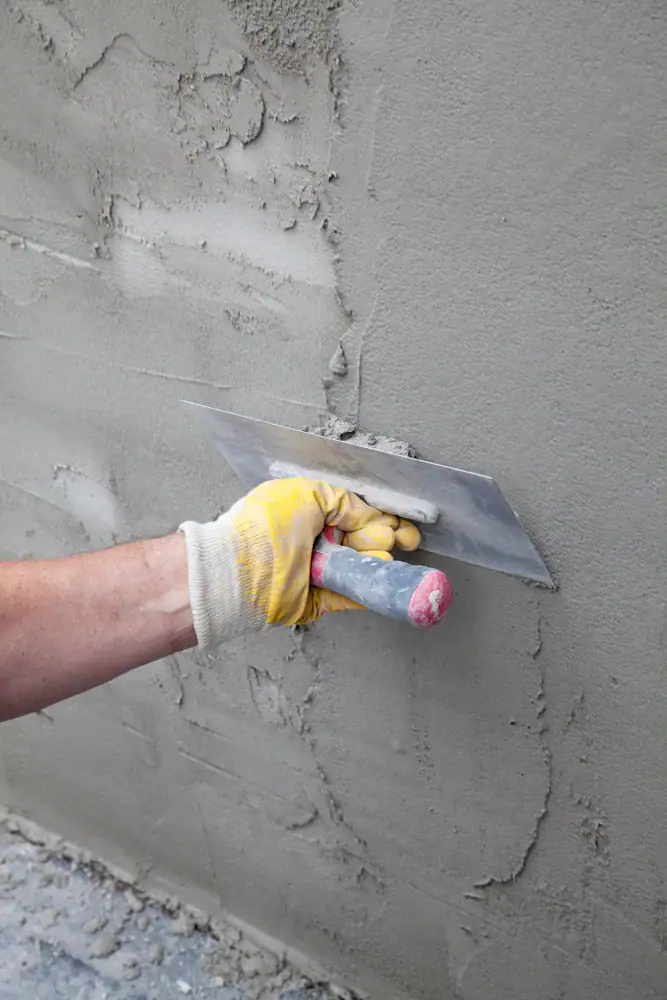
If it’s a surface crack, we clean it out, apply a flexible epoxy filler that moves with the concrete as temperatures shift, and seal it to prevent water from getting in. If it’s a foundation issue, we’re looking at the load-bearing capacity, checking for undermining, and potentially using epoxy injection or slab stabilization techniques. For pool concrete repair or concrete driveway crack repair, we also address drainage because standing water accelerates every problem you’ve got.
Once the repair is done, we apply a sealer designed for high-humidity environments. That’s the part most companies skip, and it’s why their work fails early. Florida’s moisture doesn’t care about your concrete—it’s going to try to get in. A proper sealer stops that from happening.
Turnaround depends on the scope, but for most residential jobs, we’re talking 24 to 48 hours from start to finish. If it’s an emergency—say, a tripping hazard on your concrete sidewalk or a structural crack that’s getting worse—we move faster.
Ready to get started?
Concrete Floor Repair and Restoration Services
You’re getting an inspection, a detailed assessment of what’s causing the damage, and a repair plan that addresses the root cause—not just the visible symptom. That includes concrete foundation repair, concrete slab crack repair, epoxy concrete repair, cement crack repair, and concrete stair repair. We also handle resurfacing if the surface layer is too far gone to patch.
In The Hammocks, a lot of homes have concrete driveways and pool decks that were poured in the 1980s and 1990s. Those slabs are hitting the age where settling and cracking become common. If your driveway has that sunken section near the garage or your pool deck has a lip where two slabs meet, that’s not something you ignore. It’s a drainage issue waiting to become a foundation issue.
We use Sherwin Williams and Fosroc products because they’re designed for commercial and industrial applications—meaning they hold up under stress. For concrete floor repair in garages or warehouses, we also offer polished concrete and epoxy coatings that give you a finished surface that’s easier to clean and more resistant to staining. If you need safety line striping for a commercial property, we handle that too.
The goal isn’t to sell you the most expensive option. It’s to fix what’s broken in a way that makes sense for your property and your budget. Sometimes that’s a simple crack fill. Sometimes it’s a full slab replacement. We’ll tell you which one you’re looking at before we start.
How long does concrete repair last in Florida’s humid climate?
If it’s done right, you’re looking at 15 to 20 years. That depends on the materials used, the prep work, and whether the underlying cause of the damage gets addressed. A lot of concrete repairs fail early because the contractor used a standard patching compound that wasn’t designed for high humidity. Florida’s moisture gets into the repair, breaks down the bond, and you’re back where you started in a year or two.
We use epoxy-based and polymer-modified materials that are specifically formulated for wet, humid environments. These products don’t just sit on top of the concrete—they bond at a molecular level and flex with temperature changes. That’s critical in The Hammocks, where your concrete can go from 95 degrees in the afternoon to 70 degrees overnight.
The other piece is surface prep. If there’s moisture in the concrete when we apply the repair, it’s going to fail. We check for that. We also make sure the crack is clean, dry, and properly profiled so the repair material has something to grip onto. Skipping that step is why most DIY repairs and cheap contractor jobs don’t hold.
What causes concrete cracks in The Hammocks, and can they be prevented?
Concrete cracks in Florida for a few reasons: thermal expansion, ground settlement, moisture intrusion, and poor initial installation. You can’t prevent all of it, but you can slow it down significantly with proper sealing and drainage management.
Thermal expansion happens because concrete expands when it heats up and contracts when it cools. In The Hammocks, that cycle happens daily. Over time, it creates stress points, especially at joints and edges. That’s why you see cracks forming in predictable patterns—usually along the weakest part of the slab.
Ground settlement is the other big one. The soil under your concrete shifts as it gets wet and dries out. If the base wasn’t compacted properly when the concrete was poured, you get voids under the slab. The concrete sinks into those voids, and cracks form along the stress lines. This is especially common in older homes where the original site prep wasn’t as thorough as it should’ve been.
Moisture intrusion accelerates everything. Water gets into small cracks, sits there, and starts breaking down the concrete from the inside. In Florida, that process happens faster because of the humidity. The best prevention is a high-quality sealer applied every few years and making sure your drainage directs water away from your concrete surfaces.
Should I repair small cracks now or wait until they get worse?
Repair them now. Small cracks don’t stay small in Florida. Water gets in, the crack widens, and what could’ve been a $200 fix turns into a $2,000 problem. This isn’t a scare tactic—it’s what happens when you ignore concrete damage in a high-humidity environment.
Here’s the progression: a hairline crack appears. It looks cosmetic, so you leave it. Rain comes, water seeps in, and the crack gets slightly wider. More water gets in. The freeze-thaw cycle doesn’t apply here, but the wet-dry cycle does the same thing. The concrete around the crack starts to spall—that’s when chunks break off. Now you’ve got a structural issue, not just a cosmetic one.
For concrete foundation repair or concrete slab repair, the stakes are higher. A small crack in your foundation can lead to uneven settling, which affects your walls, doors, and windows. You’ll start seeing cracks in your drywall or doors that won’t close properly. At that point, you’re not just fixing concrete—you’re dealing with structural damage to your home.
The cost difference between early intervention and waiting is significant. A crack fill might run a few hundred dollars. A foundation stabilization project can run several thousand. If you’re seeing cracks, get them looked at. Even if they’re not urgent, you’ll know what you’re dealing with.
Can you repair concrete pool decks that are sinking or cracking?
Yes. Pool deck issues are common in The Hammocks because of how much water exposure those slabs get. You’ve got pool water splashing onto the deck, rain runoff, and humidity—all of which contribute to ground settlement and concrete deterioration.
If your pool deck is sinking, that’s usually a sign that the soil underneath has eroded or compacted unevenly. We use slab jacking or polyurethane foam injection to lift the slab back to level. This is faster and less invasive than tearing out the deck and re-pouring it. The foam expands under the slab, fills the voids, and stabilizes the ground. Once it’s level, we seal any cracks and apply a protective coating to prevent future water intrusion.
For cracks in the pool deck, the repair process depends on the severity. Hairline cracks get filled with a flexible epoxy that moves with the concrete. Wider cracks might need routing and sealing, especially if they’re causing a tripping hazard. If the surface is too far gone—lots of spalling, deep cracks, or widespread damage—we’ll recommend resurfacing the entire deck. That gives you a fresh surface and eliminates the patchwork look you get from multiple repairs.
Pool concrete repair also involves checking the drainage around the deck. If water is pooling in certain areas, that’s going to cause problems no matter how good the repair is. We make sure water flows away from the pool and the house.
How much does concrete repair cost in The Hammocks?
It depends on what’s broken and how bad it is. A simple crack fill might run $200 to $500. Concrete foundation repair or slab stabilization can range from $1,500 to $5,000 depending on the scope. Resurfacing a driveway or pool deck usually falls somewhere in between.
The variables are the size of the area, the type of damage, and what materials are needed. Epoxy injection for structural cracks costs more than surface patching because it’s a more involved process. If we’re lifting a sunken slab, that’s priced based on how much foam is needed and how much the slab needs to be raised.
We give you a clear number upfront after we assess the job. No surprises, no hidden fees. If there’s a range—say, $2,000 to $3,000—we’ll explain what drives the cost to the higher end and what keeps it lower. Most of the time, it’s the extent of the prep work and whether we’re dealing with one isolated issue or multiple problem areas.
For commercial concrete repair, the pricing works the same way, but the scale is larger. If you’re dealing with a warehouse floor or a parking lot, we’ll walk the site, measure everything, and give you a per-square-foot estimate or a project total.
One thing to keep in mind: cheaper isn’t better when it comes to concrete work. If someone’s quoting you half of what everyone else is, they’re either cutting corners on materials, skipping prep steps, or using a repair method that won’t last. You’ll end up paying twice—once for the cheap job and again when you have to redo it.
Do you offer emergency concrete repair services in The Hammocks?
Yes. If you’ve got a tripping hazard, a structural crack that’s getting worse, or a concrete failure that’s affecting your property’s safety, we can move quickly. Most emergency concrete repairs get handled within 24 to 48 hours depending on the situation.
Emergency calls usually involve concrete step repair where someone’s at risk of falling, concrete sidewalk repair where the slab has lifted or sunk, or foundation cracks that are actively widening. We’ve also handled urgent pool deck repairs where a section of the deck collapsed or separated from the pool coping.
The process is the same as a standard job—we assess, explain what needs to happen, and get it done—but we prioritize it in the schedule. For commercial properties, emergency concrete repair might involve a loading dock that’s failed, a warehouse floor with a major crack, or a parking lot where a slab has sunk and created a hazard.
If you’re not sure whether your situation qualifies as an emergency, call anyway. We’ll ask a few questions and let you know whether it needs immediate attention or if it can wait a few days. Either way, you’ll know what you’re dealing with and what the timeline looks like.
Other Services we provide in The Hammocks
Leave a Reply