


Concrete Grinding in Acacia Villas, FL
Floors That Last Decades, Not Just Years
Hear from Our Customers
Concrete Floor Grinding Contractors Near You
Your concrete doesn’t just look better after grinding—it performs better. The densification process fills microscopic pores in the surface, making it harder than the original pour. That means oil, chemicals, and daily wear don’t penetrate like they used to.
You’re looking at floors that handle forklifts, constant foot traffic, and Florida’s humidity without breaking down. The polished surface reflects light better, which drops your electricity costs by around 28% in most commercial spaces. Less artificial lighting needed when your floors are doing some of the work.
Most projects wrap in 24 to 48 hours depending on square footage and existing conditions. You’re not dealing with weeks of downtime or constant recoating schedules. The maintenance routine becomes dust mopping and occasional neutral pH cleaner—that’s the actual day-to-day reality.
This matters in Acacia Villas because the salt air and moisture here accelerate concrete deterioration faster than most places. Proper grinding and sealing stop that cycle before it starts eating into your replacement budget.
Trusted Concrete Grinding Services in Acacia Villas
We handle concrete grinding and epoxy flooring across South Florida, with projects ranging from Coast Guard facilities to municipal buildings in Doral and Sunny Isles. We work directly with property owners and managers—commercial, industrial, and residential.
Our approach is straightforward: assess your existing concrete, address any underlying issues that’ll affect the final result, then execute the grinding and polishing process with equipment that actually works. We’re not the cheapest option in Acacia Villas, and that’s intentional. You’re paying for techniques that last and experience that prevent you from needing a redo in two years.
We use Sherwin Williams and Fosroc products because they hold up in Florida’s climate. If you need emergency turnaround, we can mobilize in 24-48 hours for urgent projects. The goal is getting your space functional again without cutting corners that’ll cost you later.
Our Concrete Grinding Process Explained
First, we assess your existing slab. That means checking for cracks, uneven settling, moisture issues, or previous coatings that need removal. If there are problems underneath, grinding won’t fix them—it’ll just make them more obvious. We address those first.
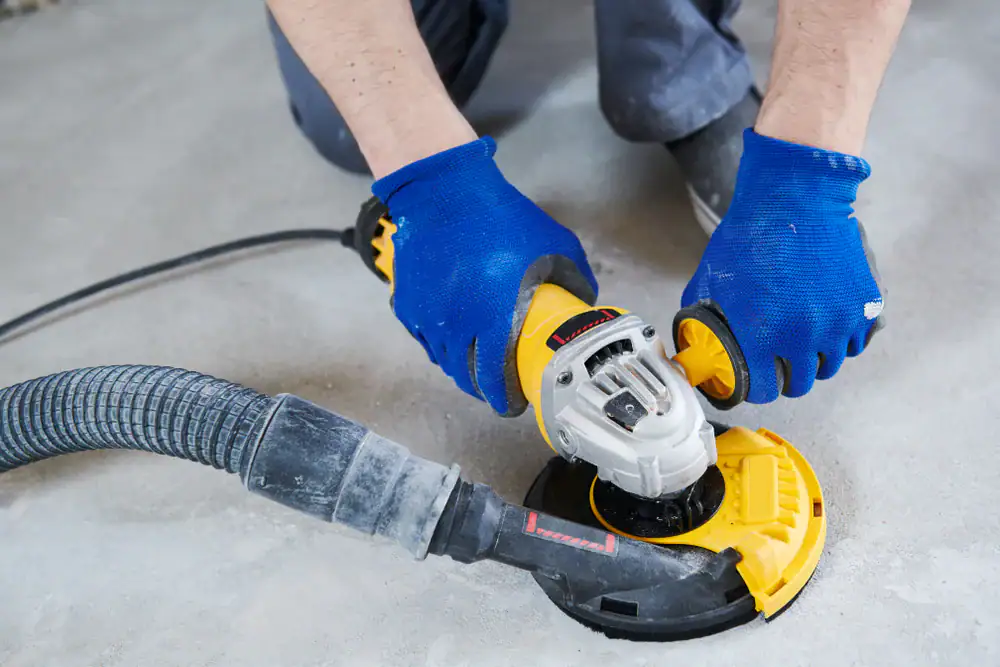
Next comes the actual grinding. We use industrial-grade diamond tooling that removes surface damage, stains, old adhesive, and any pitting. This isn’t just cosmetic—we’re opening up the concrete’s pores so the densifier can penetrate properly. The number of passes depends on your desired finish level and current condition.
Then we apply a liquid densifier that chemically reacts with the concrete. This hardens the surface and fills those microscopic pores we just opened. It’s what makes polished concrete actually durable instead of just shiny. The chemical reaction increases abrasion resistance by up to 400% compared to untreated concrete.
Final polishing brings out the finish you’re after—whether that’s a subtle satin or high-gloss mirror finish. Each level requires different grit sequences and techniques. We’re matching the finish to your actual use case, not just what looks good in photos. A warehouse floor needs different specs than a retail showroom.
Ready to get started?
Concrete Restoration Services for South Florida
You’re getting complete surface preparation, which includes removing existing coatings, adhesives, paint, or sealers that interfere with proper bonding. We handle trip hazard correction when height differences exceed ADA-compliant thresholds—that’s anything over 1/4 inch that creates liability issues.
The grinding process itself removes damaged concrete, exposes aggregate if that’s the look you want, and levels uneven areas. We’re not just smoothing the surface; we’re correcting the problems that caused the damage in the first place. That includes addressing moisture intrusion points that lead to steel corrosion in Florida’s humid climate.
Densification treatment is standard, not an add-on. This is what separates concrete grinding contractors who know what they’re doing from those who just rent equipment. The chemical hardening process is what gives you that 30-plus-year lifespan in commercial settings—triple what you’d get from VCT or other traditional flooring.
In Acacia Villas specifically, we’re dealing with salt air exposure that accelerates concrete scaling. The polished and sealed surface resists that deterioration cycle. You’re also getting stain protection that matters in South Florida—oil, chemicals, and organic material don’t penetrate like they would on untreated concrete. The maintenance cost reduction isn’t marketing speak; it’s the actual result of eliminating stripping, waxing, and recoating cycles that eat up your facilities budget.

How long does polished concrete actually last in Florida’s climate?
Properly executed polished concrete lasts 30-plus years in commercial environments, even with heavy traffic and Florida’s humidity. The densification process chemically alters the surface structure, making it significantly harder than the original pour. That’s not a coating that wears off—it’s a permanent change to the concrete itself.
The key difference in South Florida is addressing moisture and salt air exposure during the process. Untreated concrete in Acacia Villas deteriorates faster because moisture intrusion facilitates steel corrosion inside the slab. When we grind and seal properly, we’re stopping that cycle before it starts eating into the structural integrity.
You’ll see surface wear over decades, sure. But we’re talking about needing a light repolish every 10-15 years, not full replacement. Compare that to VCT or epoxy coatings that need attention every 3-5 years, and the cost difference becomes obvious. The concrete isn’t going anywhere—you’re just maintaining the polished surface, not replacing the entire floor system.
What’s the difference between grinding and polishing concrete floors?
Grinding is the aggressive removal phase—taking off coatings, smoothing uneven areas, removing damage, and opening the concrete’s pores. Polishing is the refinement phase that comes after, using progressively finer diamond grits to achieve your desired finish level and clarity.
Think of grinding as the foundation work. We’re correcting problems and preparing the surface for treatment. That includes eliminating trip hazards, removing old adhesive from previous flooring, and addressing any pitting or scaling. The grinding phase is also when we expose aggregate if you want that look—how deep we grind determines how much stone shows through.
Polishing happens after densification treatment. We’re working through different grit levels—typically 100, 200, 400, and sometimes up to 3000 grit depending on the finish you need. Each pass makes the surface smoother and more reflective. A 400-grit finish gives you a satin look that hides minor imperfections. An 1800-grit finish creates that high-gloss, mirror-like surface you see in retail spaces. The choice depends on your actual use case and maintenance preferences, not just aesthetics.
How much does concrete grinding cost compared to replacing the floor?
Concrete grinding and polishing typically runs $3-8 per square foot depending on existing conditions, desired finish level, and square footage. Full floor replacement starts around $12-15 per square foot and goes up from there—plus you’re dealing with disposal costs, extended downtime, and potential structural issues.
The bigger cost difference shows up over time. Polished concrete reduces annual maintenance expenses by 60-80% compared to VCT, sealed concrete, or epoxy coatings. You’re eliminating the stripping, waxing, and recoating cycles that run thousands of dollars annually in commercial spaces. Over a 10-year period, that maintenance cost reduction often exceeds the initial installation investment.
In Acacia Villas, you’re also avoiding the replacement cycle that comes with Florida’s climate. Traditional flooring materials break down faster here because of humidity and salt air exposure. Polished concrete handles those conditions without deteriorating, which means you’re not budgeting for another replacement in 5-7 years. The upfront cost is higher than basic epoxy, but the total cost of ownership over 20-30 years is significantly lower.
Can you grind concrete that’s already damaged or stained?
Yes, but the extent of damage determines what’s possible. Surface stains, paint, adhesive residue, and minor pitting come out during the grinding process—that’s exactly what the diamond tooling is designed to remove. We’re taking off the damaged layer and exposing fresh concrete underneath.
Deeper structural issues require different approaches. If you’ve got cracks wider than 1/4 inch, significant spalling, or areas where the concrete is delaminating, we need to repair those before grinding. Otherwise, you’re just polishing a floor that’ll fail in the same spots within months. We use epoxy injection for cracks and patch compounds that match the existing slab composition for larger repairs.
Oil stains that have penetrated deep into untreated concrete are trickier. Surface grinding removes what’s accessible, but if oil has soaked six inches into the slab over years of exposure, grinding won’t reach all of it. In those cases, we’re looking at whether the remaining stain is acceptable or if you need a different approach like an overlay system. The honest answer depends on what we find during the initial assessment—some damage is fixable through grinding, some requires additional steps, and some means adjusting expectations about the final appearance.
How soon can we use the floor after concrete grinding?
Light foot traffic is typically fine within 24 hours of completing the final polish. Full operational use—including vehicles, equipment, and heavy loads—depends on whether we applied any sealers or guards that need cure time. Most projects in Acacia Villas are ready for normal use within 48 hours start to finish.
The grinding and polishing process itself doesn’t require extended cure times like poured coatings do. We’re mechanically altering the existing concrete, not applying something that needs to dry or cure. The limiting factor is usually the densifier penetration time, which takes a few hours, and any optional topical sealers you choose to add for extra protection.
If you need faster turnaround, we can work overnight or in phases to keep parts of your facility operational. We’ve handled emergency projects where sections of a warehouse needed to stay functional while we worked on others. The key is planning the sequence so you’re not completely shut down. For residential projects, most homeowners are back to normal use the next day. Commercial spaces with heavy equipment might wait an extra day just to be safe, but you’re not looking at the week-plus downtime that comes with epoxy or overlay systems.
Does polished concrete work for residential homes or just commercial spaces?
Polished concrete works in both settings—the process is the same, but residential applications usually focus on different priorities than commercial ones. In homes around Acacia Villas, you’re typically looking at garages, patios, basements, or open-concept living areas where the industrial aesthetic fits the design.
The practical benefits are identical: easier maintenance, better durability, and resistance to Florida’s humidity and temperature swings. The difference is finish selection and expectations. Residential clients often want higher gloss levels and more decorative options like exposed aggregate or scoring patterns. Commercial clients prioritize durability and maintenance reduction over appearance, though both matter.
Cost-wise, residential projects sometimes run slightly higher per square foot because of smaller total areas and more detailed finish requirements. But you’re still looking at a floor system that outlasts tile, hardwood, or any other residential flooring option by decades. The maintenance routine is simpler—no special cleaners, no refinishing cycles, no grout to scrub. For homeowners who want a modern look with minimal upkeep, polished concrete makes sense. Just know that it’s a permanent decision; you’re not putting something over the concrete that can be removed later. You’re altering the concrete itself, which is the point.
Other Services we provide in Acacia Villas
Leave a Reply