


Concrete Grinding in Atlantis, FL
Floor Prep That Actually Lasts in Florida’s Climate

Hear from Our Customers
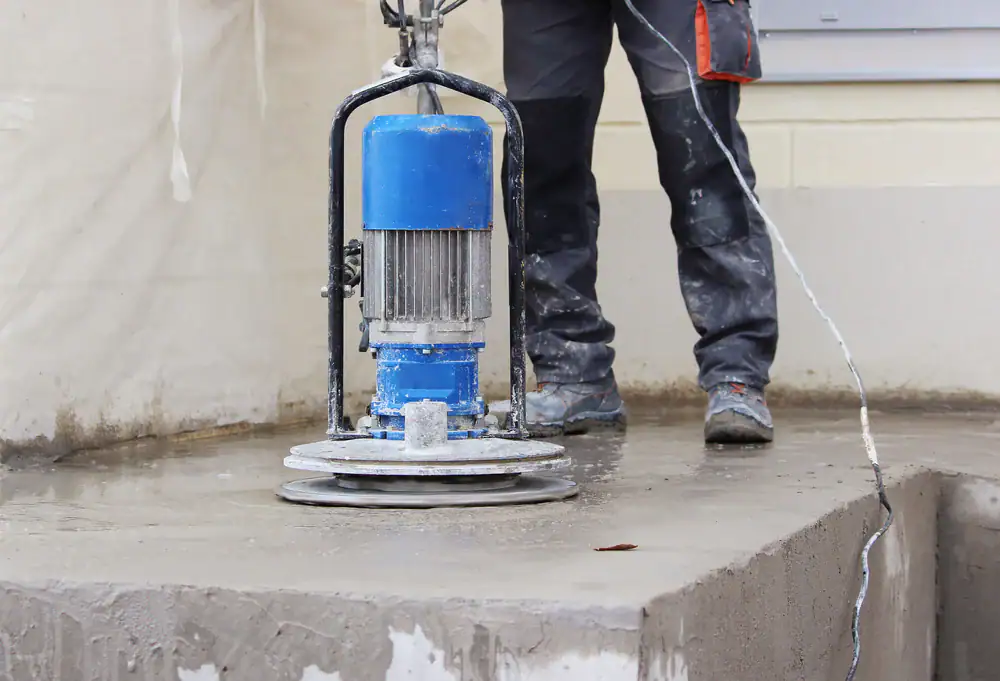
Professional Concrete Grinding Contractors Atlantis
You get floors that hold up. That’s the short version.
The longer version is this: when concrete grinding is done right, your epoxy coatings bond at the molecular level. Your polished concrete doesn’t haze or wear unevenly. Your resurfacing doesn’t lift at the edges after the first rainy season. Proper preparation creates the profile your floor needs to handle Florida’s moisture, temperature swings, and whatever you’re putting on top of it.
Most coating failures don’t happen because of bad products. They happen because the concrete wasn’t prepped correctly. Grinding removes contaminants, opens the pores, and levels the surface so adhesion isn’t a gamble. It’s the difference between a floor that lasts two years and one that lasts twenty.
In Atlantis, where humidity sits above 70% most of the year, that prep work matters even more. Moisture doesn’t take days off here. If your concrete isn’t ground to the right profile and sealed properly, you’re not just risking a bad finish—you’re inviting mold, efflorescence, and expensive repairs.
Concrete Grinding Services Atlantis FL
We’ve been handling concrete floors across South Florida since before most epoxy companies had websites. We’re veteran-owned, which means we show up on time, do what we say, and don’t leave until it’s done right.
We’ve worked with the Coast Guard, the U.S. Army, the City of Doral, and Sunny Isles. We’ve ground floors in high schools, municipal buildings, and warehouses where downtime costs thousands per hour. If a floor can’t fail, they call us.
Atlantis properties deal with the same challenges as the rest of Palm Beach County—heat, humidity, and concrete that acts like a sponge. We’ve spent decades figuring out how to prep floors in this climate so coatings actually stick. That’s not marketing talk. It’s just what happens when you do the same thing correctly for 35 years.
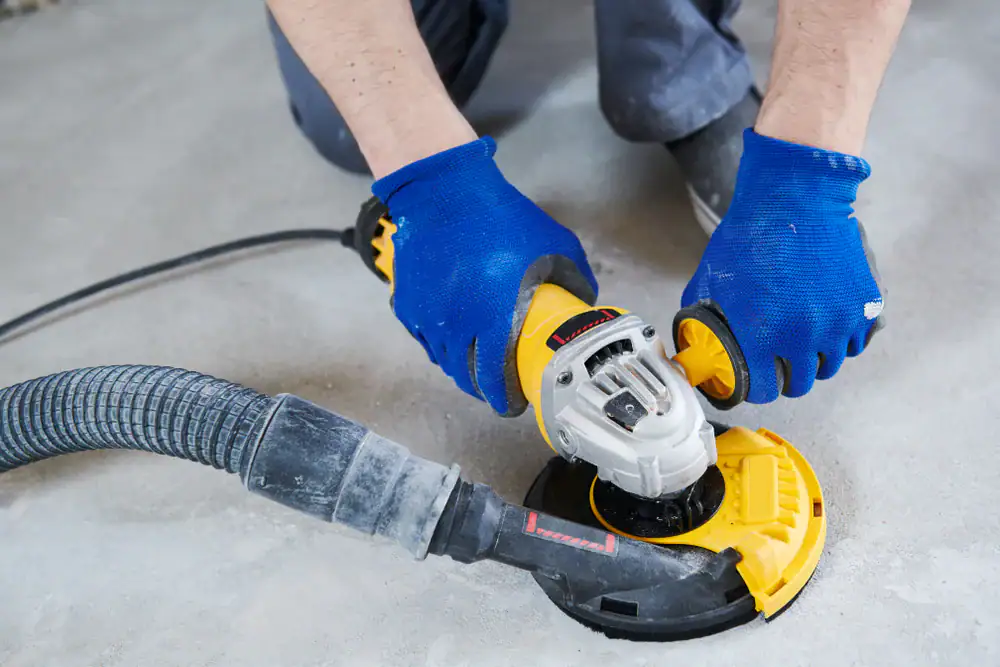
Concrete Floor Grinding Process Atlantis
First, we assess the slab. Not every floor needs the same treatment, and we’re not interested in selling you services you don’t need. We check for moisture issues, existing coatings, cracks, and surface contamination. If there’s a problem, we tell you before we start grinding.
Next comes the actual grinding. We use diamond tooling and shot-blasting equipment depending on what your floor needs. Diamond grinding removes old coatings, smooths high spots, and opens up the concrete pores for adhesion. Shot-blasting is faster and more aggressive when we’re dealing with heavy contamination or need a deeper profile. Both methods are dustless, so you’re not dealing with a mess that takes days to clean.
After grinding, we handle any repairs—filling cracks, leveling low spots, addressing moisture barriers if needed. Then we test the surface profile to make sure it’s within spec for whatever coating or finish you’re applying. If it’s polished concrete, we move through progressive grits until the floor hits the sheen level you want.
The whole process typically takes one to three days depending on square footage and condition. We work fast, but we don’t skip steps. You’ll know the timeline upfront, and we stick to it.
Ready to get started?
Concrete Restoration and Grinding Atlantis
You’re getting a full surface prep, not just a pass with a grinder. That means contaminant removal, profile creation, crack repair, and a final surface that’s ready for whatever comes next—whether that’s epoxy, polyaspartic, polished concrete, or a self-leveling overlay.
We handle moisture testing as part of the process. In Atlantis, this isn’t optional. Coastal humidity and water tables mean concrete here holds moisture longer than it does inland. If we’re sealing or coating your floor and moisture is present, we address it with barriers or vapor mitigation before we move forward. Skipping that step is how coatings fail in six months.
We also handle dustless grinding, which matters more than most people realize. Concrete dust doesn’t just make a mess—it gets into HVAC systems, coats inventory, and creates respiratory issues. Our equipment captures dust at the source, so your space stays clean and safe during the job.
For commercial and industrial clients in Atlantis, we offer rapid turnaround when timelines are tight. We’ve completed emergency kitchen floors in 24 to 48 hours, including grinding, repairs, and coating. If your operation can’t afford extended downtime, we’ll work nights or weekends to keep you running.

How long does concrete grinding take for a typical residential garage in Atlantis?
Most residential garages in Atlantis take one to two days depending on the condition of the concrete and what you’re doing after the grinding. If we’re prepping for an epoxy coating, that includes grinding, crack repair, and final cleaning before the coating goes down the next day.
The timeline changes if there are moisture issues or heavy contamination like oil stains. Those require extra prep, and we’re not going to rush through it just to hit a deadline. A floor that fails in a year because we skipped steps isn’t a floor we’re putting our name on.
If you need a faster turnaround, we can make that happen. We’ve done emergency projects in 24 hours when the situation calls for it. But for most homeowners, two days is realistic and gives us time to do it right without cutting corners.
What’s the difference between diamond grinding and shot-blasting for concrete floors?
Diamond grinding uses rotating discs embedded with industrial diamonds to smooth and profile the concrete. It’s precise, creates a consistent finish, and works well when you need a specific surface profile for epoxy or polished concrete. It’s also quieter and produces less vibration, which matters in occupied buildings.
Shot-blasting fires steel shot at high velocity to remove coatings and contaminants. It’s faster and more aggressive, so we use it for heavily contaminated floors, thick coatings, or when we need a deep profile quickly. It’s louder and creates more impact, but it gets through tough jobs that would take diamond grinding twice as long.
Which one we use depends on your floor and what you’re applying afterward. Sometimes we use both—shot-blasting to strip old coatings, then diamond grinding to refine the profile. We’re not locked into one method. We use whatever gets your floor ready the right way.
Will concrete grinding fix cracks and uneven spots in my Atlantis floor?
Grinding levels high spots and smooths the surface, but it doesn’t fill cracks or low areas. Those get addressed separately as part of the prep process. We’ll grind down ridges and uneven sections so the floor is flat, then we fill cracks with epoxy or polyurea depending on the width and depth.
For larger low spots or damaged sections, we use self-leveling compounds or concrete resurfacing to bring everything flush before we grind the final surface. The goal is a floor that’s level, smooth, and structurally sound before any coating or polish goes down.
In Atlantis, cracks are common because of soil movement and moisture. We see them in almost every slab we work on. The good news is they’re fixable, and once they’re repaired and the floor is ground properly, they don’t come back unless there’s a bigger structural issue. We’ll let you know if we see something that needs more than surface repair.
How do you handle moisture issues during concrete grinding in Florida?
We test for moisture before we start grinding. Florida concrete holds moisture longer than slabs in drier climates, and Atlantis is no exception. If moisture levels are too high, we’ll either address it with a vapor barrier system or recommend waiting until the slab dries out, depending on your timeline and budget.
For most projects, we apply a moisture mitigation primer or epoxy barrier after grinding. This blocks vapor transmission so moisture doesn’t push up through your coating later. If the moisture issue is severe, we’ll use a more aggressive system like a polyaspartic moisture barrier or a topical sealer designed for high-humidity environments.
Ignoring moisture is the number one reason coatings fail in Florida. You’ll see bubbling, peeling, or a hazy finish within months. We’ve been doing this long enough to know that cutting corners on moisture prep costs more in the long run. If there’s a problem, we fix it during the grinding phase, not after your floor fails.
Can you grind and polish concrete in one visit, or does it take multiple trips?
Polished concrete typically takes two to four days depending on the square footage, the condition of the slab, and the level of polish you want. We start with aggressive grinding to remove coatings and level the surface, then move through progressively finer grits to refine the finish. Each grit level requires a separate pass, and we can’t skip steps without compromising the final look.
For most residential and commercial projects in Atlantis, we complete the job in one continuous visit. We don’t start, leave for a week, and come back. We schedule the work so we can move through the process without gaps. That keeps the timeline predictable and avoids issues with dust, traffic, or weather between phases.
If you’re adding a densifier or sealer, that goes on after the final polish and needs cure time before the floor is ready for traffic. We’ll walk you through the timeline upfront so you know exactly when the space will be usable again.
What should I expect to pay for concrete grinding services in Atlantis?
Cost depends on square footage, the condition of your concrete, and what you’re doing after the grinding. A straightforward residential garage prep for epoxy typically runs differently than a commercial warehouse floor with heavy contamination and moisture issues. We don’t use one-size-fits-all pricing because no two floors are identical.
What drives cost up is existing coatings that need removal, extensive crack repair, moisture mitigation, or expedited timelines. If your floor has old epoxy or tile adhesive, that takes longer to grind off. If we’re dealing with high moisture levels, the mitigation systems add to the scope. If you need the job done in 24 hours, we’re pulling overtime to make that happen.
We give you transparent pricing after we assess the floor. No surprises, no upselling. You’ll know what the job costs and why before we start. If you want to work directly with us instead of through a general contractor, that usually saves money because there’s no middleman markup. We prefer it that way—it’s faster, clearer, and you’re talking to the people actually doing the work.
Other Services we provide in Atlantis
Leave a Reply