


Concrete Grinding in Cloud Lake, FL
Level Surfaces That Actually Stay Safe and Smooth
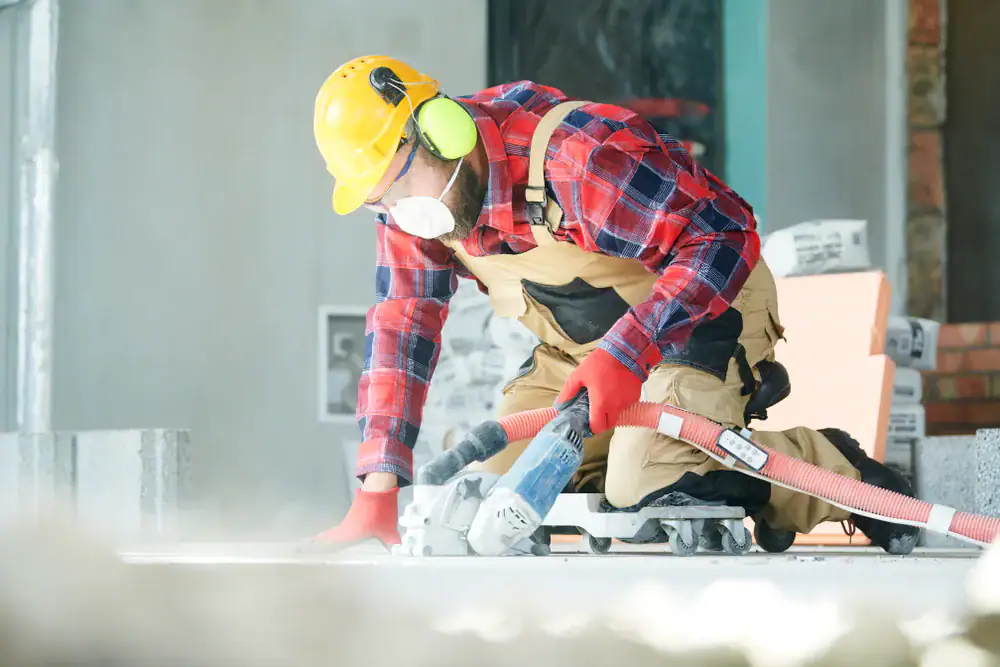
Hear from Our Customers
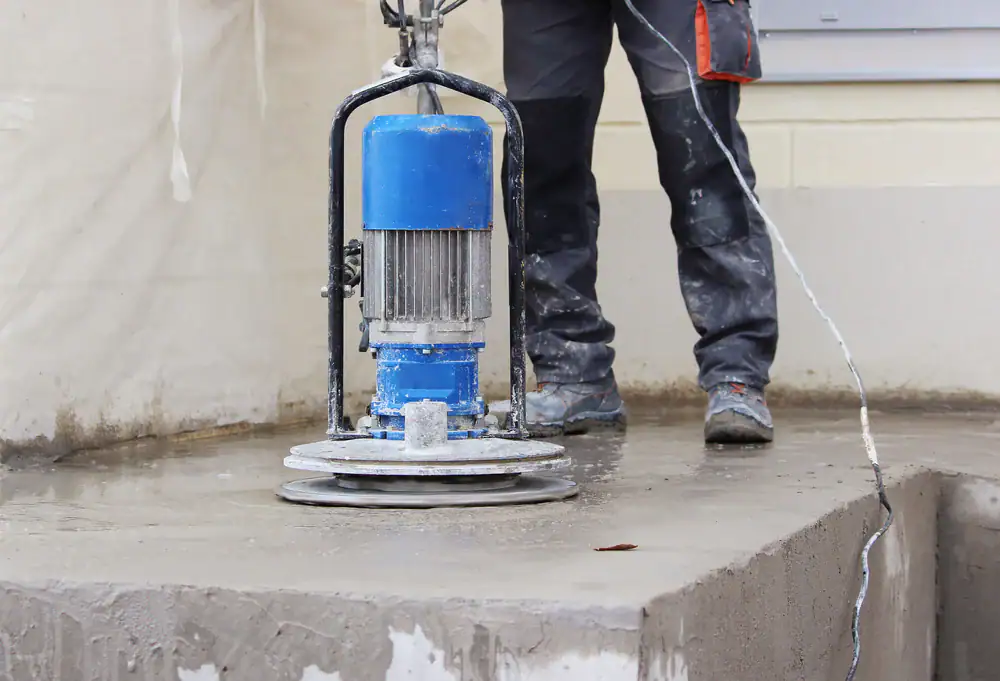
Concrete Floor Grinding Contractors Near You
Uneven concrete doesn’t just look bad. It’s a liability waiting to happen, and if you’re trying to apply epoxy or a sealer over it, that coating’s going to fail before you even finish paying for it.
Concrete grinding levels those surfaces, removes old coatings, opens up the pores for proper adhesion, and eliminates the cracks and lips that cause people to trip. You’re not replacing the slab. You’re correcting it.
The difference between a coating that lasts two years and one that lasts ten usually comes down to what happened before the coating ever touched the floor. If the surface wasn’t prepped right, nothing else matters. Grinding creates the profile your floor needs to hold whatever comes next, whether that’s epoxy, a sealer, or polished concrete. And with dustless equipment, there’s no silica cloud, no cleanup nightmare, and no respiratory risk for anyone on site.
Concrete Grinding Services in Cloud Lake
We’ve been handling concrete grinding and epoxy flooring across Florida since 2020. We work directly with property owners, facility managers, and commercial clients who need the job done right the first time.
We’ve completed projects for the Coast Guard, the U.S. Army, the City of Doral, Sunny Isles, and multiple county facilities. That’s not name-dropping—it’s proof that when the work has to meet strict standards and tight deadlines, we show up and deliver.
Cloud Lake sits in Palm Beach County, where concrete gets beat up fast between humidity, heavy use, and Florida’s weather patterns. We’re familiar with what fails here and what holds up. Everything we do is handled in-house by our full-time crew. No subs. No surprises.
Our Concrete Grinding Process Explained
We start with an on-site evaluation. That means walking the space, checking for cracks, measuring unevenness, and figuring out what profile depth your floor needs based on what’s going on top of it. If it’s epoxy, we’re grinding to a specific texture. If it’s polished concrete, we’re working through multiple grit levels.
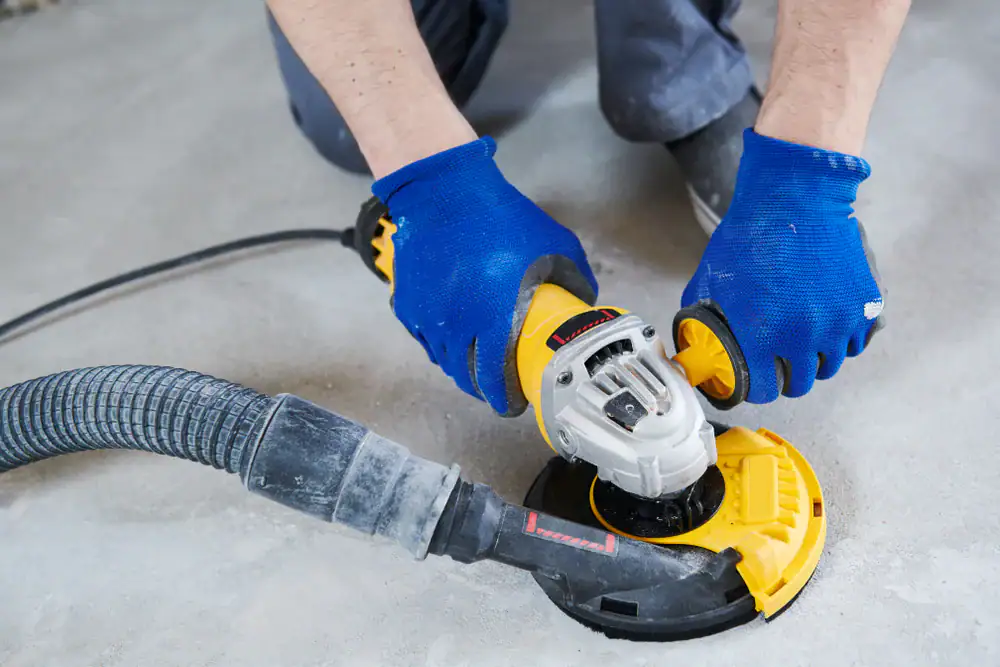
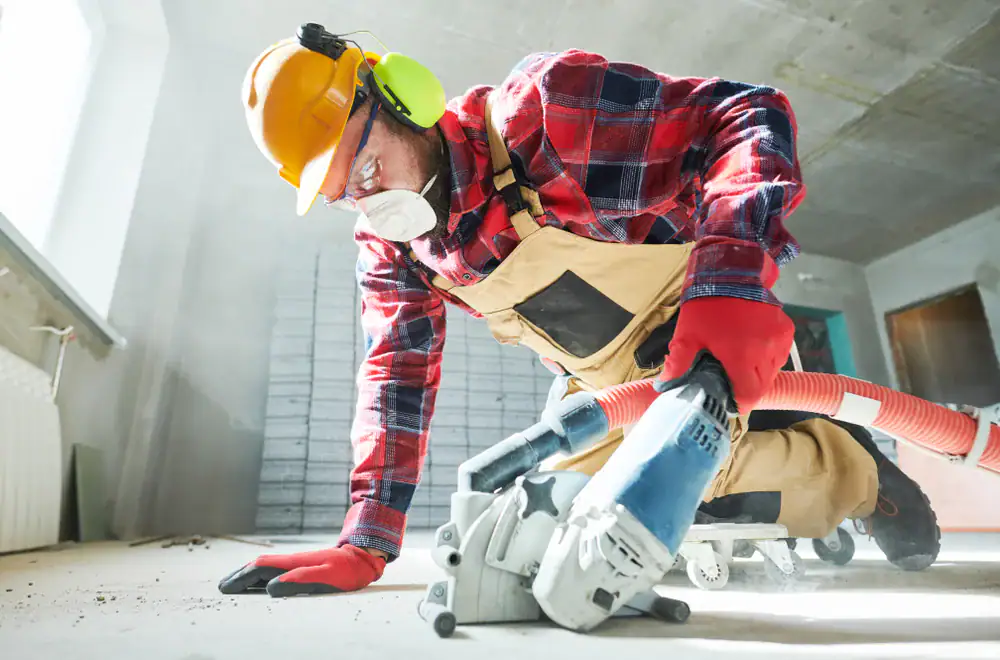
Once we know the scope, we bring in diamond grinding equipment with integrated dust collection. The grinder removes high spots, old coatings, and surface contaminants while the vacuum captures everything before it becomes airborne. The result is a clean, level surface with the right amount of texture for adhesion.
After grinding, we inspect for any remaining imperfections and address them before moving to the next phase—whether that’s coating, polishing, or sealing. If there are cracks or divots, we handle the repair work so the finished floor is uniform. Foot traffic is safe after 12 hours. Equipment and vehicles can roll on after 72 hours, depending on what treatment follows the grind.
Ready to get started?
What’s Included in Concrete Grinding
Concrete grinding isn’t just running a machine across the floor. It’s about creating the right surface for whatever comes next. We use diamond tooling to remove coatings, level uneven joints, eliminate trip hazards, and expose a clean layer of concrete that’s ready to bond.
In Cloud Lake and throughout Palm Beach County, we see a lot of warehouse floors, garage slabs, and commercial spaces that were poured years ago and never maintained. The surface is contaminated with oils, old sealers, or just general grime that prevents new coatings from sticking. Grinding strips all that away and gives you a fresh start.
We also handle shot-blasting and scarifying when the job calls for it. Shot-blasting is more aggressive and works well for thicker coatings or when you need a deeper profile. Scarifying is for heavy texture or when you’re removing multiple layers fast. Every project gets evaluated individually, and we match the method to the result you need—not the other way around.
How much does concrete grinding cost compared to replacing the slab?
Grinding costs a fraction of what you’d pay to tear out and repour concrete. Replacement means demo, hauling debris, repour, cure time, and downtime that can stretch into weeks depending on the size of the space.
Grinding typically runs between $2 and $6 per square foot depending on the condition of the concrete and how much prep is needed. Full replacement can easily hit $8 to $15 per square foot or more once you factor in labor, materials, and disposal. If your slab is structurally sound and just needs leveling or surface correction, grinding makes more sense financially and gets you back up and running faster.
For commercial spaces in Cloud Lake where downtime equals lost revenue, grinding is the faster, smarter move. You’re not shutting down for days while concrete cures. You’re fixing the problem and moving on.
Is concrete grinding really dustless, or is that just marketing?
It’s dustless when done with the right equipment, which is what we use. Our grinders are connected to high-performance vacuums with HEPA filtration that capture the dust at the source before it becomes airborne.
Traditional grinding without dust collection creates a silica cloud that’s not only a health hazard but also a cleanup nightmare. OSHA has strict regulations around respirable crystalline silica because long-term exposure causes serious respiratory issues. Dustless systems eliminate that risk and keep the workspace clean during and after the job.
If someone’s grinding your floor and you’re seeing dust in the air or covering nearby surfaces, they’re not using proper equipment. Real dustless grinding means you can stay operational in adjacent areas without worrying about contamination or air quality. That’s especially important in occupied buildings, food service areas, or anywhere people are working nearby.
How long does concrete grinding take, and when can I use the floor again?
Grinding time depends on square footage and surface condition, but most commercial floors can be ground in one to three days. Residential garages or smaller spaces usually wrap up in a day or less.
Once grinding is complete, the floor is immediately walkable if nothing else is being applied. If we’re following up with a coating or sealer, foot traffic is safe after 12 hours, and you can bring equipment or vehicles back on after 72 hours. That’s significantly faster than waiting for a new concrete pour to cure, which can take a week or more before it’s ready for coatings.
For businesses in Cloud Lake that can’t afford extended shutdowns, that turnaround time matters. We schedule around your operations and work efficiently to minimize disruption. If it’s a high-traffic area, we can section off zones and grind in phases so you’re never completely offline.
Can grinding fix cracks and major damage in concrete?
Grinding levels surfaces and removes coatings, but it doesn’t repair structural cracks or deep damage on its own. However, grinding is often the first step before we address those issues.
Once we grind the surface clean, we can properly assess cracks, spalling, or voids and fill them with the right repair material. That might be epoxy crack filler for narrow cracks, a concrete patch for larger areas, or an overlay system if the damage is widespread. Grinding exposes the full extent of the problem so nothing gets hidden under old coatings or surface debris.
If your floor has minor imperfections—small cracks, surface pitting, or uneven joints—grinding smooths those out and creates a uniform base. For bigger issues, we handle the repair work in-house so the finished surface is level and ready for whatever treatment you’re applying next. The goal is a floor that looks clean and performs reliably, not one that’s just covering up problems.
What’s the difference between grinding and polishing concrete?
Grinding is surface prep. Polishing is a finish. They use similar equipment but serve completely different purposes.
Grinding removes material to level the floor, strip coatings, or create texture for adhesion. It’s aggressive and meant to correct problems or prepare the surface for the next step. Polishing, on the other hand, is a multi-step process that uses progressively finer diamond grits to refine the concrete and bring out a smooth, reflective finish. Polished concrete is the end result—grinding is what happens before you get there.
If you want a shiny, polished concrete floor, we start with grinding to remove any existing coatings and level the surface. Then we move through several polishing stages, each one using a finer grit until the concrete is smooth and reflective. If you just need the floor prepped for epoxy or a sealer, we stop after grinding. It all depends on what you’re trying to achieve and how you’re using the space.
Do I need concrete grinding before applying epoxy or a sealer?
Yes, if you want the coating to last. Epoxy and sealers need a clean, textured surface to bond properly. If the concrete is smooth, contaminated, or coated with old material, the new coating won’t adhere and you’ll see peeling, bubbling, or delamination within months.
Grinding opens up the pores of the concrete and creates the mechanical profile that allows epoxy or sealer to lock in. It also removes oils, dirt, old coatings, and anything else that would interfere with adhesion. Skipping this step is the number one reason coatings fail early, and it’s almost always more expensive to fix a failed coating than it is to prep correctly the first time.
In Florida’s climate, where moisture and humidity are constant factors, proper surface prep is even more critical. Concrete that looks clean on the surface can still have contaminants below that prevent bonding. Grinding ensures you’re starting with a surface that’s truly ready, not just one that looks ready.
Other Services we provide in Cloud Lake
Leave a Reply