


Concrete Grinding in Coral Terrace, FL
Level Floors That Last Without the Dust
Hear from Our Customers
Professional Concrete Grinding Services
Your concrete isn’t just uneven. It’s a liability waiting to happen.
Trip hazards. Coating failures. Dust that gets into everything. These aren’t small problems, and they don’t fix themselves.
Concrete grinding removes the guesswork. It levels out faults, eliminates weak spots, and creates the profile your floor needs for whatever comes next—epoxy, polish, or sealant. When the surface is prepped correctly, coatings bond stronger. Floors last longer. Safety improves.
You’re not paying for equipment time. You’re paying for a floor that performs the way it should—smooth, safe, and ready to handle daily wear without breaking down in six months.
Most concrete grinding projects in Coral Terrace wrap up in three to seven days. That includes prep, grinding, and cleanup. If you need to keep operations running, we can work in sections so your business doesn’t shut down.
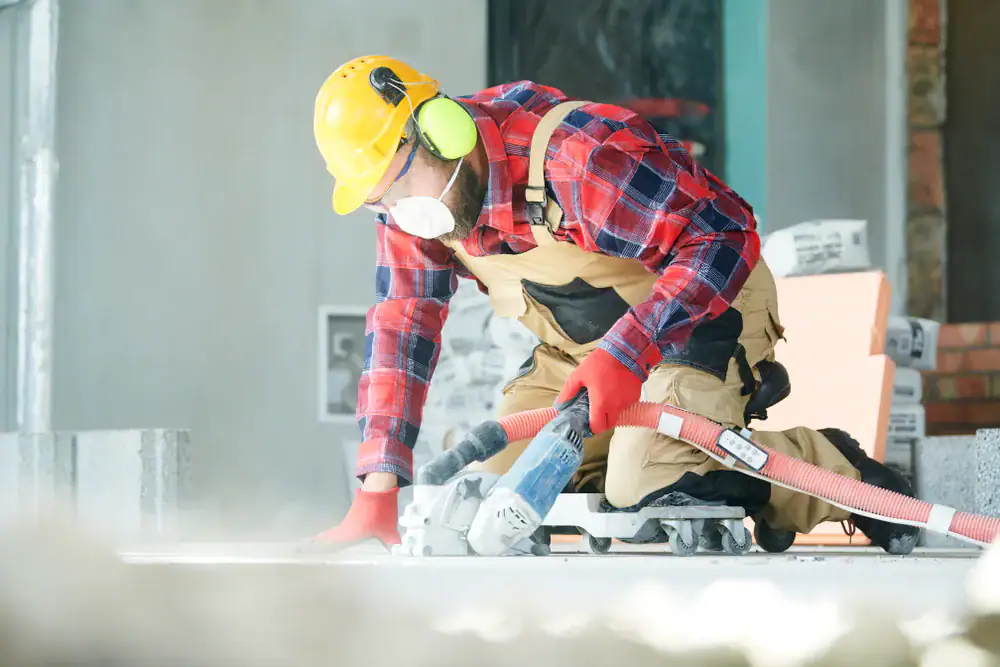
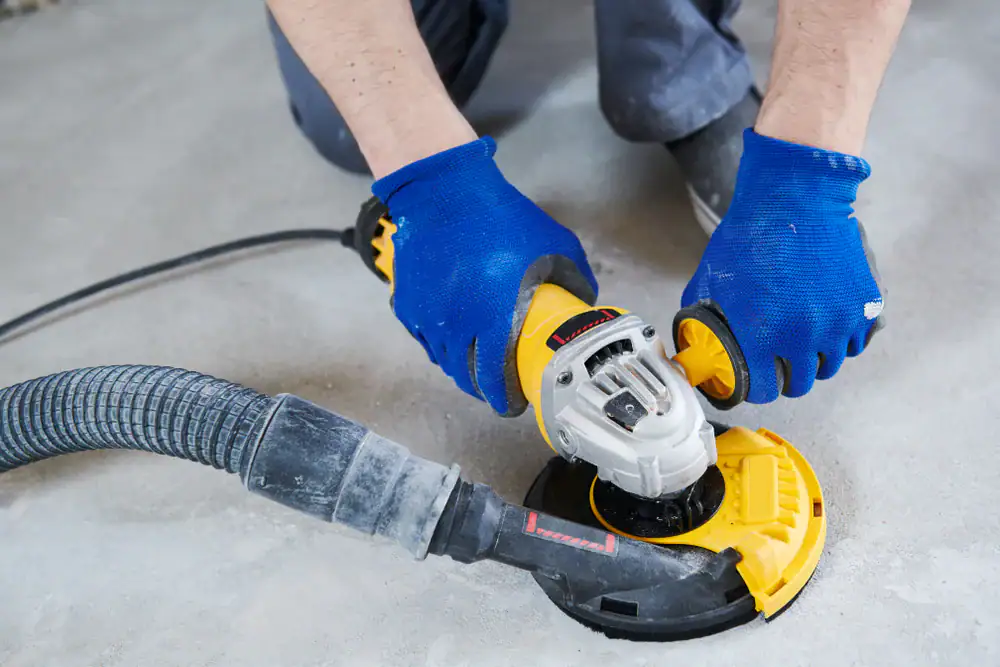
And because we use advanced vacuum systems with HEPA filtration, the dust stays contained. Your air stays clean. Your equipment stays protected. There’s no layer of silica settling on everything you own.
Concrete Grinding Contractors Coral Terrace Trusts
SPF Industrial has held contracts with the U.S. Coast Guard, the U.S. Army, the City of Doral, and the City of Sunny Isles Beach. That’s not luck. That’s proof of consistent quality and reliability.
We’ve been serving Coral Terrace and the surrounding Miami-Dade area since 2020, focused entirely on epoxy, resin, and concrete surface work. No side hustles. No tile installs or wood flooring. Just concrete restoration services done the right way.
South Florida’s humidity changes how concrete behaves. Moisture levels affect curing times, adhesion, and long-term durability. We account for that in every job because we work here year-round. We know what fails and why.
You’ll talk directly with us—no middleman, no runaround. We give transparent pricing, walk the site with you, and explain what needs to happen before we start. If something doesn’t make sense, we’ll tell you.
How Concrete Floor Grinding Works
First, we assess the slab. We’re looking at the existing condition—cracks, pits, unevenness, contamination. Not every floor needs the same approach, so we don’t treat them all the same.
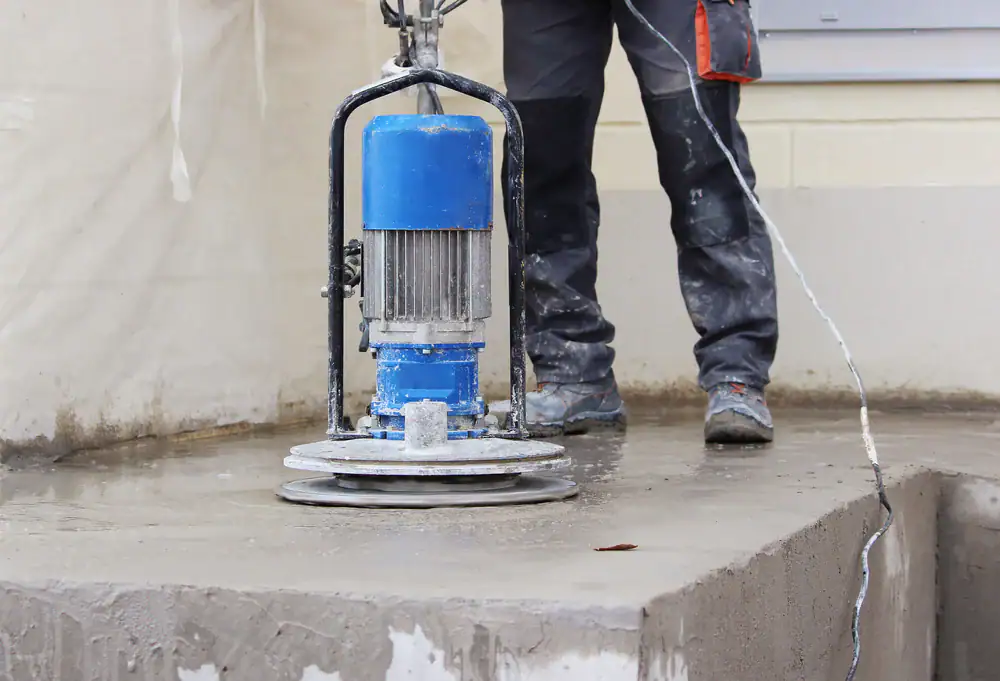
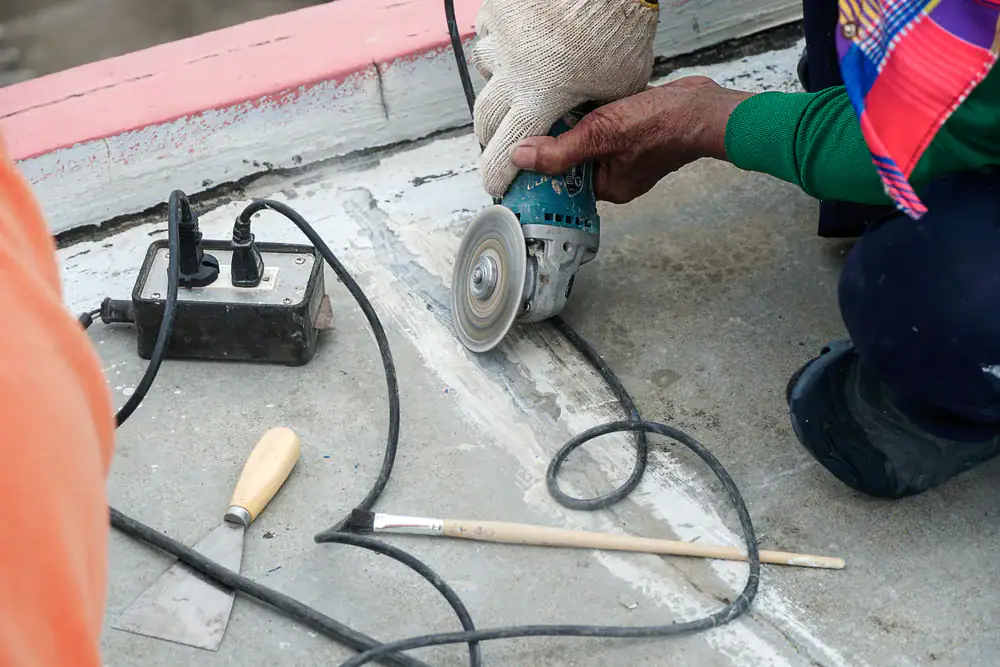
Next comes surface prep. Depending on what we find, that might mean shot-blasting, scarifying, or diamond grinding to remove old coatings, smooth out high spots, and open up the concrete profile. This step determines how well anything you put on top will hold.
We use commercial-grade diamond grinding equipment—the kind most concrete grinding contractors don’t have access to. It’s not louder or messier. It’s more precise. And because it’s paired with industrial dust collection systems, the job stays clean.
Once the surface is level and prepped, we handle any repairs—filling cracks, patching divots, addressing weak areas that would cause problems later. Then we clean everything down to remove residual dust and debris.
If you’re applying a coating or sealer after, the floor is ready. If you’re going for a polished finish, we move into the polishing stages using progressively finer grits until we hit your target gloss level—whether that’s a matte 30 or a high-gloss 70+.
The timeline depends on square footage and complexity, but most projects in Coral Terrace finish within a week. You’ll know the schedule upfront, and we stick to it.
Ready to get started?
What’s Included in Concrete Grinding
Concrete grinding isn’t just running a machine across the floor. It’s surface correction, contamination removal, and profile creation—all done to spec so the next step doesn’t fail.
You get diamond grinding with dustless extraction, which means the air quality in your facility stays intact. In Coral Terrace’s commercial and industrial spaces, that matters. Dust doesn’t just create a mess—it’s a health hazard and an operational problem.
We also handle crack repair, joint filling, and minor concrete restoration as part of the process. If there’s a structural issue we can’t fix with grinding alone, we’ll tell you before we start, not after you’ve paid.
The equipment we use is commercial-grade, sourced from manufacturers like Laticrete and Koster USA. These aren’t consumer products. They’re built for high-traffic environments and designed to last under serious use.
Coral Terrace sits in Miami-Dade County, where humidity regularly sits above 70%. That affects how concrete cures, how coatings adhere, and how long your floor holds up. We adjust our process for Florida’s climate because we’ve seen what happens when contractors don’t.
You’ll also get a consultation before we start and a follow-up after we’re done. No surprises. No upselling mid-job. Just clear communication about what your floor needs and what it’ll cost.

How long does concrete grinding take for a commercial space?
Most commercial concrete grinding projects in Coral Terrace take between three and seven days, depending on square footage and the condition of the slab. That includes surface prep, grinding, repairs, and cleanup.
If your facility can’t shut down completely, we can work in sections. You keep operating in one area while we handle another. It takes a bit longer overall, but it keeps your business running.
The timeline also depends on what’s happening after the grinding. If you’re applying an epoxy coating, we factor in cure times. If you’re going straight to polished concrete, we move through the polishing stages in the same visit. Either way, you’ll have a clear schedule before we start, and we don’t drag jobs out.
Is concrete grinding really dustless, or is that just marketing?
It’s not completely dustless—nothing is—but it’s as close as you’ll get with current technology. We use industrial vacuum systems with HEPA filtration that capture 99% of airborne silica dust during the grinding process.
That means you’re not dealing with a layer of concrete dust settling on your equipment, your inventory, or your HVAC system. It also means your team isn’t breathing in silica, which is a legitimate health risk over time.
Some contractors skip the dust extraction equipment because it’s expensive and slows them down slightly. We don’t. The cleanup is faster, the air quality stays safe, and you’re not dealing with dust problems for weeks after we leave. If a contractor tells you they can grind concrete without dust control in South Florida’s humidity, they’re either lying or they don’t care about your space.
What’s the difference between concrete grinding and polishing?
Grinding is the prep work. Polishing is the finish. You can’t skip grinding and go straight to polishing—it doesn’t work that way.
Concrete grinding removes surface imperfections, old coatings, and contaminants. It also opens up the concrete’s pores so coatings can bond properly. Think of it as leveling and cleaning the canvas before you paint.
Polishing comes after. It uses finer and finer diamond grits to smooth and densify the concrete, creating a glossy, durable finish. The more polishing stages you go through, the higher the shine. A matte finish might stop at 30 gloss units. A high-gloss floor can hit 70 or higher.
If you’re applying epoxy or a sealer, you stop after grinding. If you want polished concrete as the final surface, grinding is step one and polishing is step two. Both require the right equipment and experience, and most concrete floor grinding contractors in Coral Terrace don’t do both well.
Can you grind concrete in high-humidity areas like South Florida?
Yes, but it requires adjustments that a lot of out-of-state contractors miss. South Florida’s humidity sits above 70% most of the year, and that affects how concrete behaves during and after grinding.
Moisture in the slab can interfere with coating adhesion if it’s not addressed. We test moisture levels before we start and use sealers or moisture barriers when needed. We also adjust curing times based on current conditions, not just manufacturer recommendations.
Concrete grinding itself isn’t affected by humidity the way coatings are, but what happens after grinding is. If you apply epoxy or a sealer too soon, or without accounting for moisture, it can delaminate or bubble within months. That’s not a product failure—it’s a process failure.
We’ve worked in Coral Terrace and across Miami-Dade long enough to know what works here. Humidity isn’t a dealbreaker. It’s just a variable you plan for if you know what you’re doing.
How much does concrete grinding cost in Coral Terrace?
Concrete grinding typically runs between $2 and $6 per square foot in Coral Terrace, depending on the condition of the slab, the level of prep required, and what’s happening after the grinding. That’s for commercial and industrial projects—residential jobs can vary.
If your floor has heavy coatings, deep cracks, or significant unevenness, it’ll cost more because it takes more time and materials to get it right. If it’s a straightforward surface prep for epoxy, you’re on the lower end of that range.
We don’t give estimates over the phone because every slab is different. We’ll walk the site, measure the space, assess the condition, and give you transparent pricing before we start. No surprises, no change orders unless you ask for additional work.
Some contractors lowball the estimate to get the job, then hit you with upcharges once they’re halfway through. We don’t operate that way. You’ll know what it costs upfront, and that’s what you’ll pay.
Do I need concrete grinding before applying epoxy or a sealer?
Yes. If you skip it, your coating will fail. Maybe not immediately, but it will.
Epoxy and sealers need a clean, profiled surface to bond properly. If the concrete is smooth, contaminated, or coated with old material, there’s nothing for the new coating to grip. It’ll peel, bubble, or delaminate under traffic.
Concrete grinding removes contaminants, opens up the surface profile, and creates the mechanical bond your coating needs. It’s not optional—it’s the difference between a floor that lasts ten years and one that fails in six months.
Some contractors will try to get away with acid etching or light sanding to save time. That works on residential garage floors with light use. It doesn’t work in commercial or industrial environments where the floor takes real abuse.
If someone tells you grinding isn’t necessary before epoxy, they’re either inexperienced or cutting corners. Either way, you’ll pay for it later when the coating fails and you’re starting over.
Other Services we provide in Coral Terrace
Leave a Reply