


Concrete Grinding in Fairgreen Crossings, FL
Floors That Work as Hard as You Do
Hear from Our Customers
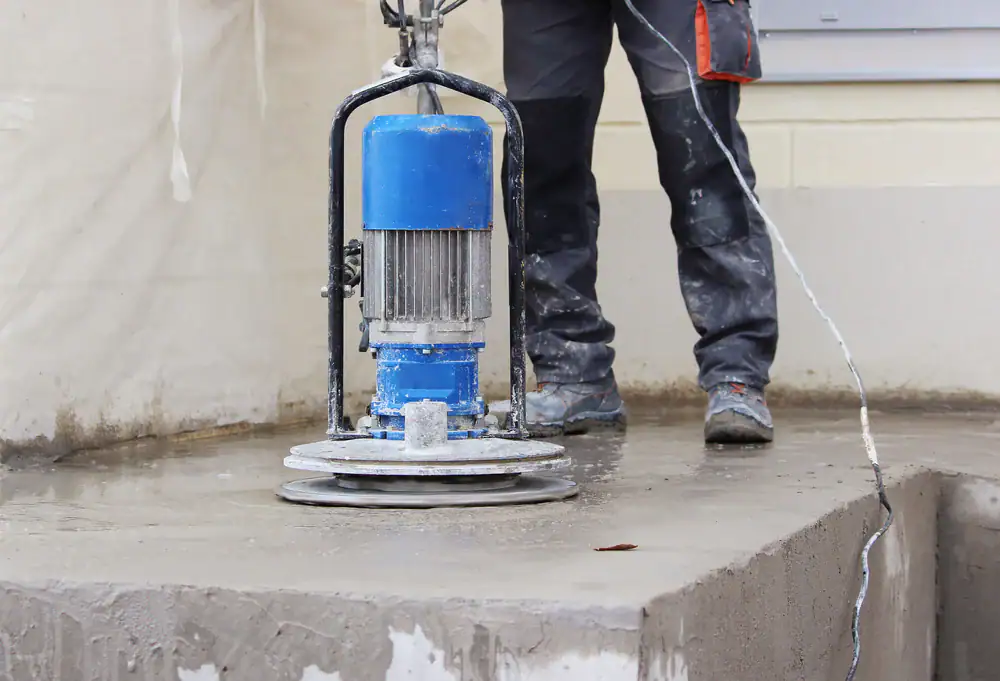
Concrete Grinding Services in Fairgreen Crossings
You’re looking at floors that stop being a problem. Concrete grinding transforms porous, dusty surfaces into hardened, sealed floors that resist oil, chemicals, and the daily beating of heavy traffic.
In Fairgreen Crossings and across Port St. Lucie, Florida’s humidity is relentless. Moisture doesn’t just sit on your concrete—it moves through it. That’s why polished concrete works here when coatings fail. The grinding process densifies your concrete while still allowing it to breathe, preventing the trapped moisture that causes bubbling, peeling, and cracking within months.
Your maintenance routine changes completely. No more daily dust cleanup or stains soaking into porous concrete. Most facilities switch to sweeping and occasional mopping—that’s it. The reflective finish can cut your lighting costs by up to 30%, and the surface stays consistent year-round despite South Florida’s temperature swings and salt air.
These aren’t temporary fixes. Properly ground and polished concrete maintains structural integrity for 30+ years in commercial settings. You’re done dealing with surfaces that look worn when the rest of your property is professional.
Concrete Floor Grinding Contractors Fairgreen Crossings
SPF Industrial is veteran-owned and has been serving Florida since 2020. We’ve handled concrete grinding and epoxy flooring for the U.S. Military, Coast Guard, City of Doral, City of Sunny Isles, and multiple county facilities and high schools. When government agencies need floors that can’t fail, they call us.
We work directly with property owners and managers in Fairgreen Crossings, not through layers of subcontractors. Everything is done in-house with our full-time crew. You get one point of contact, transparent pricing, and a team that shows up when we say we will.
Port St. Lucie’s residential and commercial properties face unique challenges—high humidity, salt air, and concrete that’s constantly exposed to moisture vapor transmission. We’ve spent years learning how concrete behaves in this climate, and we only use commercial-grade materials from manufacturers like Laticrete, Koster USA, and Flowcrete that can handle it.
Concrete Grinding Process Fairgreen Crossings
We start with a consultation at your property. You show us the floor, we assess the concrete’s condition, and we discuss what you actually need—not what we want to sell you. If grinding isn’t the right solution, we’ll tell you.
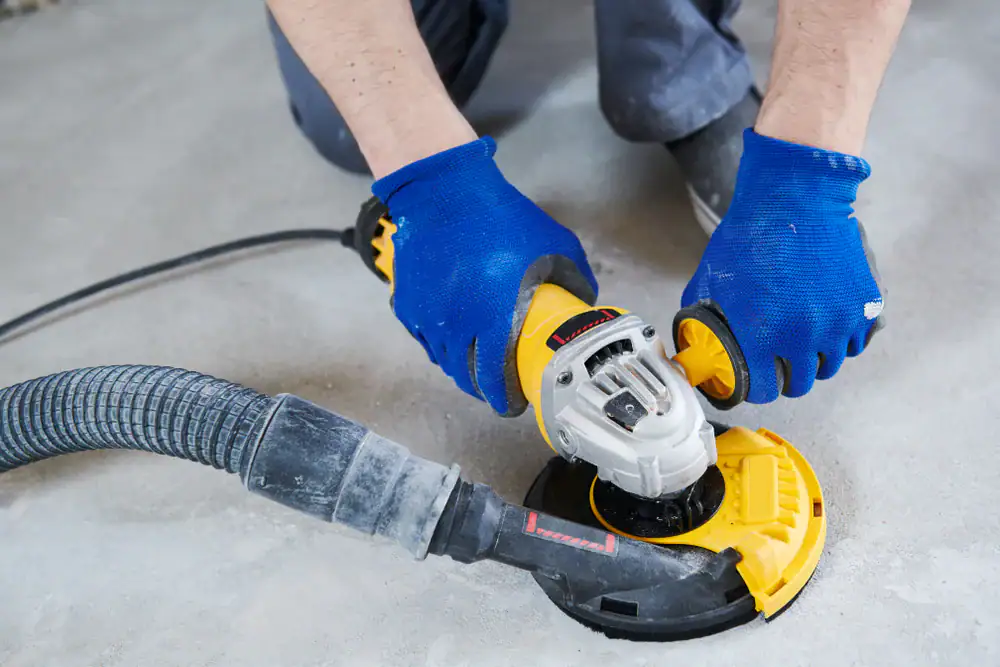
Once we start, the first step is surface preparation. We use diamond grinding, shot-blasting, or scarifying depending on your concrete’s current state. This removes any existing coatings, adhesives, or damaged surface material and opens up the concrete’s pores so the densifier can penetrate properly.
Next comes the actual grinding process. We work through progressively finer diamond grits—usually starting around 30 or 50 grit and working up to 400, 800, or higher depending on the finish you want. Each pass makes the surface harder and smoother. We apply a chemical densifier during this process that reacts with the concrete to create a crystalline structure within the surface. That’s what makes it significantly harder than the original concrete.
Most projects allow you to resume normal operations within 24-48 hours. Larger commercial jobs typically take 1-3 days for polishing, and we can work in phases if you need to maintain access to certain areas. You’re not shut down for weeks.
Ready to get started?
Polished Concrete Contractors Fairgreen Crossings
You get complete surface preparation—we handle repairs to cracks, spalls, and uneven areas before we start grinding. If your concrete has imperfections, we fix them. The goal is a uniform surface that performs consistently across the entire floor.
The grinding itself includes multiple passes with industrial diamond tooling, densifier application, and your choice of finish. Matte finishes work well in areas where you need slip resistance. High-gloss finishes maximize light reflectivity and give you that polished showroom look. We’ll walk you through the options based on your space and how it’s used.
In Fairgreen Crossings, where properties range from residential garages to commercial warehouses, we adjust our approach based on the space. Residential projects often focus on aesthetic improvements and easier maintenance. Commercial and industrial clients usually prioritize durability, chemical resistance, and long-term cost savings. Both get the same attention to detail.
We document everything—what was done, what materials were used, and what performance characteristics you can expect. You’re not guessing about what you paid for. And if something doesn’t meet the standard we promised, we come back and make it right. Our warranties are longer and broader than most concrete grinding contractors in South Florida because we’re confident in the work.

How long does concrete grinding take for a typical commercial space?
Most commercial concrete grinding projects in Fairgreen Crossings take 1-3 days for completion, depending on square footage and the condition of your existing concrete. A 5,000 square foot warehouse with relatively clean concrete might be done in a day and a half. A 20,000 square foot facility with old coatings that need removal could take three full days.
The timeline breaks down like this: surface preparation and initial grinding usually take about 40-50% of the project time. The remaining passes with finer grits and the final polishing make up the rest. We can work in sections if you need to keep parts of your facility operational during the process.
You can typically resume light traffic within 24 hours and full operations within 48 hours. The concrete is walkable much sooner, but we recommend waiting for the densifier to fully cure before putting heavy equipment or forklifts back on it. We’ll give you a specific timeline during the consultation based on your floor’s condition and your operational needs.
Will concrete grinding fix cracks and uneven areas in my floor?
Grinding levels out minor surface irregularities and lippage between concrete slabs, but it doesn’t repair structural cracks or major damage on its own. If your floor has cracks, spalling, or significant unevenness, we address those issues before we start grinding.
We use commercial-grade repair mortars and leveling compounds to fill cracks and rebuild damaged areas. Once those repairs cure, we grind the entire surface so the repaired sections blend seamlessly with the original concrete. You end up with a uniform floor that doesn’t have trip hazards or weak spots.
In Fairgreen Crossings and Port St. Lucie, we see a lot of concrete with minor cracking from settling or temperature fluctuations. Most of this is repairable and won’t affect the long-term performance of your polished floor. During the initial consultation, we’ll assess your concrete and tell you exactly what needs repair and what can be ground out. If the damage is too extensive for grinding to be cost-effective, we’ll recommend alternative solutions like resurfacing or overlayments.
Does polished concrete hold up in Florida’s humidity and climate?
Polished concrete performs better in Florida’s climate than almost any other flooring option. The grinding and densification process creates a hardened surface that isn’t affected by humidity, temperature fluctuations, or salt air. Unlike coatings or sealers that sit on top of concrete and can trap moisture underneath, polished concrete allows the slab to breathe naturally.
Florida concrete deals with constant moisture vapor transmission—water moving up through the slab from the ground. Most coatings have strict moisture limits and will fail if your concrete exceeds them. Polished concrete doesn’t have that limitation. The surface is sealed through densification, but the concrete can still release moisture vapor without causing delamination or bubbling.
We’ve polished floors across South Florida that have been in place for over a decade without issues. The surface doesn’t break down from humidity, and it doesn’t require reapplication like epoxy or urethane coatings do. In Fairgreen Crossings, where summer humidity regularly hits 80-90%, that’s a significant advantage. Your floor stays consistent year-round, and you’re not dealing with seasonal maintenance problems or coating failures every few years.
What’s the difference between concrete grinding and epoxy coatings?
Concrete grinding creates a finished surface by transforming the concrete itself. Epoxy coatings add a layer on top of the concrete. Both have their place, but they solve different problems and perform differently over time.
Grinding is permanent. Once the concrete is densified and polished, that’s the surface. It won’t peel, chip, or delaminate because there’s no coating to fail. Maintenance is minimal—sweeping and occasional mopping. The downside is you’re limited to the natural color of your concrete unless you add dye during the process.
Epoxy coatings offer more color and design options, and they can provide specific chemical resistances that polished concrete doesn’t have. But they require proper surface preparation, they have moisture limitations, and they’ll eventually need recoating. In high-traffic areas, epoxy can wear through in 5-10 years depending on use. Polished concrete typically lasts 30+ years in the same conditions.
For many commercial and industrial clients in Fairgreen Crossings, we recommend polished concrete for main floors and high-traffic areas, and epoxy for spaces that need specific chemical resistance or decorative finishes. We install both, so we’re not pushing one over the other—we’re recommending what actually makes sense for your space and budget.
How much does concrete grinding cost compared to other flooring options?
Concrete grinding typically costs $3-$8 per square foot for most commercial applications in Fairgreen Crossings, depending on the existing condition of your concrete and the level of finish you want. That’s often less than installing tile, and it’s competitive with mid-grade epoxy systems when you factor in longevity.
The real cost difference shows up over time. Polished concrete reduces annual maintenance costs by 60-80% compared to untreated concrete or coatings that need regular reapplication. You’re not paying for stripping and recoating every 5-7 years. You’re not replacing tile that cracks or grout that breaks down. The floor you install now is the same floor you’ll have in 20 years.
Energy savings add up too. The reflective finish can cut lighting costs by up to 30% in commercial spaces—that’s real money back every month on your utility bill. For a 10,000 square foot warehouse in Port St. Lucie, that could mean $200-$400 per month in savings depending on your current lighting setup.
We provide transparent pricing during the consultation. You’ll know exactly what the project costs before we start, and we’ll break down what you’re paying for so you can make an informed decision. We’re not the cheapest option in South Florida, but you’re paying for floors that last and a crew that shows up and does the job right the first time.
Can you grind and polish residential garage floors or driveways?
Yes. We handle residential concrete grinding for garages, basements, patios, and driveways throughout Fairgreen Crossings. The process is the same as commercial work—we just scale it to fit residential spaces and timelines.
Garage floors are one of the most common residential requests. Homeowners want to eliminate concrete dust, make the space easier to clean, and improve the appearance. Polished concrete does all three. You end up with a floor that looks clean and modern, resists oil stains, and doesn’t require constant sweeping to keep dust down.
Driveways are trickier because they’re exposed to UV, rain, and vehicle traffic. We can grind and polish driveways, but we typically recommend a lower level of polish than indoor floors to maintain slip resistance when wet. The surface is still significantly harder and more durable than untreated concrete, but it won’t have the high-gloss finish you’d see inside.
Most residential projects take 1-2 days. We work around your schedule, and we keep the workspace clean. You’re not dealing with a construction zone for weeks. We show up, do the work, and leave you with a finished floor that’s ready to use within 24-48 hours.
Other Services we provide in Fairgreen Crossings
Leave a Reply