


Concrete Grinding in Gatlin Pines, FL
Smooth, Safe Floors Without the Dust or Downtime
Hear from Our Customers
Concrete Grinding Services Gatlin Pines
You’re looking at a floor that’s finally level. No more trip hazards where slabs have shifted. No raised bumps that’ll show through your epoxy coating later. No dust cloud that shuts down your facility for days.
Concrete grinding removes the problems—pitting, stains, old adhesive, uneven joints—without tearing out the entire slab. That’s the difference between a $3,000 fix and a $15,000 replacement.
When the job’s done right, you’ve got a surface that’s prepped for whatever comes next. Epoxy. Polishing. Sealer. Or just leaving it as-is because it’s smooth, clean, and safe. The floor works for you instead of against you.
Concrete Floor Grinding Contractors Gatlin Pines
We handle concrete grinding for commercial warehouses, retail spaces, and residential garages across Gatlin Pines and the broader Florida market. We’re veteran-owned, and we don’t use subcontractors—every grinder on your floor is one of our full-time employees.
We’ve worked with the Coast Guard, US Army facilities, City of Doral, and Sunny Isles projects. Government work means we show up on time, we do it right, and there’s no room for shortcuts.
That same standard applies whether you’re a facility manager dealing with 50,000 square feet or a homeowner with a 400-square-foot garage. Your timeline matters. Your air quality matters. And you shouldn’t have to call us back to fix what we should’ve handled the first time.
How Concrete Grinding Works in Gatlin Pines
First, we assess the slab. We’re looking at the high spots, the cracks, any previous coatings or adhesive that needs to come off. That tells us which diamond grit to start with and how many passes the floor needs.
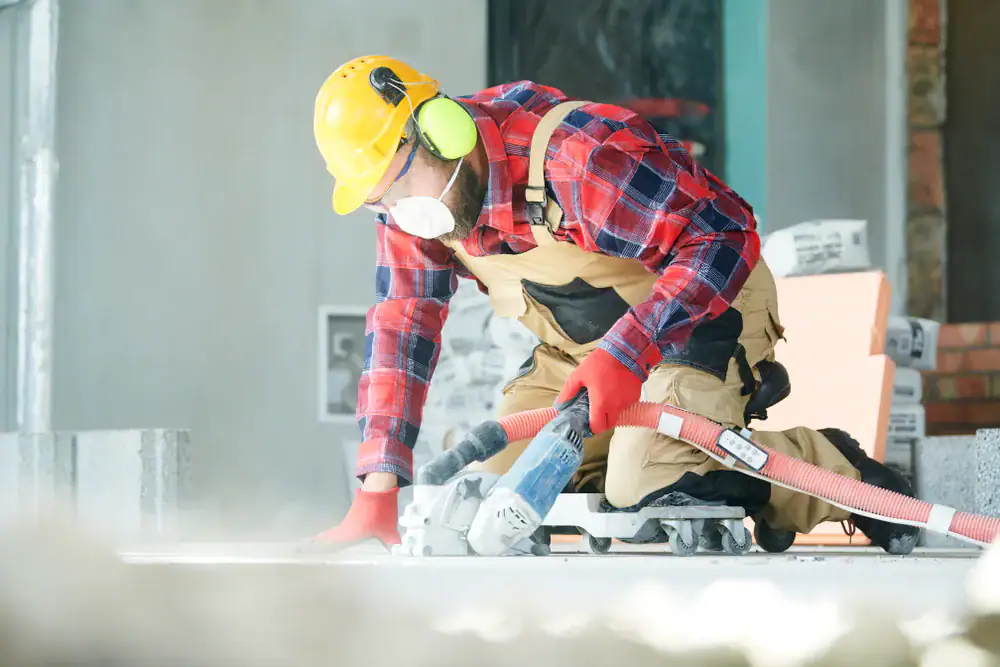
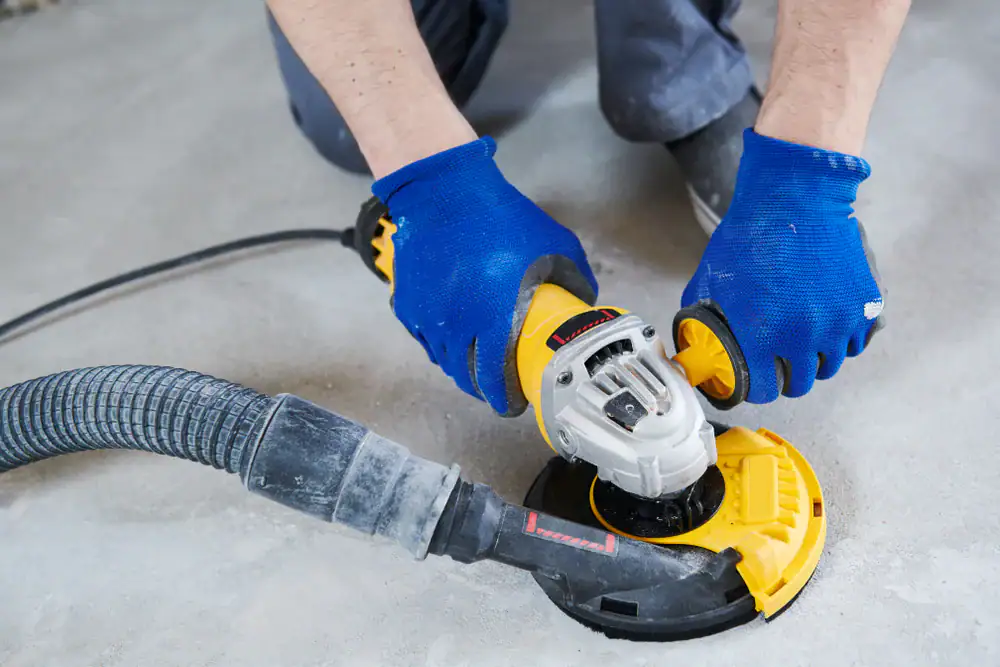
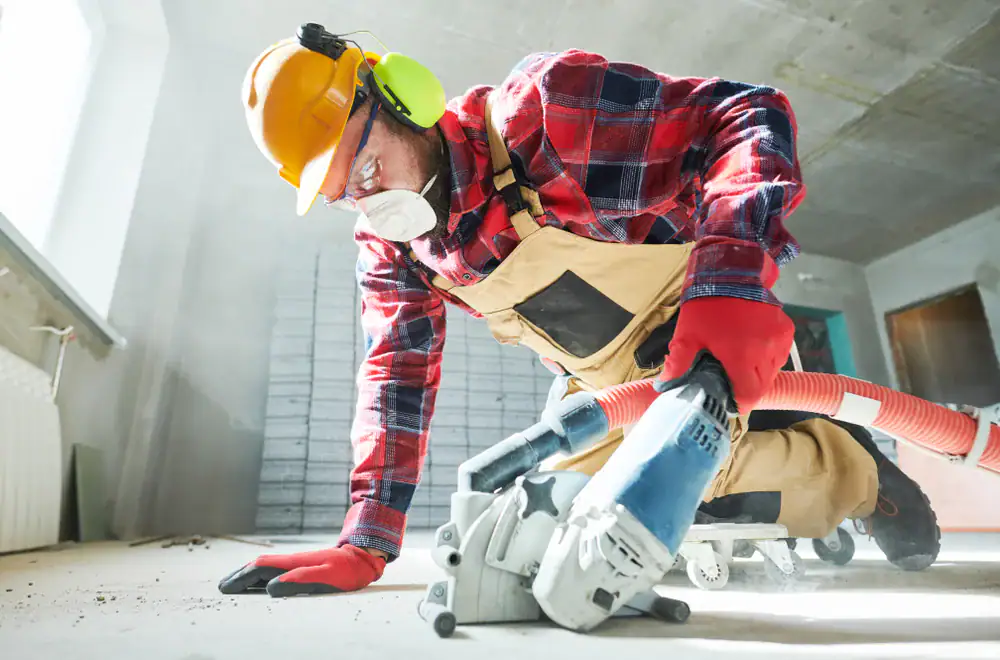
Then we grind. We use industrial grinders equipped with diamond abrasive bits and connect them to HEPA-filtered vacuums. The vacuum pulls dust at the source, so you’re not dealing with a cloud of silica floating through your building. Most jobs need multiple passes with progressively finer grits to get the surface smooth and level.
Once grinding’s done, we clean the surface and check it. If you’re getting epoxy or a coating applied after, the concrete needs to be within tolerance—no peaks, no valleys. If it’s a polishing job, we move into the finer grits that bring out the shine. Either way, you’re left with a surface that’s ready for the next step or ready to use as-is.
Ready to get started?
Concrete Restoration Services Gatlin Pines FL
You’re getting dustless grinding using commercial-grade equipment and HEPA filtration. That’s non-negotiable. If you’re running a facility that can’t afford dust contamination—food production, pharmaceuticals, occupied office space—this is the only way to do it safely.
We handle surface prep for epoxy coatings, polished concrete, and resurfacing projects. That means removing old adhesive, leveling uneven joints, grinding down high spots, and eliminating surface contaminants like oil stains or previous sealers that’ll cause adhesion failure.
Florida’s concrete market is massive—second only to Texas and California in cement consumption. That means a lot of slabs, a lot of wear, and a lot of property owners in Gatlin Pines dealing with aging floors that need restoration, not replacement. Grinding is faster and cheaper than demo and repour, especially when you’re working around active operations. We can turn around smaller projects in 24 to 48 hours if you need it done fast.
How much dust does concrete grinding create, and can you really control it?
Standard concrete grinding creates a massive amount of dust. Silica dust, specifically, which is a respiratory hazard and a contamination nightmare if you’re in food service, medical, or any regulated industry.
We use dustless grinding systems—grinders connected to high-performance vacuums with HEPA filters. The vacuum captures dust right at the point of contact, so it never becomes airborne. You’ll see a little residue, but nothing like traditional grinding where the entire room turns into a dust storm.
This matters more than people realize. If your facility is occupied during the work, or if you’re in a residential setting where family members or pets are nearby, dust control isn’t optional. It’s the difference between safe work and a health code violation.
Can grinding fix uneven concrete, or do I need to replace the slab?
Grinding can fix a lot of unevenness—lippage between tiles that were removed, settled sections, minor faulting where slabs have shifted. We use diamond grinding to level those high spots and smooth out the surface so it’s within tolerance for coatings or safe for foot traffic.
What grinding can’t fix is structural failure. If your slab is severely cracked, sinking in large sections, or has major voids underneath, that’s a foundation issue. You’d need repair work before grinding makes sense.
But for most commercial and residential floors in Gatlin Pines—garage floors with old epoxy flaking off, warehouse floors with forklift damage, driveways with surface pitting—grinding is the faster, cheaper fix. You’re talking days instead of weeks and a fraction of the cost of tearing out and replacing concrete.
How long does concrete grinding take, and will it disrupt my business?
Depends on the size of the space and the condition of the concrete. A residential garage might take a day. A 10,000-square-foot commercial floor could take three to five days, depending on how much material we’re removing and how many passes the surface needs.
Dustless grinding reduces disruption significantly because you’re not dealing with cleanup that takes longer than the actual work. We’ve done projects in active facilities—retail spaces, warehouses, even food production areas—where operations continued in adjacent zones while we worked.
If you need it done fast, we can mobilize quickly. We’ve turned around kitchen flooring projects in 24 to 48 hours when timing was critical. For larger jobs, we’ll walk the site with you, talk through staging, and figure out a schedule that minimizes downtime. The goal is to get in, do it right, and get out so you can move forward.
What’s the difference between grinding and polishing concrete?
Grinding is surface prep. You’re removing material—old coatings, adhesive, stains, uneven spots—and creating a smooth, level surface. It’s the first step before applying epoxy, sealer, or any kind of coating. Grinding stops at a functional surface.
Polishing goes further. After grinding, you keep working through finer and finer diamond grits, progressively smoothing and densifying the concrete until it’s reflective. Polished concrete is the finished floor—it doesn’t need a coating. It’s durable, low-maintenance, and has that high-gloss look you see in modern retail spaces and showrooms.
We do both. If you’re prepping for epoxy, we grind and stop there. If you want polished concrete as your final floor, we take it all the way through the polishing process. Either way, the grinding phase is critical. If that’s not done right, nothing that comes after it will hold up.
Will grinding damage my concrete or make it weaker?
No. Grinding removes surface material, but we’re talking about fractions of an inch in most cases. You’re not compromising the structural integrity of the slab. What you’re doing is removing the weak surface layer—the part that’s already damaged, contaminated, or uneven—and exposing stronger concrete underneath.
In fact, grinding often improves the surface. Old concrete with a worn, porous top layer becomes smoother and denser after grinding. If you’re polishing, the process actually hardens the surface through densification.
The only time grinding would be a problem is if your slab is already too thin or severely compromised. That’s rare, and we’d catch it during the assessment. For the vast majority of floors in Gatlin Pines—commercial, industrial, residential—grinding strengthens the surface and extends the life of the concrete by prepping it properly for whatever treatment comes next.
How much does concrete grinding cost compared to replacing the floor?
Grinding costs a fraction of what you’d pay for removal and replacement. You’re looking at a few dollars per square foot for grinding versus $10 to $15+ per square foot for demo, disposal, and new concrete. And that’s before you factor in downtime.
Replacing a slab means tearing out the old concrete, hauling it away, prepping the subgrade, pouring new concrete, and waiting for it to cure before you can use the space again. That’s weeks of work and tens of thousands of dollars for a mid-sized commercial floor.
Grinding gets you a usable surface in days, not weeks. For a garage floor with stains and pitting, or a warehouse floor that needs to be level for a new epoxy coating, grinding solves the problem without the cost and disruption of replacement. If your concrete is structurally sound, grinding is the smarter move.
Other Services we provide in Gatlin Pines
Leave a Reply