


Concrete Grinding in Glenvar Heights, FL
Fix Trip Hazards Without Tearing Everything Out
Hear from Our Customers
Professional Concrete Grinding Services
You’ve got uneven concrete. Maybe it’s a sidewalk with a lip that’s become a trip hazard, or a warehouse floor that’s developed surface scaling. Either way, you’re looking at potential liability, ADA compliance issues, and a decision between expensive replacement or a real fix.
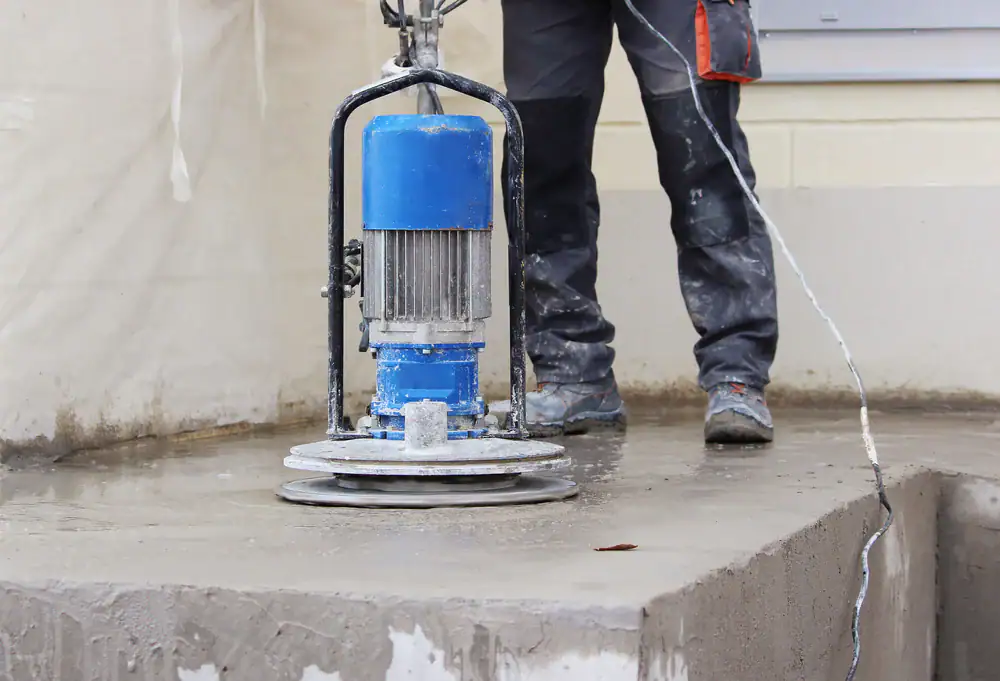
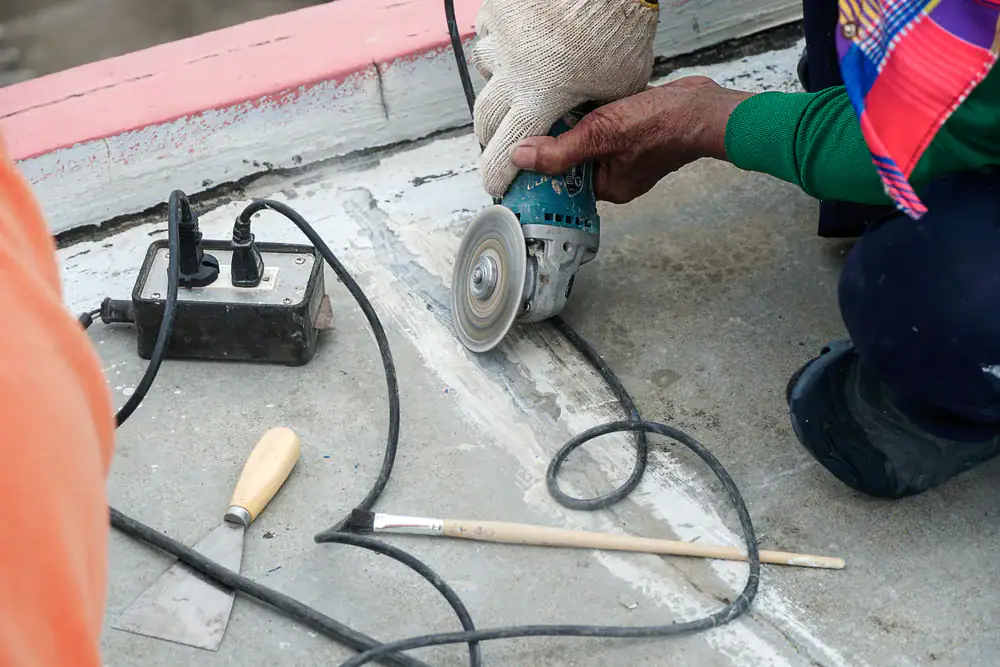
Concrete grinding removes those dangerous vertical changes without ripping out entire slabs. We use diamond-bit equipment to precisely level surfaces, whether you need a quarter-inch lip smoothed for ADA compliance or an entire commercial floor restored. The process is faster than replacement, costs about a tenth of what you’d pay for new concrete, and gets you back to operations in 24 to 48 hours in most cases.
You’re left with a level, safe surface that eliminates trip hazards and extends the life of your concrete. No lawsuits waiting to happen. No insurance headaches. Just a floor or walkway that works the way it should.
Concrete Grinding Contractors Glenvar Heights
We handle concrete grinding and polished concrete projects across Glenvar Heights, FL and throughout South Florida. We’ve worked with the Coast Guard, US Army, City of Doral, City of Sunny Isles, and multiple county facilities—projects where precision and reliability aren’t optional.
That same level of work applies whether you’re a property manager dealing with ADA compliance or a homeowner fixing a garage floor. South Florida’s climate accelerates concrete deterioration, especially with our humidity and heavy rains causing erosion under slabs. We understand how quickly a minor issue becomes a major liability here.
You get transparent pricing, direct communication, and crews that show up when they say they will. No middleman markups. No runaround.
Concrete Floor Grinding Process
First, we assess your concrete to determine how much material needs removal and what equipment will work best. Different concrete hardness levels require different diamond tooling, and we match the approach to your specific surface.
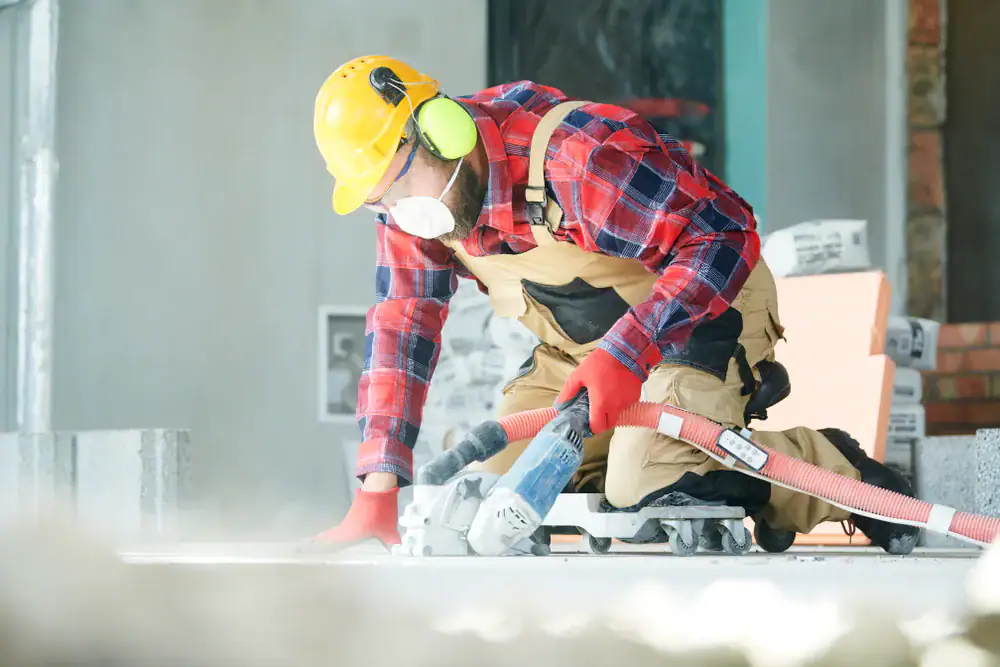
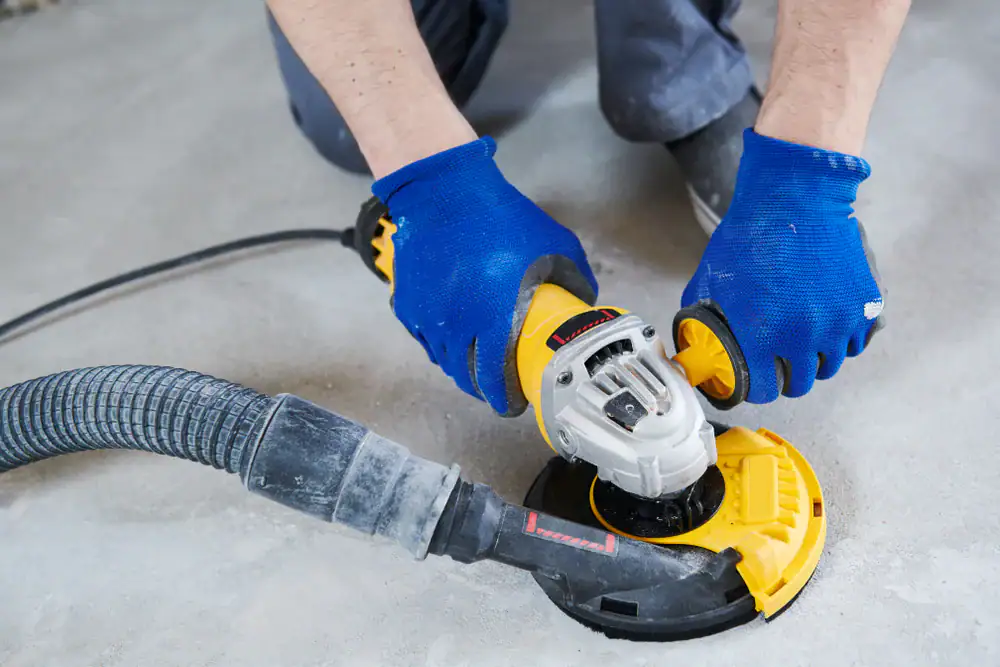
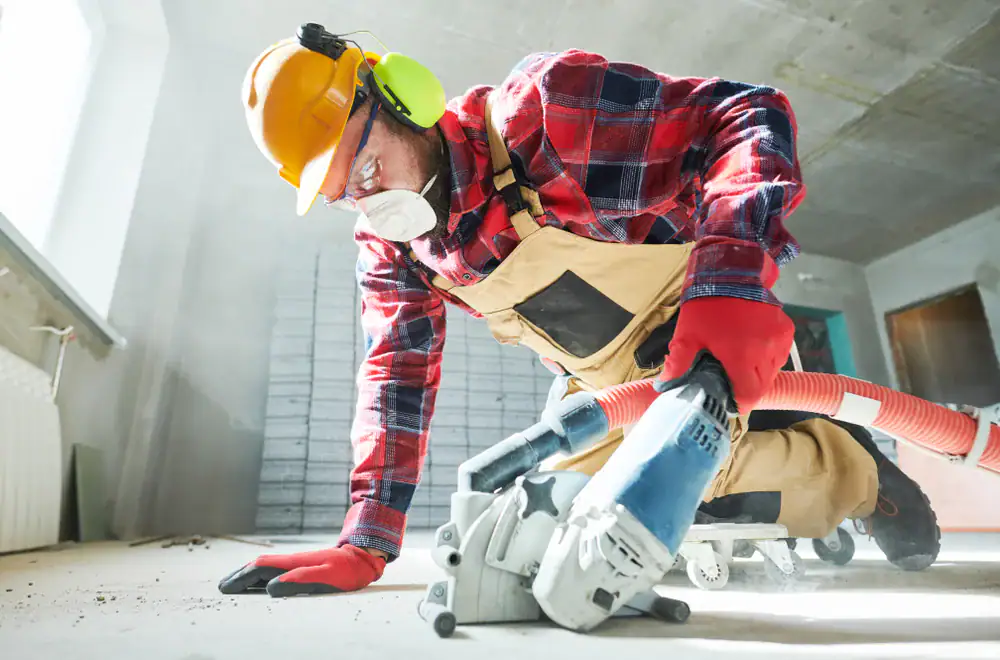
Once we start grinding, we’re using industrial equipment fitted with diamond bits that precisely remove the high spots. Our machines connect to high-performance vacuums with HEPA filters, which means you’re not dealing with concrete dust coating everything nearby. This matters especially for commercial spaces that need to stay operational or residential projects where you don’t want dust infiltrating your home.
The grinding process levels the surface to your exact specifications. For ADA compliance, that means getting vertical changes under a quarter inch. For polished concrete prep, it means creating the right profile for coatings or sealers. We work in stages, checking levels as we go.
After grinding, you’re looking at a level surface that’s ready for use, further finishing, or coating application. Most projects wrap in one to two days, depending on square footage and the extent of correction needed.
Ready to get started?
Concrete Restoration Services Glenvar Heights
You get dustless concrete grinding that won’t shut down your operations or coat your property in silica dust. Our equipment captures particles at the source, which matters both for health compliance and keeping your space functional during the work.
We handle everything from minor trip hazard correction to full commercial floor restoration. That includes preparing surfaces for polished concrete, removing surface scaling and deterioration, leveling uneven slabs, and creating the right substrate for epoxy or coating systems. If you’re in Glenvar Heights, FL, you’re likely dealing with concrete that’s seen its share of moisture intrusion and settlement—common issues in our area due to soil conditions and water table levels.
The service includes a detailed assessment before we start, so you know exactly what you’re paying for and what results to expect. We work with premium products from Sherwin Williams and Fosroc when coatings or sealers are part of the scope. You also get follow-up support after the project, because questions come up during maintenance, and you shouldn’t have to track down a contractor who’s disappeared.
For commercial properties, we can coordinate emergency response when you’ve got an immediate safety hazard. Speed matters when you’re looking at potential liability or operational disruption.
How much does concrete grinding cost compared to replacing the concrete?
Grinding typically runs about one-tenth the cost of full concrete replacement. You’re looking at a fraction of the expense because you’re not paying for demolition, hauling away broken concrete, site prep, new concrete installation, and the extended downtime that comes with all of that.
Exact pricing depends on the square footage, how much material needs removal, and the condition of your existing concrete. A minor trip hazard correction on a small sidewalk section costs far less than restoring an entire warehouse floor, obviously. But even on larger commercial projects, the cost difference between grinding and replacement is significant enough that most property managers choose grinding unless the concrete is structurally compromised.
The other cost factor people miss is time. Replacement means you’re out of commission for days or weeks while concrete cures. Grinding gets you back to operations in 24 to 48 hours in most cases. If downtime costs you money—and it usually does—that’s another point in favor of grinding.
Is concrete grinding actually dustless, or is that just marketing?
It’s genuinely dustless when done with proper equipment, which is what we use. Our grinders connect to industrial vacuums with HEPA filtration that capture dust at the point of generation. You’re not going to see clouds of concrete dust or find a layer of silica coating everything nearby.
This matters for a few reasons. Health-wise, silica dust is a serious respiratory hazard, and OSHA has strict regulations about exposure levels. If you’re keeping a commercial space operational during the work, dustless grinding means your employees or customers aren’t breathing in particles. For residential projects, it means we’re not contaminating your living space or forcing you to move out during the work.
The vacuum systems we use are high-performance units specifically designed for concrete work, not shop vacs. They maintain constant suction and filter particles down to very small sizes. You’ll see some dust if you’re watching the work up close, but it’s being captured before it becomes airborne. The difference between dustless grinding and old-school methods is night and day.
Will grinding leave visible patches or make my concrete look worse?
Grinding does expose fresh concrete underneath, which can look different from the surrounding weathered surface. If you’re only grinding a small section to fix a trip hazard, yes, you’ll see where the work was done. It won’t match perfectly unless you’re planning to coat, stain, or polish the entire surface afterward.
For many commercial applications, appearance isn’t the priority—you need a safe, level surface, and the visual difference doesn’t matter. For projects where aesthetics do matter, grinding is usually the first step in a larger process. You’d follow it with polishing, which creates a uniform, high-gloss finish across the entire floor. Or you’d apply an epoxy coating system that covers everything with a consistent color and finish.
If you’re concerned about how it’ll look, we walk through options during the initial consultation. Sometimes the solution is grinding the immediate problem area now and scheduling a full floor polish or coating later. Sometimes it makes sense to do everything at once. Depends on your budget, timeline, and how the space is used.
How do you handle ADA compliance for concrete sidewalks and walkways?
ADA regulations specify that vertical changes in walking surfaces can’t exceed a quarter inch. Anything beyond that is considered a trip hazard and puts you at risk for violations and liability. Concrete grinding brings those uneven sections into compliance by removing the high side of the lip until the vertical change is within acceptable limits.
We measure before and after to document compliance, which matters if you’re dealing with municipal inspections or need records for liability protection. The process is straightforward: identify all sections that exceed the quarter-inch threshold, grind them down to compliant levels, and verify the results.
For property managers and business owners in Glenvar Heights, FL, this is often an urgent issue. One slip-and-fall lawsuit costs far more than addressing the problem proactively. We can respond quickly when you’ve identified a compliance issue that needs immediate correction. The work itself usually takes a day or less for typical sidewalk sections, and the surface is ready for foot traffic as soon as we’re done.
What’s the difference between concrete grinding and polished concrete?
Grinding is the process of removing material to level a surface or prepare it for further treatment. Polished concrete is a finished product that involves multiple grinding stages with progressively finer diamond abrasives, followed by densifiers and sealers to create a glossy, durable surface.
Think of grinding as the foundation step. If you’ve got an uneven floor, surface damage, or old coatings to remove, grinding handles that. It leaves you with a level, clean concrete surface, but it’s not finished—it’s functional but not necessarily attractive. Polished concrete takes that ground surface and refines it through several more stages until you’ve got a smooth, reflective floor that’s both durable and aesthetically appealing.
Many commercial and industrial clients start with grinding to address immediate issues like trip hazards or surface deterioration, then decide later whether they want to invest in full polishing. Residential clients often want the complete polished concrete look from the start. Either approach works. Grinding solves the structural and safety problems. Polishing adds the visual finish and enhanced durability. We handle both, so you can do this in stages or all at once depending on your priorities and budget.
How long does ground concrete last before it needs attention again?
Properly ground concrete lasts as long as the underlying slab remains structurally sound. You’re not adding a coating that can wear through or a topping that can delaminate—you’re working with the concrete itself. The durability depends more on what you do after grinding than the grinding process itself.
If you leave ground concrete unsealed, it’s susceptible to the same issues any concrete faces: moisture intrusion, staining, surface wear in high-traffic areas, and gradual deterioration from freeze-thaw cycles (less of an issue here in South Florida, but moisture is a constant factor). Sealing or polishing the ground surface significantly extends its life by protecting it from those elements.
For commercial floors that see heavy traffic or equipment, you’re looking at years of service life before you’d need to regrind or refinish, assuming you’ve sealed the surface and maintained it properly. For trip hazard corrections on sidewalks, the grinding itself is permanent—you’ve removed the uneven section. Whether new unevenness develops depends on what caused the original problem. If it was tree roots or soil settlement, those underlying issues might create new problems over time. We can assess what’s causing the unevenness and recommend solutions that address the root cause, not just the symptom.
Other Services we provide in Glenvar Heights
Leave a Reply