


Concrete Grinding in Hidden Oaks, FL
Floors Ready for Coating in 24-48 Hours
Hear from Our Customers
Concrete Floor Grinding Contractors Near You
Your epoxy or coating is only as good as the surface underneath it. If the concrete isn’t ground properly, you’re looking at peeling, bubbling, or complete failure within months.
Concrete grinding removes the weak top layer – the laitance, old sealers, contaminants, and surface irregularities that prevent proper adhesion. What you’re left with is clean, profiled concrete that gives coatings something to grip.
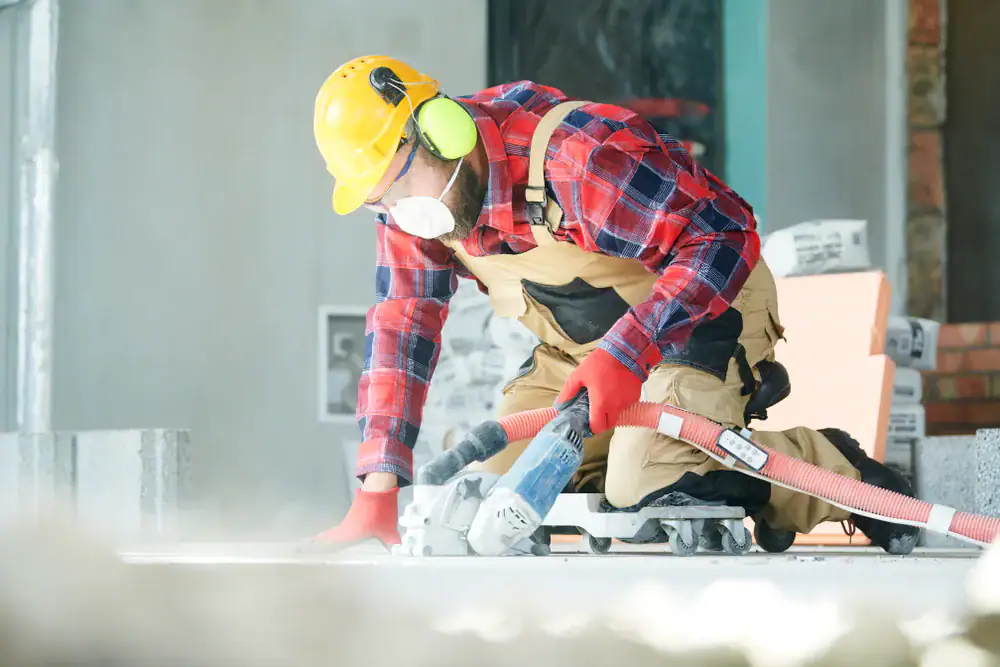
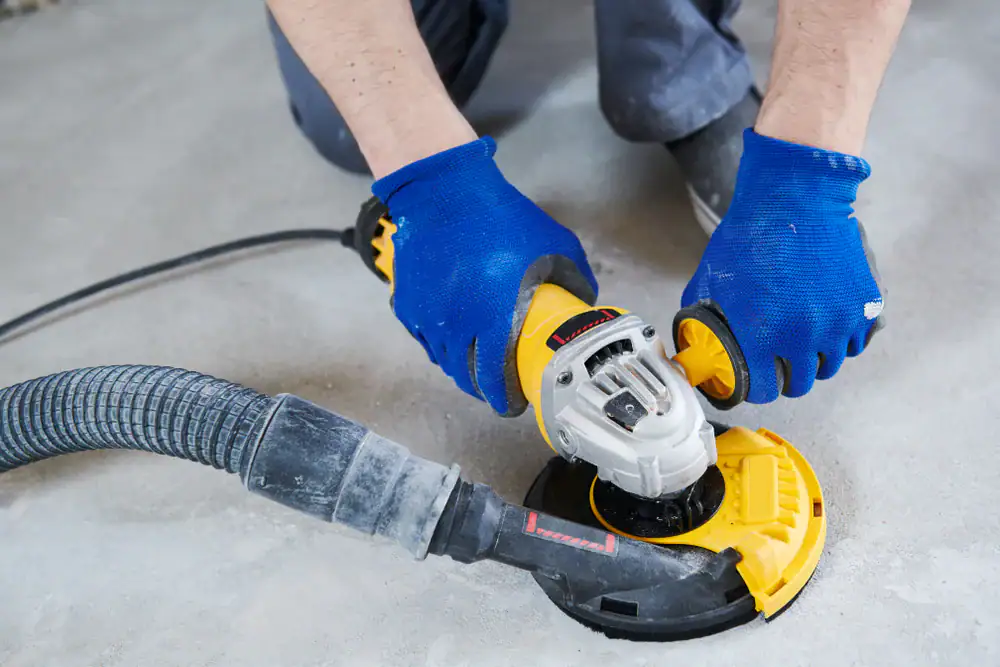
We use dustless grinding equipment with HEPA filtration, so you’re not dealing with concrete dust settling on everything in your building. The process is faster, cleaner, and safer than traditional methods. You get a surface that’s ready for whatever comes next – epoxy, urethane, stain, or polish – without the guesswork.
Concrete Grinding Services in Hidden Oaks
SPF Industrial has been handling concrete surface preparation across Florida since 2020. We’re a veteran-owned operation that works directly with property owners, facility managers, and contractors who need reliable floor prep without the runaround.
Our crew handles everything in-house. No subcontractors, no handoffs, no confusion about who’s responsible if something goes wrong. We’ve worked on projects for the Coast Guard, US Army, City of Doral, and commercial properties throughout South Florida.
Hidden Oaks properties deal with Florida’s humidity, temperature swings, and heavy use – all of which affect how concrete performs. We account for that in how we grind, what profiles we create, and what we recommend for your specific application.
How Concrete Grinding Works in Florida
We start with a site visit to assess your concrete. We’re looking at the condition of the slab, any existing coatings or damage, and what you’re planning to apply afterward. That determines the equipment and grit sequence we’ll use.
Grinding itself involves passing diamond-embedded discs over the surface to remove material and create the right profile. Dustless systems capture debris at the source, so there’s no cloud of silica dust or cleanup nightmare afterward. Depending on the size and condition, most jobs finish within 24 to 48 hours.
Once grinding is complete, we verify the profile and make sure the surface is clean and ready. If you’re applying epoxy or another coating, this is the foundation that determines whether it lasts two years or twenty.
Ready to get started?
Concrete Restoration Services for Hidden Oaks
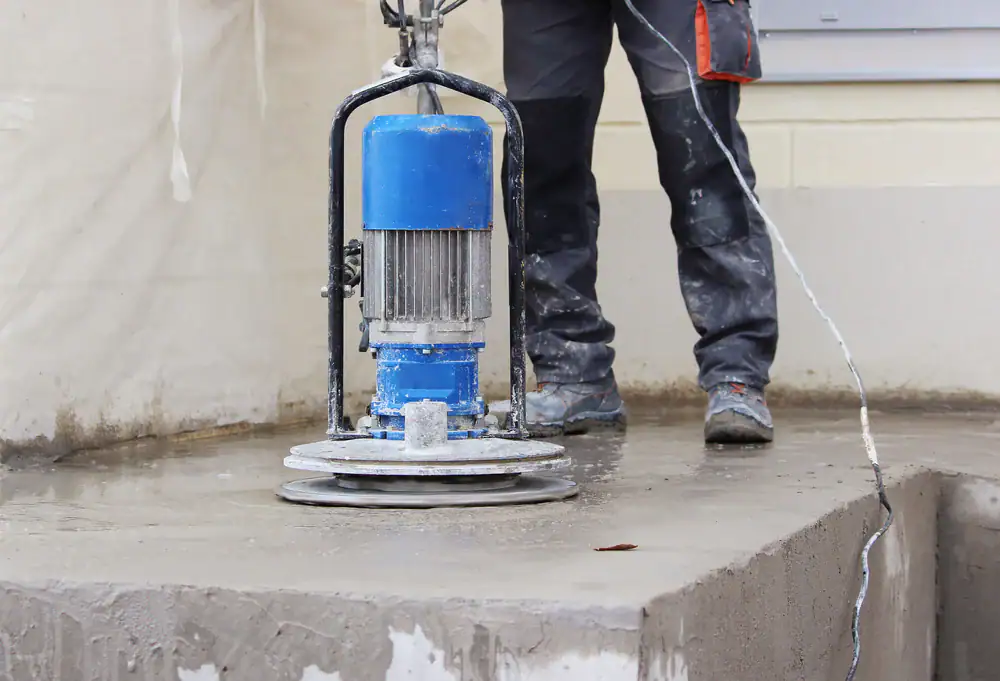
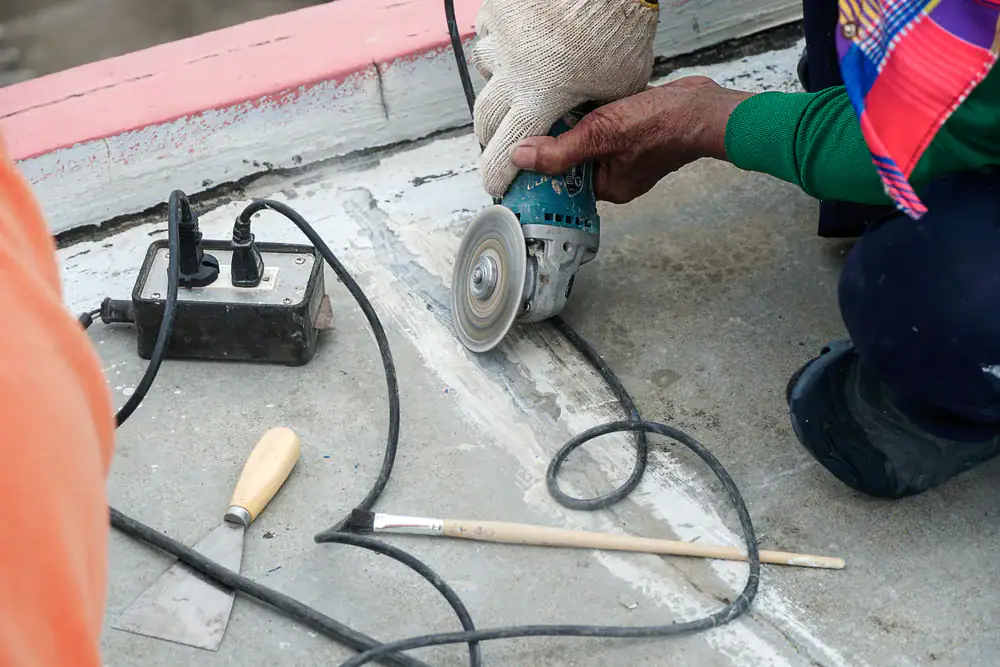
You’re getting more than just a guy with a grinder. We bring the right equipment for your specific floor – planetary grinders for large areas, edge grinders for tight spaces, and shot-blasting equipment when aggressive removal is needed.
Surface profiling is customized based on what you’re coating with. Epoxy needs a different profile than urethane. Polished concrete requires a completely different approach than a resinous overlay. We adjust our process to match your end goal.
In Hidden Oaks and surrounding areas, we see a lot of warehouse floors, garage spaces, and commercial kitchens that need fast turnarounds. Florida’s climate means moisture issues are common, so we also check for vapor transmission problems before grinding. Grinding a slab that’s pushing moisture is a waste of time and money – the coating will fail regardless of how well we prep it.

What’s the difference between concrete grinding and polishing?
Grinding is surface preparation. It removes the top layer of concrete to create a clean, profiled surface for coatings or further treatment. You’re taking off old sealers, smoothing out rough spots, and opening up the pores so adhesives can bond.
Polishing is a finishing process. It uses progressively finer grits to refine the surface into a smooth, reflective floor. Polished concrete is the final product – it doesn’t need a coating on top.
If you’re planning to apply epoxy, urethane, or any kind of overlay, you need grinding first. If you want exposed aggregate or a glossy concrete finish without coatings, that’s polishing. Sometimes a project involves both – grinding to prep, then polishing to finish – but they serve different purposes.
How long does concrete grinding take for a typical project?
Most residential garages or small commercial spaces take one to two days. Larger warehouses or industrial floors can take three to five days depending on square footage and surface condition.
The timeline depends on what we’re removing. If it’s just surface laitance and light profiling, that’s faster. If we’re grinding down old epoxy, thick coatings, or dealing with uneven concrete, it takes longer.
We can work around your schedule for commercial projects. A lot of Hidden Oaks businesses need us to work nights or weekends to avoid disrupting operations. Our dustless equipment makes that easier since there’s no major cleanup or air quality issue that shuts down adjacent areas.
Is dustless concrete grinding really dustless?
It’s not zero dust, but it’s about 95% cleaner than traditional grinding. Our equipment uses built-in vacuum systems with HEPA filters that capture dust right at the grinding head before it becomes airborne.
You won’t see clouds of concrete dust or have to shut down your entire building. There’s no layer of fine powder settling on desks, inventory, or equipment. That’s a huge deal for occupied buildings, food service areas, or anywhere you can’t afford contamination.
Traditional grinding creates silica dust, which is a serious respiratory hazard. Dustless systems reduce that exposure dramatically. It’s safer for our crew and anyone else in the building, and it means you’re not spending days cleaning up after we leave.
Will grinding damage or weaken my concrete slab?
Not if it’s done correctly. We’re removing a thin layer – usually 1/16″ to 1/8″ depending on the profile needed. That’s not enough to compromise a properly poured slab.
The bigger risk is grinding too aggressively or using the wrong equipment, which can overheat the concrete, create waves, or thin the slab unevenly. That’s why experience matters. We adjust speed, pressure, and grit based on what the concrete can handle.
If your slab is already damaged – cracked, spalling, or structurally compromised – grinding won’t fix that. We’ll tell you upfront if repairs are needed before we start. Grinding prepares sound concrete. It doesn’t repair bad concrete.
Can you grind concrete that already has a coating on it?
Yes, but it depends on what the coating is and how well it’s bonded. Epoxy, urethane, and most resinous coatings can be ground off. Some coatings require shot-blasting or scarifying instead, which is more aggressive.
If the existing coating is failing – peeling, bubbling, or delaminating – it has to come off completely before applying anything new. Grinding over a bad coating just hides the problem temporarily. It’ll fail again.
We test adhesion before we start and recommend the best removal method. Sometimes grinding works. Sometimes we need to combine grinding with chemical stripping or mechanical removal. The goal is a clean substrate, and we’ll use whatever process gets you there without damaging the slab.
How much does concrete grinding cost in Hidden Oaks?
Pricing depends on square footage, surface condition, and what we’re preparing the floor for. Most residential projects range from a few hundred to a couple thousand dollars. Commercial and industrial jobs are quoted per square foot after we assess the site.
If we’re just doing light surface prep on clean concrete, that’s less expensive. If we’re removing thick coatings, leveling an uneven slab, or working around obstacles, costs go up. Access matters too – a wide-open warehouse floor is faster than a space with tight corners and equipment in the way.
We give transparent estimates after a site visit. No surprises, no hidden fees. You’ll know exactly what you’re paying for and why. If you’re in Hidden Oaks or anywhere in Florida, we’ll come out, assess the job, and give you a straight answer on cost and timeline.
Other Services we provide in Hidden Oaks
Leave a Reply