


Concrete Grinding in Juno Ridge, FL
Floors That Handle Florida’s Climate and Heavy Use
Hear from Our Customers
Professional Concrete Grinding Services Juno Ridge
You get a floor that stops being a maintenance problem. No more patching cracks every few months. No more coatings that peel in Florida’s humidity. No more replacing sections because the previous contractor didn’t prep the surface correctly.
Concrete floor grinding contractors who know what they’re doing remove damaged surface layers, expose fresh aggregate, and create a profile that accepts sealers and coatings properly. That means your floor bonds correctly the first time. It means you’re not calling someone back in six months because sections are flaking off.
When concrete grinding is done right, you end up with a surface that’s actually easier to maintain than what you started with. Sweep it. Mop it occasionally. That’s it. The reflective finish from polished concrete can cut your lighting costs by up to 30% because the surface bounces light back instead of absorbing it. And if you’re in a warehouse or commercial space, that adds up fast.
Concrete Grinding Contractors Juno Ridge, FL
We’ve been serving Juno Ridge and South Florida since 2020, working with clients who need floors that perform under pressure. We’ve completed projects for the Coast Guard, US Military, City of Doral, City of Sunny Isles, and county facilities where failure isn’t an option.
That government and military portfolio exists because we handle concrete grinding the way it’s supposed to be done. Surface preparation isn’t optional. Moisture testing isn’t skipped. Emergency response isn’t just a marketing line—we’ve turned around kitchen floors in 24-48 hours when clients needed it.
Juno Ridge sits in an area where humidity and temperature swings test every floor system. We’ve ground and polished concrete across South Florida long enough to know exactly how this climate affects adhesion, curing times, and long-term durability. You’re not getting a crew that learned concrete grinding in a different state and hopes it works here. You’re working with people who’ve solved these problems repeatedly.
Concrete Floor Grinding Process Juno Ridge
First, we assess your concrete. Not every floor needs the same level of grinding. Some need aggressive diamond cutting to remove old coatings or damaged surface layers. Others just need profile correction before polishing. We test for moisture issues because Florida’s humidity will destroy any coating applied over trapped moisture—lab testing shows it can reduce adhesion by 75%.
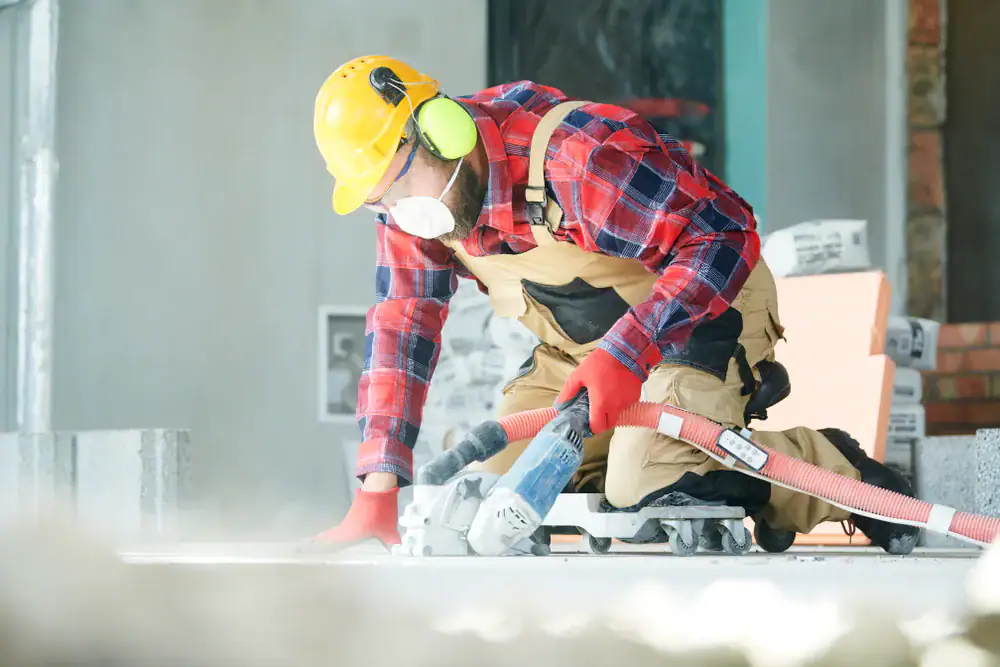
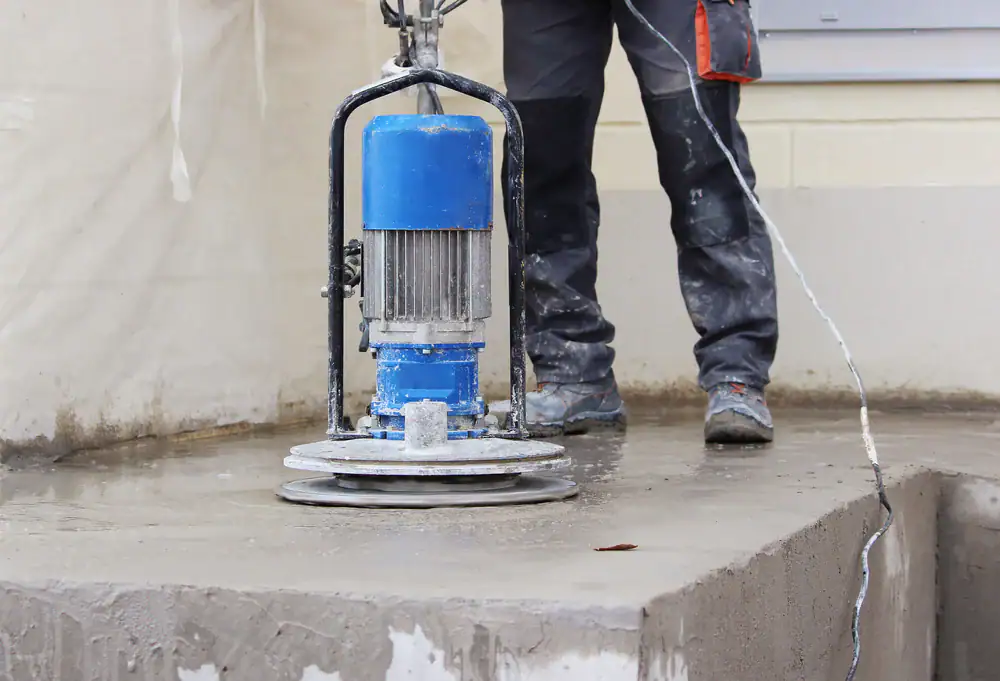
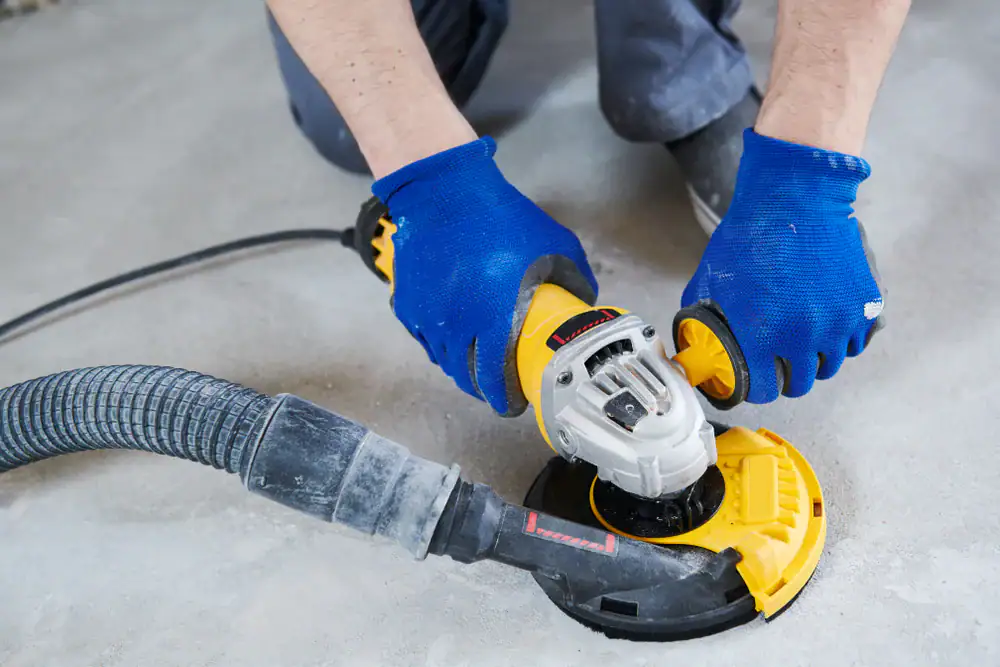
Once we know what we’re working with, we start with coarse-grit diamond grinding to remove the damaged surface and create a clean profile. This isn’t a quick pass with a buffer. We’re using industrial concrete grinding equipment that cuts through the top layer and exposes fresh aggregate. Each pass gets progressively finer, moving through different grit levels until the surface is smooth and ready for the next step.
If you’re getting polished concrete, we keep refining the surface with finer diamonds until it reaches the gloss level you need. If you’re prepping for epoxy or a coating system, we stop at the profile that gives maximum adhesion. Then we apply densifiers or sealers depending on the end use—warehouse floors get different treatment than showroom floors.
The whole process is dustless when done correctly. We use equipment with integrated vacuum systems because concrete dust shouldn’t be coating your equipment or inventory while we work.
Ready to get started?
Concrete Restoration Services Juno Ridge, FL
You get complete surface preparation, not just grinding. That means moisture testing, crack repair if needed, and a realistic assessment of what your concrete can handle. Some floors have damage too deep for grinding to fix. We’ll tell you that upfront instead of taking your money and delivering a floor that fails in six months.
Florida’s coastal climate creates specific challenges Juno Ridge property owners deal with constantly. Salt air accelerates concrete deterioration. UV exposure causes surface breakdown. Thermal expansion from temperature swings creates micro-cracks that turn into bigger problems. Our concrete grinding process accounts for all of that. We’re not using the same approach you’d use in Colorado and hoping it works here.
We work with commercial-grade materials from Sherwin Williams and Fosroc because the products matter as much as the process. Cheap sealers fail in this humidity. Low-grade densifiers don’t penetrate deep enough. We use what actually lasts because we don’t want to come back and redo work that should have been done right the first time.
Every project includes transparent pricing and direct communication. You’re talking to the people doing the work, not a sales team that disappears after you sign. If something changes mid-project, you know about it immediately. If we find additional damage during grinding, we stop and discuss options before proceeding.

How much does concrete grinding cost compared to replacing the floor?
Concrete grinding typically runs 30-50% less than installing new flooring materials like tile, hardwood, or even new concrete. The exact cost depends on your floor’s current condition, square footage, and what finish you’re after.
If your concrete has minor surface damage, light grinding and polishing might run $3-5 per square foot. If you need aggressive grinding to remove thick coatings or repair significant damage, you’re looking at $5-8 per square foot. Compare that to $10-15+ per square foot for new tile installation or $8-12 for new epoxy over replacement concrete.
The bigger savings show up over time. Polished concrete lasts 20+ years with basic maintenance. You’re not replacing sections every few years. You’re not recoating every 5-7 years. The floor just works. For commercial spaces, the reduced lighting costs from the reflective surface add up too—some facilities see 20-30% reductions in lighting expenses because the polished concrete bounces light back instead of absorbing it.
Can concrete grinding fix floors with cracks and surface damage?
It depends on how deep the damage goes. Surface cracks, spalling, and coating failures are exactly what concrete grinding fixes. We remove the damaged top layer, expose fresh concrete, and create a clean surface that accepts new treatments properly.
Structural cracks are different. If your floor has cracks from foundation settling or structural movement, grinding won’t fix the underlying problem. We can grind the surface and fill cracks cosmetically, but if the foundation is still moving, those cracks will return. We’ll tell you that during the initial assessment instead of pretending grinding solves everything.
For most commercial and residential floors in Juno Ridge, the damage is surface-level. Florida’s humidity causes coating failures. Salt air creates surface deterioration. UV exposure breaks down sealers. Concrete grinding removes all of that damaged material and gives you a fresh start. We’ve restored floors that looked completely shot—once you remove the failed coatings and deteriorated surface layer, the concrete underneath is often perfectly sound.
How does concrete grinding hold up in Florida’s humidity and climate?
Polished concrete actually thrives in Florida’s climate because it’s not a coating that can fail. You’re working with the concrete itself, densified and polished to a durable finish. There’s nothing to peel, bubble, or delaminate when humidity spikes.
The key is proper moisture testing before we start. Florida concrete often has higher moisture content than concrete in drier climates. If we grind and seal over trapped moisture, you’ll get adhesion failures regardless of how good the products are. We test moisture levels and address any issues before grinding begins.
Once the concrete is properly ground and densified, humidity becomes irrelevant. The surface is sealed at a molecular level—moisture can’t penetrate and cause damage. That’s why polished concrete works so well in warehouses, commercial kitchens, and coastal properties where humidity control is impossible. Wood floors warp. Carpet grows mold. Tile grout deteriorates. Polished concrete just sits there and performs exactly as expected, year after year.
What’s the difference between concrete grinding and concrete polishing?
Concrete grinding is the surface preparation process. Concrete polishing is the finishing process. You can’t polish concrete without grinding it first, but you can grind concrete without polishing it if you’re prepping for epoxy or another coating.
Grinding uses coarse-grit diamonds to remove surface damage, old coatings, and deteriorated concrete. It creates a clean, level profile. If you’re installing epoxy flooring, we stop after grinding because epoxy needs a textured surface to bond to. If you’re getting polished concrete, grinding is just the first phase.
Polishing takes that ground surface and refines it through progressively finer diamond grits until you reach the desired gloss level. We’re talking 50-grit up to 3000-grit in some cases. Each pass makes the surface smoother and more reflective. Then we apply densifiers that harden the concrete at a chemical level, making it more durable and stain-resistant. The final result is a floor that looks like polished stone but performs better than most coating systems.
How long does the concrete grinding process take?
Most concrete grinding projects take 2-5 days depending on square footage and current floor condition. A 5,000 square foot warehouse with light surface damage might take two days. A 10,000 square foot facility with thick coatings and significant repairs could take a full week.
The timeline depends on how many passes we need to make. Removing old epoxy or thick coatings requires aggressive grinding with coarse diamonds—that takes time. If your concrete just needs light grinding and polishing, we move through the grit progression faster.
We’ve handled emergency projects in 24-48 hours when clients needed it. Commercial kitchens that can’t shut down for a week. Retail spaces with tight renovation windows. If you have a hard deadline, tell us upfront. We’ll let you know if it’s realistic or if rushing the process will compromise the results. Florida’s humidity affects curing times for sealers and densifiers—sometimes you can’t speed things up without creating problems down the road.
Do you only grind concrete for commercial properties or do residential projects too?
We handle both commercial and residential concrete grinding in Juno Ridge. The process is the same whether you’re a homeowner with a garage floor or a facility manager with 50,000 square feet of warehouse space.
Residential clients usually want polished concrete for garages, basements, patios, or modern interior floors. The aesthetic appeal is part of it, but most people choose polished concrete because they’re tired of maintaining other flooring types. You can’t damage polished concrete the way you can damage tile or hardwood. Spills wipe up. Stains don’t penetrate. It’s legitimately low-maintenance.
Commercial clients need floors that handle heavy equipment, high traffic, and daily abuse without breaking down. We’ve ground and polished concrete for warehouses, distribution centers, retail spaces, and government facilities. The military and municipal projects we’ve completed required floors that meet strict durability standards—those same standards apply to every project we take on, commercial or residential. You’re getting the same level of surface preparation and quality control regardless of project size.
Other Services we provide in Juno Ridge
Leave a Reply