


Concrete Grinding in Kendale Lakes, FL
Floors That Handle Florida Without the Downtime
Hear from Our Customers
Concrete Grinding Services Near You
Your floor isn’t just smoother. It’s harder, more resistant to wear, and ready to handle whatever South Florida throws at it—humidity, foot traffic, spills, salt air.
Most concrete grinding projects wrap in two to four days. Smaller residential areas? Often done in a single day. And because the process uses commercial-grade dust collection systems, there’s no cloud of silica hanging in your space, no respiratory risk, no cleanup nightmare after we leave.
The surface we create doesn’t need waxing, doesn’t need sealing every year, and won’t break down under moisture like coatings that weren’t meant for this climate. It’s a floor that works harder so you don’t have to think about it. That’s the difference between grinding done fast and grinding done right.
Trusted Concrete Grinding Contractors
We’ve handled concrete work for the U.S. Military, the Coast Guard, the City of Doral, and the City of Sunny Isles. We’ve worked inside high schools, county facilities, and commercial properties across South Florida where downtime isn’t an option and the work has to hold up.
We’re veteran-owned, and we’ve been operating in this market since 2020. That means we understand Kendale Lakes—the mix of residential properties, medical facilities, retail centers, and schools that need durable floors without the disruption. We know what Florida’s climate does to concrete, and we know how to prep it so it lasts.
Our Concrete Grinding Process
First, we assess the slab. We’re looking at the condition of the concrete, any cracks or surface damage, moisture levels, and what kind of finish makes sense for how you’ll use the space. This isn’t a one-size-fits-all process.
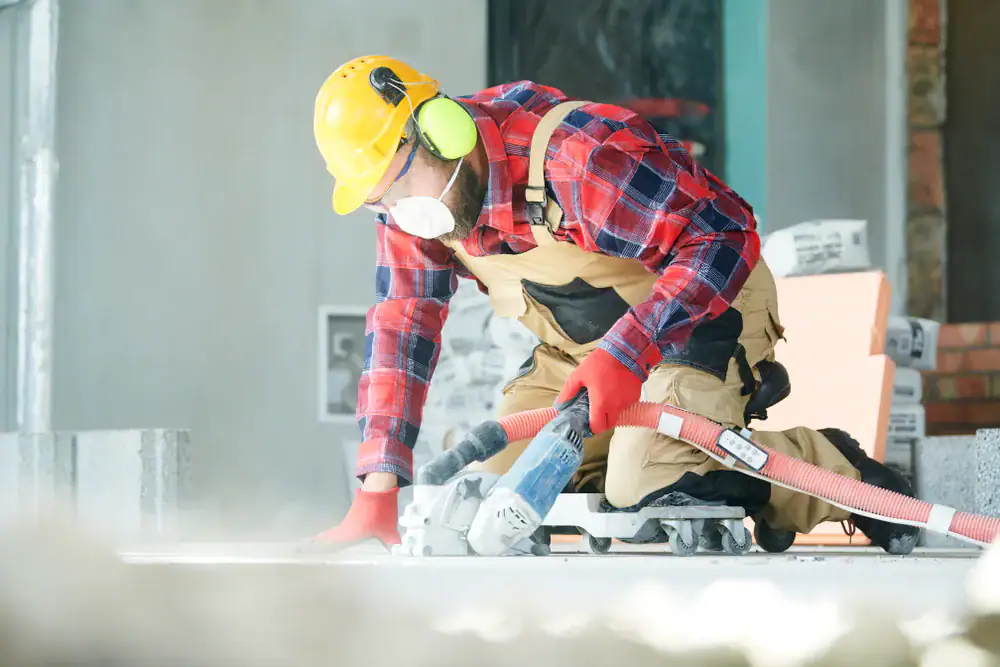
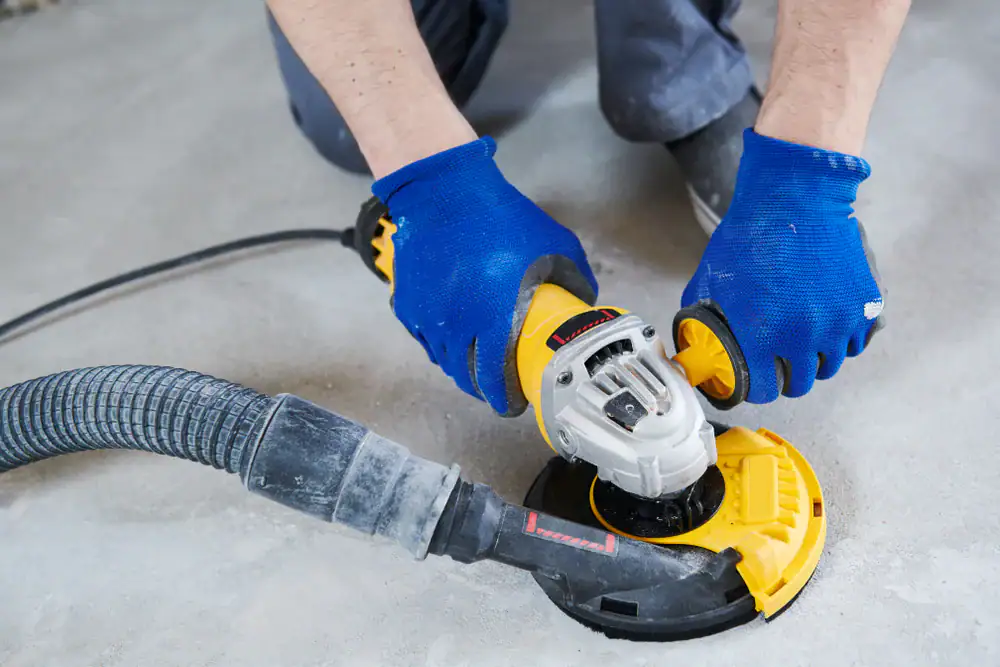
Next comes surface prep. Depending on the job, that might mean shot-blasting to remove old coatings, diamond grinding to level uneven areas, or scarifying to open up the pores of the concrete. We use dustless equipment with HEPA filtration, so the air stays clean and your operations aren’t compromised.
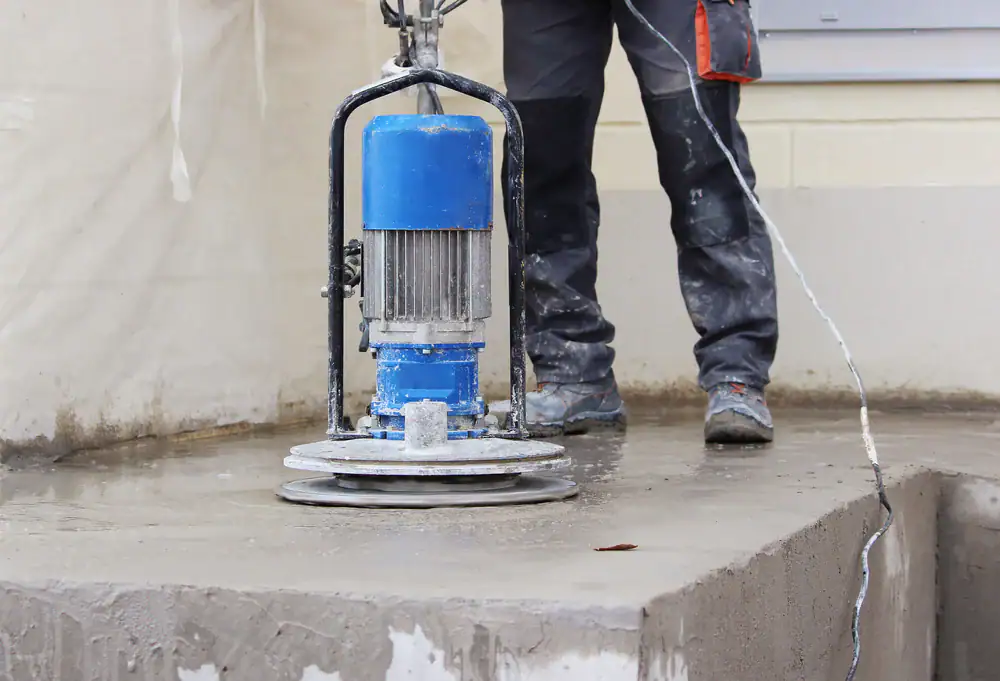
Then we grind. We move through progressively finer diamond abrasives to achieve the level of smoothness and sheen you need—whether that’s a matte utility finish or a high-gloss polished surface. If densifying is part of the scope, we apply a hardening treatment that penetrates deep into the concrete and increases surface strength by up to 400%.
Finally, we clean up and hand it back to you. Most spaces are ready for light foot traffic within hours. Full cure depends on whether any coatings or sealers were applied, but you’re typically back to normal operations within 24 to 48 hours.
Ready to get started?
Concrete Floor Grinding Contractors
Every project starts with a consultation. We walk the space with you, talk through what you’re trying to solve, and give you transparent pricing before any work begins. No surprises, no upselling once we’re on-site.
The grinding itself is done with commercial-grade equipment from manufacturers we’ve worked with for years—Laticrete, Koster USA, Sherwin-Williams, Fosroc. We’re not renting tools or cutting corners. Everything is done in-house by our full-time crew, and we carry the certifications that let us back our work with real manufacturer warranties.
In Kendale Lakes, that matters. You’ve got a mix of older residential properties and newer commercial builds. Floors here deal with high humidity, occasional flooding, and the wear that comes with a community where the median household income supports quality long-term investments. We’re not patching problems—we’re solving them at the surface level so they don’t come back. If your concrete has imperfections, we repair them as part of the process. If you need line striping for safety or logistics afterward, we handle that too.

How long does concrete grinding take for a typical commercial space?
Most commercial concrete grinding projects take between two and four days, depending on square footage and the condition of the slab. If we’re working in a warehouse or retail space, we can often section off areas so your operations keep running while we work.
Smaller jobs—like a residential garage or a single room—can be completed in a day. The timeline also depends on whether you need repairs, coatings, or densifying treatments on top of the grinding itself. We’ll give you an accurate estimate during the walkthrough.
One thing we don’t do is rush the process to hit an arbitrary deadline. Concrete grinding is about precision. If the surface isn’t prepped correctly or the grind isn’t taken through the right stages, the finish won’t hold up. We’d rather give you a realistic timeline than a fast one that compromises the result.
Is concrete grinding safe to do indoors, especially in Florida’s humidity?
Yes, when it’s done with proper dust collection. We use commercial-grade vacuums with HEPA filtration that capture virtually all the silica dust created during grinding. That’s not just for comfort—it’s for compliance. OSHA has strict regulations around silica exposure, and we follow them.
As for humidity, that’s actually one of the reasons concrete grinding works so well in Florida. Unlike some coatings that can fail when moisture vapor moves through the slab, a ground and polished concrete surface is breathable. It doesn’t trap moisture underneath, which means it won’t blister, peel, or delaminate the way epoxy can if it’s applied over a damp slab.
We do check moisture levels before we start. If there’s an underlying issue—like poor drainage or a high water table—we’ll flag it. Grinding won’t fix a structural moisture problem, but it also won’t make it worse. And in most cases, a properly ground surface actually performs better in high-moisture environments than alternatives like tile, vinyl, or carpet.
What’s the difference between concrete grinding and polished concrete?
Concrete grinding is the process. Polished concrete is one possible outcome. Grinding refers to using diamond abrasives to remove surface material, level the slab, and smooth out imperfections. It’s also the first step in creating a polished finish.
Polishing takes that process further. After the initial grind, we move through finer and finer grits of diamond tooling, often applying a densifying treatment along the way to harden the surface. The result is a high-gloss, reflective finish that’s extremely durable and low-maintenance.
But not every job needs a polish. Some clients just want a clean, level surface for a coating. Others want a matte or satin finish that’s slip-resistant. The level of sheen is adjustable based on how we finish the grind. We’ll recommend what makes sense for your space, your budget, and how the floor will be used. A polished concrete floor in a showroom is different from a ground surface in a loading dock, and we treat them accordingly.
Will grinding fix cracks or damage in my concrete floor?
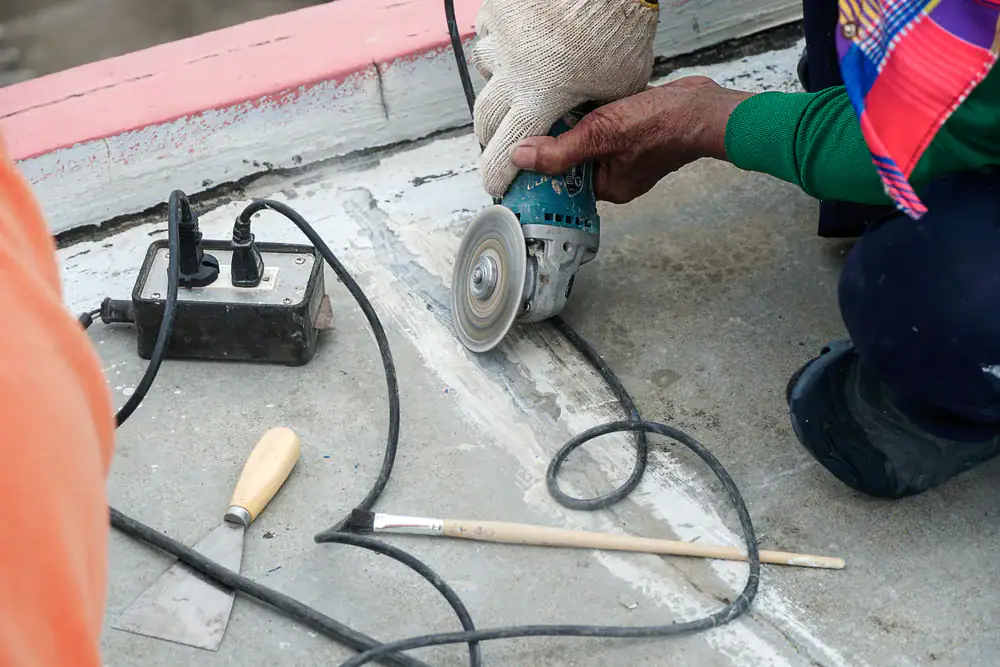
Grinding will smooth and level the surface, but it won’t repair structural cracks on its own. If your slab has cracks, spalling, or chunks missing, we address those first as part of the prep work.
We use high-performance repair mortars and fillers designed to bond with the existing concrete and hold up under the same conditions. Once the repairs cure, we grind the entire surface so the patched areas blend in with the rest of the floor. In most cases, you won’t be able to tell where the repair was unless you’re looking for it.
That said, if the cracks are active—meaning they’re still moving due to settlement, soil issues, or structural problems—grinding won’t stop that. We’ll let you know if that’s the case. Our job is to give you a floor that lasts, not to cover up a problem that’s going to resurface in six months.
How much does concrete grinding cost in Kendale Lakes?
Cost depends on square footage, the condition of the concrete, and what level of finish you’re after. A basic grind and seal for a residential garage will cost less than a full polished concrete system for a 10,000-square-foot retail space.
We price transparently. After the initial consultation and walkthrough, we’ll give you a detailed estimate that breaks down labor, materials, and any repairs or treatments included in the scope. No hidden fees, no change orders unless you change the scope.
What we won’t do is be the cheapest option. We use commercial-grade equipment, certified materials, and experienced crews. That costs more upfront, but it saves you money over the life of the floor. A properly ground and sealed concrete surface can last 30-plus years with minimal maintenance. Compare that to replacing carpet every seven years or refinishing epoxy every decade, and the math works in your favor.
Can you grind concrete without shutting down my business?
In most cases, yes. We can work in sections, during off-hours, or around your schedule to minimize disruption. Our dust collection systems mean we’re not creating a health hazard or leaving a mess that shuts down adjacent areas.
For spaces like restaurants, medical facilities, or food production areas where even minor dust is a concern, we’ll talk through timing and containment strategies during the consultation. Sometimes that means working overnight or on weekends. Sometimes it means staging the job over multiple visits.
What matters is that we’re not guessing. We’ve done this for schools, municipal buildings, and commercial properties where downtime equals lost revenue. We plan the work around your operations, not the other way around. And because most floors are ready for light traffic within 24 hours, you’re not waiting days to get back to normal.
Other Services we provide in Kendale Lakes
Leave a Reply