


Concrete Grinding in Kendall, FL
Smooth Floors Without the Replacement Cost
Hear from Our Customers
Concrete Floor Grinding Contractors Kendall
Your concrete doesn’t need to be ripped out and replaced. Most of the time, it just needs to be ground down, leveled, and prepped correctly.
When we grind your floors, you’re left with a smooth, even surface that’s ready for whatever comes next—epoxy coatings, polished finishes, or just a clean reset. No more lippage between slabs. No more rough patches that catch on equipment or feet. No more uneven spots that make your space look worn down before its time.
The process removes old coatings, eliminates minor surface damage, and creates the profile needed for new treatments to actually bond. You’re not covering up problems. You’re addressing them at the surface level, which is exactly where most concrete issues start. And you’re doing it without the dust storm, the downtime, or the price tag that comes with demolition and reinstallation.
Concrete Grinding Services Kendall FL
We handle concrete grinding, polishing, and epoxy work across Kendall and the rest of South Florida. We work directly with property owners—commercial and residential—and we’ve built a reputation doing floors for military bases, municipal buildings, schools, and private facilities that can’t afford downtime or dust.
We’re not the biggest operation in Miami-Dade, but we’re one of the most responsive. You’ll talk to the same people from estimate to completion. We use dustless equipment, transparent pricing, and we show up when we say we will. Most kitchen floors get turned around in 24 to 48 hours.
Kendall’s mix of older commercial properties and high-traffic retail means we see a lot of worn concrete that just needs proper restoration. We’ve worked with enough floors in this area to know what holds up and what doesn’t.
Professional Concrete Grinding Process Kendall
We start by assessing the surface. That means checking for cracks, lippage, old coatings, and any structural issues that grinding won’t fix. If your slab is sound, we move forward. If it’s not, we’ll tell you before we start.
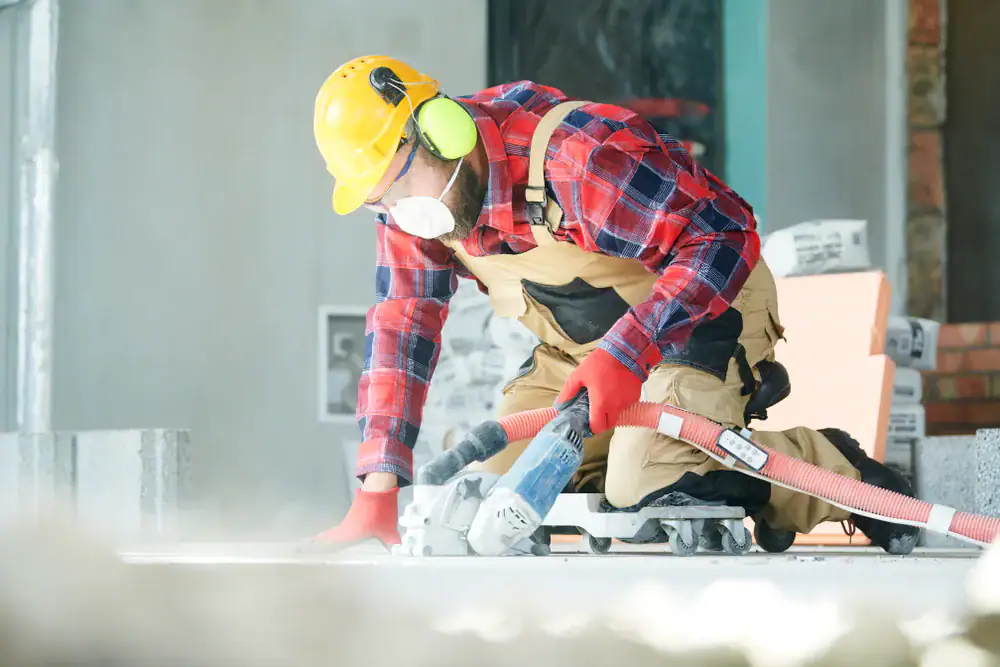
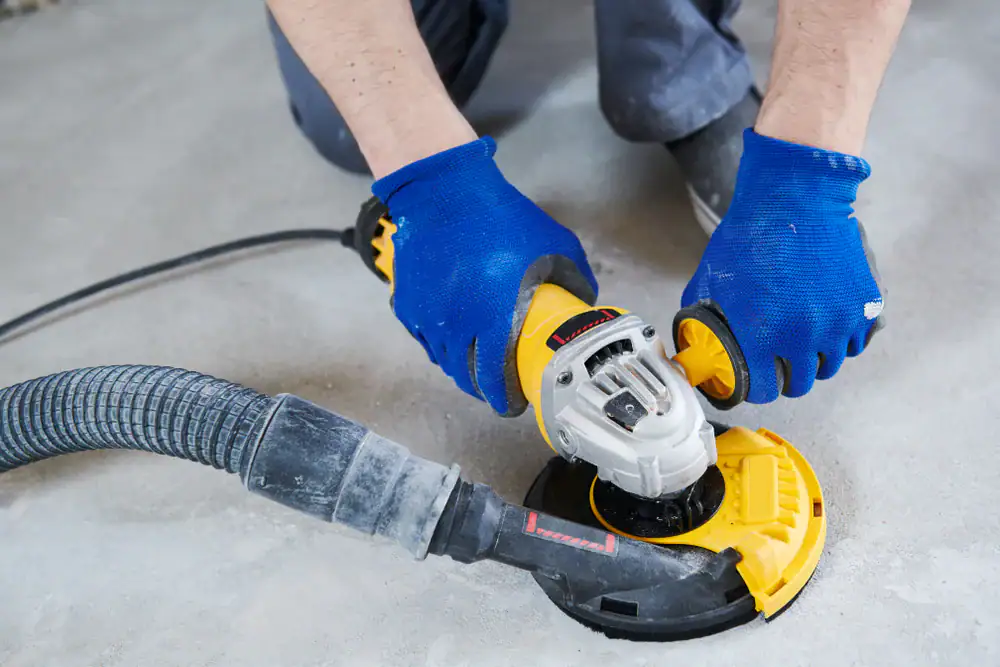
Next, we bring in our grinders—equipped with dust collection systems that capture nearly all the particulate. We’re not creating a cloud of silica dust that settles on everything in your building. The vacuum system pulls it as we grind, which matters if you’re in food service, healthcare, or any environment where air quality isn’t optional.
We grind in passes, starting with coarser diamonds to remove coatings or high spots, then moving to finer grits depending on what the floor needs. If you’re prepping for epoxy, we stop at the profile your coating system requires. If you want polished concrete, we keep going until the surface is smooth and reflective. The floor gets cleaned between passes, and we check levelness as we go.
Once grinding is done, the surface is prepped for sealing, coating, or polishing. We don’t leave until the floor is clean, even, and ready for the next step—whether that’s our work or someone else’s.
Ready to get started?
Concrete Restoration Services Kendall FL
Concrete grinding isn’t just running a machine across your floor. It’s surface prep, correction, and restoration all in one process.
We remove old epoxy, paint, mastics, and other coatings that are failing or need to come off before new applications. We level out lippage—those small height differences between slabs that create trip hazards or make forklifts bounce. We grind down rough spots, trowel marks, and surface imperfections that keep your floor from looking or performing the way it should.
In Kendall, we see a lot of concrete that’s been exposed to Florida’s humidity, salt air, and heavy use. That means surface scaling, minor spalling, and wear patterns that make floors look worse than they structurally are. Grinding brings you back to clean, sound concrete without the cost or disruption of removal.
We also handle trip hazard grinding for sidewalks and exterior slabs. Instead of replacing an entire section because of a half-inch lift from tree roots, we grind down the high side and create a smooth transition. It’s faster, cheaper, and it works. Kendall’s older neighborhoods and commercial centers have plenty of these issues, and most property owners don’t realize how affordable the fix actually is.

How much does concrete grinding cost in Kendall?
Concrete grinding typically costs between $2 and $6 per square foot depending on the condition of your floor, the level of prep required, and what you’re grinding for. If we’re removing thick coatings or dealing with heavily damaged concrete, it’s on the higher end. If it’s a straightforward surface prep for epoxy or polishing, it’s usually closer to the lower end.
For context, replacing a concrete floor runs anywhere from $8 to $15+ per square foot when you factor in demo, disposal, and new installation. Grinding eliminates most of that cost while solving the same problem. We give you transparent pricing after we see the space—no ballpark guesses over the phone, because your floor might be different than the last one we quoted.
Most commercial projects in Kendall fall somewhere between 2,000 and 10,000 square feet. Residential is usually smaller—garages, patios, interior floors. Either way, you’ll know the cost before we start, and there won’t be surprise charges for things we should’ve seen during the walkthrough.
Is concrete grinding dusty, and can it be done indoors?
Traditional concrete grinding creates a massive amount of dust. That’s why we don’t do it that way. We use dustless grinding equipment with high-powered vacuums and HEPA filtration that captures over 99% of the dust as it’s created.
This matters if you’re operating a business, living in the space, or working in an environment where airborne silica is a health or regulatory concern. Food facilities, medical offices, schools, and even residential kitchens can’t afford to shut down for days while dust settles. Our system lets you stay operational in most cases, or at least limits downtime to hours instead of days.
Dust isn’t just an inconvenience—it’s a respiratory hazard and a contamination risk. Florida’s humidity makes it worse because the particles stick to surfaces and get into HVAC systems. We’ve ground floors in active warehouses, retail spaces, and occupied homes without creating the kind of mess that requires a cleaning crew afterward. If your space can’t handle dust, make sure whoever you hire has actual dust collection, not just a shop vac and a promise.
Can concrete grinding fix uneven floors or trip hazards?
Yes, but it depends on how uneven we’re talking about. Concrete grinding can remove lippage between slabs, smooth out high spots, and eliminate minor trip hazards caused by settling, heaving, or surface damage. If you’ve got a slab that’s lifted a quarter inch to half an inch higher than the one next to it, we can grind down the high side and create a smooth transition.
What grinding can’t fix is major structural movement or voids under the slab. If your concrete has dropped several inches or there’s a gap underneath, that’s a foundation or mudjacking issue. Grinding addresses surface-level problems, not sub-slab ones. But for the majority of trip hazards we see in Kendall—sidewalks lifted by tree roots, warehouse floors with slab curl, retail entries with uneven transitions—grinding is the right fix.
It’s also a fraction of the cost of replacing the section. A full sidewalk panel replacement might run $800 to $1,500 depending on size and access. Grinding the same hazard usually costs $150 to $400 and takes a couple hours instead of a couple days. The fix is permanent as long as whatever caused the movement has stabilized.
How long does concrete grinding take?
Most residential concrete grinding projects take four to eight hours depending on square footage and surface condition. A two-car garage usually gets done in half a day. A kitchen or interior living space might take less if it’s just prep work for coating.
Commercial projects vary more. A 5,000-square-foot warehouse floor might take two to three days if we’re removing old coatings and doing a full prep. Retail spaces with obstacles, tight corners, or multiple rooms take longer than wide-open areas. We also account for drying time if we’re doing crack repairs or patching before grinding.
For most projects in Kendall, we can start within a few days of your approval and finish within a week. If it’s an emergency—like a trip hazard that’s creating liability or a floor that needs to be ready for an inspection—we’ve turned around projects in 24 to 48 hours. Speed matters, but so does doing it right. We don’t rush through passes or skip steps to hit a deadline, because that just means you’re calling someone else to fix it later.
What’s the difference between concrete grinding and polishing?
Concrete grinding is the process of removing material from the surface using diamond abrasives. It’s typically done to level the floor, remove coatings, or prep the surface for a new treatment. Grinding stops once the floor is smooth and at the right profile for whatever comes next—usually a coating, overlay, or sealer.
Concrete polishing takes grinding further. After the initial grinding passes, we continue with progressively finer diamond grits to refine the surface until it’s smooth and reflective. Polished concrete has a shine to it and doesn’t require a topical coating. The density and clarity come from the grinding process itself, combined with a densifier that hardens the surface.
If you want a polished concrete look, we grind and polish in the same project. If you’re installing epoxy or another coating system, we stop after grinding because the coating provides the finished look. Most commercial clients in Kendall go with polished concrete for warehouses and retail because it’s low maintenance and holds up under traffic. Residential clients usually choose grinding as prep for epoxy, especially in garages and outdoor spaces. Both start with the same process—it’s just a question of how far you want to take the finish.
Do I need to seal or coat concrete after grinding?
It depends on where the concrete is and what you’re using it for. Interior floors that see foot traffic, equipment, or spills should be sealed or coated after grinding. Bare concrete is porous, which means it absorbs liquids, stains easily, and breaks down faster under use. Sealing or coating protects the surface and makes it easier to clean.
If you’re grinding as prep for epoxy, urethane, or another coating system, that coating serves as the protective layer. You don’t need a separate sealer. If you’re going with polished concrete, we apply a densifier during the polishing process that hardens the surface, and then a final sealer to protect the finish and add sheen.
Exterior concrete—like sidewalks, patios, or driveways—can be left unsealed if you’re okay with it weathering naturally. Florida’s rain, humidity, and sun will wear on it over time, but it won’t fail structurally. Most clients choose to seal exterior concrete after grinding because it keeps the surface looking cleaner and makes it more resistant to staining from mold, mildew, or organic debris. We’ll recommend what makes sense for your specific situation, but sealing almost always extends the life and appearance of the floor.
Other Services we provide in Kendall
Leave a Reply