


Concrete Grinding in Lantana, FL
Floors That Last Decades, Not Just Years
Hear from Our Customers
Professional Concrete Grinding Contractors
You’re not grinding concrete because it’s fun. You’re doing it because your floor needs to hold up under real conditions—foot traffic, forklifts, Florida’s moisture, UV exposure through those big windows. Or because you’re about to spend money on epoxy or polished concrete and you need the surface ready to actually bond.
Proper concrete grinding removes old coatings, levels uneven surfaces, opens up the pores for adhesion, and creates the profile your next layer needs to stick. When it’s done right with dustless equipment and diamond tooling, you’re not dealing with airborne silica, respiratory complaints from your team, or a surface that fails in six months because someone skipped steps.
What you get is a floor that holds coatings for 15 to 20 years instead of peeling in two. A polished surface that doesn’t need waxing or constant maintenance. And a timeline that doesn’t drag out because the crew showed up prepared with the right equipment and actually knows what grit sequence to run.
Concrete Grinding Services in Lantana
We’ve been handling concrete surface preparation and polished concrete projects across South Florida since 2020. We’ve worked with the Coast Guard, US Army facilities, City of Doral, City of Sunny Isles, and county projects throughout Palm Beach and Broward—the kind of clients that don’t tolerate shortcuts or change orders.
We’re not a franchise operation or a crew that subcontracts the actual work. Every grinder, every piece of dustless equipment, every person on your site is ours. That means when you call with a question or need something adjusted mid-project, you’re talking to the people doing the work.
Lantana sits right in the middle of our service area. We know the climate challenges here—the humidity that makes coatings fail, the salt air that accelerates wear, the temperature swings that crack poorly prepped surfaces. We also know the mix of commercial warehouses, retail spaces, and residential properties that need concrete work done right the first time.
Our Concrete Floor Grinding Process
First, we assess your concrete. Not every floor needs the same approach. We’re looking at the existing coating or sealant, any cracks or lippage, moisture levels, and what you’re planning to put on top. That tells us which diamond grit sequence to use, whether we need shot-blasting for heavy coatings, and how many passes it’ll take.
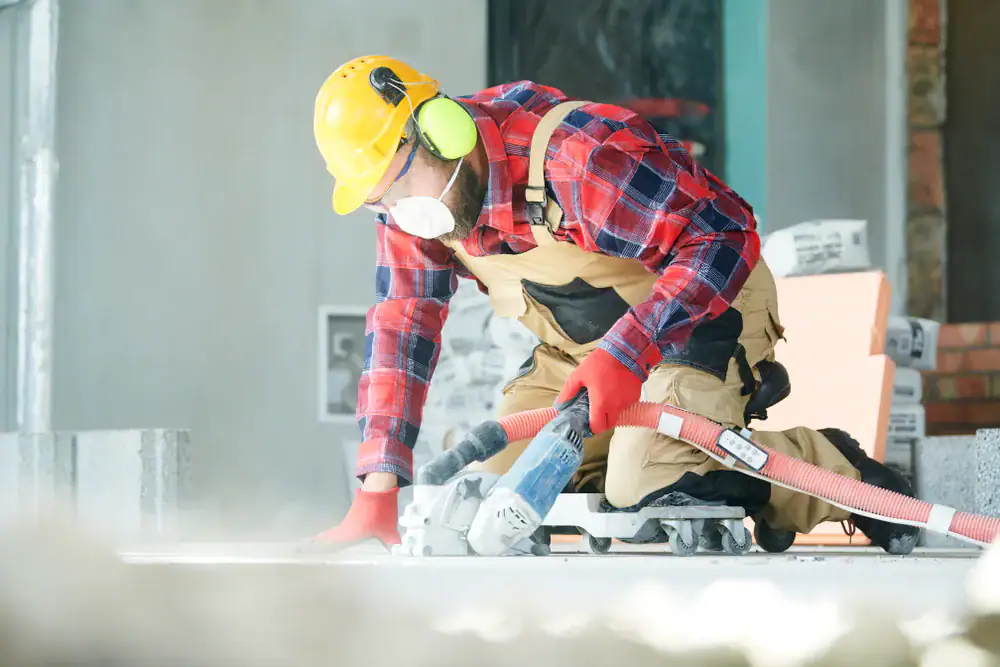
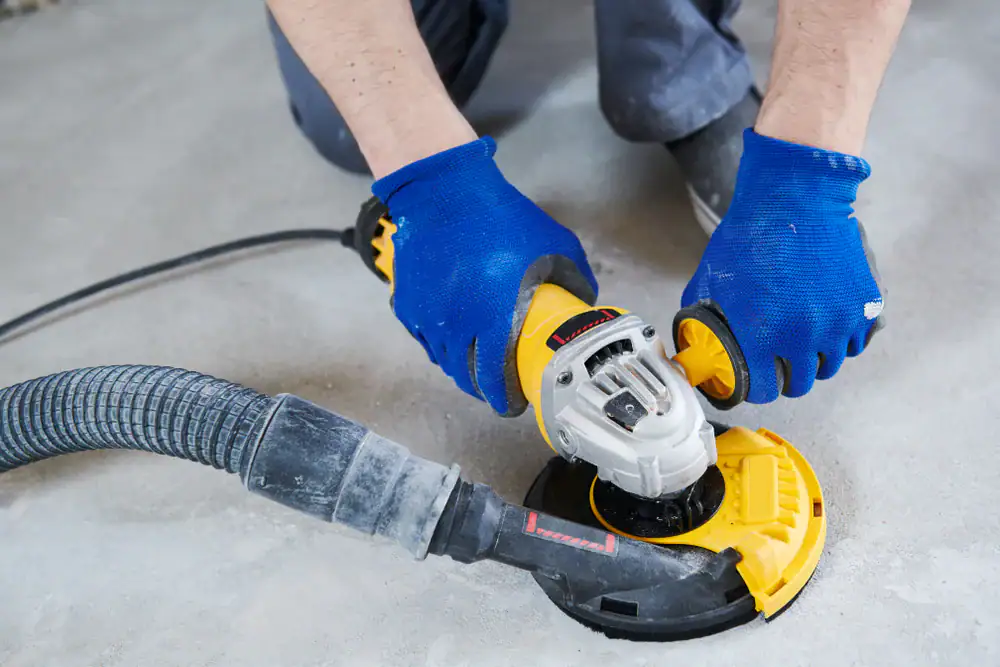
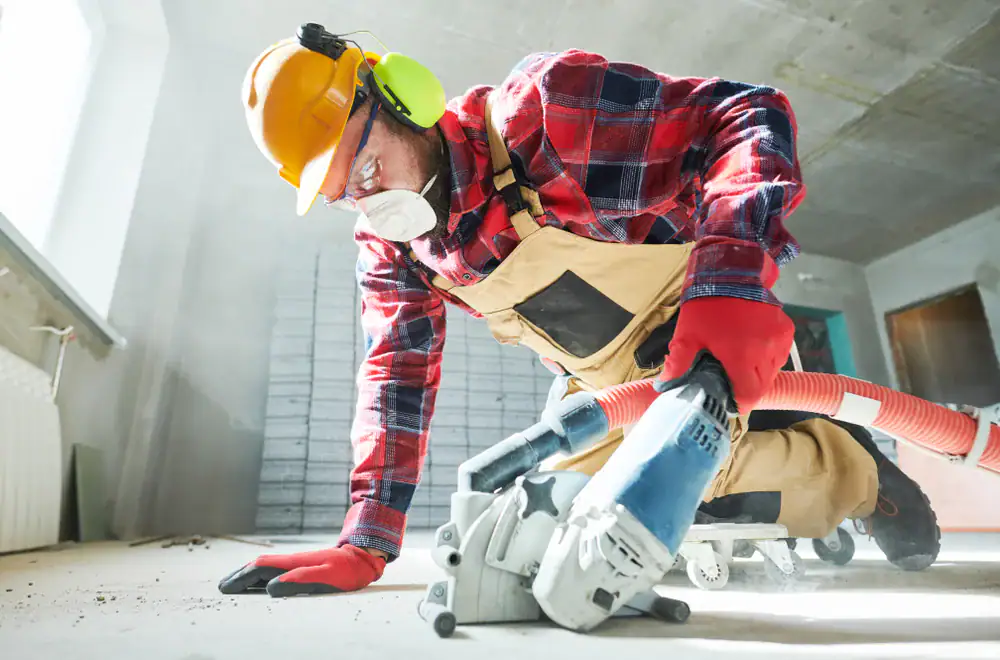
Then we prep the space. Our dustless grinding systems use HEPA filtration that captures 99% of airborne particles, so your team isn’t breathing silica and you’re not spending two days cleaning dust off every surface. We mask off areas that need protection, but the containment is built into the equipment.
The grinding itself is methodical. We start with coarser diamonds to remove coatings and level the surface, then move through finer grits depending on the end goal. For polished concrete, we’re going all the way to a refined finish. For epoxy prep, we stop at the profile that gives you maximum adhesion. We check flatness as we go and address any low spots or problem areas before they become issues later.
Cleanup is minimal because the dust never became a problem in the first place. You’re left with a prepped surface that’s ready for the next phase—whether that’s our epoxy crew, a polishing treatment, or another contractor’s coating system.
Ready to get started?
Concrete Restoration Services Lantana, FL
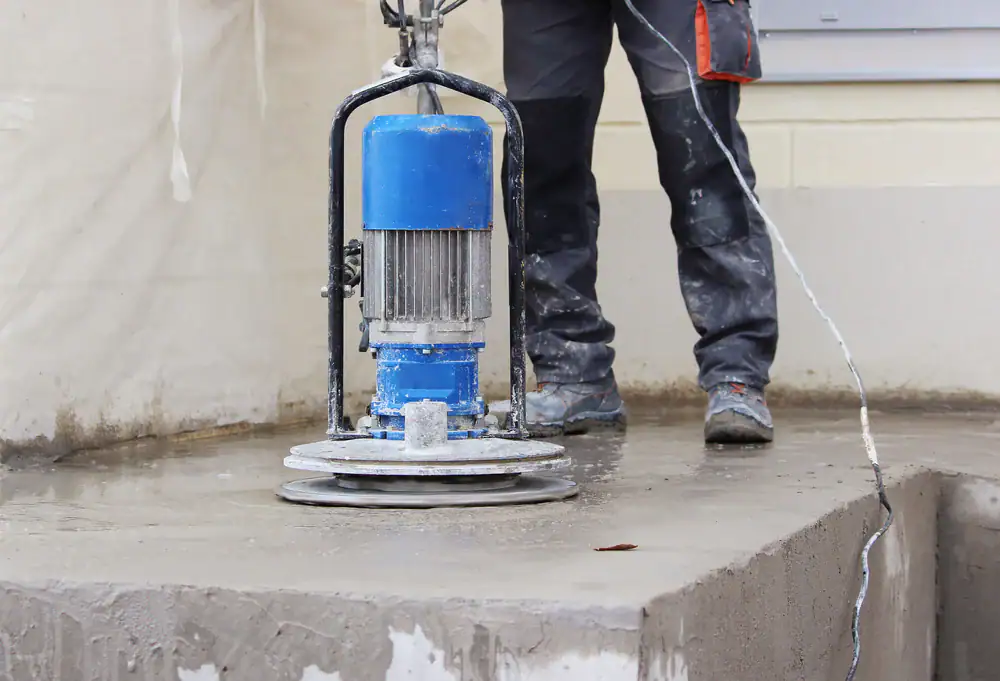
You’re getting diamond grinding with industrial equipment—not consumer-grade tools that burn out halfway through a warehouse floor. We use planetary grinders for large areas and edge grinders for perimeters and tight spaces. All of it runs through dustless collection systems, which matters more in Florida than most places because humidity makes dust stick to everything.
Surface profiling is part of the process. We’re creating the texture and tooth that epoxy, urethane, or polishing densifiers need to penetrate and bond. That’s measured in concrete surface profile standards, and we match it to your coating manufacturer’s specs so you’re not voiding warranties before you even start.
For Lantana’s commercial and industrial properties, we also handle shot-blasting when you’ve got thick elastomeric coatings or heavy contamination that grinding alone won’t clear. And if you’re dealing with uneven slabs or lippage between pours, we level those before we move into finer grits.
The goal isn’t just smooth concrete. It’s concrete that’s ready for a 20-year floor system, not a 2-year patch job. In a climate where moisture comes up through slabs and humidity sits at 80% half the year, surface prep is the difference between a floor that lasts and one that fails during your busy season.
How long does concrete grinding take for a typical commercial space?
For most commercial floors in Lantana—retail spaces, warehouses, light industrial—you’re looking at one to three days depending on square footage and what we’re removing. A 5,000-square-foot retail floor with an old sealer might take a day and a half. A 20,000-square-foot warehouse with heavy coatings and uneven areas could stretch to three days.
The timeline depends on how many passes we need to make, what grit sequence the surface requires, and whether we’re dealing with problem areas like old adhesive, thick epoxy, or lippage between pours. We can also work nights or weekends if you can’t shut down during business hours.
What speeds things up is showing up with the right equipment and enough crew to keep the work moving. What slows things down is discovering halfway through that the concrete is contaminated, moisture levels are too high, or previous coatings weren’t disclosed upfront. The more we know during the estimate, the tighter the timeline.
Is dustless concrete grinding really dustless, or is that just marketing?
It’s not zero dust, but it’s close enough that you won’t need to shut down adjacent spaces or spend days cleaning afterward. Our grinders connect directly to HEPA-filtered vacuum systems that capture particles at the source—before they go airborne. You’ll see a small amount of fine residue near the work area, but nothing like traditional grinding where dust coats everything within 50 feet.
This matters in Florida because humidity makes concrete dust stick to walls, HVAC systems, and inventory. It also matters for health and safety. Silica dust is a serious respiratory hazard, and OSHA has strict limits on exposure. Dustless systems keep your team safe and your space functional.
The difference is in the equipment. Consumer-grade grinders with shop-vac attachments don’t cut it. We’re using industrial planetary grinders with shrouds and dedicated dust collectors rated for fine particulate. It’s a bigger upfront investment, but it’s the only way to grind concrete in occupied buildings without creating a disaster.
Can you grind concrete that already has epoxy or coating on it?
Yes, and that’s one of the most common reasons people call us. Old epoxy, urethane, sealers, mastics, tile adhesive—we remove all of it as part of surface prep. The approach depends on what’s on there and how thick it is. Light sealers come off with a few passes of coarse diamond tooling. Thick epoxy or elastomeric coatings might require shot-blasting first, then grinding to refine the surface.
The key is getting down to clean, bare concrete so the next coating actually bonds. If you try to put new epoxy over old sealer or a contaminated surface, it’ll delaminate. You’ll see bubbles, peeling, and failure within months. That’s not a coating problem—it’s a prep problem.
We also check for moisture issues while we’re grinding. Florida’s water table is high, and older slabs in Lantana often don’t have proper vapor barriers. If moisture is coming up through the concrete, we need to address that before any coating goes down. Otherwise you’re just trapping water under your new floor and waiting for it to fail.
What’s the difference between grinding and polishing concrete?
Grinding is surface prep. Polishing is a finish. Grinding removes coatings, levels the slab, and creates the profile you need for whatever comes next—epoxy, overlay, densifier, or a polished system. Polishing takes that ground surface and refines it through progressively finer diamond grits until you hit the sheen level you want—matte, satin, or high-gloss.
Polished concrete also involves densifiers, which are chemical hardeners that penetrate the surface and make it more durable and stain-resistant. You grind, apply densifier, let it cure, then continue polishing through finer grits. The result is a surface that doesn’t need waxing or coating and can last 20+ years with minimal maintenance.
Both processes use diamond tooling, and both require dustless equipment if you’re doing it right. But polishing is a longer process with more steps, and it only works if the underlying concrete is in good shape. If your slab is heavily cracked, spalled, or contaminated, you might need restoration work before polishing is even an option. That’s something we assess during the walkthrough.
Do I need to move everything out before you start grinding?
Depends on the space and the scope. For a full warehouse or retail floor, yes—we need clear access to grind efficiently and safely. For smaller areas or phased work, we can often work around equipment, racking, or fixtures as long as there’s enough room to maneuver the grinders and we’re not creating access problems.
If you’re keeping the business open during the work, we can section off areas and grind in phases. That’s common for retail spaces or facilities that can’t shut down completely. We’ll coordinate the schedule so you’re not blocking critical operations, and the dustless equipment makes it possible to work without contaminating the rest of the building.
The conversation happens during the estimate. We walk the space, talk through your constraints, and figure out the most practical approach. If moving everything out isn’t realistic, we’ll find a way to work in stages. If it’s a straightforward empty space, we can move faster and give you a tighter timeline.
How much does concrete grinding cost in Lantana?
Most commercial concrete grinding in Lantana runs between $2 and $6 per square foot depending on what we’re removing, the condition of the slab, and how much prep the surface needs. A straightforward grind on a clean slab with light sealer sits at the lower end. Heavy coatings, uneven surfaces, or contaminated concrete pushes it higher because it takes more time, more aggressive tooling, and sometimes additional processes like shot-blasting.
Residential projects tend to be smaller square footage but sometimes more complex because of tight spaces, multiple rooms, or decorative elements that need protection. We price those after a walkthrough because every home is different.
What affects cost is labor, equipment wear, and disposal. Diamond tooling isn’t cheap, and it wears down based on how hard the concrete is and what’s on it. Harder aggregate or thick coatings burn through diamonds faster. We also factor in the dustless systems, which require maintenance and filter replacement. You’re paying for the equipment that keeps your space clean and your team safe, not just the guy running the grinder. We give you transparent pricing after we see the job—no surprises, no hidden fees for things we should’ve spotted during the estimate.
Other Services we provide in Lantana
Leave a Reply