


Concrete Grinding in Leisure City, FL
Floors That Actually Stay Level and Last
Hear from Our Customers
Concrete Floor Grinding Contractors Leisure City
When your concrete gets ground correctly, you’re not just smoothing out a surface. You’re eliminating the weak spots that cause coatings to peel six months later. You’re leveling out the ridges and adhesive patches that make new flooring impossible to install flat. You’re opening up the pores in the concrete so whatever goes on top actually bonds instead of sitting on a slick, sealed layer waiting to fail.
Most concrete grinding contractors show up, make dust, and leave. What you don’t see until later is whether they actually profiled the surface to the right depth, whether they caught the high spots, whether they removed all the contaminants that prevent adhesion. That’s where jobs go wrong, and it’s expensive to fix after the fact.
Proper concrete grinding means your epoxy doesn’t bubble. Your polished finish doesn’t wear unevenly. Your new tile sits flat without lippage. The floor you’re investing in actually performs the way it’s supposed to, and you’re not calling someone back in a year to redo it.
Concrete Grinding Services Leisure City FL
We’ve been handling concrete surface prep and specialty flooring across South Florida since 2020. We’re veteran-owned, and we’ve worked on projects for the U.S. Military, Coast Guard facilities, the City of Doral, the City of Sunny Isles, and county schools throughout Miami-Dade. Those clients don’t hire based on the lowest bid. They hire based on who shows up, does it right, and doesn’t create problems.
Leisure City sits in a market where construction standards matter and shortcuts show up fast in Florida’s humidity and heat. We use dustless grinding systems because the alternative isn’t just messy, it’s a health hazard and a liability in most commercial and food-service environments. We work with Sherwin Williams and Fosroc products because they back our installations with real warranties when the prep work is done to spec.
You’re not getting a crew that learned concrete grinding last month. You’re getting the same process we use on government contracts, just applied to your warehouse, showroom, garage, or facility.
Professional Concrete Grinding Process Leisure City
First, we assess the surface. Not every floor needs the same treatment. We’re looking at what’s currently on the concrete, how level it is, what’s going on top, and what profile depth we need to hit for proper adhesion. If there’s old coating, adhesive, or contaminants, we map that out before we start.
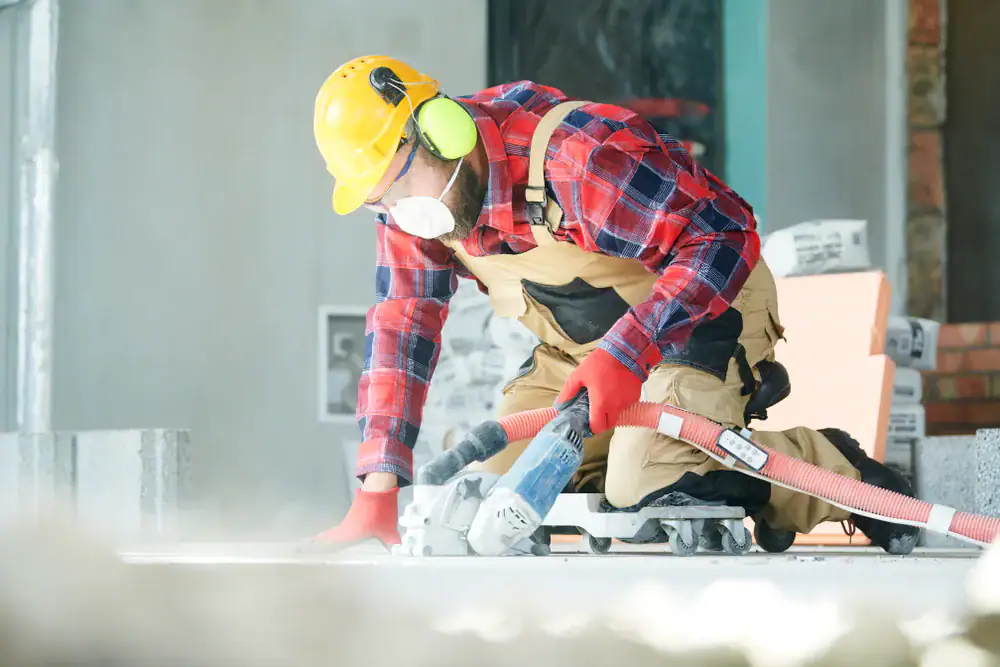
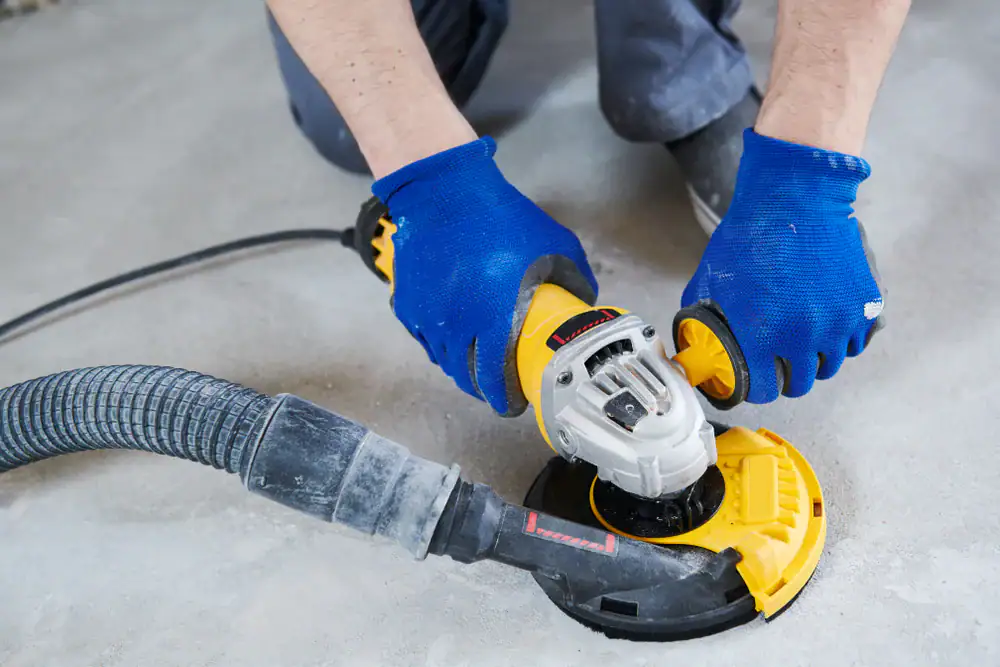
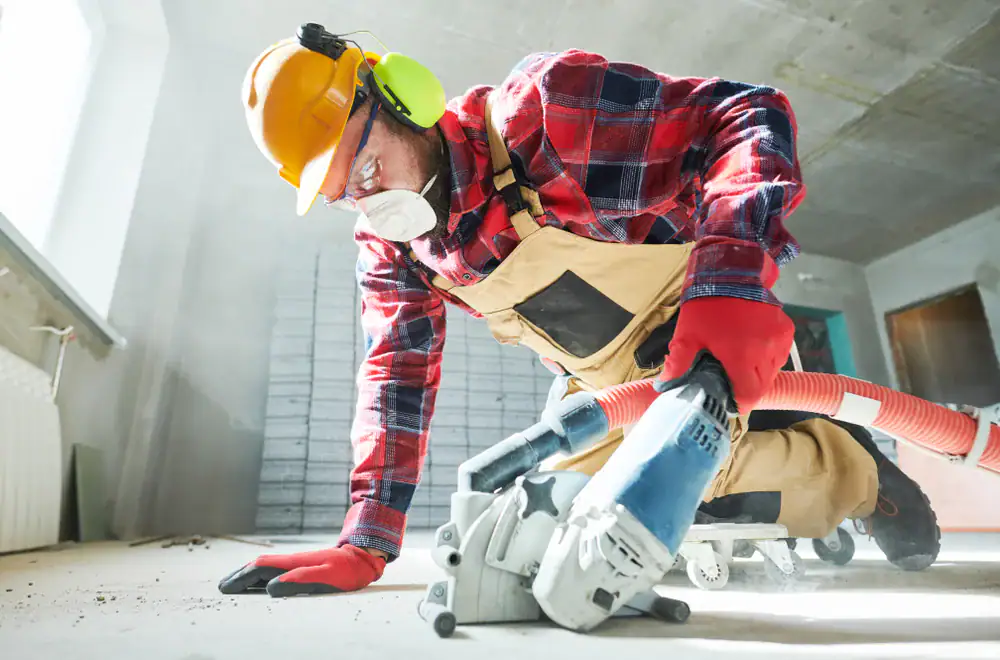
Then we grind. We use diamond tooling and dustless vacuum systems that pull particulate at the source. You’re not dealing with silica dust floating through your building or settling on equipment. The grind itself removes surface imperfections, opens the concrete’s pore structure, and levels out uneven areas. Depending on the project, we may go through multiple passes with different grit levels to hit the right profile.
After grinding, we handle repairs if needed. Cracks, spalls, and low spots get filled with compatible repair materials before any coating or finish goes down. Then we clean the surface completely. Any residual dust or debris left behind will compromise whatever comes next, so this step isn’t optional.
Once the surface is prepped, clean, and profiled correctly, it’s ready for polishing, epoxy, coating, or whatever finish you’re installing. The difference between a floor that lasts two years and one that lasts twenty often comes down to how well this prep work was executed.
Ready to get started?
Concrete Restoration Services Leisure City FL
Every concrete grinding project we take on in Leisure City includes a full surface assessment before we start. We’re not guessing at what your floor needs. We’re measuring, testing, and planning the approach based on what’s actually there and what you’re trying to accomplish.
You get dustless grinding using commercial-grade equipment with HEPA filtration. This matters more than most people realize, especially if you’re in a facility that can’t shut down operations or if you’re in an environment with air quality restrictions. Florida’s updated OSHA requirements around respirable crystalline silica aren’t suggestions, and we’re already compliant.
We handle crack repair, surface leveling, and contaminant removal as part of the prep process. If your concrete has old glue, coatings, or sealers that need to come off, that’s part of the job. If there are uneven sections or trip hazards, we address those during grinding. The goal is a surface that’s ready for the next step without surprises.
Leisure City’s proximity to industrial zones and Homestead’s agricultural operations means we see a lot of concrete that’s taken a beating from heavy equipment, chemical exposure, and Florida’s weather. We’re used to working with floors that need more than a light pass. Whether it’s a warehouse floor that needs to handle forklifts or a showroom that needs to look clean and professional, the prep work has to match the end use.
How long does concrete grinding take for a typical commercial space?
For most commercial spaces in the 2,000 to 5,000 square foot range, you’re looking at one to three days depending on the condition of the concrete and what profile depth we need to achieve. A clean slab with minimal coatings and no major repairs can move faster. A floor with multiple layers of old epoxy, uneven sections, or significant damage takes longer.
The actual grinding time is only part of it. We also factor in surface prep before grinding, cleanup between passes, and any crack or spall repairs that need to cure before we finish. If you’re on a tight timeline, we can often work overnight or over weekends to avoid disrupting operations, but the concrete itself dictates some of the schedule.
We’ll give you a realistic timeline during the consultation after we’ve seen the space. If you need it done in 24 to 48 hours for an emergency project, we’ve handled that before, but it requires coordination and the right conditions. Most projects don’t need to be rushed if we plan it properly from the start.
What’s the difference between concrete grinding and polishing?
Grinding is surface preparation. Polishing is a finish. They use similar equipment, but the goal is completely different. When we grind concrete, we’re removing material, opening up the surface, and creating a profile so coatings or other finishes can bond. When we polish concrete, we’re refining the surface through progressively finer grits until it’s smooth and reflective.
Most polished concrete projects start with grinding to remove any existing coatings and level the surface. Then we move into the polishing phase, which involves multiple passes with finer and finer diamond abrasives, often combined with chemical densifiers that harden the concrete. The result is a durable, low-maintenance floor with a glossy finish that doesn’t require waxing or coating.
If you’re installing epoxy, urethane, or another coating system, you only need grinding. The floor doesn’t need to be polished because it’s getting covered. If you want the concrete itself to be the finished floor, then polishing is the next step after grinding. Both require the right equipment and experience to do correctly, but they serve different purposes in the overall process.
Will concrete grinding create a lot of dust in my facility?
Not if it’s done with proper dust collection, which is how we operate. Standard concrete grinding without vacuum systems creates massive amounts of silica dust that gets everywhere, damages equipment, creates health hazards, and violates OSHA standards in most commercial settings. That’s not how we work.
We use dustless grinding systems with high-performance vacuums and HEPA filters that capture particulate at the source. You’ll see some fine dust immediately around the work area, but it’s not filling your facility or settling on products, machinery, or inventory. This is especially important in Leisure City’s industrial and food-service facilities where airborne contaminants aren’t just inconvenient, they’re a compliance issue.
Florida’s regulations around respirable crystalline silica have gotten stricter, and for good reason. Prolonged exposure causes serious lung damage. We’re already set up to meet those standards because it’s the right way to do the work, not just because it’s required. If someone’s quoting you a concrete grinding job without mentioning dust collection, that’s a red flag.
Can you grind concrete that already has epoxy or coating on it?
Yes, and that’s actually one of the most common reasons people call us. Old epoxy, urethane, paint, and other coatings need to come off before you can apply a new system, and grinding is usually the most effective way to remove them while also prepping the concrete underneath.
The challenge is that not all coatings come off the same way. Some peel up easily once you break the surface. Others are bonded hard and require multiple passes with aggressive tooling. If the existing coating is failing or delaminating, that’s a sign the concrete wasn’t prepped correctly the first time, which means we need to grind down to clean concrete and start over.
We’ll also remove adhesive residue from old flooring, mastics, glues, and sealers. These contaminants prevent new coatings from bonding, so they have to come off completely. Once we’ve ground the surface clean and profiled it to the right depth, you’re starting with a solid base that won’t cause the same problems again. It’s more work upfront, but it’s the only way to avoid repeating the same failure.
How do I know if my concrete needs grinding before coating?
If your concrete has any existing coating, sealer, paint, or adhesive residue, it needs grinding before you apply anything new. Coatings don’t bond to other coatings reliably, and they definitely don’t bond to contaminated or sealed surfaces. Even if the concrete looks clean, it might have a surface sealer or curing compound that’s invisible but will cause adhesion failure.
You also need grinding if the surface is too smooth. Troweled concrete, especially power-troweled slabs, can be so dense and slick that coatings won’t grab. Grinding opens up the pore structure and creates the texture (called a profile) that allows mechanical bonding. Without that profile, you’re just laying coating on top of concrete and hoping it sticks.
If there are high spots, uneven areas, or surface damage, grinding levels those out so your finished floor doesn’t have ridges, lips, or weak points. We can assess this during a site visit and tell you exactly what profile your concrete needs based on what coating or finish you’re installing. It’s not a guessing game, there are industry standards for this, and we follow them.
Do you offer concrete grinding for residential projects in Leisure City?
Yes. We handle residential concrete grinding for garages, patios, driveways, basements, and interior floors. Homeowners usually call us when they want to install epoxy in their garage, polish an interior slab, or prep a surface for tile or staining. The process is the same as commercial work, just scaled to the size of the project.
Residential concrete often has different challenges than commercial slabs. Garage floors tend to have oil stains, tire marks, and old sealers that need to be removed. Patio concrete might have surface scaling or weathering from Florida’s sun and rain. Interior slabs sometimes have adhesive from old flooring or uneven areas where the finish coat wasn’t placed correctly.
We bring the same equipment and process to residential jobs that we use on commercial and government projects. You’re getting a properly prepped surface, not a quick pass with a rented grinder that doesn’t actually solve the problem. If you’re investing in a new floor finish, the prep work needs to be done right, whether it’s a 20,000 square foot warehouse or a two-car garage.
Other Services we provide in Leisure City
Leave a Reply