


Concrete Grinding in Miami, FL
Your Floors Fixed Right, Not Ripped Out
Hear from Our Customers
Concrete Floor Grinding Contractors Miami
Ripping out concrete and starting over costs a fortune. Grinding doesn’t. You get a level surface, trip hazards eliminated, and a floor that’s prepped for epoxy, polish, or sealer—without the downtime or the dumpster.
If your warehouse floor has cracks, your sidewalk’s uneven, or your garage looks like it’s been through a decade of abuse, grinding brings it back. It’s not cosmetic. It’s structural prep that actually matters when you’re about to coat or seal.
Miami properties deal with humidity, salt air, and constant wear. Your concrete shows it. Grinding removes the damaged top layer, exposes clean material underneath, and creates the profile coatings need to bond. No shortcuts. No patch jobs that fail in six months.
Concrete Grinding Services Miami, FL
We’ve been grinding and resurfacing concrete in South Florida since 2020. We’ve worked on military facilities, city projects in Doral and Sunny Isles, high schools, and commercial properties across Miami-Dade. If it’s concrete and it needs fixing, we’ve seen it.
We’re not the cheapest call you’ll make. But we’re the one that shows up with dustless equipment, finishes in 24 to 48 hours when timelines matter, and doesn’t leave you guessing about what happens next. You get transparent pricing, a real consultation, and work that passes inspection the first time.
Most of our clients are property owners, facility managers, and contractors who need concrete prep done right before coatings go down. We handle commercial warehouses, residential garages, retail spaces, and industrial floors. If you’re in Miami and your concrete’s a problem, we’re local and we’re ready.
Professional Concrete Grinding Process Miami
First, we assess your floor. Not every concrete issue needs the same fix. We look at cracks, surface damage, levelness, and what you’re planning to do after grinding. That tells us how aggressive we need to be and what equipment to bring.
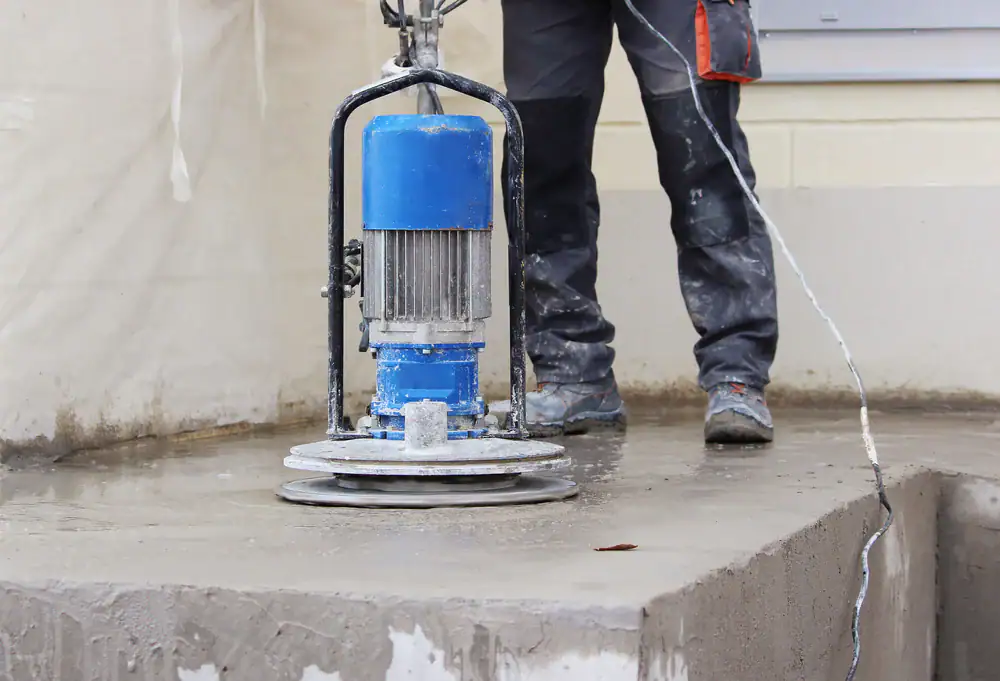
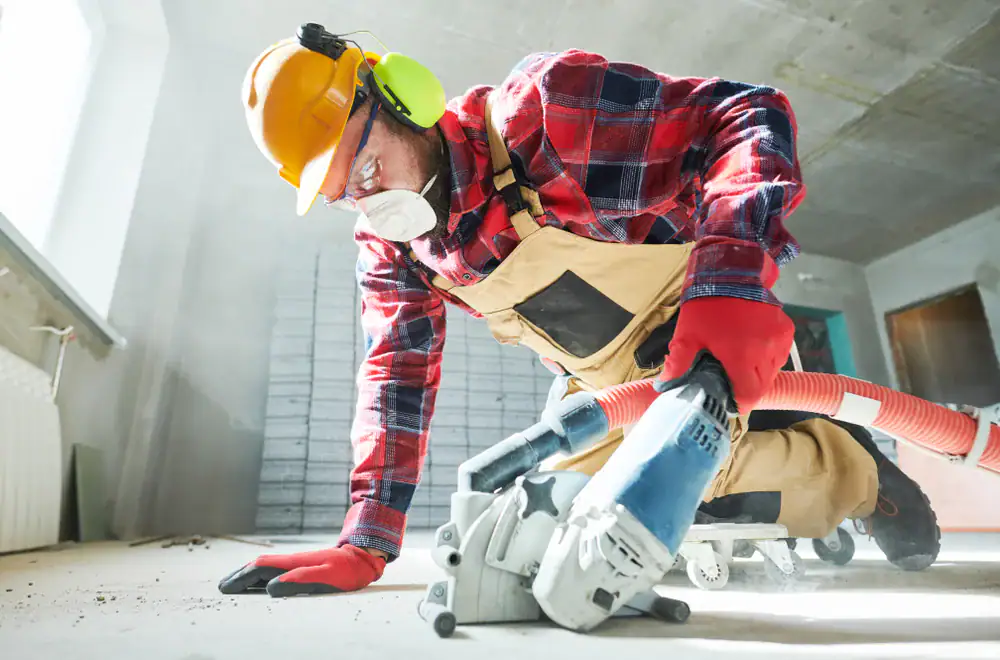
Then we grind. We use diamond abrasives and industrial grinders that remove the damaged layer, smooth out high spots, and create the right surface profile. If you’re coating the floor after, we dial in the texture so epoxy or sealer actually sticks. If you’re polishing, we prep it so the next steps go smooth.
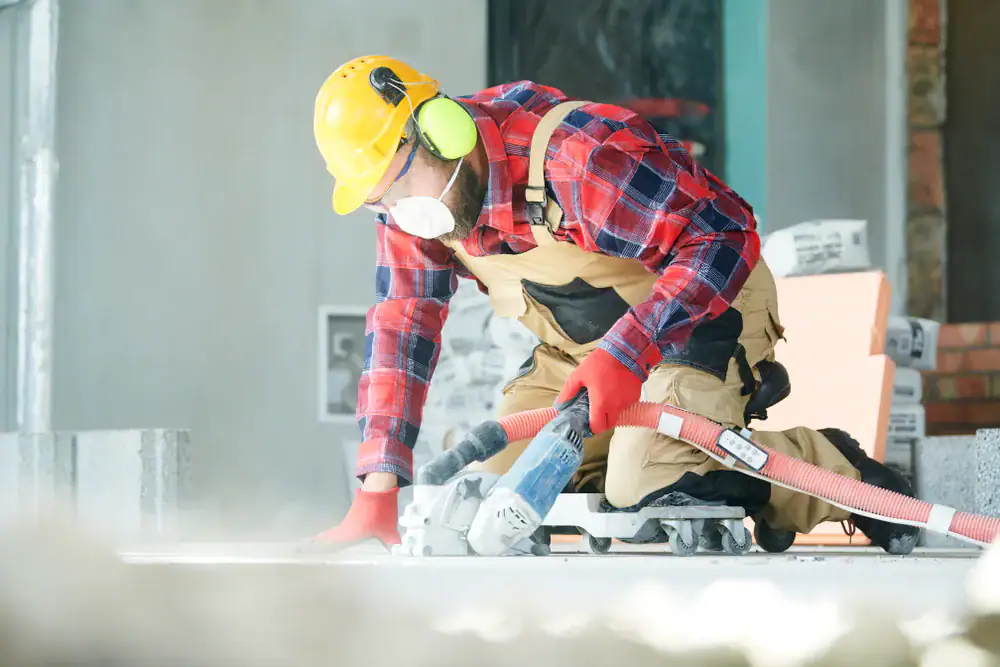
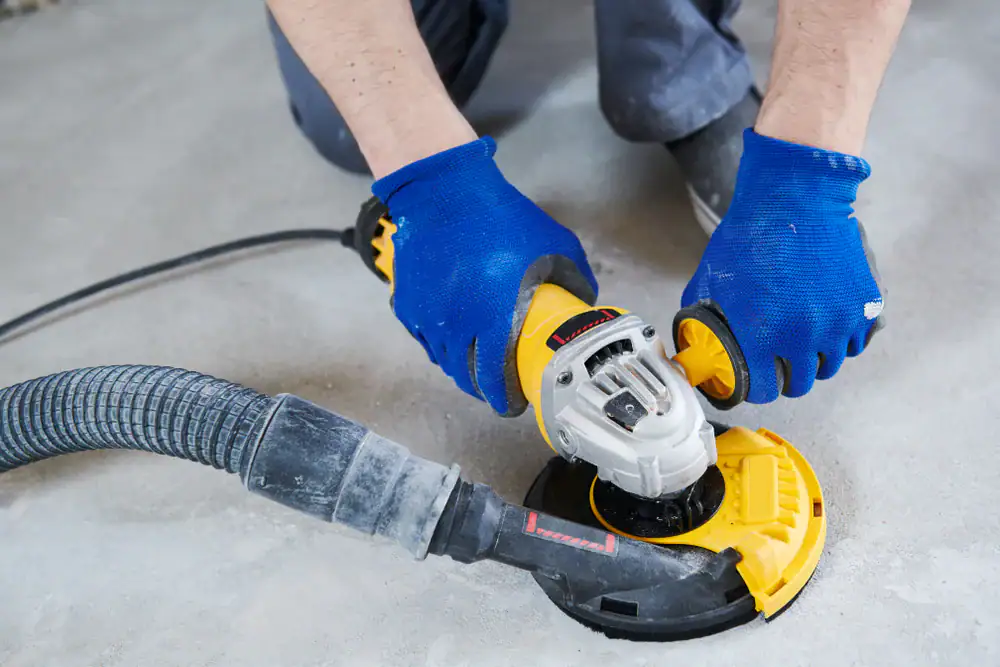
We run dustless systems. That means high-powered vacuums with HEPA filters pulling dust as we work. You’re not shutting down your facility for a week or dealing with concrete powder settling on everything. We contain it, we remove it, and we leave the site cleaner than most crews bother with.
After grinding, we clean up and walk you through what’s next. If you’re doing epoxy or polishing, we can handle that too. If someone else is, your surface is prepped and ready to go.
Ready to get started?
Concrete Restoration Services Miami, FL
Concrete in Miami takes a beating. Salt air corrodes the surface. Humidity causes scaling. Heavy traffic wears down high-use areas. Tree roots lift slabs and create trip hazards on sidewalks and driveways. Grinding levels all of it.
We handle uneven concrete that’s become a liability. If your sidewalk’s creating ADA violations or someone’s going to trip and sue, grinding eliminates the height difference and keeps you compliant. If your warehouse floor has cracks and divots that damage forklifts or product, we smooth it out so operations don’t keep taking hits.
Surface prep is the other half of what we do. Coatings fail when they’re applied over contaminated or rough concrete. We remove oil, old sealers, adhesives, and anything else that’ll cause your epoxy to peel in six months. Then we profile the surface so your coating bonds properly and lasts.
You’ll see this on garage floors, restaurant kitchens, retail spaces, pool decks, and industrial facilities. Anywhere concrete’s taken damage or needs prep before the next phase. We work fast, we work clean, and we don’t leave until it’s done right.
How long does concrete grinding take for a typical commercial space?
Most commercial projects take one to three days depending on square footage and surface condition. A 5,000-square-foot warehouse floor with moderate damage usually wraps in two days. Smaller spaces like restaurant kitchens or retail floors can be done in 24 hours if access is clear and the concrete’s not severely damaged.
Timelines change if we’re dealing with heavy coatings that need full removal or if the slab has major structural issues. We’ll tell you upfront after assessing the space. For projects where downtime costs you money, we can work nights or weekends to keep your operations running. We’ve turned around kitchen floors in 48 hours so restaurants didn’t lose service days.
The grinding itself is the faster part. Dust containment, cleanup, and making sure the surface is ready for the next step takes attention. We don’t rush it and leave you with a mess or a floor that fails inspection.
Is dustless concrete grinding really dust-free, or is that just marketing?
It’s not completely dust-free, but it’s close enough that you won’t shut down adjacent areas or spend days cleaning. Our equipment uses industrial vacuums with HEPA filters that capture over 95% of airborne particles as we grind. What little escapes is minimal compared to standard grinding, which turns your space into a concrete dust storm.
This matters in Miami facilities that can’t afford contamination. If you’re running a food processing plant, pharmaceutical space, or any environment with air quality standards, dustless grinding keeps you compliant. It also matters for occupied buildings where tenants or employees are nearby. You’re not evacuating floors or dealing with complaints about dust settling everywhere.
We’ve ground floors in active retail spaces and schools where operations continued around us. The difference between dustless and standard grinding is whether you’re wiping down every surface for a week after or just sweeping up at the end of the day. If you’ve dealt with concrete dust before, you know it gets everywhere. This system stops that.
What’s the difference between grinding and resurfacing concrete?
Grinding removes material. Resurfacing adds it. If your concrete’s uneven, damaged, or contaminated, grinding takes off the top layer and exposes clean, level material underneath. If your concrete’s too far gone or you need to build up low spots, resurfacing applies a new layer on top.
Most projects need grinding first. You can’t resurface over oil stains, old coatings, or rough texture and expect it to hold. Grinding preps the surface so whatever comes next actually bonds. Then, depending on what you’re doing, you might polish the ground surface, apply epoxy, or add a resurfacing layer if the slab needs it.
We handle both. If your floor just needs smoothing and prep, grinding’s enough. If there’s structural damage or you want a completely new finish, we’ll grind first and then resurface. The decision comes down to what condition your concrete’s in and what you’re trying to achieve. We’ll walk the space with you and tell you what makes sense instead of upselling services you don’t need.
Can you grind concrete that already has epoxy or sealer on it?
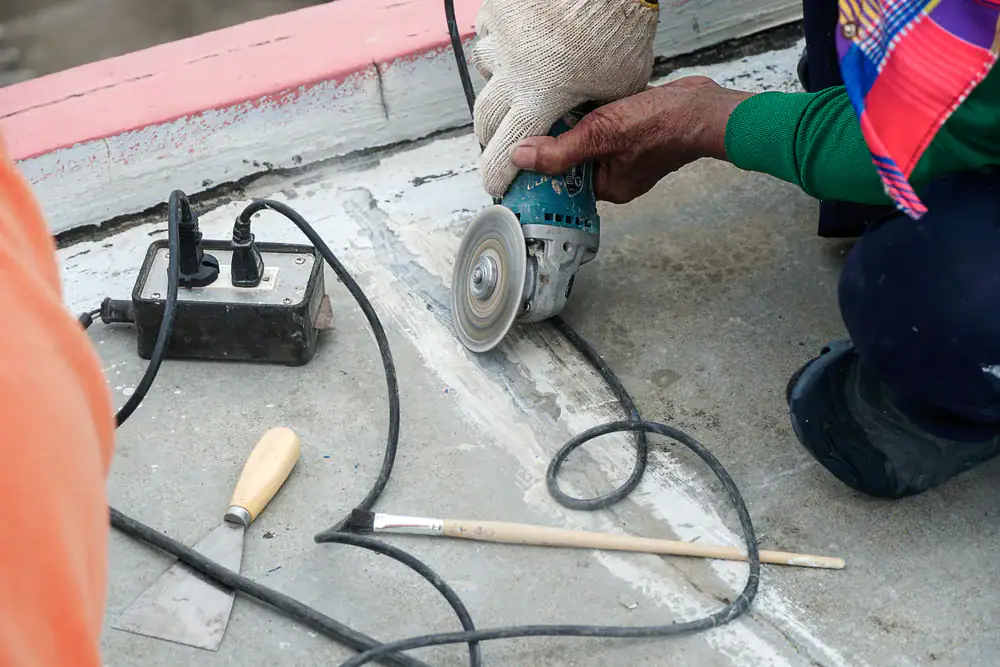
Yes, and that’s one of the main reasons people call us. Old epoxy, failed coatings, and worn-out sealers don’t just peel off. They need to be ground away so you’re back to bare concrete. If you’re recoating a floor, grinding removes the old layer and gives the new coating a clean surface to bond to.
This happens a lot in Miami with garage floors and commercial spaces where a previous coating was applied over dirty or improperly prepped concrete. It fails, starts peeling, and now you’ve got a bigger mess than you started with. Grinding strips it all off and resets the surface so the next application actually lasts.
The process is more aggressive than standard grinding because we’re cutting through coating and concrete. It takes longer and creates more wear on equipment, but it’s the only way to do it right. If someone tells you they can just coat over old epoxy, they’re setting you up for another failure. We’ve fixed too many of those jobs to recommend shortcuts.
How much does concrete grinding cost in Miami?
Most residential projects like garage floors run between $3 and $8 per square foot depending on condition and what prep’s needed. Commercial work varies more because of square footage, surface damage, and access. A straightforward warehouse floor might be $2 to $4 per square foot. A retail space with heavy coatings and tight timelines could be $6 to $10 per square foot.
We don’t give quotes over the phone because every floor’s different. A cracked slab with oil stains and old epoxy takes more time and equipment than a clean surface that just needs leveling. We’ll come out, assess the space, and give you transparent pricing based on what actually needs to happen.
Grinding’s cheaper than replacement. Tearing out and pouring new concrete runs $8 to $15 per square foot before you even think about coatings. If your concrete’s structurally sound, grinding saves you half the cost and gets you back in operation faster. That’s why most commercial clients go this route unless the slab’s completely destroyed.
Do I need to grind concrete before applying epoxy or polished finishes?
Yes. Epoxy and polished finishes don’t bond to dirty, smooth, or contaminated concrete. Grinding removes surface contaminants, opens up the pores, and creates the texture coatings need to grab onto. Without it, your epoxy peels, your polish doesn’t shine, and you’re redoing the job in a year.
Most coating failures happen because surface prep was skipped or done poorly. Concrete that looks clean still has dust, oils, and old sealers in the pores. Grinding takes that top layer off and exposes fresh material. Then we profile the surface to the right roughness—smoother for polishing, rougher for epoxy. That profile is what makes coatings last.
We’ve seen too many DIY jobs and cheap contractor work fail because they skipped grinding. Someone pressure washes the floor, throws down epoxy, and six months later it’s bubbling and peeling. If you’re investing in a coating or finish, grinding’s not optional. It’s the foundation that makes everything else work.
Other Services we provide in Miami
Leave a Reply