


Concrete Grinding in Morningside, FL
Level Floors That Actually Stay Coated
Hear from Our Customers
Professional Concrete Grinding Services
You’re not grinding concrete because it’s fun. You’re doing it because the floor underneath needs to be level, clean, and ready to bond with whatever comes next.
When concrete gets ground correctly, coatings stick. Trip hazards disappear. Uneven spots that cause planks to pop or epoxy to peel get smoothed out before they become your problem. That’s what matters.
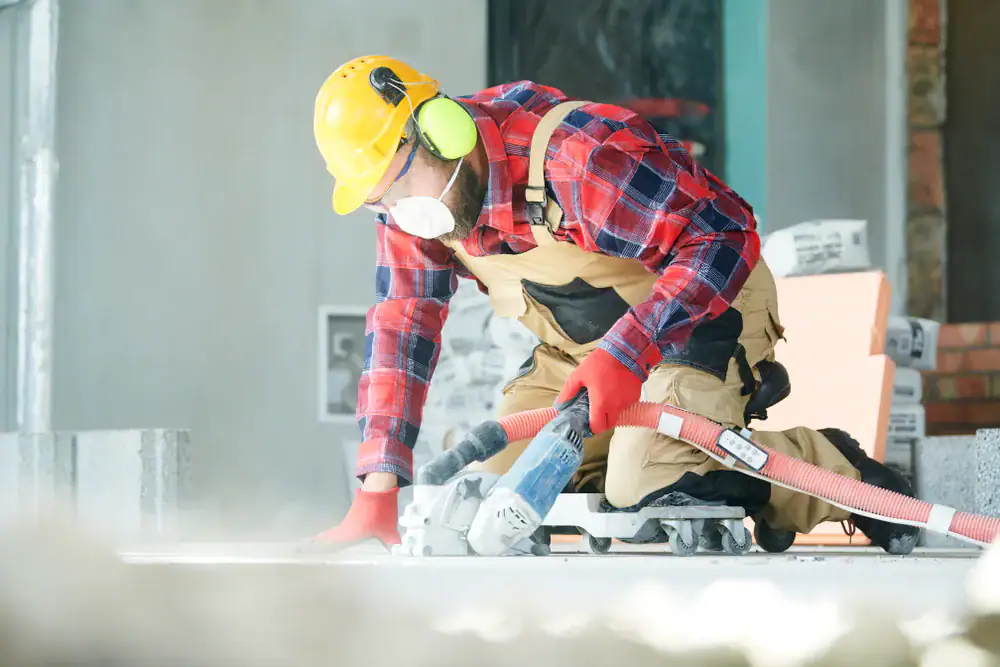
We use diamond grinding equipment with dustless vacuum systems, so you’re not dealing with clouds of silica or spending the next week cleaning. The floor gets prepped, you move forward with the install, and the finished product actually lasts. No callbacks. No peeling six months in. Just a surface that does what it’s supposed to.
Whether you’re prepping for polished concrete, epoxy coatings, or fixing lippage before a new floor goes down, the grind has to be done right. Otherwise, you’re just setting yourself up to redo it.
Concrete Grinding Contractors Morningside, FL
We’ve handled concrete prep for the Coast Guard, US Army, City of Doral, City of Sunny Isles, and county facilities across South Florida. When government contracts require accountability, they don’t hire the cheapest crew with a rented grinder.
We’re veteran-owned, and every job gets done by our team. No subs. No handoffs. You talk to us, we show up, we do the work. If something needs adjusting, we handle it.
Morningside sits in a high-construction zone where commercial builds and residential renovations are constant. That means a lot of concrete gets poured, and a lot of it needs correction before coatings or polish can go down. We’ve been doing this work since 2020, and we’ve built our reputation on not cutting corners when it comes to surface prep.
Concrete Floor Grinding Process
First, we assess the floor. We’re looking for lippage, pitting, old adhesive, coating residue, or uneven pours. If there are cracks or divots that need filling, we flag those before grinding starts.
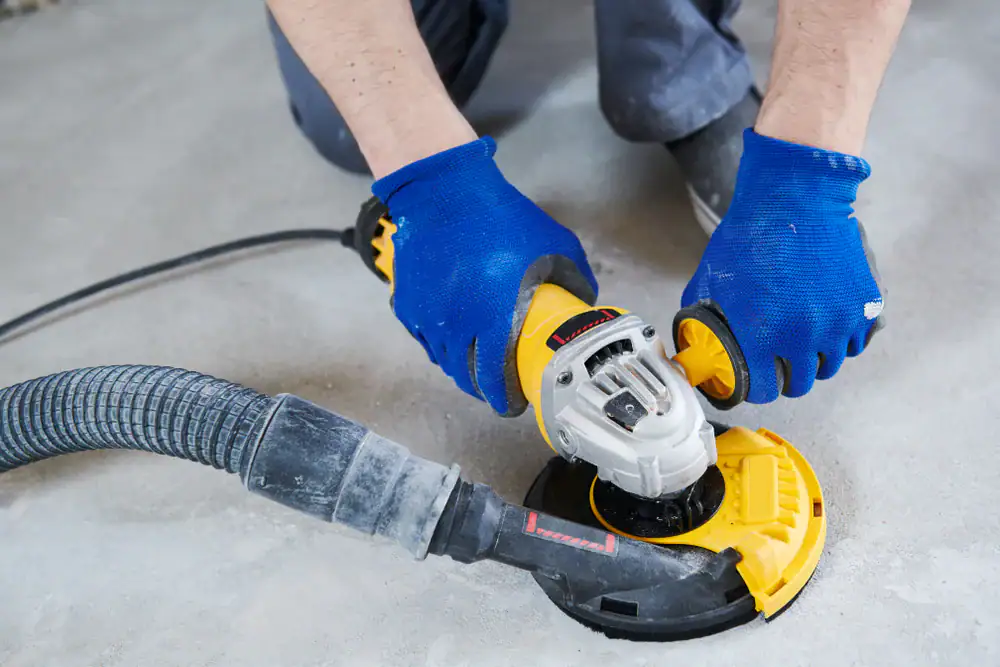
Then we run diamond grinding heads across the surface. The equipment we use connects to industrial vacuums with HEPA filtration, so dust stays contained. You’re not shutting down operations or dealing with respiratory hazards. The grind removes high spots, opens the pore structure for better adhesion, and levels out problem areas.
Once the surface is ground to profile, we clean it completely. Any slurry, debris, or leftover dust gets removed. What you’re left with is a clean, level surface that’s ready for whatever comes next—whether that’s epoxy, polyaspartic, polished concrete, or another floor system.
If repairs are needed, we handle those too. Cracks get filled, spalls get patched, and control joints get addressed. The goal is a surface that won’t cause problems later. We don’t move to the next phase until the floor is actually ready.
Ready to get started?
Dustless Concrete Grinding Morningside
Every concrete grinding project includes a full surface evaluation, diamond grinding to the correct profile, and dustless containment using HEPA-filtered vacuum systems. You’re not getting a quick pass with a rental machine—this is precision work with commercial-grade equipment.
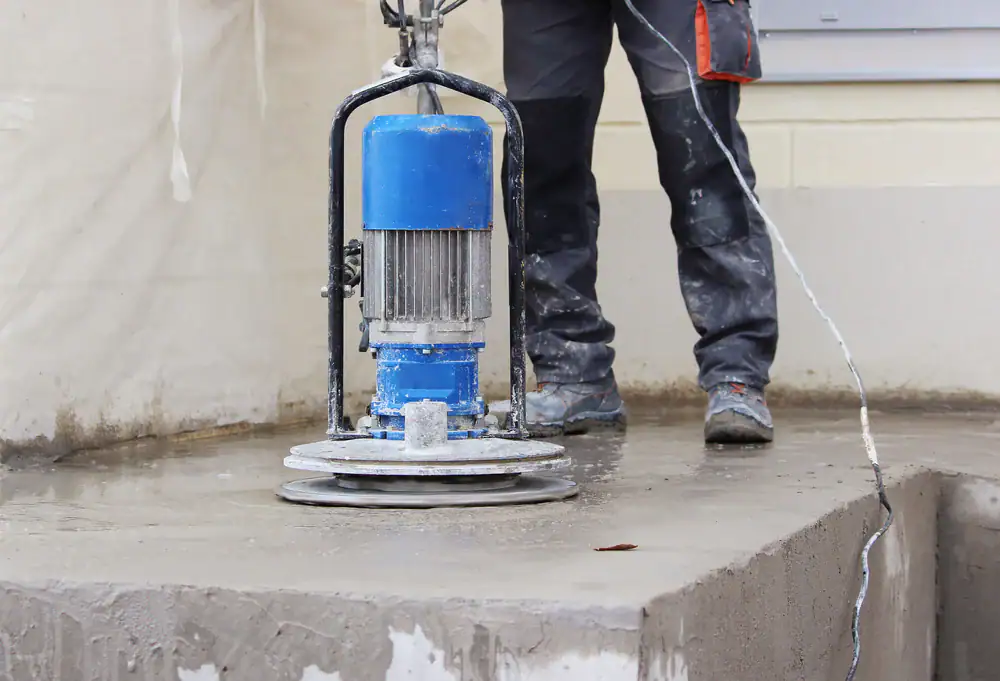
We handle removal of old coatings, adhesives, mastics, and surface contaminants that prevent proper bonding. If your concrete has faulting, minor pits, or rough texture, the grinding process corrects that and creates a smooth, even profile.
In Morningside and the surrounding areas, a lot of older concrete suffers from poor finishing or years of wear. We see floors in warehouses, garages, retail spaces, and municipal buildings that were never prepped correctly to begin with. Grinding resets that surface so the next system actually works.
We also handle trip hazard mitigation for sidewalks and exterior concrete. Raised sections get ground down to eliminate liability and meet ADA requirements. For commercial properties and government facilities, that’s not optional—it’s a code issue.
All work is done in-house. We don’t subcontract grinding or prep. You get the same crew from start to finish, and if something needs adjusting, we’re the ones who handle it.

How long does concrete grinding take for a typical project?
Most residential garages or small commercial spaces take one to two days, depending on the size and condition of the concrete. If we’re grinding 1,000 square feet with minor lippage and no major repairs, that’s usually a single-day job.
Larger commercial or industrial floors take longer. A 10,000-square-foot warehouse might take three to five days, especially if there’s heavy coating removal or significant surface damage. We don’t rush the process—grinding to the wrong profile or missing contamination means the next coating fails.
For projects that need fast turnaround, we can often mobilize within 24 to 48 hours. That’s common for kitchen floors, retail spaces, or facilities that can’t afford extended downtime. We’ll give you a realistic timeline during the walkthrough, and we stick to it.
Is concrete grinding really dustless, or is that just marketing?
It’s not completely dust-free, but it’s as close as you’re going to get with this type of work. Our grinders connect to industrial vacuums with HEPA filters that capture 99% of the dust at the source. You’re not dealing with clouds of silica or spending days cleaning afterward.
Traditional concrete grinding without dust containment is a health hazard. Silica dust causes serious respiratory problems, and OSHA has strict limits on exposure. We take that seriously, especially on occupied job sites or sensitive environments like food production facilities or medical buildings.
The vacuum system also speeds up the job. We’re not stopping every hour to squeegee slurry or wait for dust to settle. The floor stays cleaner throughout the process, and cleanup at the end is minimal. If you’ve had concrete ground before without dust control, you’ll notice the difference immediately.
What’s the difference between concrete grinding and shot blasting?
Both remove surface material and prep concrete for coatings, but they work differently. Shot blasting uses steel media propelled at high speed to fracture and remove the top layer of concrete. It’s aggressive, fast, and works well on large open areas.
Grinding uses diamond abrasives to cut and smooth the surface. It’s more controlled, which makes it better for uneven floors, lippage correction, or areas where you need a specific profile. Grinding also handles old coatings and adhesives more effectively than blasting.
We use both methods depending on the project. For a warehouse floor that just needs surface prep, shot blasting might be faster. For a retail space with tile adhesive or a garage with an old epoxy coating, grinding is the right call. We’ll recommend what actually makes sense for your floor, not just what’s easier for us.
Can you grind concrete that already has a coating on it?
Yes, and that’s one of the most common reasons people call us. Old epoxy, urethane, or acrylic coatings need to come off before a new system goes down. Grinding removes those coatings and preps the concrete underneath in one step.
The challenge is that some coatings are harder to remove than others. Thick epoxy or polyaspartic systems take more passes and more aggressive diamonds. If the coating is failing or delaminating, it comes off faster. If it’s still well-bonded, we have to grind through it.
We also handle adhesive removal from old tile, VCT, or carpet installations. That black mastic or thinset has to come off completely, or your new floor won’t bond. Grinding gets down to clean concrete so the next coating actually sticks. If we leave residue, you’ll have adhesion failures within months.
How much does concrete grinding cost in Morningside?
Most residential projects run between $2 and $5 per square foot, depending on the condition of the concrete and what needs to be removed. A standard two-car garage is usually $800 to $1,500 for grinding and prep.
Commercial projects vary more. If you’re grinding a clean slab with minor lippage, costs stay on the lower end. If we’re removing heavy coatings, repairing cracks, or dealing with significant damage, costs go up. We price based on what the floor actually needs, not a one-size-fits-all rate.
We’ll give you a clear quote after we see the space. No surprises, no upsells once we start. If conditions are worse than expected and additional work is needed, we’ll discuss that before proceeding. You’ll know what you’re paying and why.
Do I need to grind concrete before applying epoxy or polished concrete?
Yes. If you skip proper surface prep, the coating will fail. Epoxy needs a clean, profiled surface to bond correctly. Polished concrete requires a level surface free of damage and contamination. Grinding provides both.
Concrete that looks clean might still have surface laitance, curing compounds, sealers, or oils that prevent adhesion. Grinding removes that weak top layer and opens the pores so coatings can penetrate and bond. Without it, you’re just laying epoxy on top of a surface that won’t hold it.
We’ve been called to fix plenty of failed coatings where the contractor skipped grinding or did it incorrectly. The epoxy peels, bubbles, or debonds within months. That’s not a product failure—it’s a prep failure. If you’re investing in a new floor system, the grinding step is not optional.
Other Services we provide in Morningside
Leave a Reply