


Concrete Grinding in Newport Isles, FL
Dustless Grinding That Actually Protects Your Investment
Hear from Our Customers
Concrete Grinding Services Newport Isles
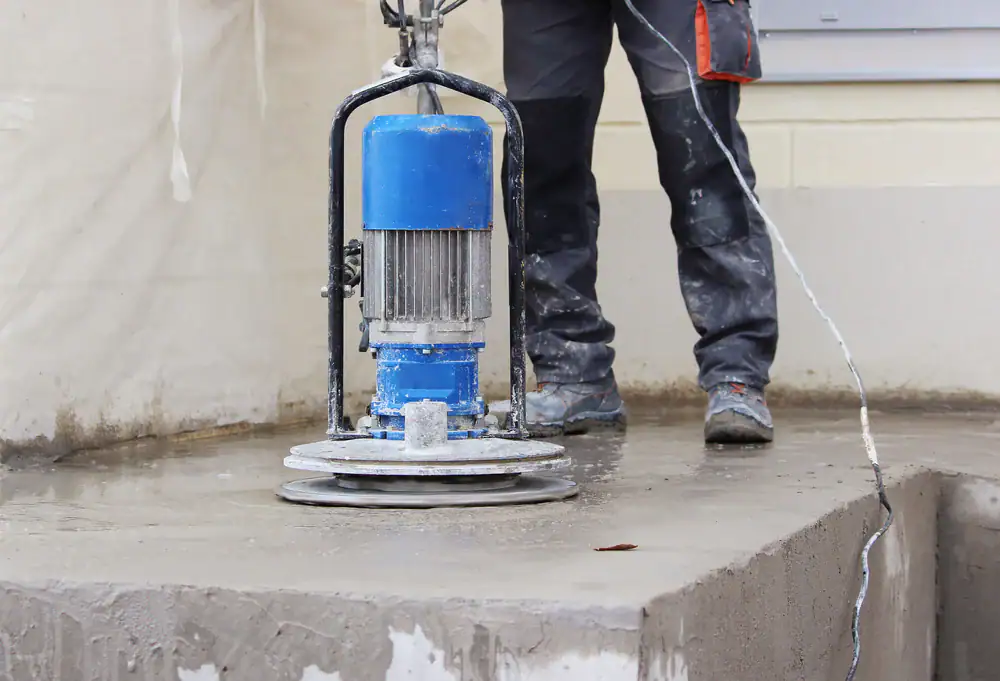
Your concrete doesn’t need to be perfect to look professional. It just needs proper preparation. That’s what concrete grinding does—it removes old coatings, levels uneven spots, and creates the clean surface you need before applying epoxy, polish, or sealant.
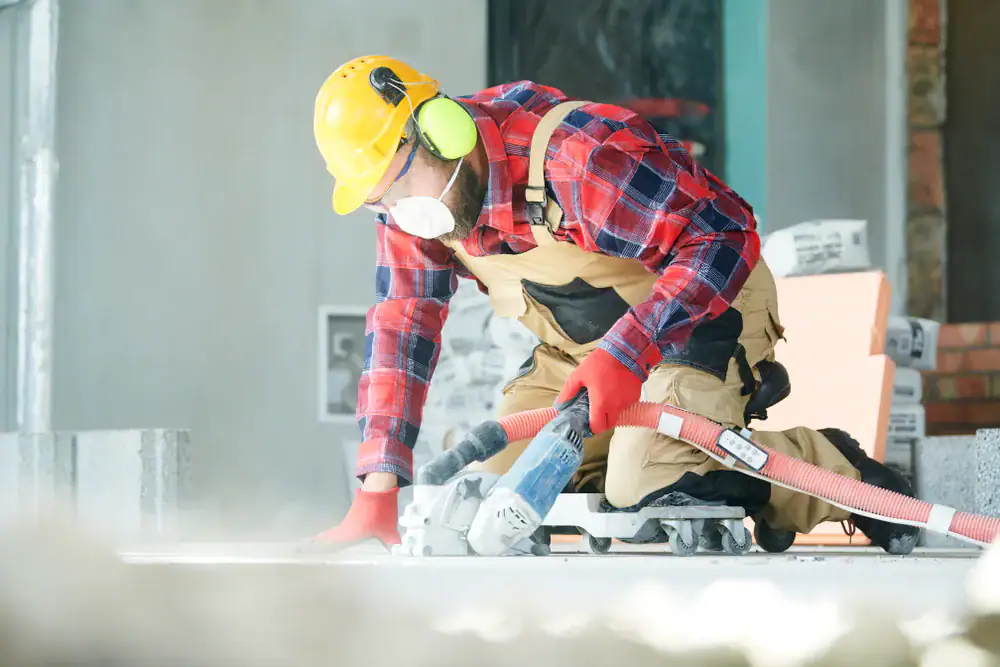
Traditional grinding creates dust. A lot of it. Enough to shut down operations, coat equipment, and create respiratory concerns for anyone nearby. Our dustless concrete grinding equipment captures particles as they’re created, so your warehouse stays operational and your garage doesn’t turn into a cleanup nightmare.
You get a smooth, prepped surface ready for whatever comes next. No containment structures. No extended downtime. No lingering dust settling on inventory or vehicles days later. The floor gets done, and everything else keeps moving.
Concrete Restoration Services Newport Isles
SPF Industrial has been handling concrete grinding and polished concrete work across South Florida since 2020. We’ve worked with the U.S. Military, Coast Guard facilities, and municipal projects in Doral and Sunny Isles—the kind of jobs where you don’t get a second chance to do it right.
Newport Isles properties deal with Florida’s humidity, salt air, and the kind of wear that comes from being this close to the water. We understand how moisture affects concrete here. How coatings fail when prep work gets rushed. How a floor that looks fine on the surface can have serious issues underneath.
We work directly with property owners and facility managers. No subcontractors. No runaround. You talk to the people doing the work, and we’re accountable from start to finish.
Concrete Floor Grinding Process
First, we assess the concrete. Not every floor needs the same approach, and grinding too much weakens the slab. We check for cracks, existing coatings, moisture issues, and how level the surface actually is. This tells us what equipment to use and how aggressive the grind needs to be.
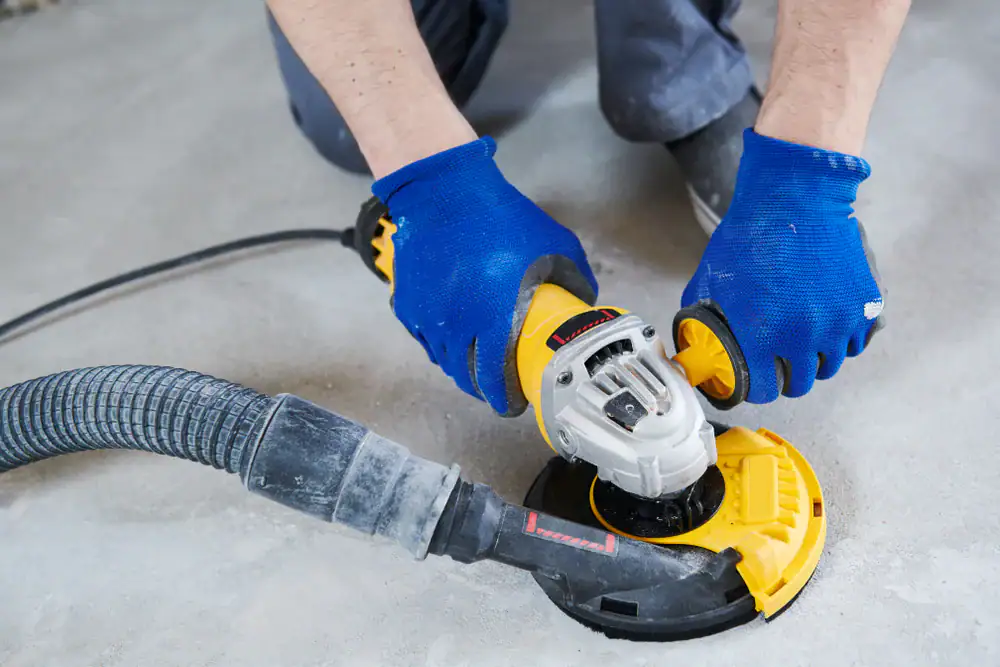
Then we grind. Our dustless equipment uses diamond abrasives to remove material while a vacuum system captures debris in real time. We work in passes, checking progress as we go. If you’re prepping for epoxy, we’re creating the profile the coating needs to bond. If you want polished concrete, we’re working toward that shiny, smooth finish.
Cleanup happens as we work, not after. By the time we’re done grinding, the floor is clean. You’re not dealing with piles of dust or waiting for air to clear. Most residential projects finish in 24 to 48 hours. Commercial jobs depend on square footage, but we move fast and we don’t leave a mess behind.
Ready to get started?
Cement Grinding Contractors Newport Isles
You get a consultation before we start. We walk the space, talk about what you’re trying to accomplish, and give you transparent pricing. No surprises. No upsells once we’re halfway through the job.
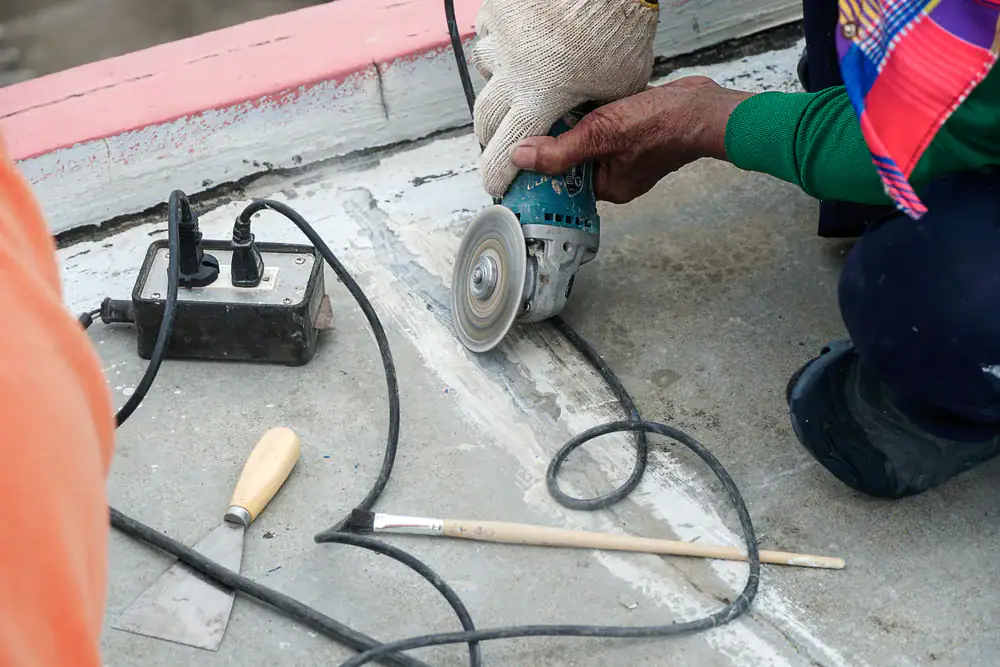
The grinding itself uses professional-grade equipment—the kind that doesn’t break down mid-job or leave uneven patches. We remove old epoxy, paint, sealers, and surface damage. We level trip hazards. We prep for coatings or create polished finishes, depending on what the space needs.
Newport Isles is close enough to the coast that salt and moisture are constant threats. Concrete here absorbs more than it would inland, and that affects how coatings perform. We account for that during surface prep. If moisture levels are too high, we’ll tell you before applying anything that’s going to fail in six months.
You also get follow-up. After the job’s done, we check in. If something doesn’t look right or you have questions about maintenance, we’re available. We use Sherwin Williams and Fosroc products when coatings go on after grinding, so you’re getting materials that hold up in Florida’s climate.

How long does concrete grinding take for a typical garage or warehouse?
Most residential garages take 24 to 48 hours from start to finish, including grinding and cleanup. That’s assuming the concrete is in decent shape and we’re prepping for a coating or creating a polished surface. If there’s heavy damage, old epoxy that’s really bonded, or multiple layers of sealant, it might take longer.
Commercial warehouses depend on square footage and what condition the floor is in. A 10,000-square-foot space with minimal prep might take two to three days. A larger facility with significant coating removal or leveling work could stretch to a week. We don’t rush jobs to hit a timeline if it means doing subpar work.
The dustless equipment speeds things up because we’re not stopping to contain dust or waiting for air to clear between passes. You’re not losing extra days to cleanup. The floor is ready to use or ready for the next step as soon as we’re done grinding.
Will concrete grinding weaken my floor or make it more likely to crack?
Grinding removes material, so yes, technically the slab gets thinner. But we’re talking about fractions of an inch in most cases—not enough to compromise structural integrity if the concrete was sound to begin with. The real risk comes from grinding too aggressively or removing too much material in one pass, which is why experience matters.
We assess the slab before we start. If the concrete is already thin, heavily cracked, or showing signs of underlying issues like voids or shifting, we’ll tell you. Sometimes grinding isn’t the right move. Sometimes you need repair work first, or a different approach entirely.
Florida concrete deals with moisture, salt, and temperature swings that create stress over time. Grinding doesn’t cause those problems, but it can expose them. If cracks are going to appear, they were already forming. Proper grinding just reveals what’s happening under the surface so you can address it before applying coatings that will fail.
Is dustless concrete grinding actually dustless, or is that just marketing?
It’s not zero dust, but it’s close. The equipment uses a vacuum system that captures particles as the grinder creates them, so you’re not dealing with clouds of silica dust filling the air. Most of the debris gets pulled into a collection system immediately. What little escapes is minimal compared to traditional grinding.
This matters in environments where dust is a deal-breaker—food processing facilities, pharmaceutical spaces, active retail stores, or anywhere with sensitive equipment. It also matters for health. Concrete dust contains silica, which is a respiratory hazard. Reducing exposure protects workers and anyone else in the space.
You’ll still see some fine residue near the work area, but it’s not coating everything in sight. We’re not setting up containment barriers or shutting down entire sections of a building. The space stays functional, and cleanup is straightforward. If you’ve dealt with traditional grinding before, the difference is obvious.
Can you grind concrete that already has epoxy or coating on it?
Yes, and that’s one of the most common reasons people call us. Old epoxy fails. It chips, peels, yellows, or just stops looking professional. Grinding removes it so you can start fresh with a properly prepped surface.
The challenge is that some coatings bond really well, and removing them takes time. Cheap epoxy might come up in a few passes. High-quality industrial coatings can be stubborn. We use diamond abrasives that handle both, but the timeline and cost depend on how much material we’re removing and how thick the coating is.
If the existing coating is failing because of moisture issues or poor surface prep the first time, grinding alone won’t fix that. We’ll identify the underlying problem during the assessment. Sometimes it’s a ventilation issue. Sometimes it’s groundwater. Sometimes the concrete was never sealed properly. We’ll tell you what’s causing the failure so it doesn’t happen again after we regrind and recoat.
What’s the difference between grinding for epoxy prep and grinding for polished concrete?
Grinding for epoxy creates texture. Coatings need a rough surface to bond to, so we’re opening up the concrete’s pores and creating what’s called a “profile.” Think of it like sanding wood before painting—you’re giving the material something to grip. The surface won’t be smooth to the touch, but it’s clean and ready for adhesion.
Polished concrete is the opposite. We’re grinding to remove imperfections and then progressively smoothing the surface with finer abrasives until it’s shiny. This takes more passes and more time because we’re working through multiple grit levels. The result is a glossy, durable finish that doesn’t need coating.
Both start with grinding, but the end goal changes the process. If you want epoxy, we stop once the surface profile is right. If you want polished concrete, we keep going until the floor looks like marble. The cost and timeline reflect that difference. Polished concrete takes longer and requires more precision, but it’s also a finished product—you’re not adding another layer on top.
How do you handle moisture issues in Newport Isles concrete before grinding?
We test for it first. Florida concrete, especially this close to the coast, absorbs moisture from the ground and the air. If moisture vapor levels are too high, any coating you apply will fail—it’ll bubble, peel, or delaminate within months. Grinding the surface doesn’t fix that problem.
We use moisture meters and sometimes calcium chloride tests to measure vapor emissions coming through the slab. If levels are above the threshold for the coating you want, we’ll recommend a moisture mitigation system or a different type of finish that can handle higher moisture. Polished concrete, for example, breathes better than epoxy.
Newport Isles properties near the water deal with this constantly. Older slabs without vapor barriers are especially vulnerable. We’ve seen plenty of jobs where someone applied epoxy without testing moisture, and it failed within a year. We’d rather tell you upfront that you need mitigation than have you pay twice—once for grinding and coating, and again to fix it when it fails.
Other Services we provide in Newport Isles
Leave a Reply