


Concrete Grinding in North Lauderdale, FL
Smooth, Safe Concrete Without the Dust or Downtime
Hear from Our Customers
Concrete Grinding Services North Lauderdale
Concrete grinding removes the imperfections that cause coatings to fail and people to trip. It levels uneven slabs, smooths rough patches, and creates the clean profile your floor needs before any coating, sealer, or polish goes down.
When done right, grinding eliminates weak spots that turn into cracks later. It removes old coatings, adhesives, and surface contaminants that prevent new materials from bonding. You’re left with a surface that’s structurally sound and ready for whatever comes next.
The difference between mediocre grinding and professional grinding shows up months later. One holds up under traffic and weather. The other starts chipping, peeling, or cracking because the prep work was rushed. If you’re investing in epoxy, polishing, or resurfacing, the grinding step determines whether that investment lasts two years or twenty.
Concrete Floor Grinding Contractors North Lauderdale
We handle concrete grinding for commercial properties, residential homes, and government facilities across North Lauderdale and Broward County. We’re a veteran-owned company that works directly with property owners—no subcontractors, no middlemen.
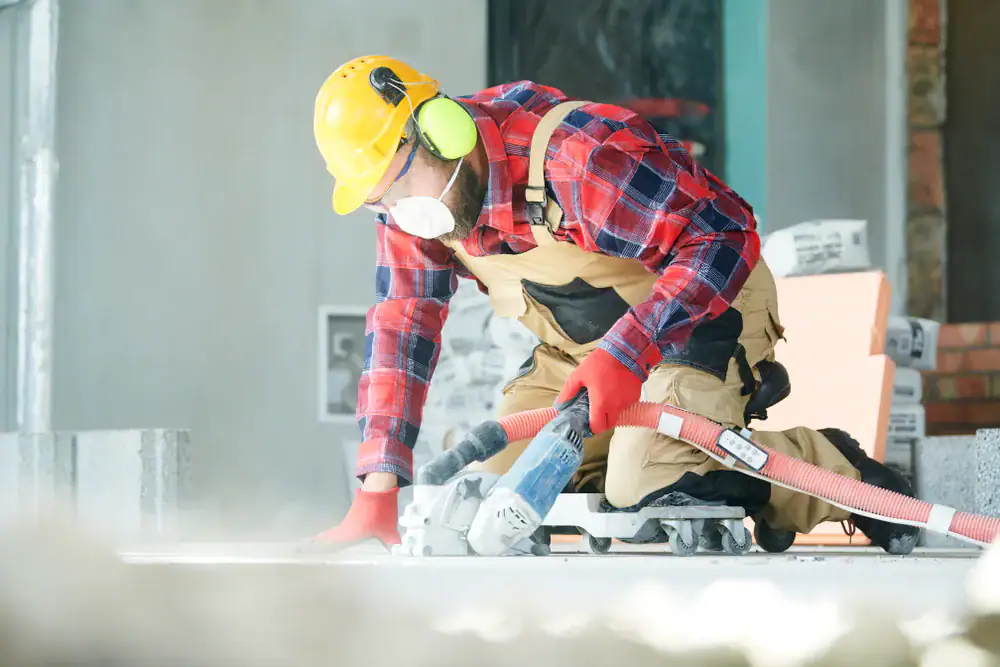
Our client list includes military installations, municipal buildings, and private properties that need floors done right the first time. We use dustless grinding equipment, which matters if you’re keeping a business open during the work or living in the space we’re servicing.
North Lauderdale’s mix of commercial properties and owner-occupied homes means we see everything from warehouse floors to garage slabs. The humidity here accelerates concrete deterioration if surfaces aren’t properly maintained. Grinding resets that clock by removing damaged material and prepping for protective coatings that hold up in Florida’s climate.
How Concrete Grinding Works
We start with a site assessment to identify high spots, cracks, and surface damage. This tells us how much material needs to come off and what grit sequence we’ll use. Every floor is different—what works for a smooth warehouse slab won’t work for a pitted driveway.
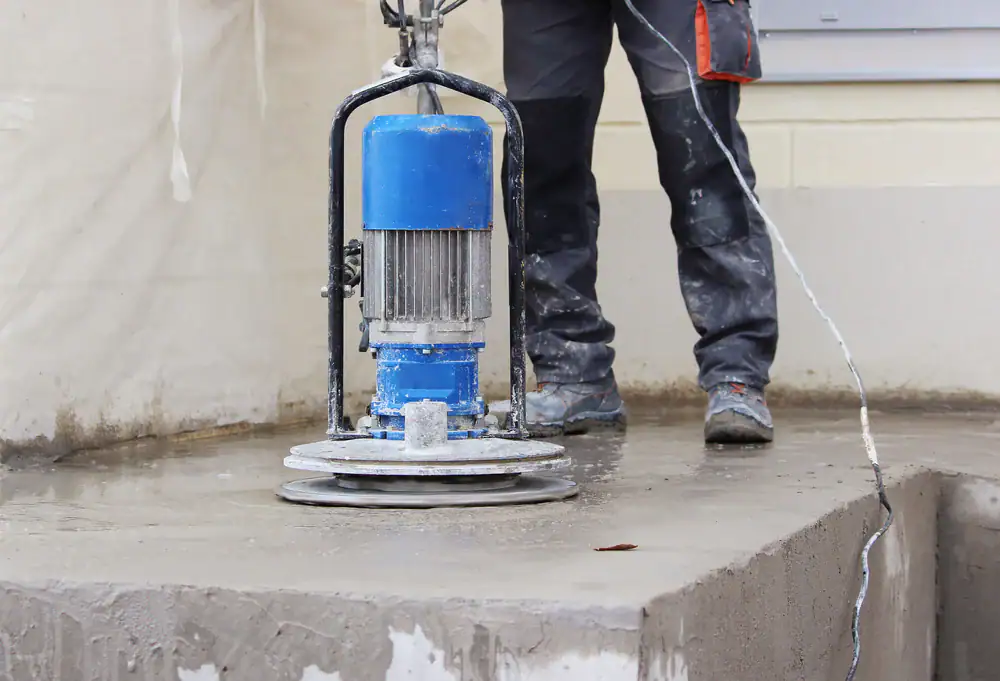
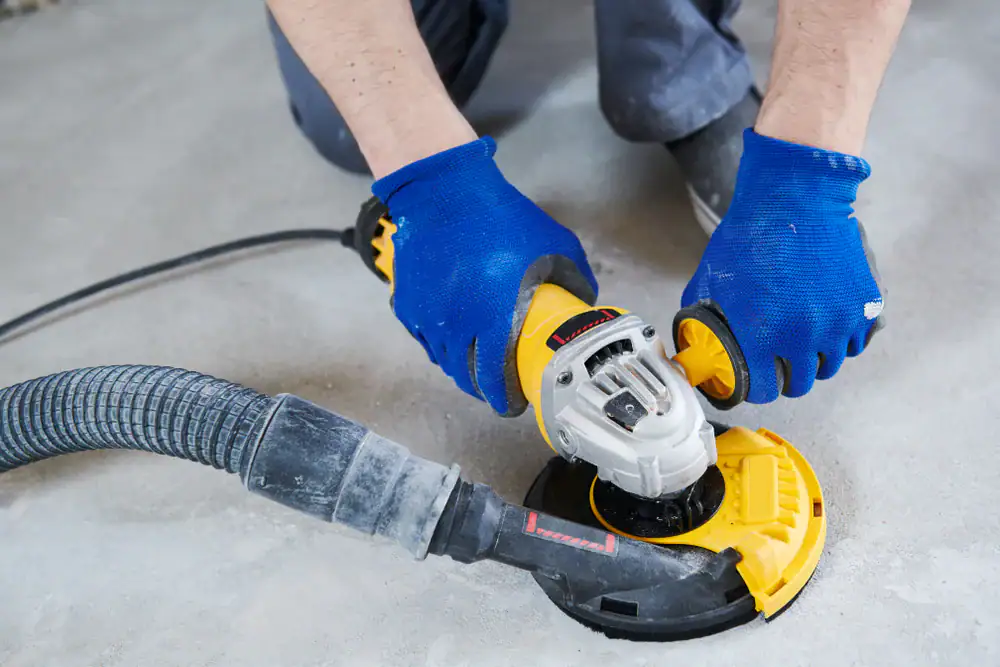
The grinding itself uses diamond-embedded discs that remove concrete in controlled passes. We start with coarser grits to level the surface and remove old coatings, then move to finer grits for smoothness. Our dustless system captures 99% of the dust at the source, so you’re not dealing with cleanup or air quality issues.
After grinding, we inspect the surface profile to confirm it’s ready for the next step—whether that’s epoxy, polish, or a decorative coating. The profile needs to be smooth but not slick, with enough texture for coatings to grip. If we’re polishing instead of coating, we continue through finer grits until the concrete reaches the gloss level you want.
Turnaround depends on square footage and condition, but most residential projects finish in one to two days. Commercial jobs take longer, and we can work nights or weekends if you need to stay operational.
Ready to get started?
Concrete Restoration Services North Lauderdale
Our concrete grinding service covers surface leveling, trip hazard removal, coating prep, and polished concrete finishing. We handle indoor and outdoor applications—garage floors, driveways, warehouses, retail spaces, and industrial facilities.
Dustless grinding is standard, not an upcharge. The equipment costs more and requires more maintenance, but it’s the only way to grind indoors without creating a health hazard or a massive cleanup job. This matters in North Lauderdale’s residential areas where homes sit close together and dust doesn’t stay contained to one property.
We also handle concrete restoration work that goes beyond basic grinding. If your slab has lippage—where one section sits higher than another—we grind it down to meet ADA compliance and eliminate the liability. For properties with old epoxy or paint that’s failing, we grind through the coating and remove it completely so the new application bonds to clean concrete.
The goal isn’t just to make your floor look better. It’s to make it last longer, perform better, and cost you less over time. Proper grinding reduces maintenance, extends coating life, and prevents the kind of structural issues that force you into expensive repairs later.

How long does concrete grinding take for a typical residential garage?
Most residential garages take four to eight hours depending on size and condition. A standard two-car garage that’s relatively smooth and just needs surface prep will be on the shorter end. If we’re removing old coatings, leveling significant high spots, or dealing with a rough surface, it takes longer.
We don’t rush the process to hit a time target. Grinding too fast leaves swirl marks and an uneven profile. Taking the time to do multiple passes with the right grit sequence is what separates a floor that looks good for a year from one that looks good for a decade.
If you’re getting the floor coated after grinding, we typically schedule both services back-to-back. Grind one day, coat the next. That keeps dust and debris from settling back onto the prepared surface.
Is dustless concrete grinding actually dustless or just less dusty?
It captures about 99% of the dust at the source using a vacuum system attached directly to the grinder. You’ll see some fine dust in the air immediately around the work area, but nothing like traditional grinding, which creates clouds that coat everything within fifty feet.
The difference matters for indoor work. Traditional grinding requires sealing off the space, covering everything, and dealing with dust that gets into HVAC systems and settles for weeks afterward. Dustless grinding lets us work inside occupied homes and businesses without forcing you to move out or shut down.
The other benefit is health-related. Concrete dust contains silica, which causes serious respiratory problems with repeated exposure. Our crews wear protection regardless, but dustless grinding also protects you, your employees, or your family from breathing in particles that linger in the air for hours after we leave.
Can grinding fix uneven concrete slabs that create trip hazards?
Yes, but only if the unevenness is at the surface level. If one slab has settled or lifted due to soil issues underneath, grinding removes the high edge and eliminates the immediate trip hazard. It doesn’t fix the underlying problem causing the movement.
For properties in North Lauderdale where soil shifts or tree roots create ongoing pressure, grinding is a temporary fix unless you address what’s causing the slab to move. We’ll tell you upfront if grinding will solve the problem or just delay it.
When grinding does work, it’s faster and cheaper than slab replacement. We can take a half-inch lip down to nothing and restore ADA compliance in a few hours. The ground area will look different from the surrounding concrete—it’s lighter and smoother—but the trip hazard is gone and the liability is eliminated.
What’s the difference between grinding and polishing concrete?
Grinding is the prep step. Polishing is the finish. Grinding removes material and levels the surface using coarser diamond grits. Polishing continues the process with progressively finer grits until the concrete reaches a gloss.
If you want polished concrete as a final floor, we start with grinding to remove any damaged surface material and level the slab. Then we move through multiple polishing stages—each one using a finer grit—until the floor reflects light and has the sheen you’re looking for.
Polished concrete is popular in commercial spaces and modern residential builds because it’s durable, low-maintenance, and looks clean. It’s also a practical choice in Florida where humidity can damage other flooring types. The polishing process densifies the concrete, making it more resistant to moisture, stains, and wear.
How much does concrete grinding cost in North Lauderdale?
Residential grinding typically runs between $2 and $5 per square foot depending on condition and what you’re prepping for. A basic surface grind for coating prep is on the lower end. Heavy grinding to remove thick coatings or level significant unevenness costs more.
Commercial projects vary more because of size, access, and scheduling requirements. A 10,000-square-foot warehouse floor costs less per square foot than a 500-square-foot retail space because of efficiency and setup time.
We give transparent pricing after seeing the space. Square footage matters, but so does what we’re working with. A smooth slab that just needs a light pass is different from a floor covered in old epoxy that requires aggressive grinding. We’ll walk the site with you, explain what needs to happen, and give you a number that won’t change unless the scope changes.
Will grinding weaken my concrete slab?
Only if it’s done incorrectly or excessively. Professional grinding removes a thin layer—usually between 1/16 and 1/4 inch depending on the goal. That’s not enough to compromise a properly poured slab.
The concern comes when grinding is used repeatedly as a band-aid fix for structural problems. If a slab keeps settling and you keep grinding down the high edges, eventually you’ve removed enough material to weaken it. That’s why we assess the underlying cause before recommending grinding.
When grinding is used correctly—to prep for coatings, remove surface damage, or create a polished finish—it actually improves the floor’s performance. You’re removing the weak, deteriorated surface layer and exposing stronger concrete underneath. Then you seal or coat that surface to protect it from future damage.
Other Services we provide in North Lauderdale
Leave a Reply