


Concrete Grinding in North Miami Beach, FL
Floor Prep That Actually Holds Up in Florida
Hear from Our Customers
Professional Concrete Grinding Services
You’re not just getting a smoother floor. You’re getting a surface that epoxy actually bonds to, that polishes evenly, and that won’t trap moisture underneath and cause problems six months down the line.
Concrete grinding removes the weak surface layer, opens up the pores, and creates the profile your coating needs to grab onto. Without it, you’re applying a finish to dust, oils, and whatever else has soaked into that top layer over the years. That’s why cheap jobs fail early and why you see peeling in high-traffic areas first.
In North Miami Beach, humidity makes this even more critical. The salt air and moisture levels here mean your concrete is already dealing with more than average. If the prep work isn’t done right, that moisture has nowhere to go once you seal the surface. It builds up, breaks the bond, and your floor starts failing from underneath. Proper grinding gives coatings a fighting chance in this climate.
Concrete Grinding Contractors North Miami Beach
We handle concrete grinding, polishing, and epoxy work for commercial and residential clients across South Florida. We’ve worked on Coast Guard facilities, city municipal buildings, and plenty of garages, warehouses, and retail spaces in between.
What matters more than how long we’ve been around is how we approach the work. We use commercial-grade equipment and products from Sherwin Williams and Fosroc because they’re designed for Florida’s conditions. We don’t rush the prep, and we don’t skip steps to save time. You either do concrete grinding right or you don’t do it at all.
North Miami Beach properties deal with specific challenges. The coastal humidity, salt exposure, and temperature swings mean your floors need more than a basic grind and coat. We account for those factors in how we prep, when we apply coatings, and what products we recommend.
Our Concrete Floor Grinding Process
First, we assess your concrete. We’re checking for cracks, moisture issues, existing coatings, and how contaminated the surface is. This tells us what equipment and how many passes we’ll need.
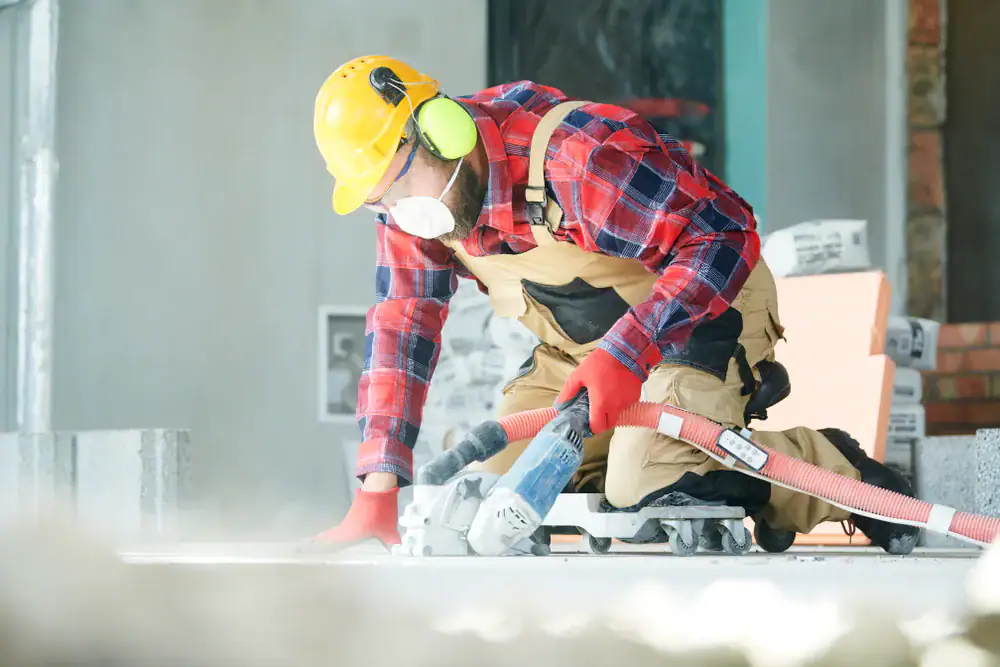
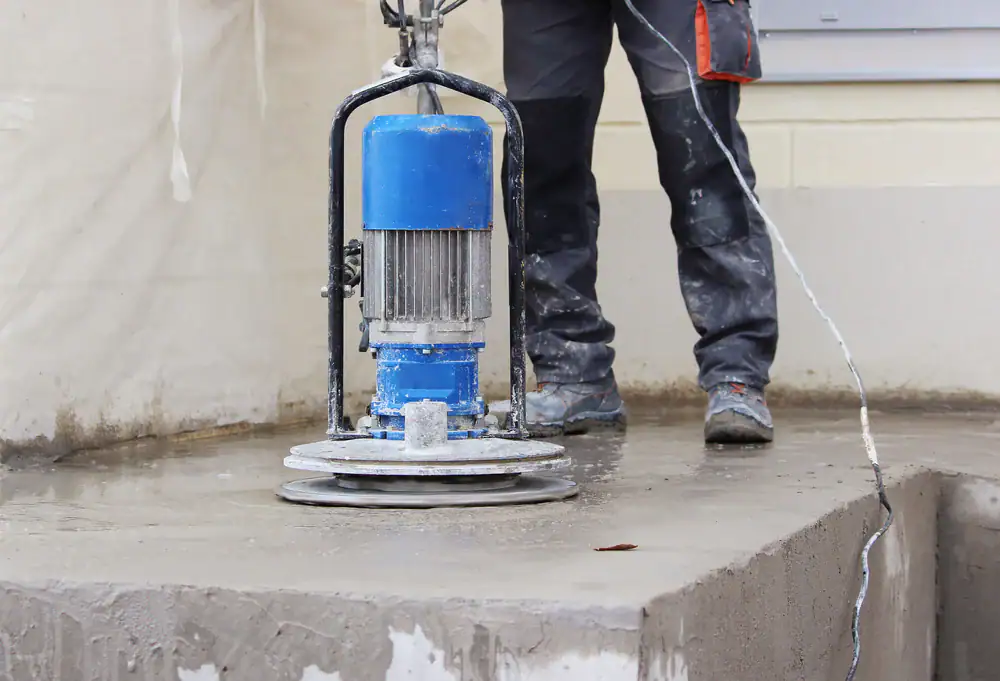
Then we grind. We use diamond grinding heads that remove the top layer and create the right surface profile for whatever finish you’re putting down. For epoxy, that means a rougher texture so the coating has something to grip. For polished concrete, we’re working through progressively finer grits until we hit the shine level you want.
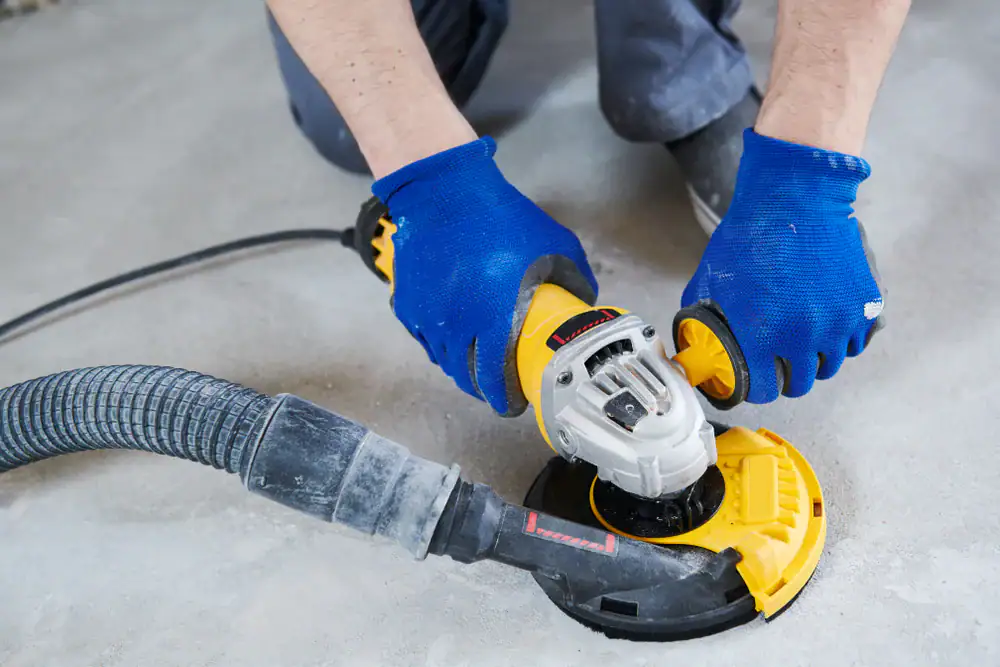
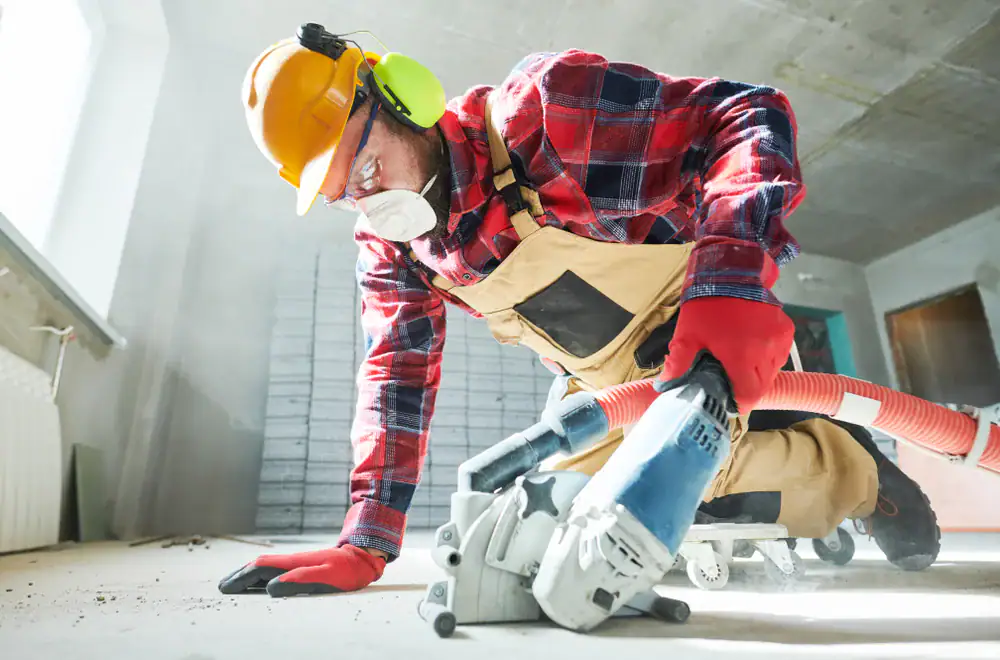
We manage the dust with proper equipment and clean as we go. Once grinding is done, we vacuum everything thoroughly and check the surface. If you’re getting a coating applied, we handle that too. If it’s just the grinding you need, we leave you with a clean, prepped surface ready for the next step.
Timing matters in Florida. We monitor temperature and humidity because they affect how coatings cure. We don’t start a job if conditions aren’t right, and we don’t call it done until we’ve inspected everything.
Ready to get started?
Concrete Restoration Services North Miami Beach
You get a full surface assessment before we start. We’re not guessing what your concrete needs. We test it, identify problem areas, and map out the approach.
The grinding itself uses professional diamond tooling, not the consumer-grade equipment you’d rent from a big box store. We control the depth, the profile, and the uniformity across the entire surface. If there are cracks or damage, we address those first so they don’t telegraph through your finish later.
Dust control and cleanup are part of the service. We’re not leaving you with a mess to deal with. And if you’re in North Miami Beach, we’re factoring in the local climate conditions that affect how your concrete behaves. The moisture levels here aren’t the same as inland Florida, and that changes how we prep and what we recommend for coatings.
You also get honest timelines. Most concrete grinding projects take one to three days depending on square footage and condition. We can turn around smaller jobs like garage floors in 24 to 48 hours if you need it done fast. Larger commercial spaces take more time, but we’ll tell you upfront what to expect.
Why is concrete grinding necessary before applying epoxy or polishing?
Your concrete has a weak top layer. It’s contaminated with oils, dirt, old sealers, and carbonation that’s made the surface less porous over time. If you apply epoxy or polish directly to that, you’re bonding to the weakest part of the slab.
Grinding removes that compromised layer and exposes fresh, porous concrete underneath. This gives coatings something solid to grip and allows polishes to penetrate properly. Laboratory testing shows that skipping this step reduces adhesion by up to 75%. That’s the difference between a floor that lasts 15 years and one that starts peeling in 18 months.
In coastal areas like North Miami Beach, this matters even more. Salt air and humidity accelerate surface contamination. Your concrete is absorbing moisture constantly, and if you trap that under a coating without proper prep, it’s going to push that coating right back off.
How long does concrete grinding take for a typical project?
A standard two-car garage takes about a day. Larger commercial spaces can run two to three days depending on the square footage and how damaged the concrete is.
The timeline depends on what we’re dealing with. If your concrete has multiple layers of old coatings, we need more passes to get down to clean material. If there are cracks or uneven areas, we’re spending extra time leveling those out. And if you’re in a humid period, we might need to wait for the concrete to dry out before moving to the coating phase.
We can expedite smaller projects if you’re on a tight schedule. We’ve turned around kitchen floors and small commercial spaces in 24 to 48 hours when needed. But we won’t rush the work just to hit a deadline if it means compromising the result. You’re better off with an extra day of prep than a floor that fails early.
What’s the difference between grinding for epoxy versus polished concrete?
The profile depth is different. For epoxy, we create a rougher surface with more texture. Think of it like creating teeth that the epoxy can grab onto. This usually means a coarser diamond grit and fewer passes.
For polished concrete, we’re working through multiple grits, starting coarse and moving progressively finer. We’re not just prepping the surface—we’re creating the finish itself. This takes more time and more equipment changes, but the result is a smooth, reflective surface that doesn’t need a coating on top.
The other difference is how we handle repairs. With epoxy, small imperfections get filled and hidden under the coating. With polished concrete, everything shows, so we’re more meticulous about fixing cracks and leveling uneven spots before we start polishing. Both approaches require proper grinding, but the end goal changes how we execute the work.
Can you grind concrete that already has a coating on it?
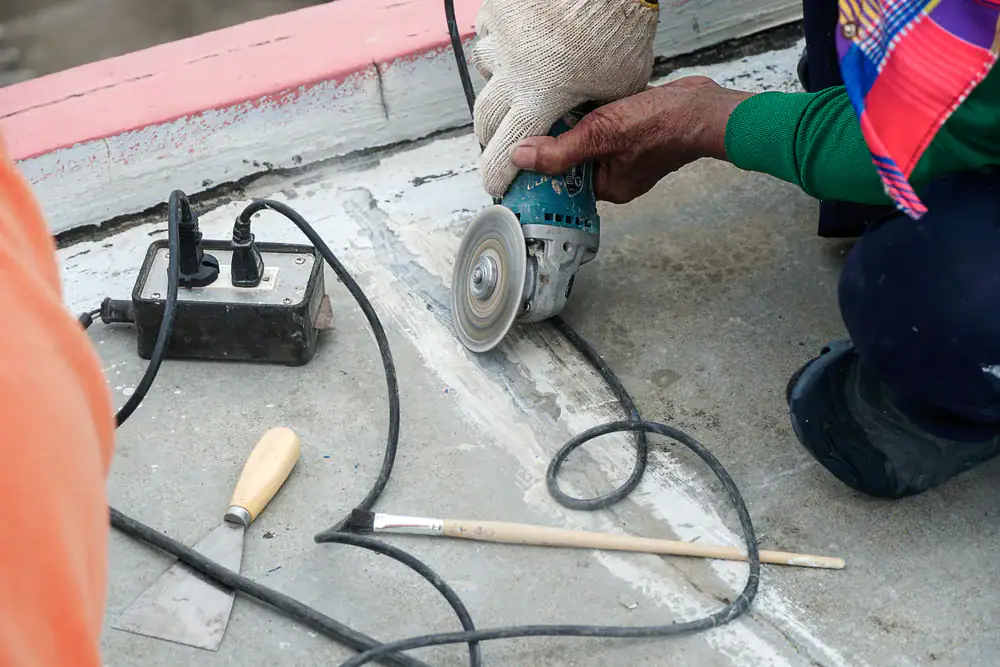
Yes, but it takes longer. We have to remove the existing coating first, which means more passes with coarser diamonds. Old epoxy, urethane, or acrylic coatings don’t come off easily, especially if they were applied correctly the first time.
The real question is what’s underneath. Sometimes we remove a failing coating and find concrete that’s in good shape. Other times, the concrete itself is damaged or was never properly prepped before the first coating went down. If that’s the case, we’re doing more extensive grinding to get to solid material.
This is common in North Miami Beach because a lot of floors were coated years ago with products that weren’t designed for this climate. They failed, someone painted over them, and now you’ve got multiple layers of compromised material. We strip it all back, assess what’s actually there, and start fresh. It costs more upfront, but it’s the only way to avoid repeating the same failure cycle.
How do you handle dust during concrete grinding?
We use dust extraction equipment that attaches directly to the grinders. This captures most of the dust at the source before it becomes airborne. It’s not completely dustless, but it’s significantly cleaner than grinding without extraction.
After grinding, we vacuum the entire area with HEPA-filtered equipment. Concrete dust is fine enough to settle into every crack and corner, so we’re thorough about cleanup. If you’re staying in the space during the work, we can set up barriers to contain dust to the work area.
The dust matters for more than just cleanliness. If we don’t remove it completely before applying coatings, it interferes with adhesion. Even a thin layer of dust between the concrete and epoxy creates a weak point. So the cleanup phase isn’t optional—it’s part of the prep work that determines whether your floor holds up long-term.
What happens if you don’t grind concrete before applying epoxy?
The epoxy sits on top of whatever contamination is already there. Oils, sealers, dirt, and the weak carbonated layer all prevent proper bonding. You might get initial adhesion, but it won’t last.
Within months, you’ll see peeling in high-traffic areas. Within a year or two, larger sections start bubbling or delaminating. This happens because the epoxy is only as strong as what it’s bonded to. If it’s bonded to a contaminated surface layer instead of solid concrete, that layer eventually gives way.
In Florida, moisture accelerates this failure. Humidity gets trapped under the coating and pushes it off from underneath. You end up paying twice—once for the initial application and again to strip it, prep it correctly, and redo it. Proper concrete grinding upfront costs less than fixing a failed floor later. That’s not a sales pitch. It’s just how the chemistry works.
Other Services we provide in North Miami Beach
Leave a Reply